That rattle, squeal, or thump coming from your car can be more than just annoying – it could be a sign of serious mechanical trouble. But before you rush to the mechanic and face a potentially hefty bill, learning to diagnose car noises yourself can save you time, money, and stress. This guide will walk you through the process of identifying common car noises, pinpointing their sources, and determining the severity of the problem, all without needing to be a certified mechanic.
Diagnosing car noises effectively involves a combination of attentive listening, methodical observation, and a basic understanding of how your car's components work. It’s not about being a mechanic; it’s about being an informed owner. We'll cover everything from engine knocks to brake squeals, equipping you with the knowledge to communicate effectively with your mechanic or even tackle some repairs yourself. Remember, if you're ever unsure about a repair, it’s always best to consult a qualified professional.
This guide will help you listen effectively, investigate safely, and understand what your car is trying to tell you. Let's get started!
Step 1: Understand the Basics of Automotive Sound
Before you start chasing down every squeak and groan, it’s important to understand that different noises correspond to different problems. A low, rhythmic thumping is vastly different from a high-pitched squeal. The first key is to differentiate the type of sound - is it a squeal, a grinding, a knocking, a hissing, or something else? Then consider the context - when does the sound occur? Only when braking? Only when accelerating? All the time? Understanding the "when" is just as important as understanding the "what". This will significantly narrow down potential culprits.
Step 2: Pinpoint the Location of the Noise
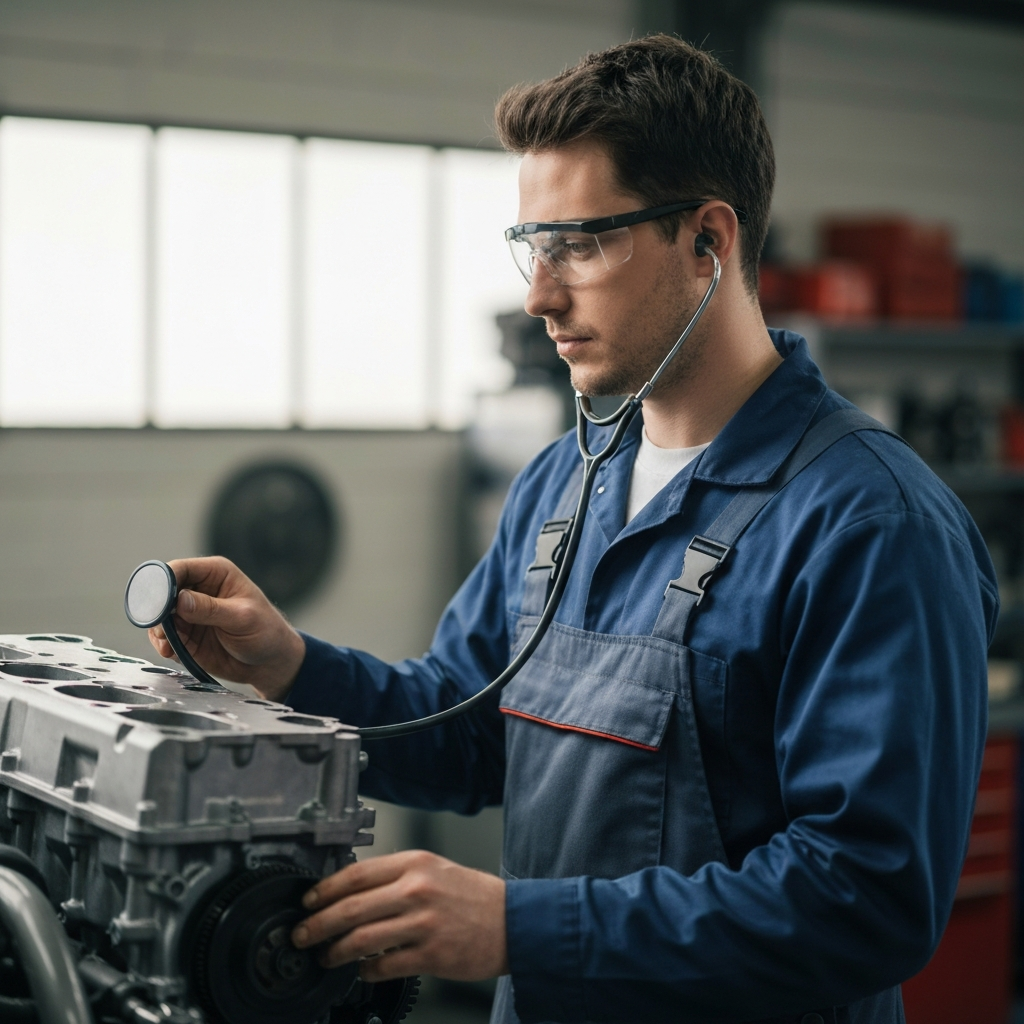
Once you've identified the type of sound, try to pinpoint its location. This might involve enlisting a friend to help you listen from different areas of the car while you operate it. Does the noise seem to be coming from the front of the car, the rear, underneath, or even inside the cabin? Pay attention to which side of the car the noise is more prominent on. Sometimes, the sound can be deceptive; vibrations can travel through the car's frame, making it seem like the noise is coming from one place when it's actually originating elsewhere. A mechanic's stethoscope (or even a long screwdriver placed against the engine and held to your ear) can be invaluable for isolating engine noises.
Step 3: Recreate the Noise Under Controlled Conditions
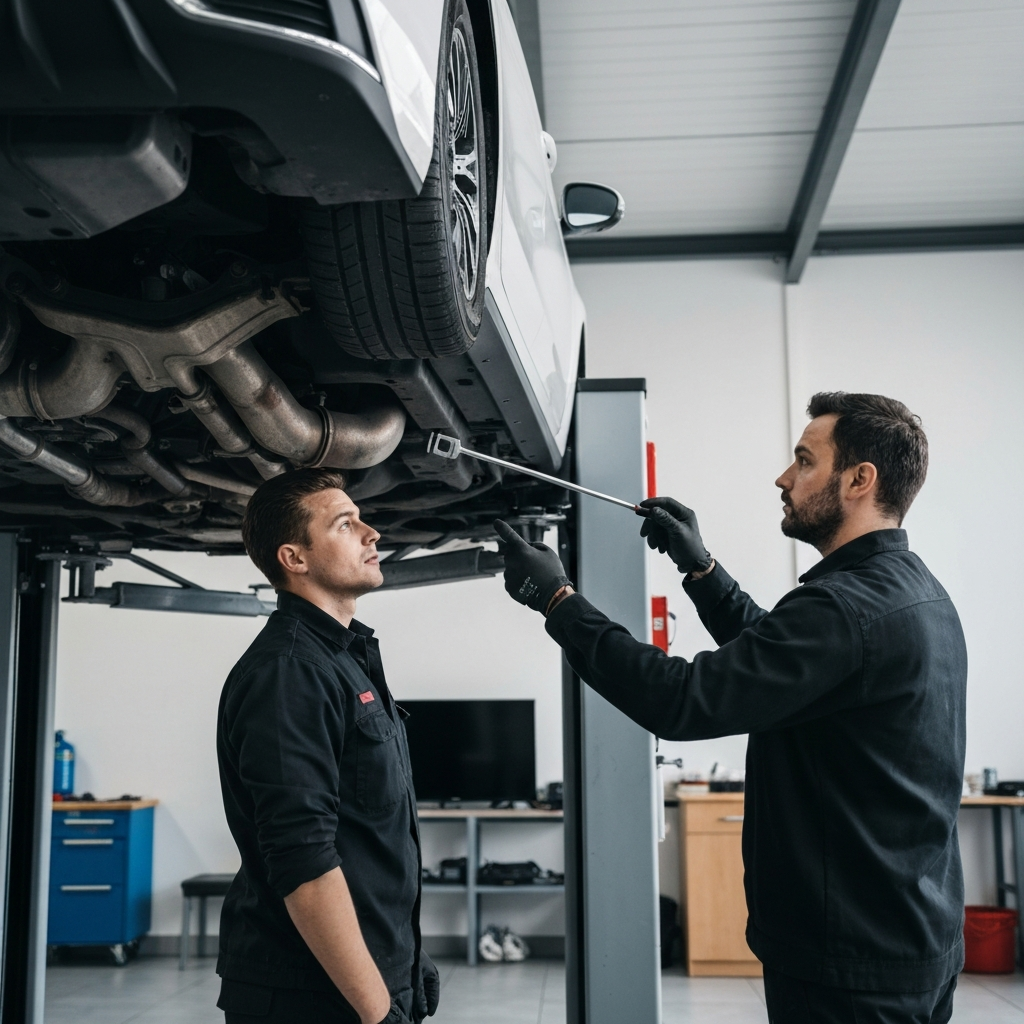
Whenever possible, try to recreate the noise in a controlled environment. This could involve driving around the block, testing the brakes at low speeds in an empty parking lot, or even just starting the engine and letting it idle. Don't try to force the noise; if it doesn't appear easily, avoid pushing the car beyond its limits. Pay close attention to what you are doing when the noise appears. Are you turning? Accelerating? Braking? Going over bumps? The more information you can gather about the specific circumstances that trigger the noise, the easier it will be to diagnose the problem.
Step 4: Check Fluid Levels and Obvious Signs
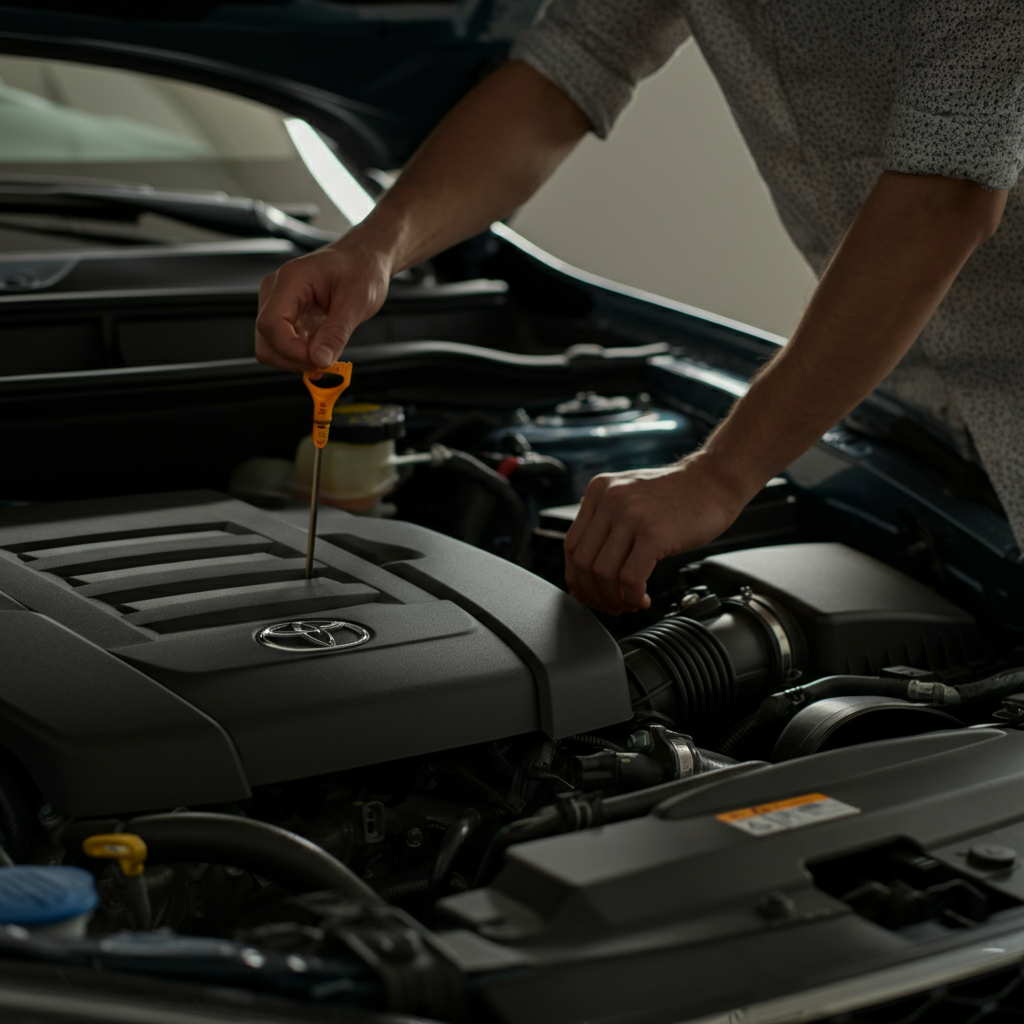
Before diving into more complex diagnostics, check your car's fluid levels – oil, coolant, brake fluid, power steering fluid, and transmission fluid. Low fluid levels can often cause unusual noises. Also, visually inspect the engine compartment and undercarriage for any obvious signs of damage, leaks, loose components, or worn belts and hoses. A visual inspection can often reveal the source of the problem without needing any special tools. Always remember to let the engine cool down completely before opening the hood and checking fluid levels.
Step 5: Investigate Common Noise Sources
Now that you've gathered some information, it's time to investigate common noise sources based on the type of sound you're hearing. Here are a few examples:
- Squealing: Often indicates worn brake pads, a slipping serpentine belt, or a dry idler pulley.
- Grinding: Could point to worn brake rotors, failing wheel bearings, or internal engine damage.
- Knocking: Can be caused by low oil levels, worn engine bearings, or pre-ignition (pinging).
- Thumping: Might be a sign of a flat spot on a tire, a damaged suspension component, or an exhaust system issue.
- Hissing: Often indicates a vacuum leak, a coolant leak, or an exhaust leak.
Researching the specific sound and the conditions in which it occurs will help narrow down the possible causes.
Step 6: Diagnose Brake Noises
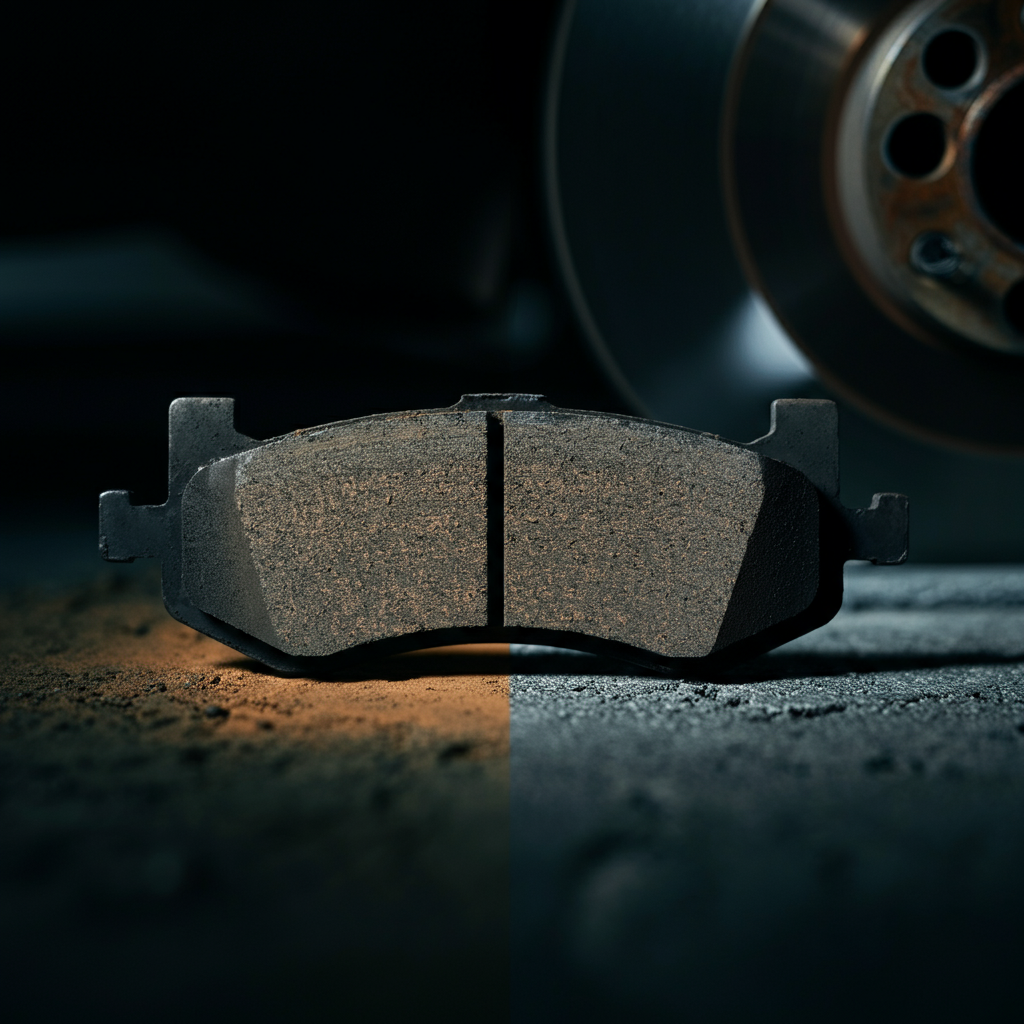
Brake noises are among the most common car sounds people encounter. Squealing brakes often indicate worn brake pads. Grinding noises usually point to metal-on-metal contact, meaning the brake pads are completely worn and the rotors are being damaged. A pulsating sensation when braking can indicate warped rotors. Sometimes, a simple cleaning of the brake components can resolve minor squeaks, but if the noise persists, it's best to have the brakes inspected by a professional. Ignoring brake noises can lead to serious safety issues.
Step 7: Tackle Engine Noises
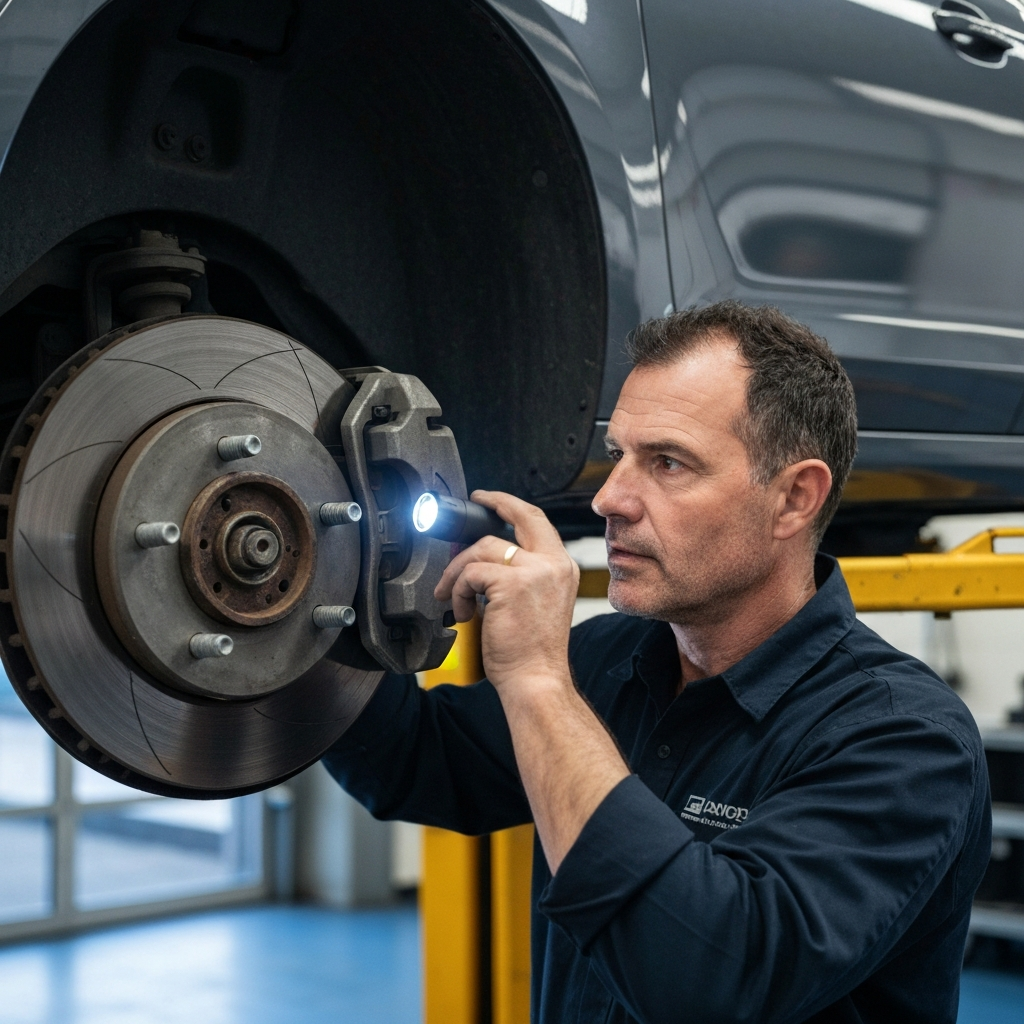
Engine noises can be more complex to diagnose. A knocking sound could indicate a serious issue like worn engine bearings or piston slap. A ticking sound might be caused by loose valve lifters or low oil pressure. Hissing sounds could be due to a vacuum leak or a coolant leak. If you suspect a serious engine problem, it's crucial to consult a qualified mechanic as soon as possible. Continuing to drive with a damaged engine can lead to catastrophic failure. Consider using a mechanic's stethoscope to pinpoint the exact location of the noise on the engine block.

Step 8: Investigate Suspension Noises
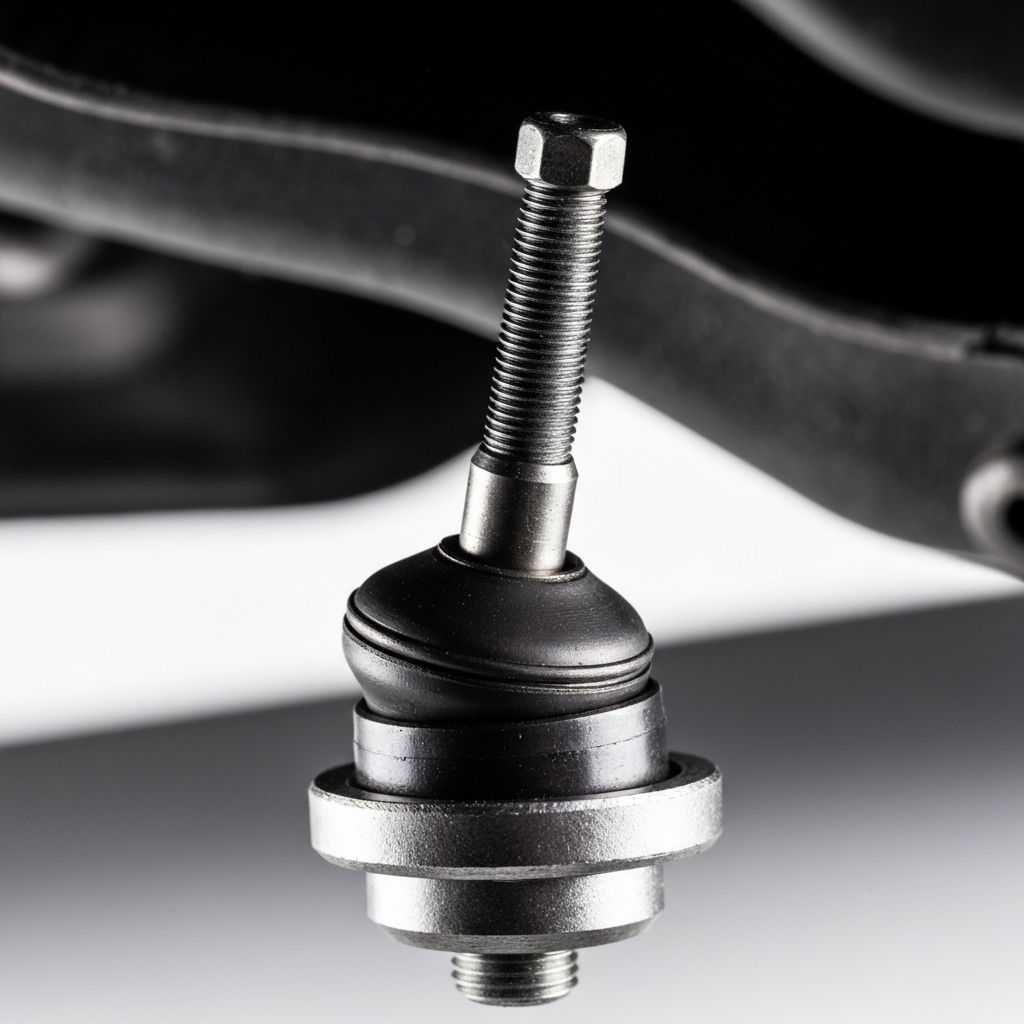
Suspension noises often manifest as clunking, rattling, or squeaking sounds, especially when going over bumps. These noises can be caused by worn-out shocks or struts, loose ball joints, worn sway bar links, or damaged control arm bushings. Inspect the suspension components for any signs of damage, wear, or looseness. Remember that suspension components play a critical role in vehicle handling and safety, so it is always best to take it to a professional if you're unsure.
Step 9: Exhaust System Noises
Exhaust noises can range from hissing to roaring sounds. Hissing often indicates a leak in the exhaust manifold or exhaust pipe. A roaring sound usually means there's a hole or crack in the muffler or exhaust pipe. A rattling sound could be caused by a loose heat shield. Inspect the exhaust system for any signs of damage, rust, or leaks. Be careful when inspecting the exhaust system, as it can get very hot.
Tools or Materials Required
* Mechanic's Stethoscope (optional but helpful) * Flashlight * Gloves * Safety Glasses * Jack and Jack Stands (for safe under-car inspection) * Wheel chocks * Basic Socket Set and Wrenches * Screwdrivers * Clean RagsSafety Considerations
* Always wear safety glasses and gloves when working on your car. * Use jack stands to support the car when it's raised off the ground. Never work under a car supported only by a jack. * Allow the engine and exhaust system to cool down completely before inspecting them. * Disconnect the negative battery cable before working on any electrical components. * If you're unsure about any repair, consult a qualified mechanic.Pro Tips
* Use your smartphone to record the noise. This can be helpful when describing the issue to a mechanic. * Keep a maintenance log of all repairs and inspections. This will help you track any recurring issues. * Regularly inspect your car for any signs of damage or wear. Early detection can prevent small problems from becoming big ones. * Join online car forums and communities. You can often find valuable information and advice from other car owners.FAQ Section
Q: What if I can't pinpoint the location of the noise?
A: Try using a mechanic's stethoscope or a long screwdriver to isolate the sound. Enlist a friend to help you listen from different areas of the car while you operate it.
Q: Is it safe to drive with a noisy car?
A: It depends on the type of noise and the underlying cause. Some noises, like a minor brake squeal, are not immediately dangerous. However, other noises, like a loud engine knock or a grinding sound, could indicate a serious problem that could lead to a breakdown or accident. If you're unsure, it's best to have the car inspected by a professional.
Q: Can I fix all car noises myself?
A: Not necessarily. Some repairs, like replacing brake pads or a serpentine belt, are relatively straightforward and can be done by a mechanically inclined individual. However, other repairs, like overhauling an engine or rebuilding a transmission, require specialized tools and expertise.
Conclusion
Diagnosing car noises can seem daunting, but by following these steps, you can become a more informed car owner and potentially save yourself a lot of money. Remember to listen carefully, investigate thoroughly, and prioritize safety. If you're ever unsure about a diagnosis or repair, don't hesitate to consult a qualified mechanic. By taking the time to understand your car and its sounds, you can keep it running smoothly and safely for years to come. Good luck, and happy listening!