That unsettling clunk, whine, or screech coming from your car can be more than just annoying – it’s often a sign of an underlying problem. Ignoring these noises can lead to more extensive damage and costly repairs down the road. But before you rush off to the mechanic, did you know you can often pinpoint the source of the sound yourself? With a systematic approach and a little know-how, you can become a car noise detective and save yourself time and money.
This guide will provide you with the tools and techniques to diagnose car noises like a seasoned pro. We'll break down the process into manageable steps, covering common sounds, their likely causes, and what you should do next. Remember, safety always comes first, and while this guide helps with diagnosis, some repairs require professional expertise.
By learning to identify these noises, you'll not only be better informed when you do visit a mechanic, but you'll also be empowered to tackle some minor issues yourself. So, let's get started and turn those unsettling sounds into actionable insights.
Step 1: Listen Carefully and Note the Details
The first and most crucial step is to listen attentively to the noise. Don't just acknowledge its existence; actively try to discern its characteristics. Pay attention to when the noise occurs – is it constant, intermittent, or only present under specific conditions? Does it happen when you start the car, accelerate, brake, turn, or drive over bumps? The more details you can gather, the narrower the potential causes become. Also, notice the type of sound it is, a high-pitched squeal, a low rumble, a metallic clang, or a rhythmic thumping.

Step 2: Identify the Location
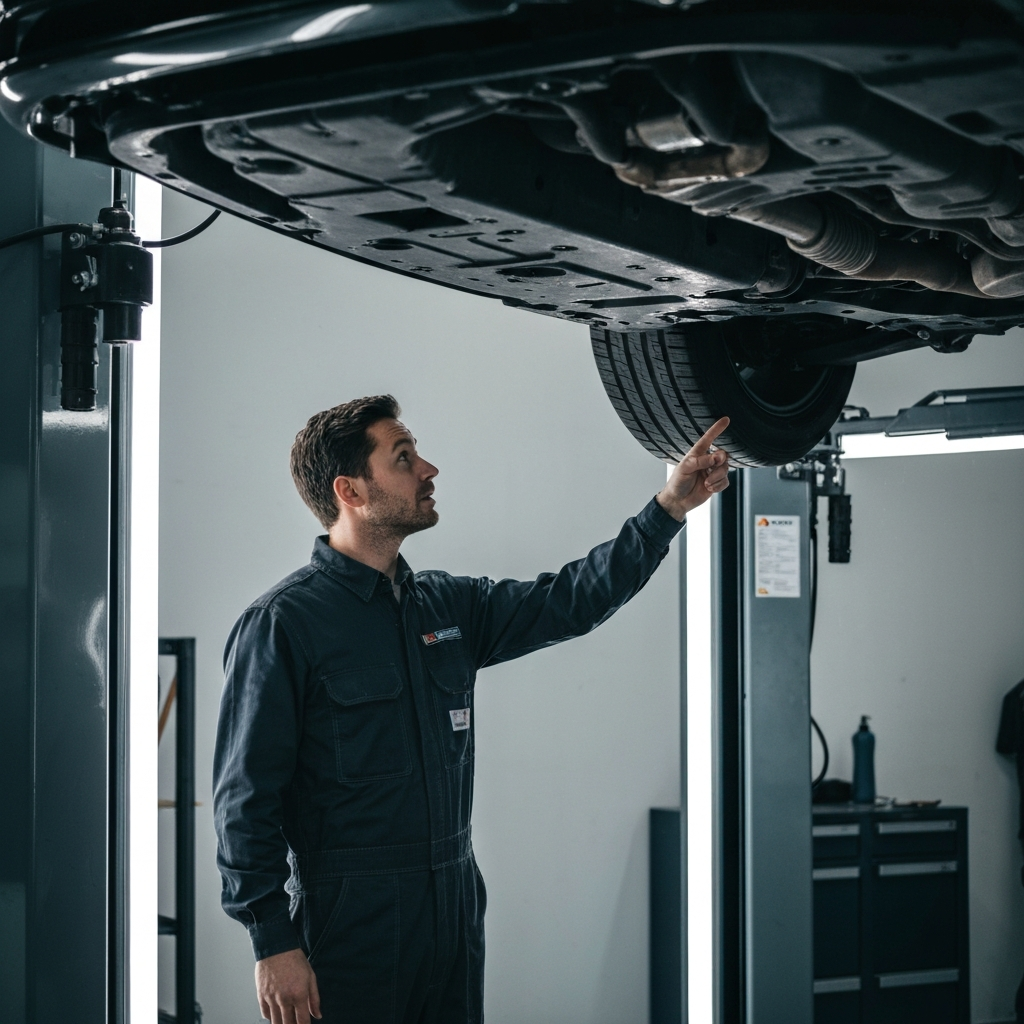
Pinpointing where the noise is coming from is essential for accurate diagnosis. Is it emanating from the engine bay, underneath the car, near the wheels, or inside the cabin? Try to get a sense of the general area. Having a friend or family member walk around the car while you recreate the noise can be helpful. However, exercise extreme caution when someone is near a moving vehicle. You can also try rolling down the windows or opening the doors to better hear the noise from different angles. Sometimes, vibrations can make it seem like the sound is coming from one place when it's actually originating from somewhere else.
Step 3: Engine-Related Noises
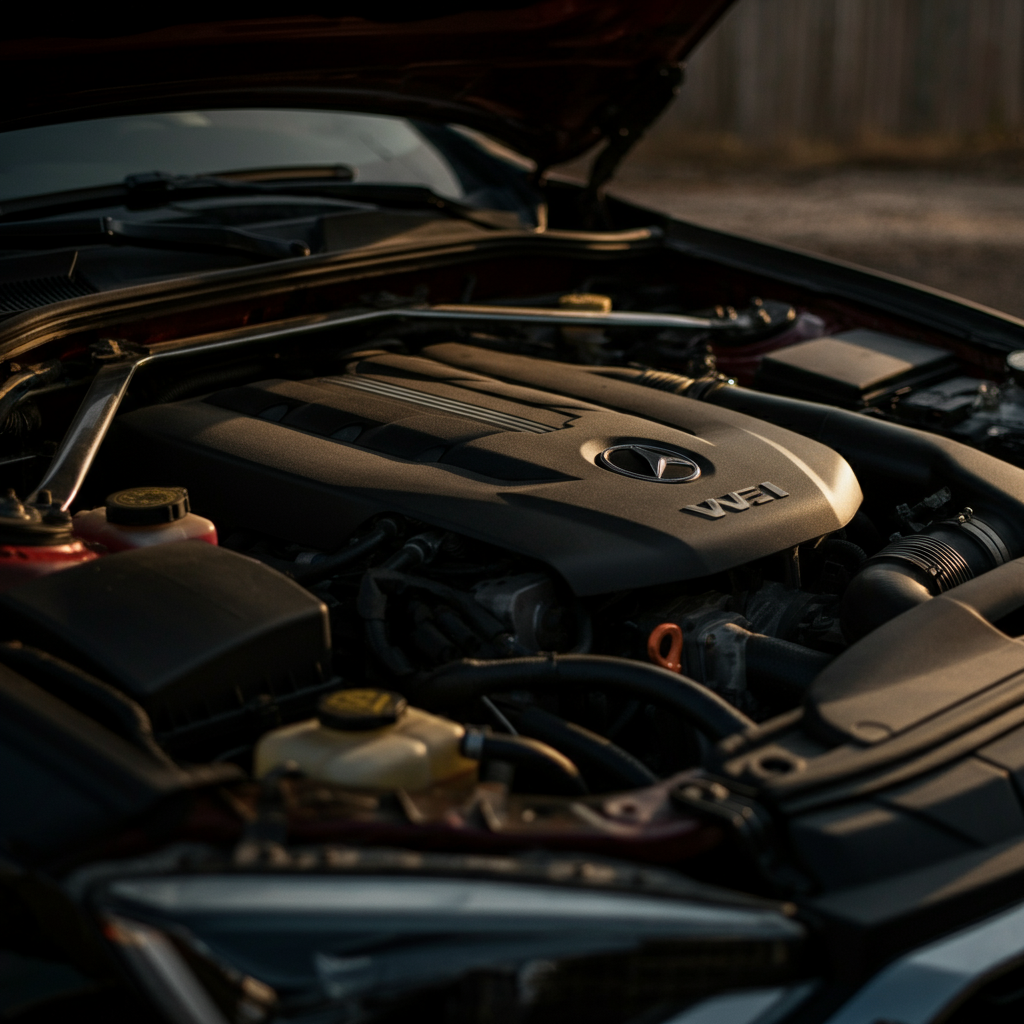
Noises originating from the engine bay can signal a variety of issues. A high-pitched squeal, especially during startup, could indicate a worn or loose belt. A knocking or ticking sound might suggest problems with the engine's internal components, such as valves or connecting rods. A hissing sound could indicate a vacuum leak, while a gurgling sound might point to coolant issues. Always check your fluid levels (oil, coolant, power steering fluid) when investigating engine noises, as low levels can contribute to unusual sounds and potential damage. If your car is overheating or showing other warning signs, consult a professional immediately.
Step 4: Suspension and Steering Noises
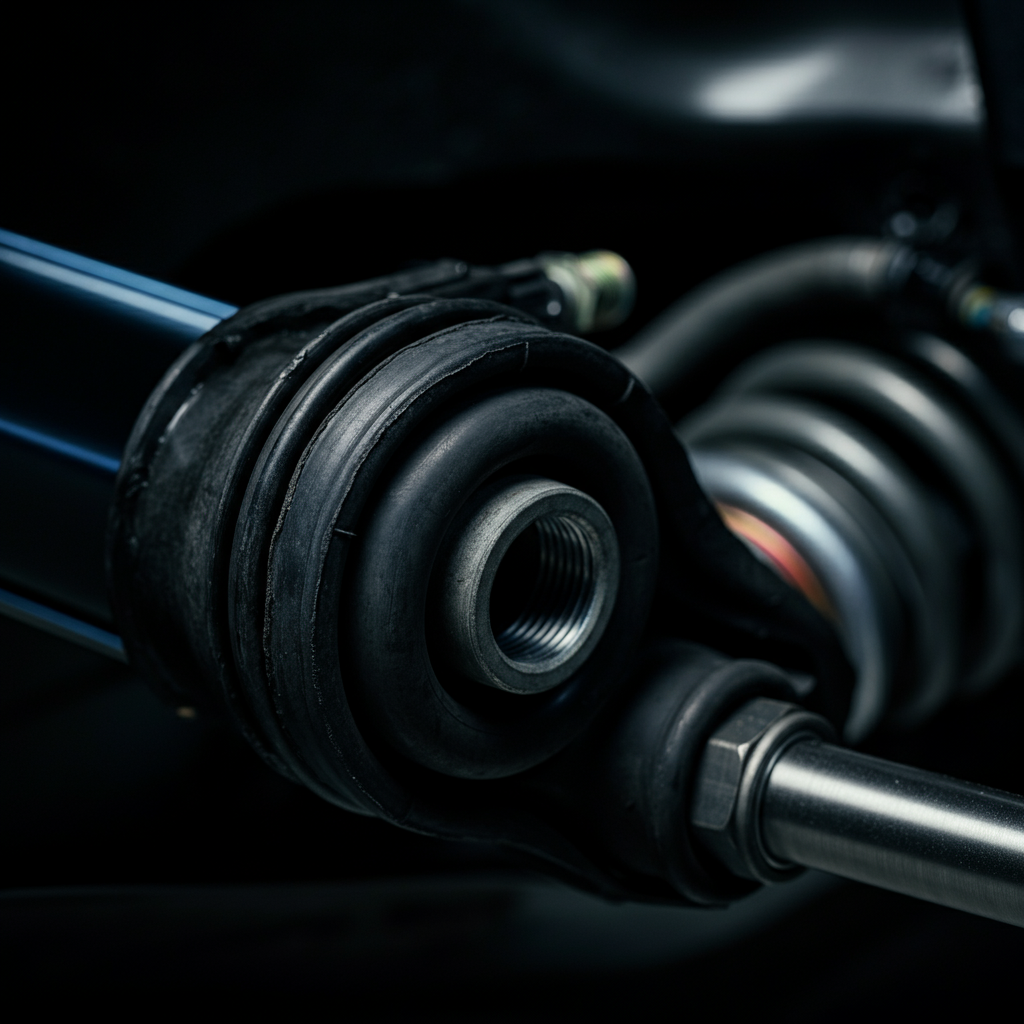
Noises coming from the suspension or steering systems often indicate worn or damaged components. A clunking sound when driving over bumps is a classic sign of worn-out shocks, struts, or ball joints. A squeaking or creaking noise when turning the steering wheel could indicate worn-out bushings or tie rod ends. A grinding noise while turning might be a sign of a failing wheel bearing. Have a helper turn the steering wheel lock-to-lock while you listen near the wheels to help isolate the sound.
Step 5: Brake System Noises
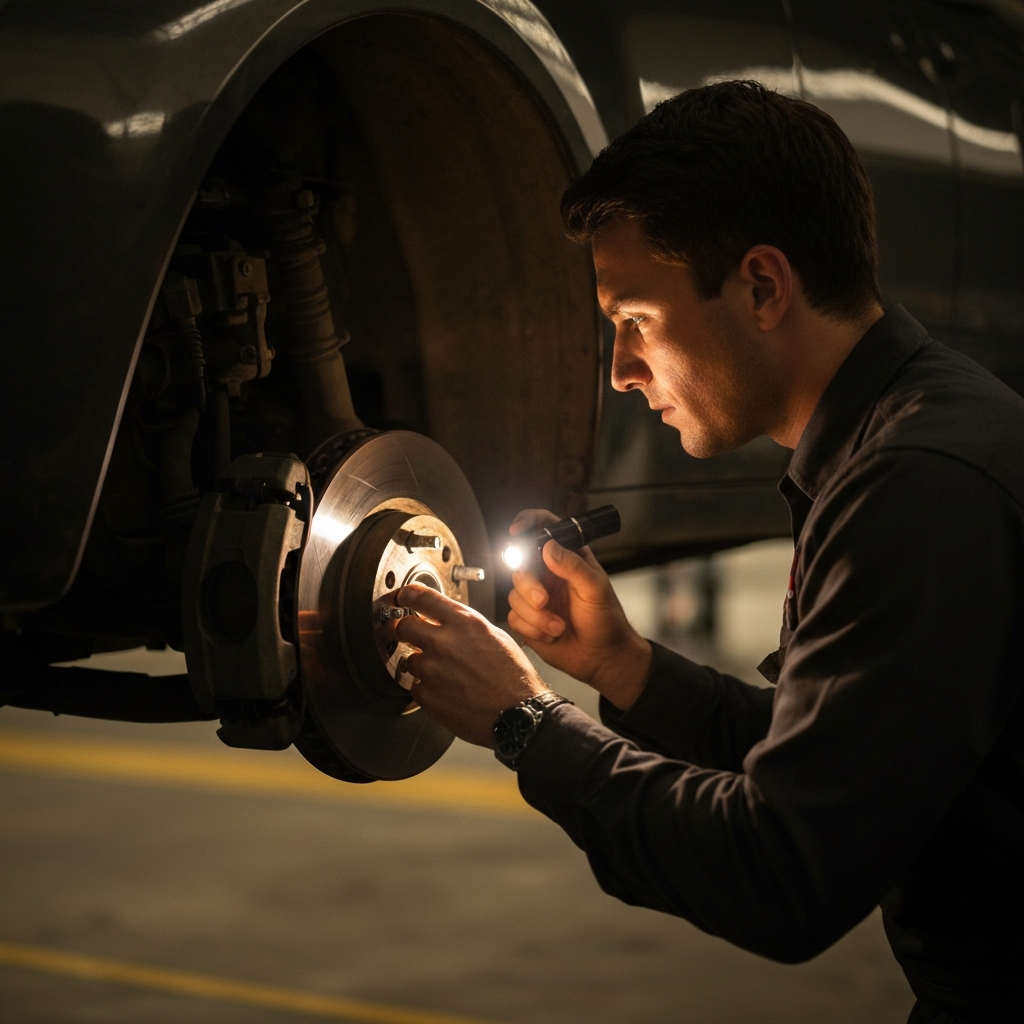
Brake noises are often quite distinctive and should be addressed promptly. A high-pitched squeal when braking is usually a sign that your brake pads are worn and need to be replaced. A grinding noise suggests that the pads are completely worn and you're now grinding metal on metal, which can damage the rotors. A pulsation or vibration in the brake pedal could indicate warped rotors. A soft clicking sound when applying the brakes may be normal, relating to the anti-lock brake system (ABS) self-test. If you're uncomfortable inspecting your brakes, it's best to have them checked by a professional.
Step 6: Exhaust System Noises
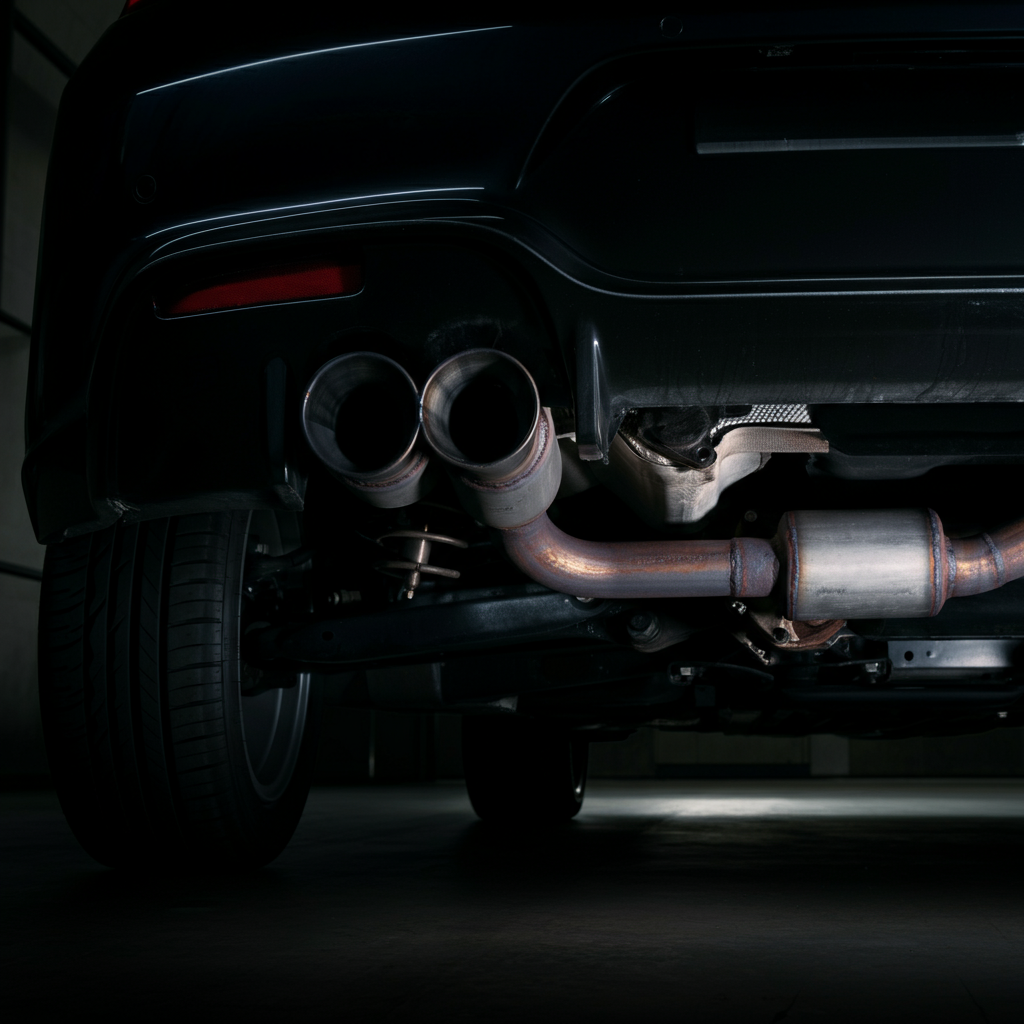
Exhaust system noises can range from a subtle hiss to a loud roar. A hissing sound often indicates a leak in the exhaust manifold or gasket. A rumbling or roaring sound that gets louder over time could be a sign of a hole in the muffler or exhaust pipe. A rattling noise might be caused by a loose heat shield. Be cautious when working around the exhaust system, as it can get extremely hot. Let the car cool down completely before attempting any inspections.
Step 7: Tire Noises
Tire-related noises are often consistent and related to vehicle speed. A humming or droning sound that gets louder as you accelerate could indicate a worn wheel bearing or uneven tire wear. A rhythmic thumping sound might be caused by a flat spot on the tire or a foreign object embedded in the tread. A squealing noise when turning could be due to underinflated tires or aggressive driving. Regularly check your tire pressure and inspect the tread for uneven wear or damage.

Safety Considerations
When diagnosing car noises, always prioritize safety. Work in a well-ventilated area, wear appropriate safety gear (eye protection, gloves), and use jack stands when working under a vehicle. Never work under a vehicle supported only by a jack. If you're unsure about any repair, it's best to consult a qualified mechanic.
Pro Tips
- Use a mechanic's stethoscope to help pinpoint the source of noises in the engine bay.
- Record the noise with your phone and play it back to a mechanic for a clearer description.
- Keep a maintenance log to track repairs and identify recurring issues.
FAQ Section
Q: What if I can't identify the noise?
A: If you're unable to diagnose the noise yourself, it's best to take your car to a trusted mechanic for a professional inspection.
Q: Can I ignore a car noise?
A: Ignoring car noises can lead to more extensive damage and costly repairs. It's always best to investigate any unusual sounds as soon as possible.
Q: When should I consult a mechanic?
A: If you're uncomfortable performing any repairs yourself, or if the noise is accompanied by other warning signs (e.g., overheating, loss of power), consult a mechanic immediately.
Tools or Materials Required
- Mechanic's Stethoscope (Optional)
- Jack and Jack Stands
- Wheel Chocks
- Flashlight
- Gloves
- Eye Protection
Common Mistakes to Avoid
- Ignoring a noise for too long.
- Misdiagnosing the source of the noise.
- Attempting repairs beyond your skill level.
- Working without proper safety precautions.
Conclusion
Diagnosing car noises like a pro takes practice and patience, but with a systematic approach, you can often pinpoint the source of the sound and take appropriate action. Remember to listen carefully, identify the location, and consider the specific conditions under which the noise occurs. By following these steps, you'll be better equipped to maintain your vehicle and save money on unnecessary repairs. However, always prioritize safety and consult a qualified mechanic when in doubt.