Running a business without a solid budget is like navigating a ship without a compass. You might get somewhere, but chances are you'll end up lost, off course, and potentially bankrupt. A well-crafted budget isn't just about tracking income and expenses; it's a strategic tool that allows you to forecast, plan, and adapt to the ever-changing business landscape. This guide provides a practical, no-nonsense approach to creating a budget that can withstand economic storms and keep your business thriving.
We'll delve into the essential steps, from accurately assessing your current financial position to implementing strategies for continuous monitoring and adjustment. Forget vague advice and complicated jargon. This is about real-world strategies that you can implement today to fortify your financial foundation. Prepare to take control of your business's financial destiny.
This guide emphasizes the importance of proactive financial management. Budgeting isn't a one-time event; it's an ongoing process that requires diligence and adaptability. By following these steps, you'll gain a deeper understanding of your business's financial health and be better equipped to make informed decisions that drive sustainable growth.
Step 1: Assess Your Current Financial Situation
Before you can build a budget for the future, you need a clear picture of your current financial reality. This involves gathering and analyzing your financial statements, including your profit and loss statement (income statement), balance sheet, and cash flow statement. Pay close attention to key performance indicators (KPIs) such as revenue, cost of goods sold (COGS), operating expenses, and net profit. Understanding these figures will provide a baseline for projecting future performance. Don't just look at the numbers; analyze the trends. Are your sales increasing or decreasing? Are your expenses rising faster than your revenue? These insights are crucial for setting realistic budget targets.

Step 2: Estimate Your Income
Accurately estimating your income is the cornerstone of any successful budget. This involves forecasting your sales revenue based on historical data, market trends, and any planned marketing or sales initiatives. Be realistic and avoid overly optimistic projections. Consider various scenarios, including best-case, worst-case, and most-likely scenarios. This will help you prepare for potential fluctuations in revenue. Break down your income projections by product or service line to identify your most profitable areas. Factor in seasonality, economic conditions, and competitive pressures. A common mistake is to simply assume that sales will continue at the same rate as the previous year. A more sophisticated approach involves conducting market research, analyzing customer behavior, and incorporating external factors that may impact your sales.

Step 3: Project Your Expenses
Projecting your expenses involves estimating all the costs associated with running your business. This includes both fixed expenses (rent, salaries, insurance) and variable expenses (raw materials, marketing, utilities). Categorize your expenses to gain a better understanding of where your money is going. Use historical data to project your fixed expenses and carefully analyze your variable expenses based on your projected sales volume. Don't forget to include non-cash expenses such as depreciation. A common mistake is to underestimate expenses, particularly variable expenses. To avoid this, conduct thorough research, obtain quotes from suppliers, and factor in potential price increases. Consider setting aside a contingency fund for unexpected expenses.

Step 4: Create a Cash Flow Statement
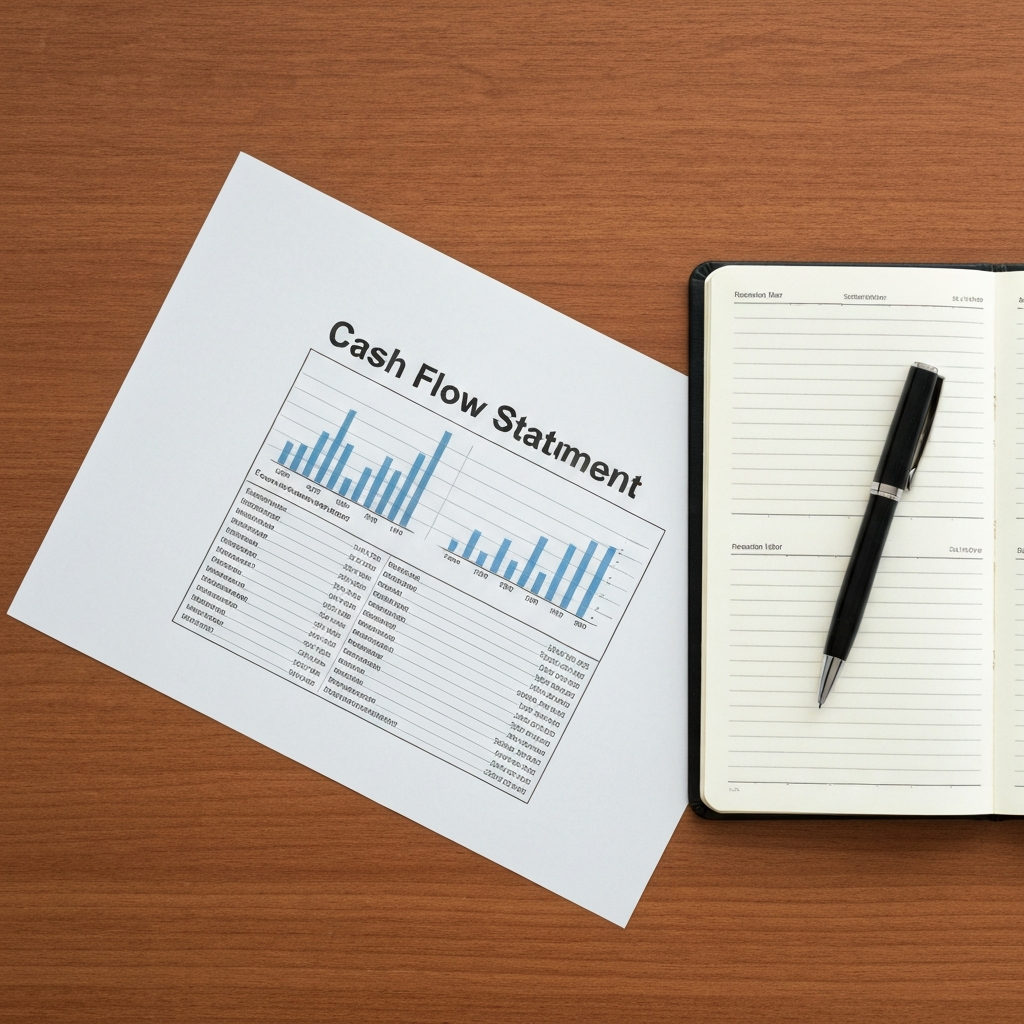
A cash flow statement tracks the movement of cash into and out of your business. It's essential for understanding your business's liquidity and ensuring that you have enough cash on hand to meet your obligations. Unlike the profit and loss statement, which focuses on profitability, the cash flow statement focuses on actual cash inflows and outflows. This includes cash from operations, investing activities, and financing activities. A well-prepared cash flow statement will help you identify potential cash flow gaps and take proactive measures to address them. For example, if you anticipate a cash shortage in a particular month, you can explore options such as delaying payments to suppliers, offering discounts to customers for early payment, or securing a short-term loan.
Step 5: Analyze and Adjust Your Budget
Once you've created your budget, it's crucial to analyze it and make necessary adjustments. Compare your projected income and expenses to your actual results on a regular basis (e.g., monthly or quarterly). Identify any variances between your budget and your actual performance and investigate the reasons behind them. Are your sales lower than expected? Are your expenses higher than anticipated? Use this information to refine your budget and improve your forecasting accuracy. Don't be afraid to make adjustments to your budget as needed. The business environment is constantly changing, and your budget should reflect those changes. A rigid budget that is never updated is likely to become irrelevant and ineffective.

Step 6: Implement Cost-Saving Measures
Identifying and implementing cost-saving measures is an ongoing process that can significantly improve your bottom line. Review all your expenses and look for opportunities to reduce costs without compromising the quality of your products or services. Negotiate with suppliers, consolidate purchases, and explore alternative vendors. Implement energy-efficient practices, reduce waste, and automate processes to improve efficiency. A common mistake is to focus solely on cutting costs without considering the impact on revenue. For example, reducing marketing expenses may save money in the short term but could lead to a decline in sales. Therefore, it's important to carefully evaluate the potential impact of any cost-saving measures on all aspects of your business.

Step 7: Monitor and Control Your Budget
Monitoring and controlling your budget is an ongoing process that requires discipline and attention to detail. Track your income and expenses regularly and compare them to your budget. Use accounting software or spreadsheets to monitor your financial performance and generate reports. Establish clear accountability for budget performance and empower your employees to take ownership of their respective budgets. Implement internal controls to prevent fraud and errors. A key aspect of budget control is to establish clear spending limits and approval processes. For example, require all purchases above a certain amount to be approved by a manager. Regularly review your financial performance with your team to identify any potential problems and take corrective action.

Pro Tips
- Be Realistic: Avoid overly optimistic projections and factor in potential risks and uncertainties.
- Be Detailed: Break down your income and expenses into specific categories for better analysis.
- Be Flexible: Be prepared to adjust your budget as needed to adapt to changing conditions.
- Seek Expert Advice: Consult with an accountant or financial advisor for guidance and support.
FAQ Section
Q: How often should I review my budget?
A: At least monthly, but ideally weekly, to catch issues early.
Q: What if my actual results are significantly different from my budget?
A: Investigate the reasons for the variance and make necessary adjustments to your budget and your business operations.
Q: Should I include a contingency fund in my budget?
A: Yes, a contingency fund can help you weather unexpected expenses or revenue shortfalls.
Tools or Materials Required
- Accounting Software (e.g., QuickBooks, Xero)
- Spreadsheet Software (e.g., Microsoft Excel, Google Sheets)
- Financial Statements (Profit and Loss, Balance Sheet, Cash Flow Statement)
- Calculator
Common Mistakes to Avoid
- Failing to accurately assess current financial position.
- Overly optimistic income projections.
- Underestimating expenses.
- Neglecting to create a cash flow statement.
- Failing to monitor and control the budget.
Safety Considerations
While budget creation itself poses minimal physical safety risks, proper data security practices are crucial. Use strong, unique passwords and enable two-factor authentication for all financial software and accounts. Back up your financial data regularly and store it securely. Be wary of phishing scams and other attempts to steal your financial information. If you're unsure about the legitimacy of an email or phone call, contact your bank or financial institution directly.
Conclusion
Bulletproofing your business budget requires a proactive, disciplined approach. By following the steps outlined in this guide, you can create a robust financial plan that will help you navigate the challenges of running a business and achieve your financial goals. Remember that budgeting is not a one-time task but an ongoing process that requires continuous monitoring, analysis, and adjustment. With careful planning and diligent execution, you can build a budget that will serve as a solid foundation for your business's success.