Taking control of your finances can feel overwhelming, but it's a journey worth undertaking. A well-crafted budget is your financial shield, protecting you from unexpected expenses and paving the way for your long-term goals. This guide will take you from financial novice to budgeting pro, equipping you with the knowledge and tools to create a budget that truly works for you.
Imagine a life free from financial stress, where you know exactly where your money is going and have a plan for the future. That's the power of a bulletproof budget. It's not about restriction; it's about empowerment. It's about making conscious choices and aligning your spending with your values.
This isn't a generic "cut-every-expense" guide. We'll delve into practical strategies, identify common pitfalls, and provide actionable steps to build a resilient budget that can withstand life's financial curveballs. Get ready to transform your relationship with money and become the financial hero you were meant to be.
Let's begin!
Step 1: Know Your Income
Calculating your income accurately is the foundation of any successful budget. This isn't just about your salary; it's about every dollar that comes into your household. Include wages, salaries, investment income, rental income, side hustles, and any other sources of revenue. For salaried employees, use your net income (after taxes and deductions) for a realistic picture of what you have available to spend. If your income fluctuates, calculate an average over the past three to six months to get a reliable figure. Be honest with yourself and resist the urge to overestimate your income; it’s far better to budget conservatively and have money left over.

Step 2: Track Your Spending
Understanding where your money is going is crucial. You can't fix what you don't know. There are several ways to track your spending: using budgeting apps, spreadsheets, or even a simple notebook. Categorize your expenses: Housing, Transportation, Food, Entertainment, Utilities, etc. Track every purchase, no matter how small. Even that daily coffee adds up! Spend at least a month meticulously tracking your spending to get an accurate baseline. Don't be surprised if you uncover spending habits you weren't even aware of. This is a judgment-free zone; it's about gathering information to make informed decisions.
Step 3: Create Your Budget Categories
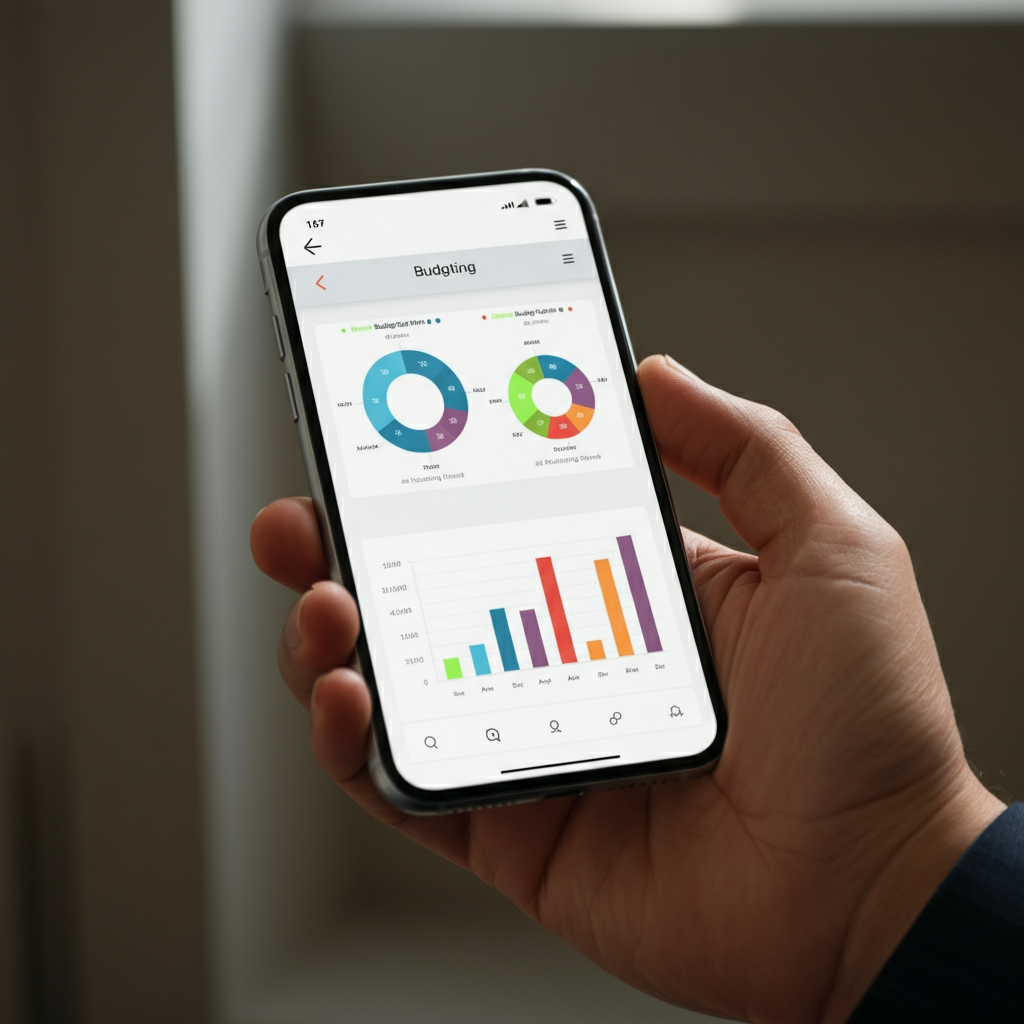
Now that you know your income and expenses, it's time to create your budget categories. These should be tailored to your individual needs and priorities. Start with the essentials: Housing (rent or mortgage), Utilities (electricity, gas, water), Food (groceries), Transportation (car payments, gas, public transport), and Healthcare. Then, add categories for discretionary spending: Entertainment, Dining Out, Hobbies, Travel. A good rule of thumb is to allocate at least 50% of your income to needs, 30% to wants, and 20% to savings and debt repayment. This is just a guideline; adjust it based on your personal circumstances and financial goals.
Step 4: Allocate Funds to Each Category
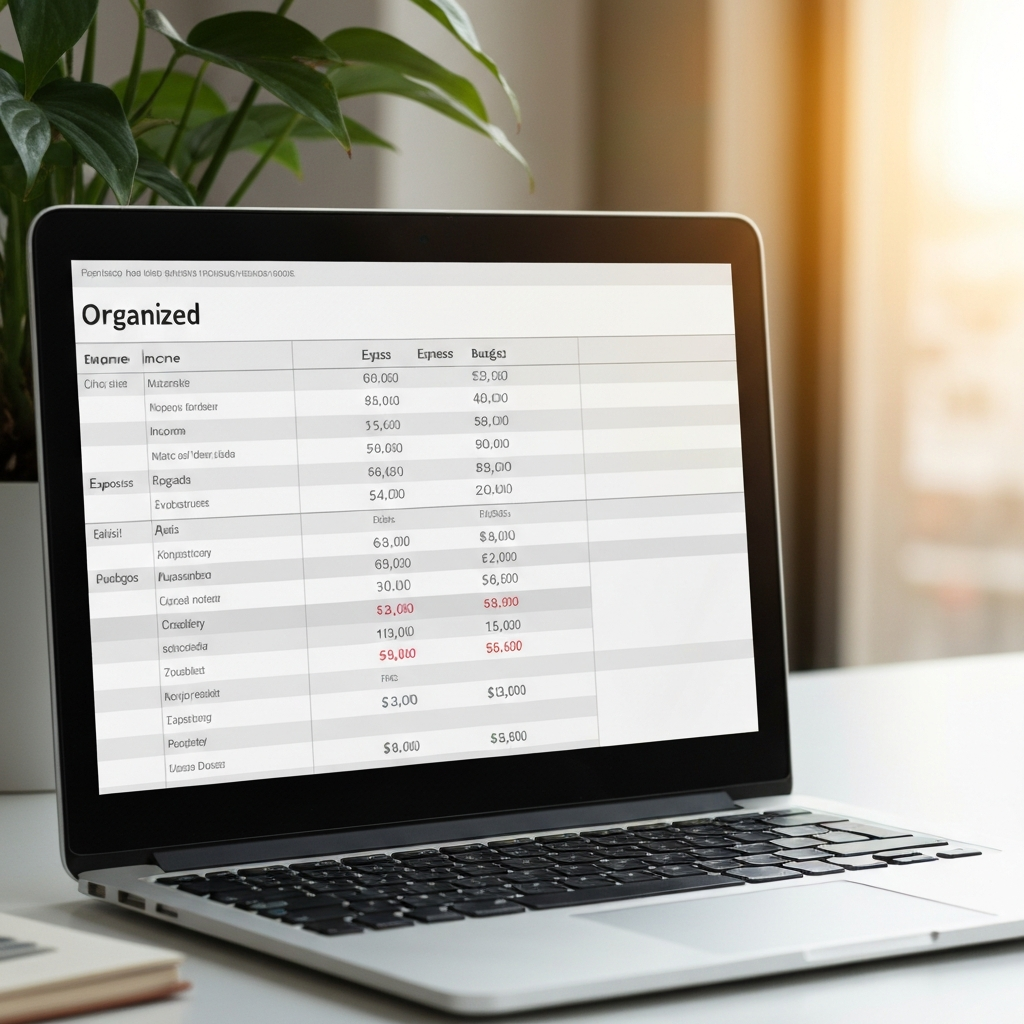
This is where the rubber meets the road. Based on your tracked spending, allocate specific dollar amounts to each budget category. Be realistic. Don't underestimate your spending in certain areas just because you want to spend less. If you consistently overspend on dining out, acknowledge it and allocate a reasonable amount. You can always try to reduce it later. Prioritize your essential needs first, then allocate funds to your wants based on your values and financial goals. Remember, your budget is a living document; it can and should be adjusted as your circumstances change.

Step 5: Review and Adjust Regularly
Your budget is not a "set it and forget it" exercise. It requires regular review and adjustments. At least once a month, compare your actual spending to your budgeted amounts. Identify any areas where you overspent or underspent. Were there any unexpected expenses? Did your income change? Use this information to refine your budget for the following month. If you consistently overspend in a particular category, either reduce your spending in that area or reallocate funds from another category. The goal is to stay within your budget and make progress towards your financial goals. A flexible budget is a successful budget.

Pro Tips
- Automate your savings: Set up automatic transfers from your checking account to your savings account each month. This makes saving effortless.
- Use cash for discretionary spending: Withdraw a set amount of cash each week for expenses like entertainment and dining out. This can help you stay within your budget.
- Negotiate your bills: Don't be afraid to call your service providers (cable, internet, insurance) and negotiate a lower rate. You might be surprised at how much you can save.
- Embrace frugal living: Look for ways to save money on everyday expenses, such as cooking at home, using coupons, and shopping around for the best deals.
Common Mistakes to Avoid
- Not tracking your spending: You can't create an effective budget without knowing where your money is going.
- Being unrealistic: Setting unrealistic budget goals can lead to frustration and failure.
- Ignoring irregular expenses: Don't forget to budget for expenses that don't occur every month, such as annual insurance premiums or holiday gifts.
- Not having an emergency fund: An emergency fund can help you avoid debt when unexpected expenses arise.
- Not reviewing your budget regularly: Your budget needs to be updated regularly to reflect changes in your income and expenses.
FAQ Section
Q: What if my expenses are higher than my income?
A: This requires immediate action. Identify areas where you can cut expenses. Consider taking on a side hustle or looking for a higher-paying job to increase your income.
Q: How much should I save each month?
A: Aim to save at least 15% of your income for retirement. In addition, build an emergency fund of 3-6 months' worth of living expenses.
Q: What if I can't stick to my budget?
A: Don't get discouraged. Review your budget and identify areas where you're struggling. Make adjustments as needed and keep trying. It takes time to develop good budgeting habits.
Q: Should I use a budgeting app or a spreadsheet?
A: The best method is the one that works for you. Budgeting apps offer convenience and automation, while spreadsheets provide more customization.
Q: How often should I review my budget?
A: Review your budget at least once a month. Some people prefer to review it weekly or even daily.
Tools or Materials Required
- Budgeting App (Mint, YNAB, Personal Capital)
- Spreadsheet Software (Microsoft Excel, Google Sheets)
- Notebook and Pen
- Calculator
Conclusion
Bulletproofing your budget is an ongoing process, not a one-time event. By diligently tracking your income and expenses, creating realistic budget categories, and regularly reviewing and adjusting your plan, you can gain control of your finances and achieve your financial goals. Remember to be patient with yourself, celebrate your successes, and learn from your mistakes. With dedication and perseverance, you can transform yourself from a financial novice to a financial hero. The journey to financial freedom starts with a single step – creating your bulletproof budget.