In our fast-paced world, precious family moments often slip through our fingers, fading into the background noise of daily life. Building a family memory bank is a powerful way to intentionally capture and preserve these fleeting joys, creating a legacy of shared experiences for generations to come. It's more than just collecting photos; it's about curating a collection of stories, feelings, and tangible reminders that represent your family's unique identity and history.
Think of your family memory bank as a treasure chest filled with the gold of your lives together. It's a resource you can draw upon to reminisce, teach, and reconnect with loved ones. From milestone celebrations to everyday adventures, each entry adds a layer of richness and meaning to your family's narrative. By actively building this repository of memories, you're not only preserving the past but also shaping the future, fostering a sense of belonging and continuity.
This guide will provide you with a step-by-step approach to creating a vibrant and meaningful family memory bank, ensuring that the moments that matter most are cherished for years to come. It's an investment in your family's history and a gift that will keep on giving.
Step 1: Choose Your Memory Bank Format
The first step is deciding on the format for your family memory bank. There are numerous options, each with its own advantages. Consider a physical scrapbook or photo album for a tangible and tactile experience. Digital options include cloud storage, dedicated memory bank software, or even a shared online journal. Hybrid approaches, combining physical and digital elements, offer the best of both worlds.
Consider the time commitment involved in each format. A detailed scrapbook requires more hands-on effort than uploading photos to a cloud service. Think about who will be contributing to the memory bank and their comfort level with different technologies. It's also crucial to consider the long-term preservation of your chosen format. Will physical albums be stored safely? Will digital files be backed up regularly? Neglecting these aspects may lead to losing your memories down the road.

Step 2: Gather Existing Materials
Before actively capturing new memories, take stock of what you already have. This includes photographs (both printed and digital), home videos, old letters, postcards, artwork, and even small keepsakes like ticket stubs or pressed flowers. Don't underestimate the power of these seemingly insignificant items to evoke strong emotions and memories.
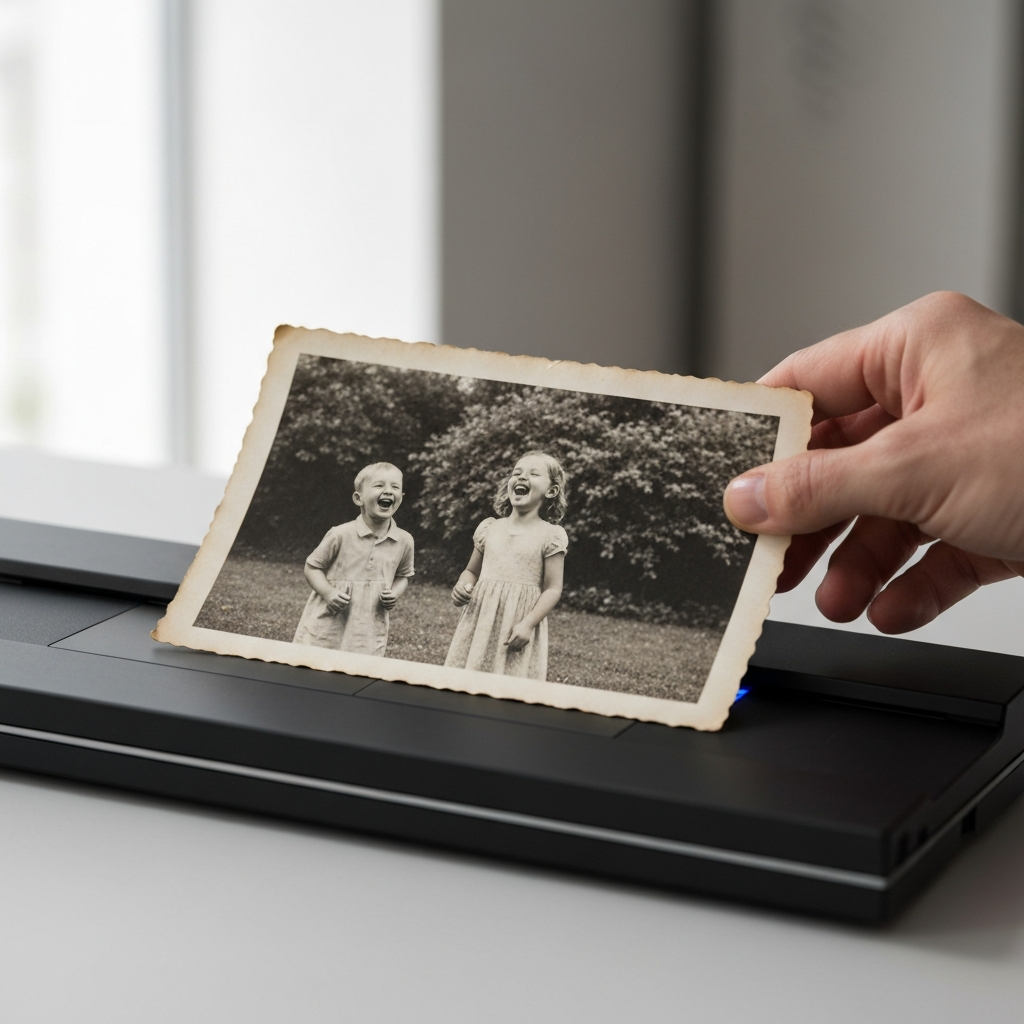
Organize your existing materials chronologically or thematically to create a foundation for your memory bank. Scan physical photographs and documents to create digital backups and make them easier to share. For videos, consider converting them to a more accessible format to prevent them from becoming obsolete. While sorting, discard duplicates or items that are no longer relevant or meaningful. However, always err on the side of caution when deciding what to keep, as even seemingly trivial items can hold sentimental value later.
Step 3: Capture New Moments Regularly
Once your foundation is established, it's time to actively capture new family moments. Make it a habit to take photos and videos of everyday activities, not just special occasions. Ask family members to share their stories and perspectives. The most meaningful memories are often found in the seemingly ordinary moments of life.
Consider using a variety of methods to capture these moments. In addition to traditional photographs and videos, record audio interviews with family members, encouraging them to share their memories and reflections. Keep a family journal where everyone can contribute their thoughts and experiences. Don't be afraid to experiment with different creative approaches, such as creating time-lapse videos or writing short stories based on family memories. Consistency is key. Set aside time each week or month to upload and organize your new materials, preventing the task from becoming overwhelming.

Step 4: Add Context and Storytelling
Raw photos and videos are valuable, but they become even more powerful when combined with context and storytelling. Add captions, descriptions, and anecdotes to your memory bank entries. Include details such as dates, locations, and the names of people in the photos. Encourage family members to contribute their own perspectives and memories of the event.
Don't be afraid to get creative with your storytelling. Write short stories, poems, or even songs inspired by family memories. Include quotes or excerpts from letters and journals. Consider adding audio recordings of family members sharing their stories. The more context you provide, the richer and more meaningful your memory bank will become. When adding stories, try to describe a time when Joie de vivre was in the moment. This way readers will remember that the focus is always on capturing the joy of life.

Step 5: Organize and Categorize Your Memory Bank
A well-organized memory bank is essential for easy access and enjoyment. Develop a system for categorizing and tagging your entries, making it simple to find specific memories. Use a consistent naming convention for your digital files. Consider using keywords or tags to identify people, places, events, and themes.
Create a logical folder structure for your digital files. For physical albums, use dividers or labels to separate different sections. Consider using a database or spreadsheet to track your memory bank entries, including details such as dates, locations, and keywords. Regularly review and update your organization system to ensure it remains effective as your memory bank grows. A haphazard approach will lead to frustration and difficulty finding specific memories.

Step 6: Share and Celebrate Your Memories
A family memory bank is meant to be shared and enjoyed. Regularly share entries with family members, sparking conversations and reminiscing. Create slideshows or video montages to showcase your memories at family gatherings. Encourage family members to contribute their own memories and perspectives.
Consider creating a family website or blog to share your memory bank with a wider audience. Print out photos and create physical albums to give as gifts. The act of sharing memories strengthens family bonds and creates a sense of connection across generations. Don't keep your memory bank locked away; let it be a source of joy and inspiration for your family.

Tools or Materials Required
- Digital Camera or Smartphone
- Computer or Tablet
- Cloud Storage or External Hard Drive
- Scrapbook or Photo Album
- Scanning Software
- Photo Editing Software (optional)
- Archival-Quality Paper and Pens
Common Mistakes to Avoid
- Procrastinating and putting off the task
- Failing to back up digital files
- Not adding enough context and storytelling
- Keeping the memory bank private and not sharing it
- Becoming overwhelmed by the amount of material
Pro Tips
- Involve all family members in the process.
- Set realistic goals and celebrate small victories.
- Don't strive for perfection; focus on capturing the essence of the moment.
- Regularly review and update your memory bank.
- Make it a fun and enjoyable experience.
FAQ Section
- How often should I add new entries to my memory bank?
- Aim for consistency, such as weekly or monthly additions. Even small contributions will add up over time.
- What if I don't have a lot of photos or videos?
- Focus on capturing new moments and gathering stories from family members. Memories are more than just visuals.
- How do I protect my digital files from loss or corruption?
- Back up your files regularly to multiple locations, such as cloud storage and an external hard drive.
- What if I'm not a creative writer or storyteller?
- Simply describe the events and emotions as best you can. Even simple captions can add valuable context.
Building a family memory bank is an ongoing journey, a labor of love that yields immeasurable rewards. By capturing the moments that matter most, you're creating a lasting legacy for your family, a treasure trove of memories to be cherished for generations to come. Embrace the process, involve your loved ones, and enjoy the journey of preserving your family's unique story. Your memories are worth saving.