Creating a space where your family can connect, play, and make memories is a goal for many. A "Family Fortress of Fun" doesn't require a massive budget or extravagant renovations. It's about intentionally designing areas within your home and yard that encourage interaction, creativity, and good old-fashioned fun. This guide will walk you through practical steps to transform your space into a family hub, maximizing enjoyment while minimizing expense.
The key is to think creatively and utilize existing resources. Don't focus on perfection; focus on connection. Repurposing items, embracing DIY projects, and prioritizing activities that foster togetherness are the cornerstones of a successful family fortress. Ready to get started? Let's transform your house into a haven of happiness!
Remember, the most important ingredient is enthusiasm! Your willingness to participate and encourage your family will be contagious, making the process of building your fortress just as enjoyable as the end result.
Step 1: The Great Family Brainstorm
Identify Shared Interests & Dreams
Before you start moving furniture or buying supplies, gather your family for a brainstorming session. Ask everyone what activities they enjoy, what spaces they dream of having, and what would make your home more fun. This is crucial for ensuring everyone feels invested in the project and that the resulting fortress caters to diverse interests. Consider ages, abilities, and individual passions. Someone might suggest a reading nook, another a space for board games, and yet another a backyard obstacle course. Write everything down!

Step 2: Zone In on Your Zones
Divide and Conquer the Space
Based on your brainstorming session, identify potential zones within your home and yard. Consider both indoor and outdoor spaces, and don't be afraid to think creatively about repurposing existing areas. A spare bedroom could become a game room, a corner of the living room could be transformed into a reading nook, or a section of the backyard could be designated for outdoor games and activities. Think vertically - can you use wall space for storage or climbing features? Consider flow and transitions between zones.

Step 3: The Budget-Friendly Inventory
Assess, Repurpose, and Prioritize
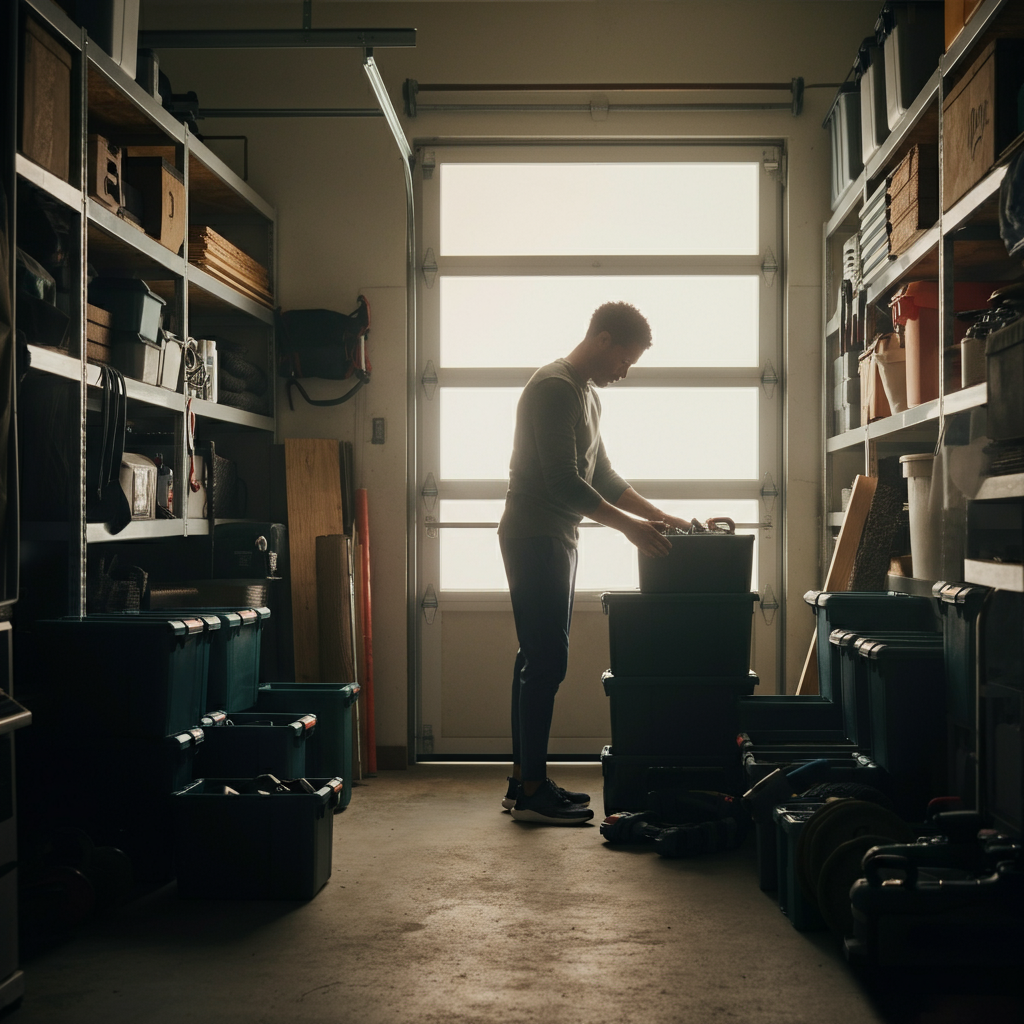
Now, take stock of what you already have. Look around your home and yard for items that can be repurposed or upcycled. An old bookcase can become a display shelf for board games, old tires can be used to create a backyard obstacle course, and leftover paint can be used to create a mural. Repurposing saves money and adds character to your family fortress. Create a prioritized list of items you need to purchase, focusing on essentials that will have the biggest impact. Consider borrowing or renting items instead of buying them outright.
Step 4: Let the DIY Magic Begin!
Embrace Simple Projects for Big Impact
DIY projects are a fantastic way to personalize your family fortress and save money. Building a simple reading nook, creating a backyard obstacle course, or painting a mural are all achievable DIY projects that can have a significant impact. There are countless tutorials available online for projects of all skill levels. Don't be afraid to experiment and get creative! Involve your family in the process to make it a collaborative and memorable experience.

Step 5: Game On! The Fortress is Open
Prioritize Activities and Experiences
Once your spaces are set up, focus on planning activities and experiences that will bring your family together. This could include board game nights, movie marathons, backyard campouts, or creative art projects. The key is to prioritize activities that foster connection and create lasting memories. Establish regular routines and traditions that will make your family fortress a cherished part of your lives. Even simple things like reading aloud together or having a weekly pizza night can strengthen bonds and create a sense of belonging.

Tools or Materials Required
Depending on the projects you choose, you may need the following tools and materials:
- Paint and painting supplies
- Basic hand tools (hammer, screwdriver, saw)
- Power tools (drill, sander - optional)
- Wood, fabric, and other craft supplies
- Storage containers
- Outdoor play equipment (balls, frisbees, jump ropes)
- Board games, books, and art supplies
Common Mistakes to Avoid
- Not involving the entire family in the planning process.
- Overspending on unnecessary items.
- Trying to achieve perfection instead of focusing on fun.
- Neglecting to prioritize activities and experiences.
- Forgetting to adapt and adjust as your family's needs and interests change.
Safety Considerations
- Ensure all DIY projects are completed safely, following proper instructions and using appropriate safety equipment.
- Supervise children during activities and ensure they are using equipment safely.
- Inspect outdoor play areas regularly for hazards.
- Store art supplies and cleaning products out of reach of children.
FAQ Section
Q: How do I get started if I'm feeling overwhelmed?
A: Start small! Choose one area to focus on and break the project down into manageable steps.
Q: How can I keep my family fortress organized?
A: Invest in storage containers and establish regular routines for tidying up.
Q: What if my family members have different interests?
A: Try to incorporate a variety of activities and spaces that cater to diverse interests. Compromise and be flexible!
Building a Family Fortress of Fun is an ongoing process, not a one-time project. By focusing on connection, creativity, and intentional design, you can create a space where your family can thrive and make lasting memories. Remember, the most important ingredient is your love and enthusiasm! So, gather your family, roll up your sleeves, and get ready to transform your home into a haven of happiness.