Feeling constantly drained? In today's fast-paced world, fatigue has become a common complaint. But what if you could unlock a reservoir of sustained energy, allowing you to perform at your peak throughout the day? Biohacking offers a range of strategies to optimize your body's natural processes and tap into a new level of vitality.
This comprehensive guide explores proven biohacking techniques that address the root causes of energy depletion. We’ll delve into the science-backed methods you can implement today to boost your energy levels, improve mental clarity, and enhance overall well-being. From optimizing your sleep and nutrition to leveraging cutting-edge technologies, prepare to embark on a journey towards boundless energy.
Remember, biohacking is a personal journey. What works for one person might not work for another. Listen to your body, track your results, and adjust your approach accordingly. Consistency and patience are key to unlocking the full potential of these techniques.
Step 1: Prioritize Sleep Optimization
Chronic sleep deprivation is a major energy drain. Many underestimate the profound impact of quality sleep on cellular repair, hormone regulation, and cognitive function. Aim for 7-9 hours of uninterrupted sleep each night. Optimizing your sleep environment and adopting healthy sleep habits are crucial.

Practical Details:
- **Create a Sleep Sanctuary:** Ensure your bedroom is dark, quiet, and cool. Use blackout curtains, earplugs, or a white noise machine.
- **Establish a Consistent Sleep Schedule:** Go to bed and wake up at the same time each day, even on weekends, to regulate your body's natural circadian rhythm.
- **Limit Screen Time Before Bed:** The blue light emitted from electronic devices can interfere with melatonin production, making it harder to fall asleep. Aim to put away screens at least an hour before bedtime.
- **Optimize Room Temperature:** The ideal sleep temperature is between 60-67 degrees Fahrenheit (15-19 degrees Celsius).
Potential Mistakes:
- **Ignoring Light Exposure:** Inconsistent exposure to sunlight during the day can disrupt your circadian rhythm. Aim for at least 30 minutes of sunlight exposure in the morning.
- **Consuming Caffeine or Alcohol Before Bed:** These substances can interfere with sleep quality and duration. Avoid them for at least 4-6 hours before bedtime.

Step 2: Optimize Your Nutrition for Sustained Energy
Food is fuel. What you eat directly impacts your energy levels throughout the day. Focus on a balanced diet rich in whole, unprocessed foods that provide sustained energy and essential nutrients. Avoid processed foods, sugary drinks, and excessive caffeine, which can lead to energy crashes.
Practical Details:
- **Prioritize Whole, Unprocessed Foods:** Focus on fruits, vegetables, lean protein, and healthy fats.
- **Balance Macronutrients:** Ensure you're getting enough protein, carbohydrates, and healthy fats. A good starting point is a ratio of 40% carbohydrates, 30% protein, and 30% fats. Adjust based on your individual needs and activity level.
- **Stay Hydrated:** Dehydration can lead to fatigue and decreased cognitive function. Aim to drink at least half your body weight in ounces of water each day.
- **Consider Nutrient Deficiencies:** Common nutrient deficiencies that can contribute to fatigue include iron, vitamin D, and vitamin B12. Consider getting your levels tested and supplementing accordingly. Always consult with a healthcare professional before starting any new supplements.
Common Mistakes to Avoid:
- **Skipping Meals:** Skipping meals can lead to blood sugar crashes and decreased energy levels.
- **Relying on Processed Foods:** Processed foods are often high in sugar, unhealthy fats, and artificial ingredients, which can contribute to inflammation and fatigue.

Step 3: Implement Strategic Exercise and Movement
Regular physical activity is essential for maintaining energy levels. Exercise improves cardiovascular health, increases oxygen flow to the brain, and boosts mood. However, overtraining can lead to fatigue and burnout. Find a balance that works for you and listen to your body.
Practical Details:
- **Incorporate a Mix of Cardio and Strength Training:** Cardio improves cardiovascular health, while strength training builds muscle mass and boosts metabolism.
- **Aim for at Least 150 Minutes of Moderate-Intensity Exercise Per Week:** This could include brisk walking, jogging, swimming, or cycling.
- **Listen to Your Body:** Don't push yourself too hard, especially when you're feeling tired. Rest and recovery are just as important as exercise.
- **Consider Active Recovery:** Activities like yoga, stretching, and massage can help reduce muscle soreness and improve recovery.

Step 4: Manage Stress and Cultivate Mindfulness
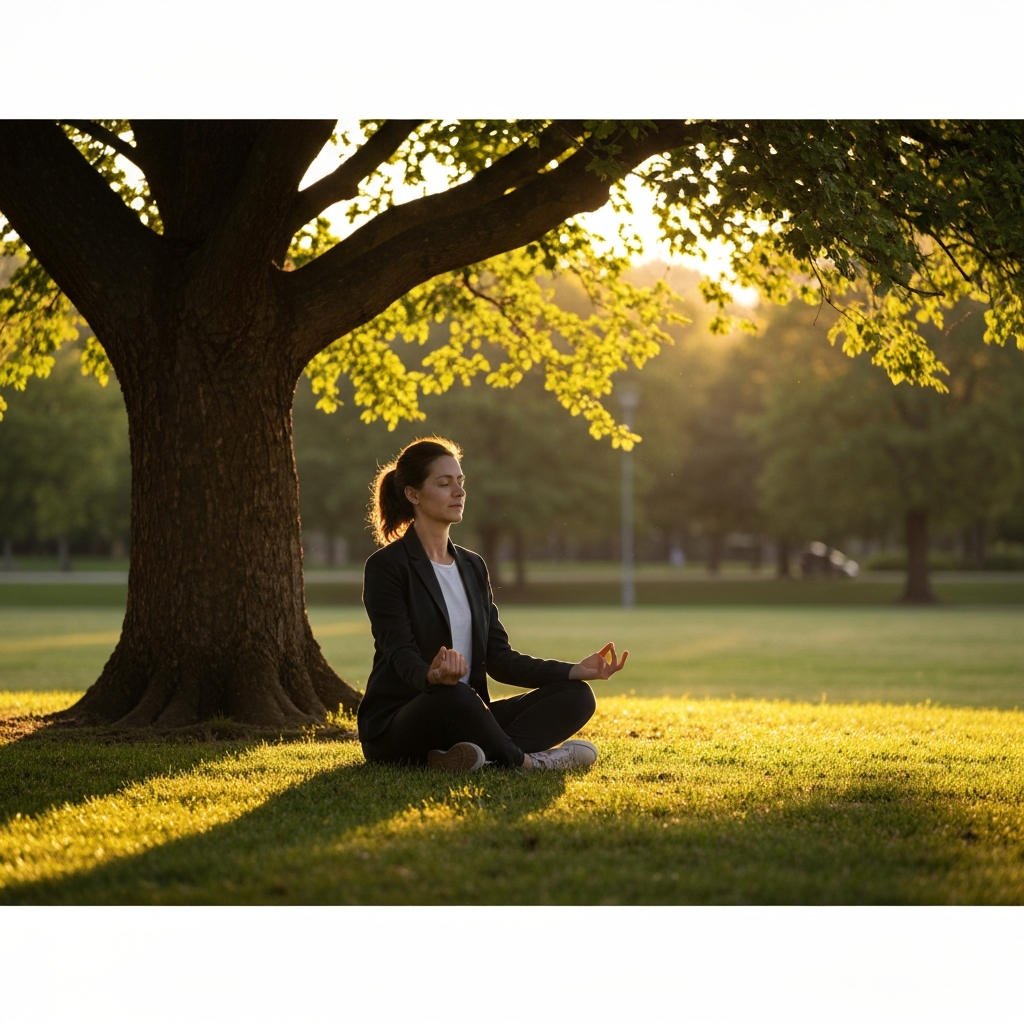
Chronic stress can deplete your energy reserves and negatively impact your health. Learning to manage stress is crucial for maintaining optimal energy levels. Mindfulness practices, such as meditation and deep breathing exercises, can help reduce stress and improve focus.
Practical Details:
- **Practice Mindfulness Meditation:** Even just a few minutes of daily meditation can help reduce stress and improve focus.
- **Engage in Deep Breathing Exercises:** Deep breathing exercises can help calm the nervous system and reduce feelings of anxiety.
- **Spend Time in Nature:** Studies have shown that spending time in nature can reduce stress and improve mood.
- **Practice Gratitude:** Focusing on the positive aspects of your life can help reduce stress and improve overall well-being.
Safety Considerations:
- If you are struggling with chronic stress or anxiety, seek professional help from a therapist or counselor.
Step 5: Optimize Your Environment
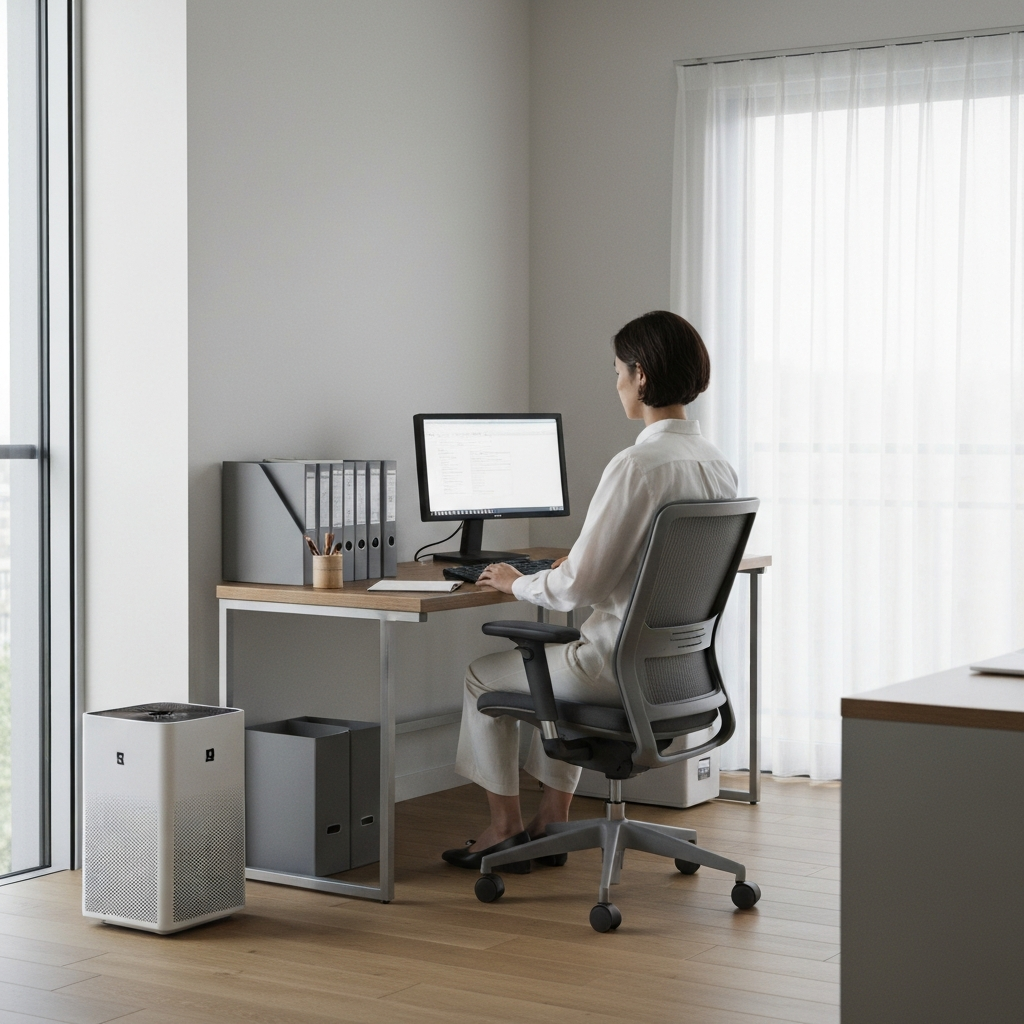
Your environment significantly influences your energy levels. Factors like air quality, lighting, and noise levels can all impact your well-being. Creating a supportive environment can significantly boost your energy.
Practical Details:
- **Improve Air Quality:** Use an air purifier to remove pollutants and allergens from your home. Ensure adequate ventilation.
- **Optimize Lighting:** Natural light is best. If natural light is limited, use full-spectrum light bulbs to mimic natural daylight. Avoid harsh fluorescent lighting.
- **Reduce Noise Levels:** Minimize distractions by using noise-canceling headphones or earplugs. Create a quiet workspace.
- **Ergonomics:** Ensure your workspace is ergonomically sound to prevent physical strain and fatigue.
FAQ Section
- **Q: How long does it take to see results from biohacking for energy?** A: Results vary depending on individual factors, but you may start noticing improvements in energy levels within a few weeks of consistently implementing these techniques.
- **Q: Are there any risks associated with biohacking for energy?** A: Most biohacking techniques are generally safe, but it's important to consult with a healthcare professional before making any significant changes to your diet, exercise routine, or supplement regimen.
- **Q: What are some other advanced biohacking techniques for energy?** A: Advanced techniques include red light therapy, cold exposure (cold showers or ice baths), and nootropics. These should be approached with caution and under the guidance of a healthcare professional.
Conclusion
Biohacking your way to boundless energy is a journey of self-discovery and optimization. By prioritizing sleep, nutrition, exercise, stress management, and environmental factors, you can unlock a new level of vitality and well-being. Remember to listen to your body, track your results, and adjust your approach accordingly. With consistent effort and a personalized strategy, you can achieve sustained energy and thrive in all aspects of your life.