So, you're starting to realize that being a "kid" isn't going to last forever. The world of adulthood might seem like a distant planet filled with taxes and responsibilities, but it's closer than you think. This guide isn't about becoming a fully-fledged adult overnight. Instead, it's about taking small, manageable steps towards greater independence and self-sufficiency. Think of it as leveling up your life skills.
This isn't about memorizing rules or following a strict formula. It's about developing a mindset – a way of approaching challenges, making informed decisions, and understanding your own needs and values. Being an adult, even a "youth adult," is about taking ownership of your life and shaping your future. It's a journey, not a destination.
We'll break down some key areas, from managing your time and money to navigating relationships and understanding your emotions. It’s about building a solid foundation for a happy, healthy, and fulfilling life – one that you've actively created for yourself. Get ready to unlock some serious life skills!
Step 1: Mastering Time Management
Time management isn't just for executives and busy parents; it's a crucial skill for everyone, especially young people juggling school, extracurriculars, social life, and maybe even a part-time job. The key is not to cram more into your day, but to be more intentional about how you use your time. Start by identifying your priorities – what's truly important to you? Is it getting good grades, pursuing a hobby, spending time with friends, or simply getting enough sleep? Once you know your priorities, you can start allocating your time accordingly.

Step 2: Budgeting Basics for Beginners
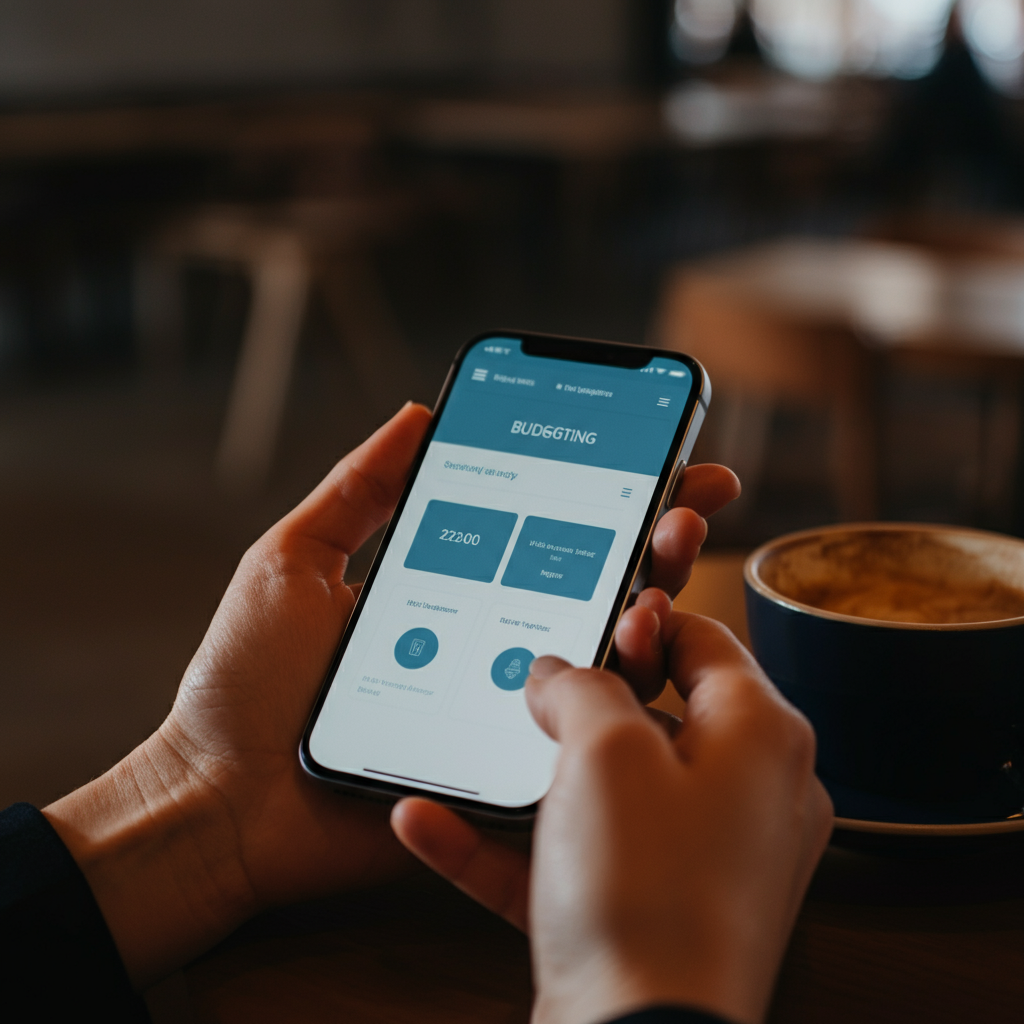
Money management can seem daunting, but it's a fundamental life skill that will benefit you immensely. Start with the basics: track your income and expenses. Even if you don't have a formal income, track any money you receive – allowances, gifts, earnings from odd jobs. Then, track where that money goes. Are you spending most of it on snacks, entertainment, or clothing? There are many free budgeting apps that can help you with this process. The goal is to understand your spending habits and identify areas where you can save. Even small savings can add up over time!
Step 3: Building Strong Relationships
Relationships are the cornerstone of a fulfilling life, but they require effort and communication. Whether it's family, friends, or romantic partners, nurture your relationships by being present, honest, and respectful. Active listening is key – truly hear what the other person is saying, rather than just waiting for your turn to speak. Learn to communicate your needs and boundaries assertively, but also be willing to compromise. Healthy relationships are built on mutual respect and understanding.

Step 4: Understanding and Managing Emotions
Emotions are a natural part of being human, but learning to understand and manage them effectively is crucial for emotional well-being. Pay attention to your feelings and identify what triggers them. Are you feeling anxious, angry, or sad? Instead of suppressing your emotions, try to acknowledge them and explore the underlying causes. Techniques like deep breathing, mindfulness, and journaling can help you regulate your emotions and develop coping mechanisms for stressful situations. If you're struggling with persistent emotional difficulties, don't hesitate to seek help from a trusted adult or mental health professional.

Step 5: Taking Responsibility for Your Health
Your health is your most valuable asset, so prioritize it. This includes physical health, mental health, and emotional well-being. Make sure you're getting enough sleep, eating a balanced diet, and engaging in regular physical activity. Avoid unhealthy habits like smoking, excessive alcohol consumption, and drug use. Prioritize your mental health by practicing self-care, managing stress, and seeking help when needed. Remember, taking care of yourself is not selfish; it's essential for your overall well-being.

Tools or Materials Required
- Planner (physical or digital)
- Budgeting app or spreadsheet
- Journal or notebook
- Comfortable shoes for physical activity
Common Mistakes to Avoid
- Procrastinating and leaving tasks to the last minute
- Overspending and accumulating debt
- Ignoring your emotions and suppressing feelings
- Neglecting your physical and mental health
- Failing to ask for help when you need it
FAQ Section
Q: I feel overwhelmed. Where do I start?
A: Start small! Choose one area to focus on, like time management or budgeting. Break down the tasks into smaller, manageable steps. Celebrate your progress along the way.
Q: What if I make mistakes?
A: Mistakes are a natural part of learning. Don't be afraid to fail. Learn from your mistakes and move on.
Q: Who can I talk to for help?
A: Reach out to trusted adults like parents, teachers, counselors, or mentors. They can provide guidance, support, and encouragement.
Safety Considerations
When practicing independence, it's essential to prioritize your safety. Be aware of your surroundings and avoid risky situations. Trust your instincts and don't be afraid to say no if you feel uncomfortable. If you're going out alone, let someone know your plans and expected return time. In the digital world, protect your privacy by being mindful of what you share online and using strong passwords. Report any suspicious activity or online harassment to the appropriate authorities.
Pro Tips
- Start a "win" journal to track your accomplishments, big and small. This builds confidence and reinforces positive habits.
- Set realistic goals. Avoid setting yourself up for failure by aiming too high too soon.
- Find a mentor or role model who can offer guidance and support.
- Practice self-compassion. Be kind to yourself, especially when you make mistakes.
Conclusion
Learning to "adult" is a continuous process of growth and self-discovery. There's no magic formula or finish line. By mastering time management, budgeting wisely, building strong relationships, understanding your emotions, and prioritizing your health, you'll be well on your way to becoming a responsible, independent, and fulfilled individual. Remember to be patient with yourself, celebrate your progress, and never stop learning. The future is yours to create!