Hecate, the ancient Greek goddess of magic, witchcraft, crossroads, and the night, is a figure shrouded in mystery and power. Her symbols are not mere decorations; they are keys to understanding her multifaceted nature and the potent forces she embodies. Delving into these symbols offers a pathway to connect with her energy and tap into her wisdom. This guide serves as a comprehensive exploration of the most prominent Hecate symbols, unveiling their meanings and significance.
From the ever-present torch illuminating the darkness to the loyal black dog guarding the edges of the underworld, each symbol offers a unique glimpse into Hecate's dominion. Understanding these visual representations can enrich your spiritual practice and provide deeper insights into the goddess's influence on transitions, boundaries, and the hidden realms. Whether you are a seasoned practitioner or just beginning your journey with Hecate, this guide will illuminate the path.
This exploration encompasses not just the widely recognized symbols, but also some of the lesser-known yet equally significant representations of Hecate. Through detailed explanations and historical context, this guide will equip you with a thorough understanding of Hecate's symbolic language.
Step 1: The Torch: Illuminating the Path
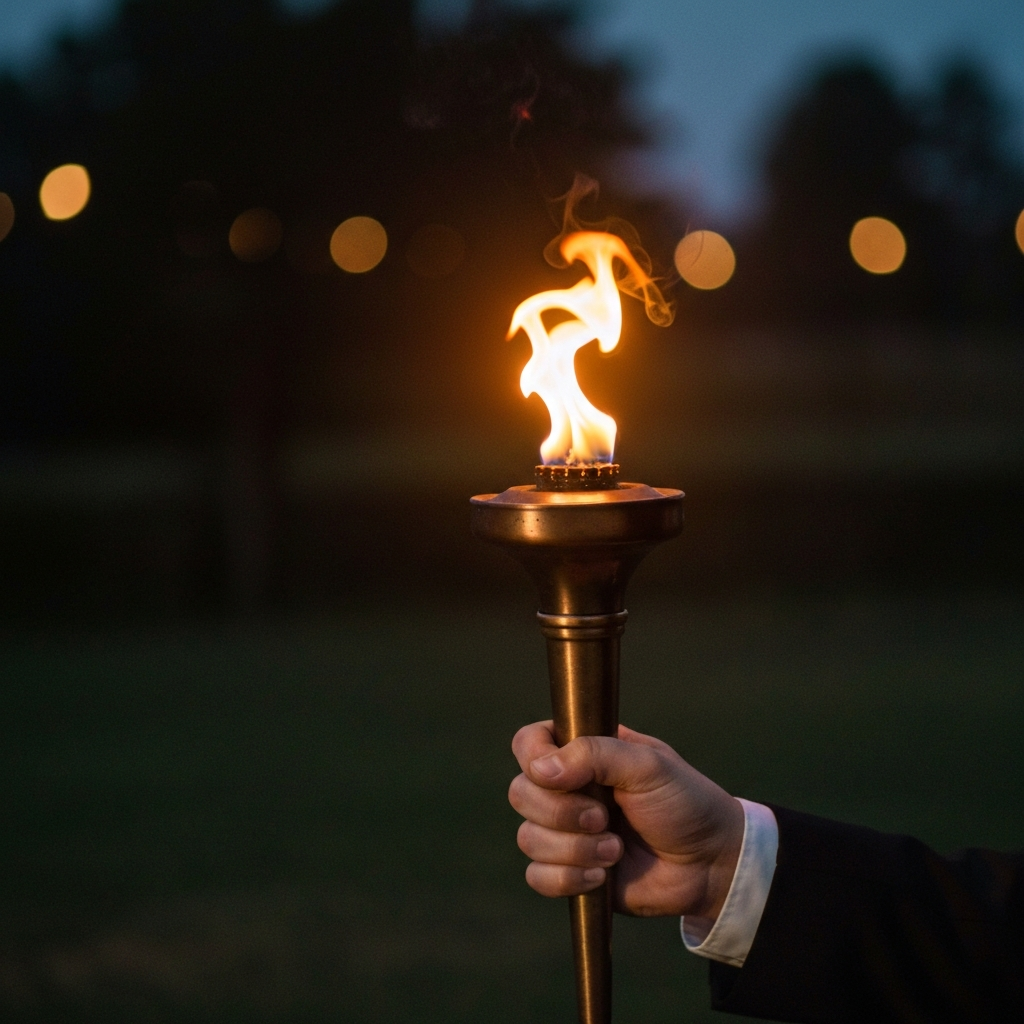
The torch is arguably Hecate's most recognizable and prominent symbol. It represents her role as a guide through darkness, uncertainty, and transformative periods in life. Think of the torch as not just providing light, but also revealing hidden truths and illuminating the path forward. In ancient depictions, Hecate is frequently portrayed carrying one or two lit torches, signifying her ability to lead souls, protect against malevolent forces, and unveil secrets. The torch is a beacon, offering hope and direction when navigating challenging life transitions. The "Light Bringer" aspect also highlights her capacity to illuminate both literal and figurative paths, revealing knowledge and upcoming transformations.
Step 2: The Wheel: Navigating Life's Transitions
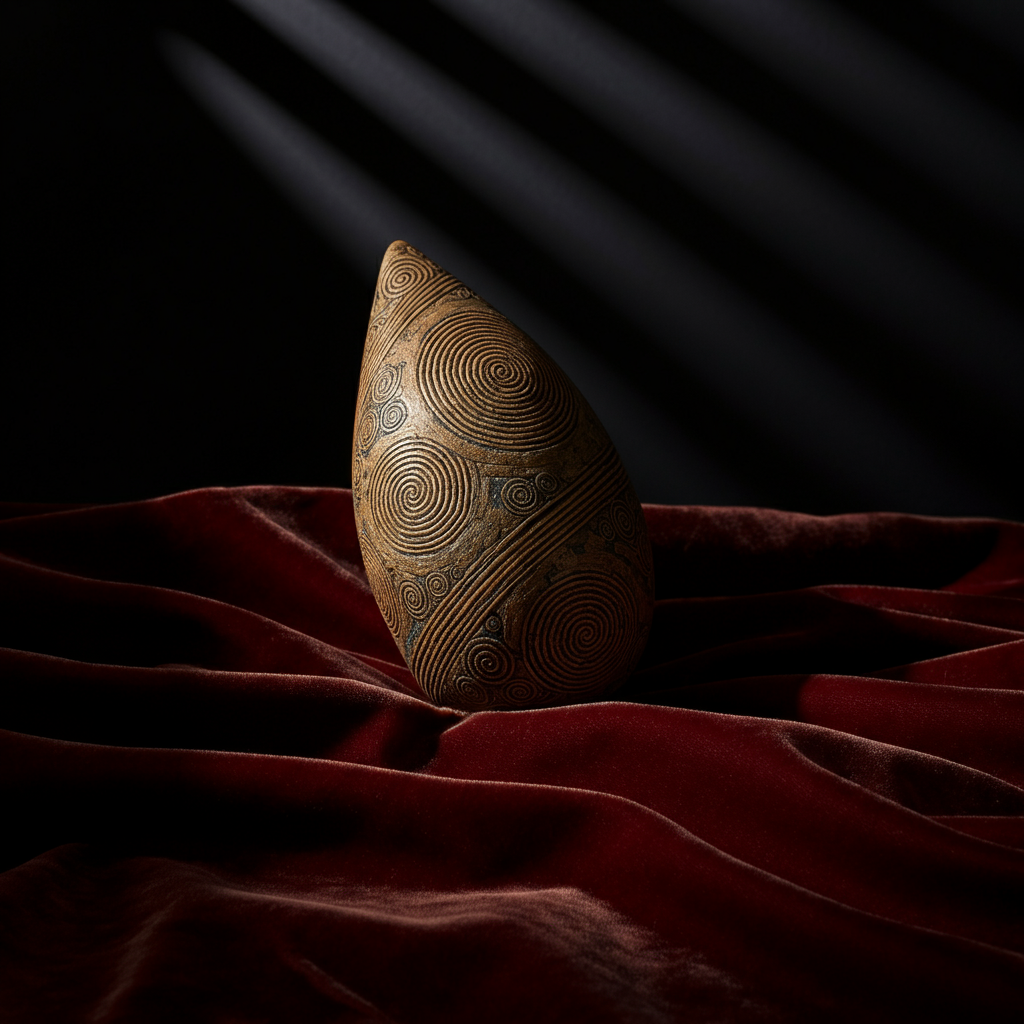
As the goddess of changes and transitions, Hecate is strongly associated with the symbol of the wheel. This symbol often represents a strophalos or iynx, an ancient spinning device used to invoke the goddess and bring her powers down to earth. The wheel embodies the cyclical nature of life, the constant flow of change, and the multitude of paths one can take. Consider the wheel as a reminder that life is a journey with many turns and possibilities. Hecate guides individuals through these changes, providing support and wisdom during periods of transformation. It serves as a reminder that while change can be daunting, it also offers opportunities for growth and new beginnings.
Step 3: The Triple Moon: Maiden, Mother, and Crone
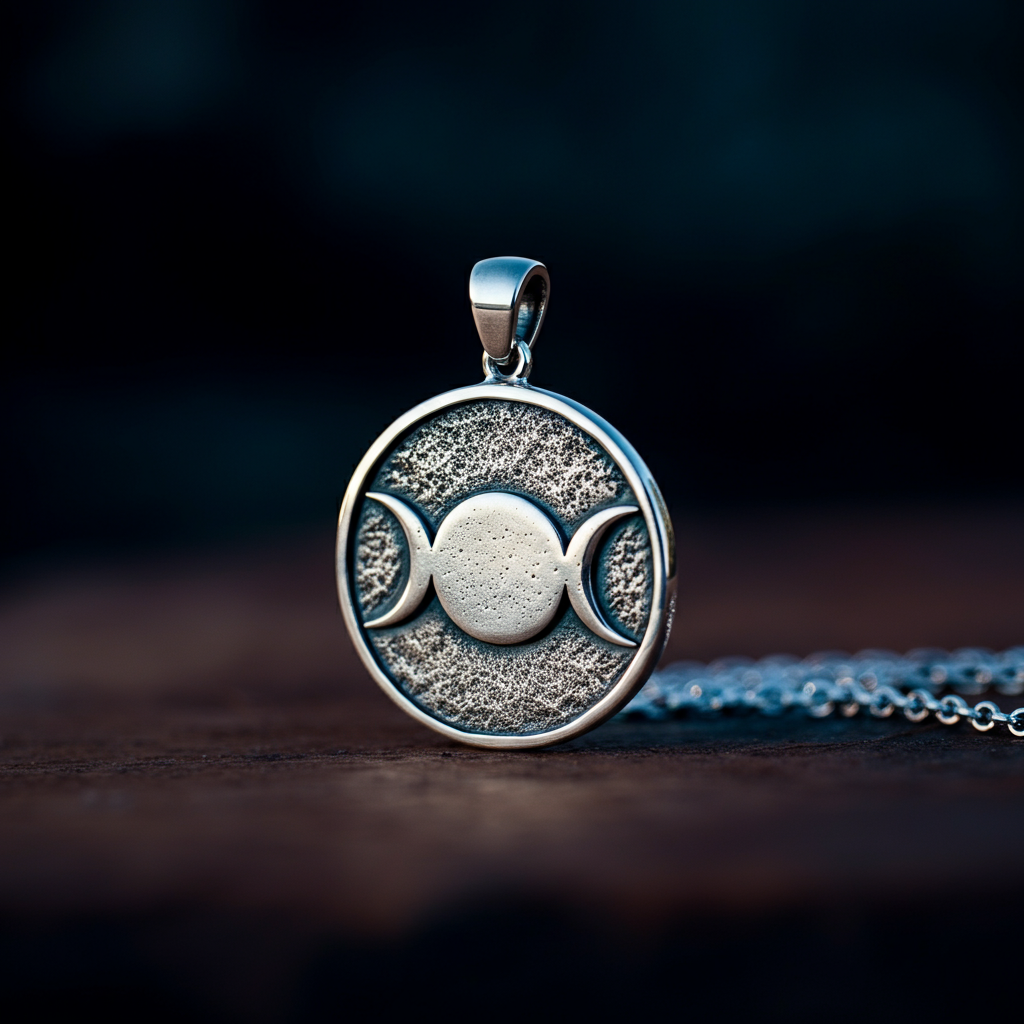
The Triple Moon symbol, consisting of a full moon in the center flanked by two crescent moons facing outwards, is deeply connected to Hecate due to her association with the moon and her role as a Triple Goddess. This symbol represents the Maiden, Mother, and Crone aspects of womanhood, reflecting the different stages of life and the wisdom gained throughout. Hecate's triple form symbolizes the past, present, and future, signifying her ability to move between worlds and times. The Triple Moon underscores Hecate's multifaceted nature and her dominion over different phases of existence. This symbol resonates with the cyclical nature of life, death, and rebirth, highlighting Hecate's powerful connection to these profound processes.
Step 4: Crossroads, Doors, and Keys: Guardians of Liminal Spaces
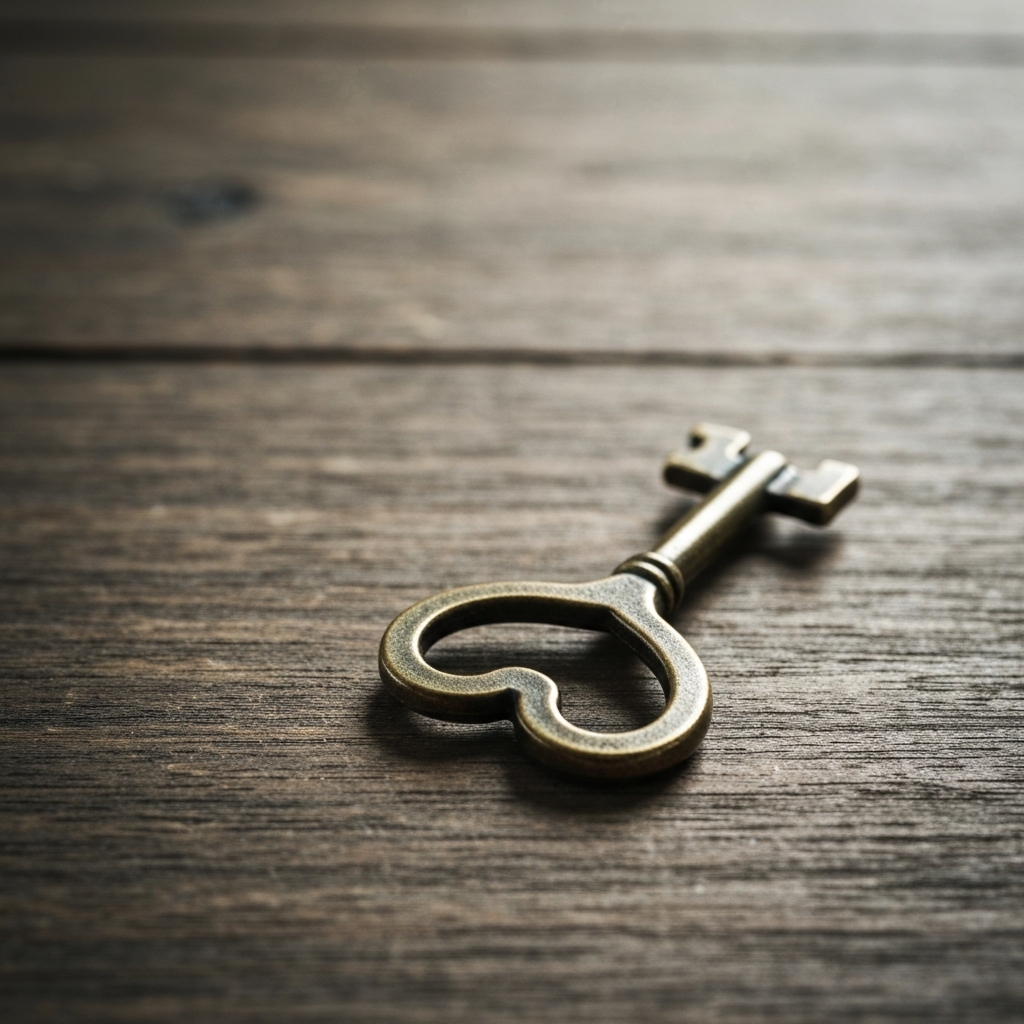
Crossroads are a central symbol of Hecate, signifying moments of choice, decision-making, and transitions. As the guardian of crossroads, transitions, and liminal spaces (boundaries between worlds), Hecate guides individuals through these pivotal moments. Doors and keys are closely related symbols. Doors symbolize Hecate's role as a guardian of thresholds and important decisions, while keys represent her ability to open what is hidden or locked away. She holds the power to grant access to spiritual realms, safeguard knowledge, and influence critical transitions. These symbols highlight her capacity to control pathways, both literal and metaphorical, and to guide individuals through periods of uncertainty.
Step 5: The Black Dog: A Loyal Companion
The black dog is Hecate's closest animal familiar and a significant symbol of her power. Often depicted alongside the goddess, the black dog represents guardianship, protection, and connection to the underworld. In some myths, the black dog is associated with Hecuba, Queen of Troy, transformed by Hecate. Dogs, in general, are considered guardians of edges and the underworld, making them fitting companions for Hecate. All black dogs are thought to connect to Hecate's energies and powers. The animal embodies loyalty, vigilance, and the ability to navigate the unseen realms, mirroring Hecate's own attributes.

Step 6: Rope: Binding Fates and Connections
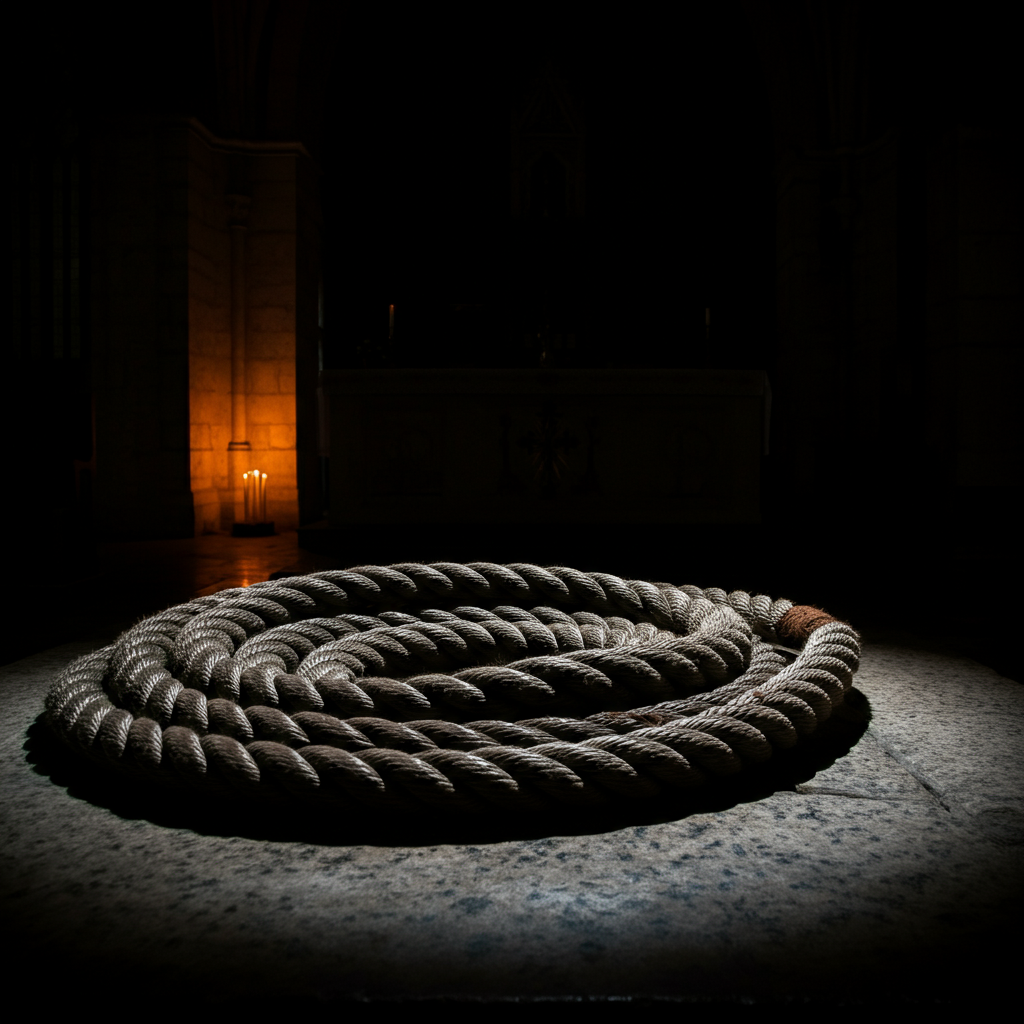
Ropes and cords, though less commonly known, are also significant symbols of Hecate. These represent her ability to bind fates, make connections between life, death, and rebirth, and mark her passage between worlds. Consider the rope as a tangible representation of the threads that connect all things, and Hecate's power to manipulate these connections. In ancient depictions, Hecate is sometimes shown wearing or carrying ropes, symbolizing her influence over destiny and her ability to traverse the mortal realm and the Underworld.
Step 7: Daggers: Dominion Over Death and Witchcraft
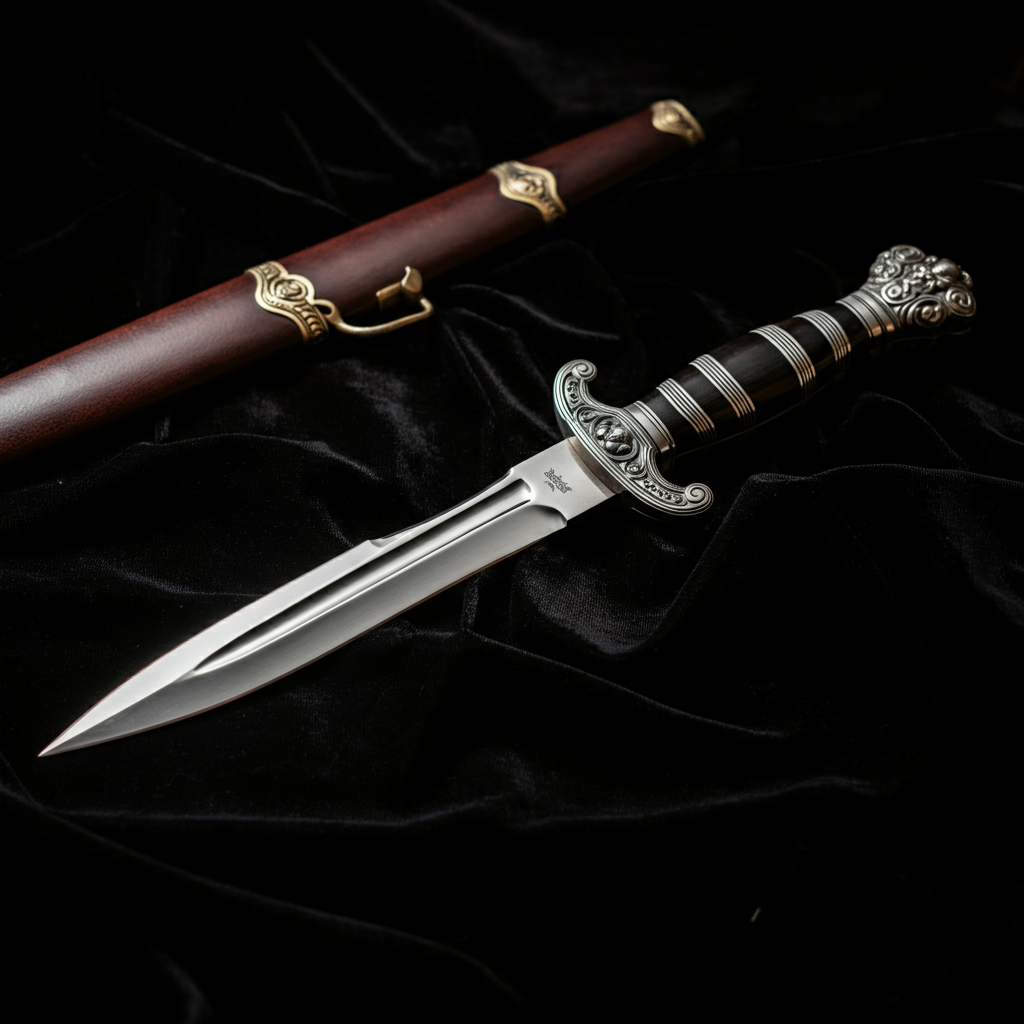
Daggers represent Hecate’s dominion over death and the afterlife, as well as her association with witchcraft and the severing of relational ties. The dagger can also symbolize the tools used in witchcraft, such as cutting herbs or controlling spirits. The dagger, while potentially intimidating, also represents precision, discernment, and the ability to cut away what is no longer needed. When depicted as a Triple Goddess, one of Hecate's forms often holds a knife, symbolizing her power and control.
Step 8: Oak Trees: Wisdom, Protection, and Spiritualism
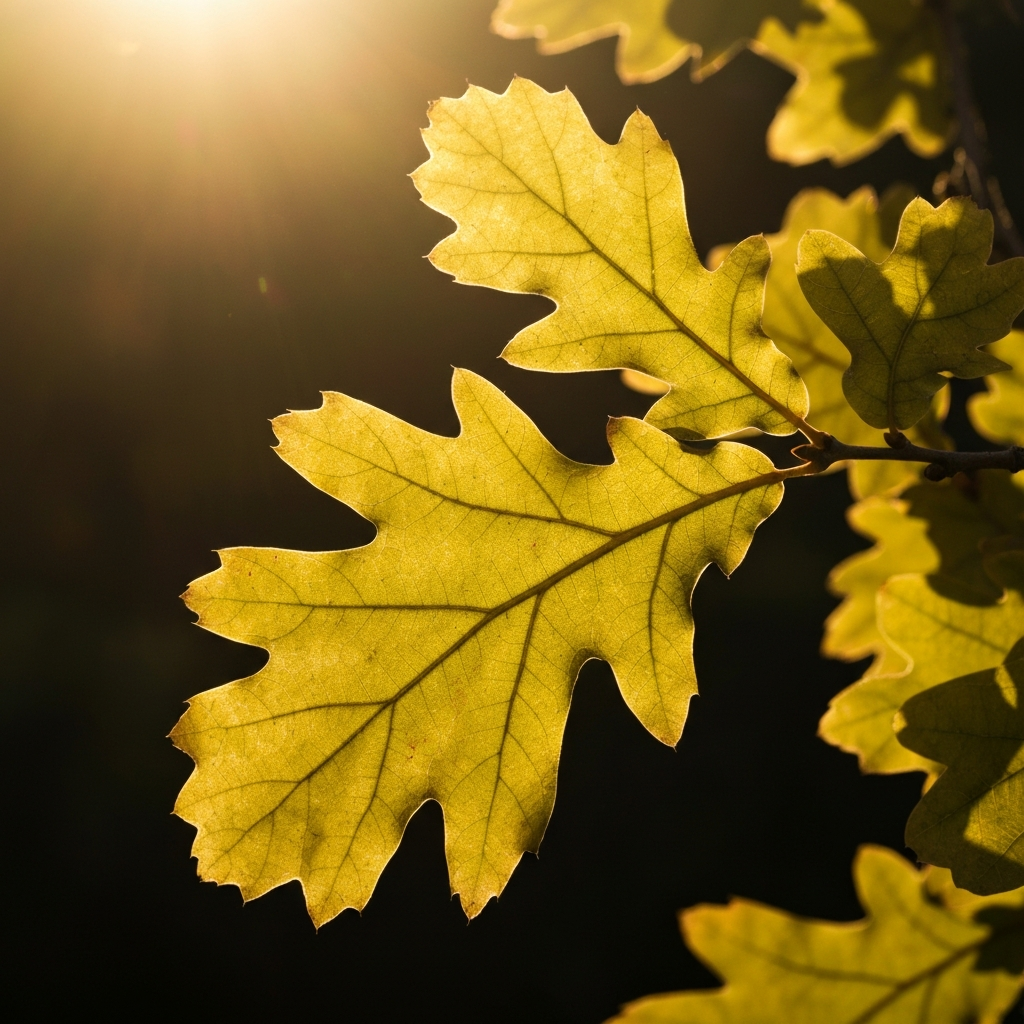
Oak trees and branches are associated with Hecate due to their symbolism of wisdom, protection, and spiritualism. Like a mighty and ancient oak, Hecate is a deeply ancient and powerful goddess. The oak tree represents strength, endurance, and a deep connection to the earth, reflecting Hecate's own grounding presence. She has been depicted wearing oak branches in ancient texts, reinforcing this symbolic connection. The oak signifies her role as a guardian of crossroads, transitions, and magic.
Step 9: Polecat: A Sacred Animal Familiar
The polecat is considered one of Hecate’s primary animal familiars. In myth, the polecat is linked to a mortal woman named Gale (or Galinthias) who was transformed into the animal and became sacred to Hecate. The polecat, with its nocturnal habits and association with vermin control, symbolizes Hecate's ability to navigate the darkness and protect against unseen threats. These animals were traditionally kept as pets and represent the goddess's connection to the household and the protection she offers.
Step 10: Red Mullet: Offerings and Blood
The red mullet, an expensive fish, was often offered to Hecate. Its association stems from its ability to reproduce multiple times per year, aligning with Hecate's Triple Goddess nature. The fish's red hue also connected it to blood, further linking it to Hecate's role as a death goddess. Ancient Greeks believed the mullet fed on the blood of corpses, solidifying its connection to Hecate.
Step 11: Lion: Fierce and Untamed Power
Lions are associated with Hecate due to early artwork from Asia Minor. These depictions represent Hecate’s fierce, wild, untamed, and unapologetic power. The lion embodies courage, strength, and a commanding presence, all qualities attributed to Hecate. While not as widely recognized, the lion symbol highlights Hecate's formidable nature and her role as a powerful force.
Step 12: Frog: Transition Between Worlds
Frogs, originally associated with the Egyptian fertility goddess Heqet, have become a symbol of Hecate in modern pagan literature. The frog's ability to move between water and land mirrors Hecate's ability to transition between the mortal realm and the Underworld. The frog symbolizes adaptability, transformation, and the ability to navigate different realms, reflecting Hecate's own multifaceted nature.
FAQ Section
Q: Why are there so many different symbols for Hecate?
A: Hecate is a multifaceted goddess with a long and complex history. Her various symbols reflect the different aspects of her dominion, from magic and witchcraft to crossroads and the underworld.
Q: How can I use these symbols in my practice?
A: You can incorporate Hecate's symbols into your rituals, meditations, and altar displays. Use them as visual aids to connect with her energy and invoke her guidance.
Q: Is it disrespectful to use a symbol incorrectly?
A: While intentions matter, it's always best to research and understand the meaning behind a symbol before using it. This shows respect for the goddess and ensures that you are connecting with her energy in an authentic way.
Conclusion
Understanding the symbols of Hecate is crucial for anyone seeking to connect with this powerful goddess. Each symbol offers a unique lens through which to view her multifaceted nature and the potent forces she embodies. From the torch illuminating the darkness to the black dog guarding the edges, Hecate's symbols serve as keys to unlocking deeper understanding and connection. By studying these symbols, practitioners can enrich their spiritual practice and gain valuable insights into the realms of magic, transformation, and the mysteries of the night.