A trip, whether a weekend getaway or an extended vacation, offers a valuable opportunity for adventure, relaxation, and creating lasting memories. However, a poorly planned trip can quickly turn stressful and unenjoyable. This guide will provide you with a structured approach to ensure your next trip is a success, focusing on preparation, execution, and mindful engagement.
The key to a good trip lies in thoughtful planning. Don't leave crucial aspects to chance; proactively address potential challenges and personalize the experience to your preferences. From selecting the right destination to packing efficiently and embracing unexpected detours, this guide will equip you with the knowledge and strategies needed to maximize your enjoyment.
Beyond the practical aspects, a good trip is also about mindset. It's about being open to new experiences, disconnecting from routine, and fully immersing yourself in the present moment. By combining meticulous planning with a spirit of adventure, you can create a travel experience that is both fulfilling and transformative.
Step 1: Plan it Well
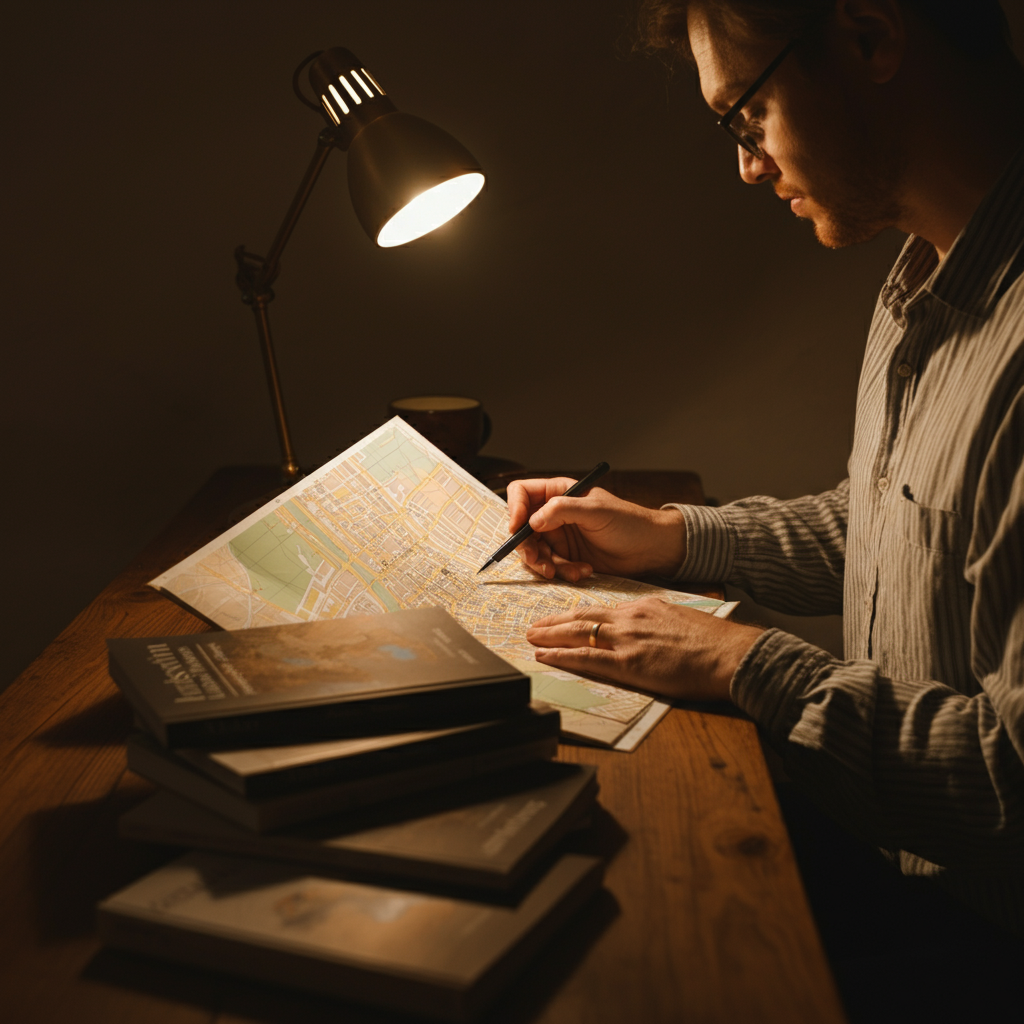
Careful planning is the foundation of any successful trip. Start by defining your goals for the trip. Are you seeking relaxation, adventure, cultural immersion, or a combination of these? Consider your budget, available time, and any physical limitations. Research your destination thoroughly, paying attention to local customs, weather patterns, and potential safety concerns. Develop a detailed itinerary, including transportation, accommodation, and planned activities, but leave room for spontaneity. A well-researched plan reduces stress and increases your confidence.
Step 2: Pack Necessities
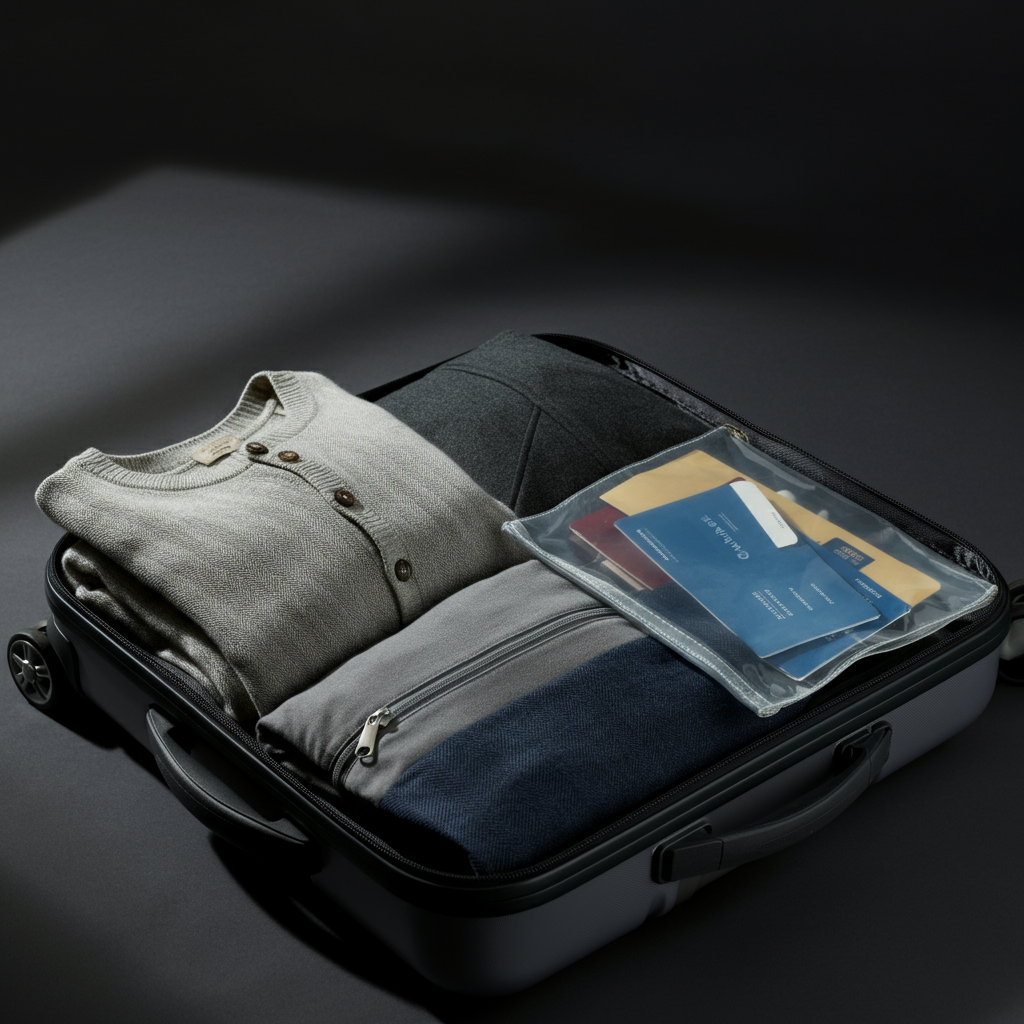
Packing efficiently is crucial for a comfortable trip. Create a packing list based on your destination and planned activities. Focus on essential items and avoid overpacking. Consider the climate and pack appropriate clothing, including layers for fluctuating temperatures. Roll your clothes to save space and minimize wrinkles. Don't forget essential toiletries, medications, and any necessary travel documents. Pack a small first-aid kit with basic supplies such as bandages, antiseptic wipes, and pain relievers. If you are travelling internationally, verify that your passport and visa are valid, and make copies of these documents for safekeeping.
Step 3: Bring a Friend (If Appropriate)
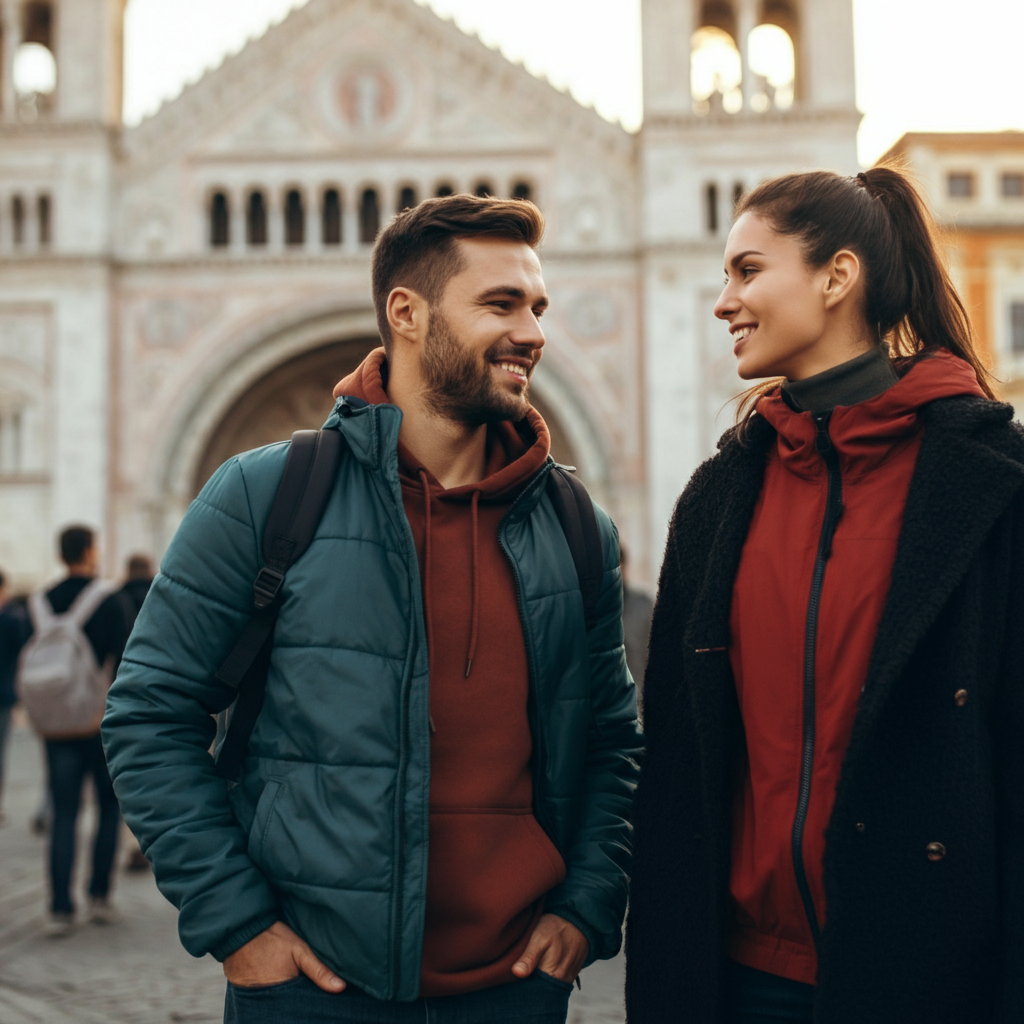
Traveling with a companion can enhance your experience, but it's essential to choose your travel partner wisely. Consider their travel style, interests, and personality. Ensure that you share similar goals for the trip and are compatible in terms of budget and activity levels. Discuss expectations and potential conflicts beforehand to avoid misunderstandings during the trip. While solo travel can be incredibly rewarding, having a trusted friend can provide support, companionship, and shared memories. If traveling with a group, establish clear communication channels and decision-making processes.
Step 4: Share Your Plans
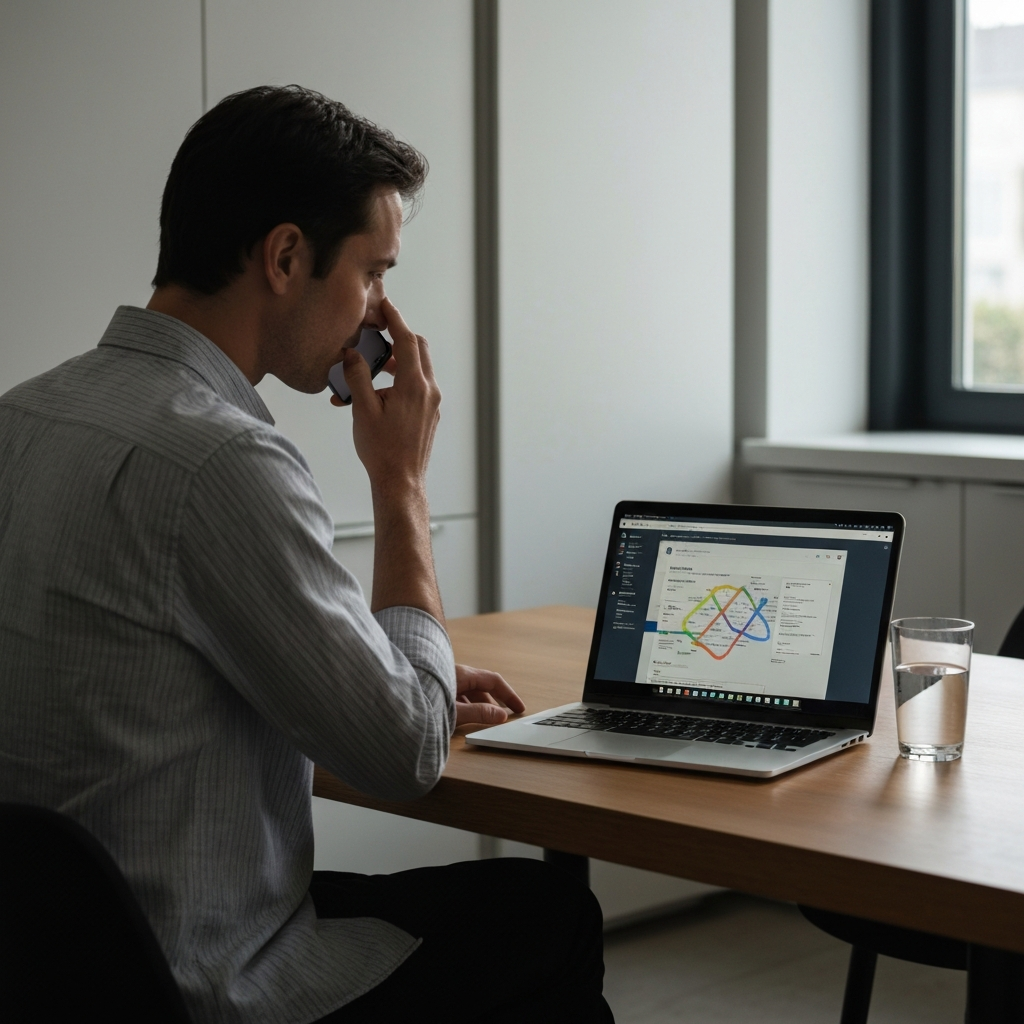
Inform someone trustworthy about your travel plans, including your itinerary, accommodation details, and emergency contact information. This is especially important if you are traveling alone or to a remote area. Share copies of your travel documents and passport with a family member or friend. Check in regularly with your contact person to provide updates on your location and activities. Registering your trip with your embassy or consulate is also recommended, especially when traveling to unfamiliar countries. Consider using a travel tracking app to share your location with trusted contacts automatically.
Step 5: Seek Adventure
Embrace the opportunity to step outside your comfort zone and explore new experiences. Venture off the beaten path and discover hidden gems. Be open to trying new foods, participating in local customs, and meeting new people. Don't be afraid to get lost; some of the best discoveries happen when you least expect them. Whether it's hiking to a scenic viewpoint, taking a cooking class, or exploring a local market, actively seek opportunities to immerse yourself in the culture and environment.

Step 6: Push Boundaries
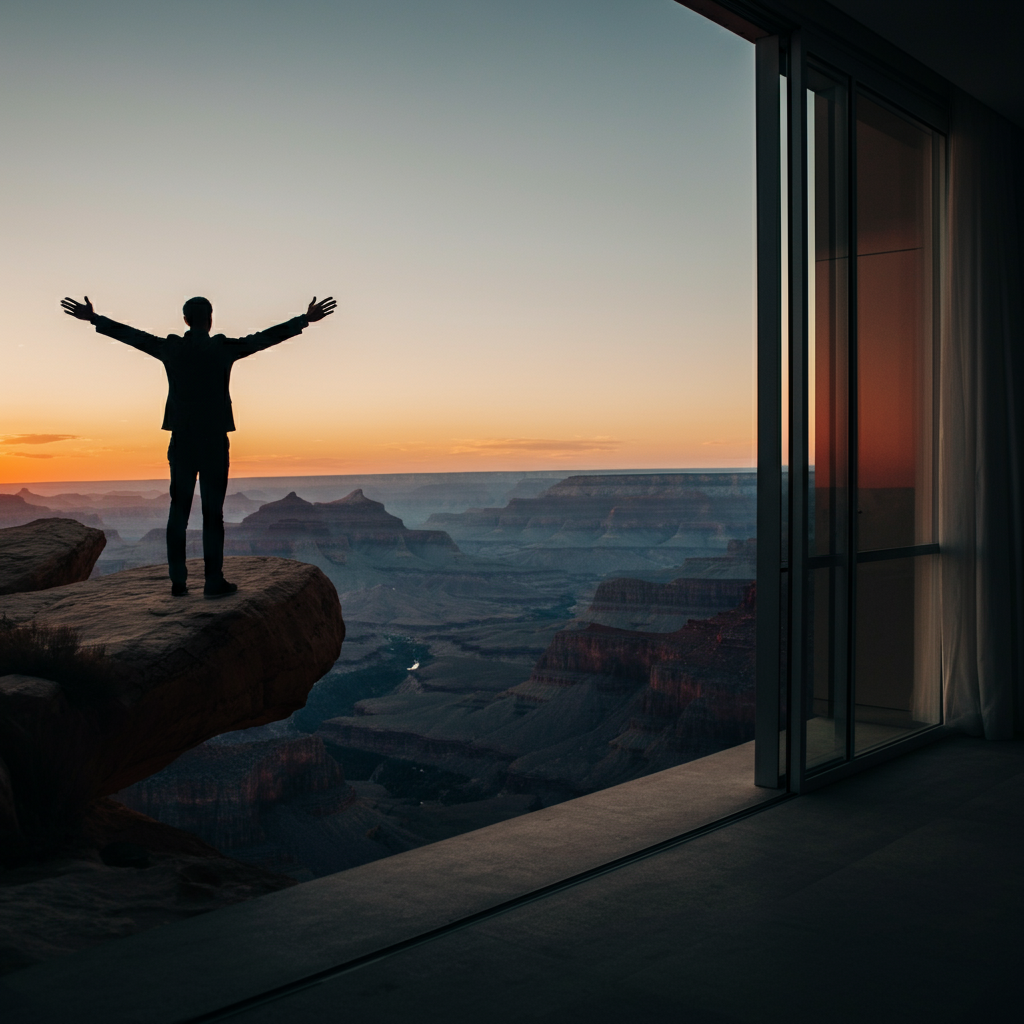
Trips provide an excellent opportunity for personal growth and self-discovery. Challenge yourself to overcome fears, try new activities, and expand your horizons. Step outside your comfort zone and embrace the unknown. Learn a few basic phrases in the local language to enhance your interactions with locals. Consider taking a spontaneous detour or participating in an activity you wouldn't normally consider. By pushing your boundaries, you can gain new perspectives and create lasting memories.
Step 7: Be Safe
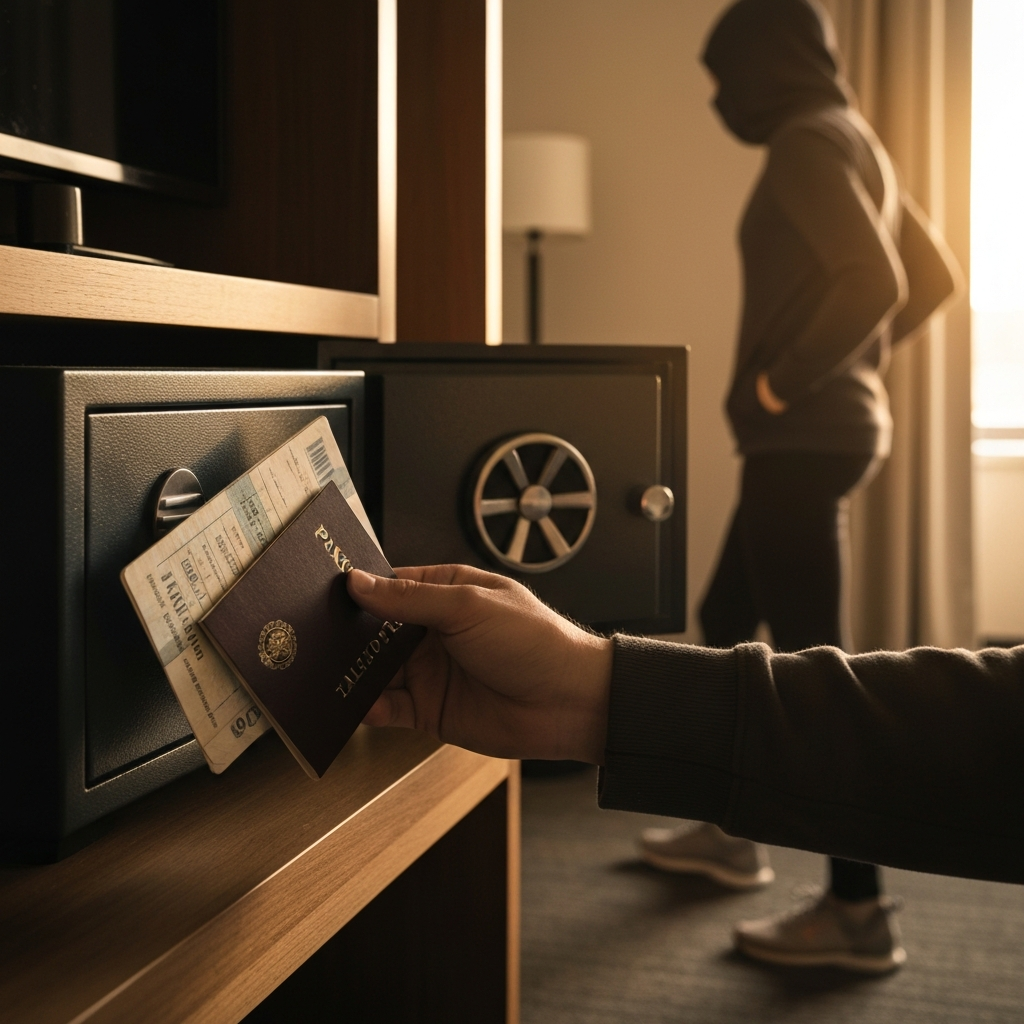
Prioritize your safety and well-being throughout your trip. Be aware of your surroundings and take precautions to avoid potential hazards. Avoid walking alone in unfamiliar areas at night. Store your valuables securely and be cautious of pickpockets. Always trust your instincts; if a situation feels unsafe, remove yourself from it immediately. Learn about local laws and customs to avoid unintentional violations. Carry a copy of your passport and other important documents separately from the originals. Stay hydrated, wear sunscreen, and take necessary precautions to protect yourself from the elements.
Step 8: Make the Best Out of It
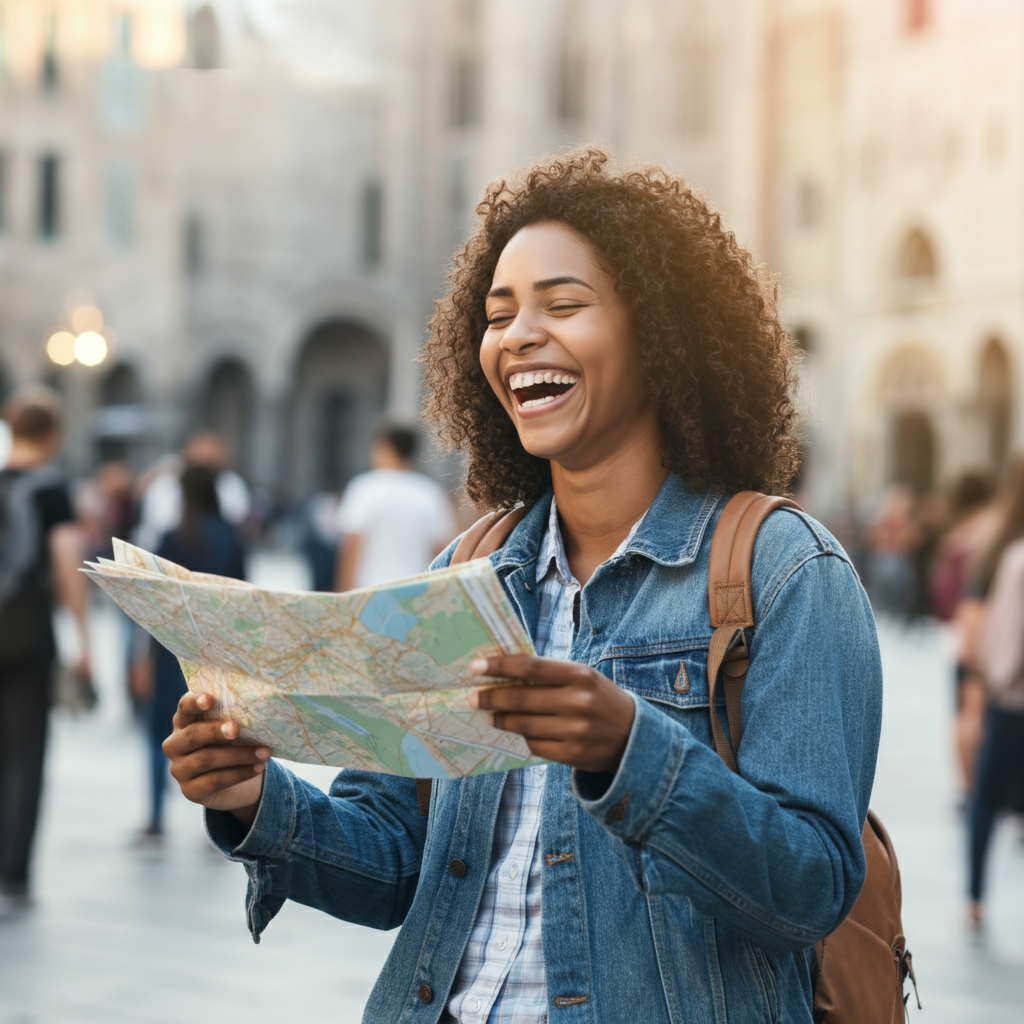
Things don't always go according to plan, and it's important to be flexible and adaptable. Embrace unexpected detours and view challenges as opportunities for adventure. Don't let minor setbacks ruin your trip. Focus on the positive aspects of your experience and maintain a positive attitude. If something goes wrong, try to find a creative solution and learn from the experience. Remember that the journey is just as important as the destination.
Step 9: Capture the Memory
Document your experiences through photos, videos, and journal entries. Capture the beauty of your surroundings, the people you meet, and the moments that resonate with you. Don't just take pictures; tell a story with your images. Write down your thoughts and feelings to help you remember the details of your trip long after you return home. Share your memories with friends and family to relive the experience and inspire others to travel.
Safety Considerations
- Be mindful of local laws and customs.
- Avoid displaying large amounts of cash or expensive jewelry.
- Secure your belongings and be aware of your surroundings.
- Stay hydrated and protect yourself from the sun.
- Trust your instincts and avoid situations that feel unsafe.
Common Mistakes to Avoid
- Overpacking
- Failing to research your destination
- Not sharing your plans with someone
- Being inflexible with your itinerary
- Ignoring safety precautions
Conclusion
Having a good trip is a combination of careful planning, a positive mindset, and a willingness to embrace the unexpected. By following these steps, you can maximize your enjoyment and create memories that will last a lifetime. Remember to prioritize safety, be flexible with your plans, and most importantly, have fun! The goal is to create an experience that is both enjoyable and personally enriching.