The holiday season often involves travel, and for many, that includes bringing along beloved pets. While the thought of sharing festive moments with your furry, scaled, or feathered friend is appealing, holiday travel with pets requires careful planning and execution. Ignoring potential challenges can lead to stressful experiences for both you and your animal companion. This guide provides expert advice on how to navigate holiday travel with your pet, ensuring their safety, comfort, and well-being throughout the journey.
Before embarking on any trip, it's crucial to assess whether travel is truly in your pet's best interest. Consider their age, health, temperament, and tolerance for unfamiliar environments. If your pet is prone to anxiety or has underlying health issues, leaving them in the care of a trusted pet sitter or boarding facility might be the more compassionate option. However, if you've determined that your pet is a suitable travel companion, read on for practical tips to make the experience as smooth as possible.
Whether you're traveling by car or plane, thorough preparation is the key to a successful trip. This guide will walk you through essential steps to ensure your pet's safety, comfort, and happiness throughout the holiday season. From pre-trip veterinary checkups to packing essentials and managing your pet's stress levels, we've got you covered. Let's begin!
Step 1: Veterinary Check-up and Health Certification
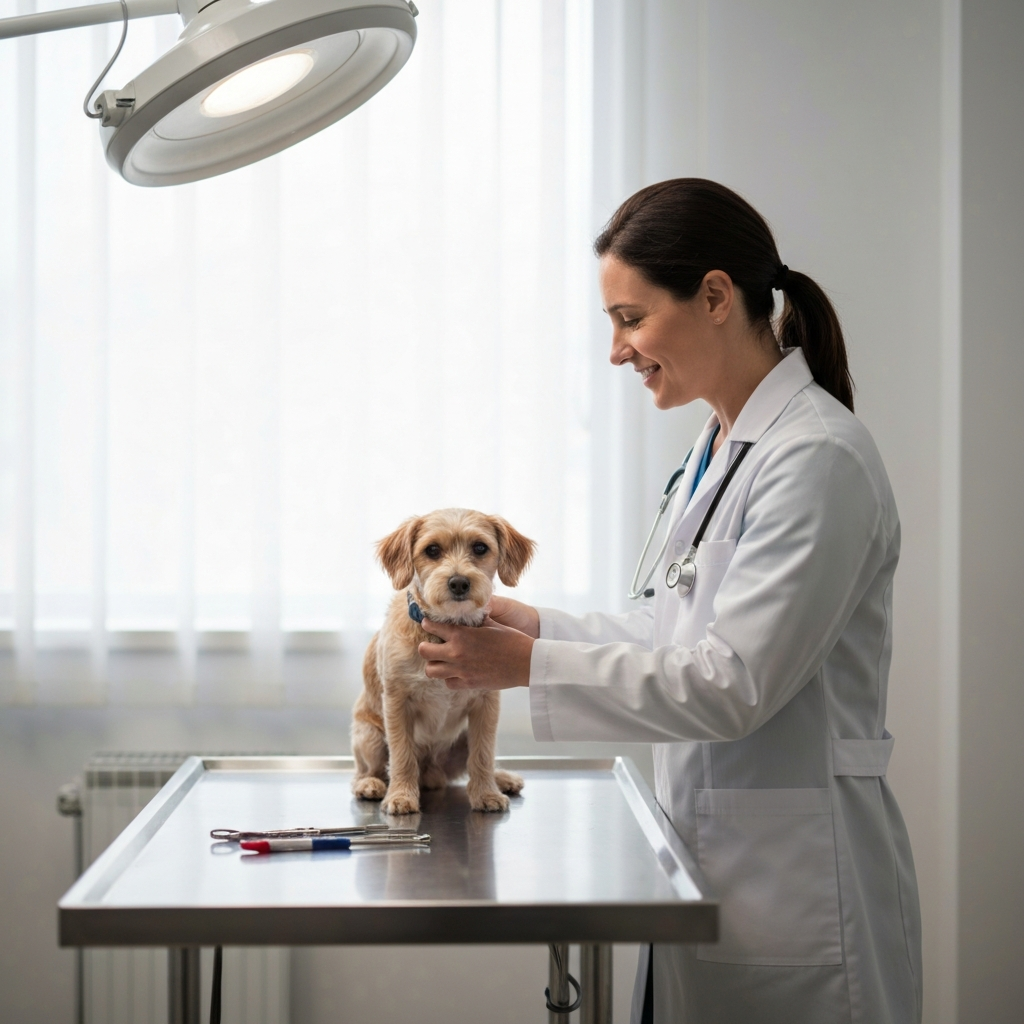
Before any travel plans are finalized, schedule a comprehensive veterinary check-up. Your veterinarian can assess your pet's overall health, ensuring they are fit for travel. Discuss your travel plans with your vet, including your destination and mode of transportation. They can advise on any specific health concerns related to your pet's breed or pre-existing conditions. This appointment is also crucial for obtaining a health certificate, which is often required by airlines and some states or countries. The health certificate verifies that your pet is free from contagious diseases and is up-to-date on all necessary vaccinations.
Remember to allow ample time for the health certificate process, as it typically needs to be issued within a specific timeframe before your departure date. Neglecting this step can result in your pet being denied travel, causing significant disruption to your holiday plans. Be sure to ask your vet about motion sickness medication or anti-anxiety aids if your pet is prone to these issues. However, always avoid tranquilizers, especially for air travel, as they can have adverse effects at high altitudes.
Step 2: Choosing the Right Travel Carrier
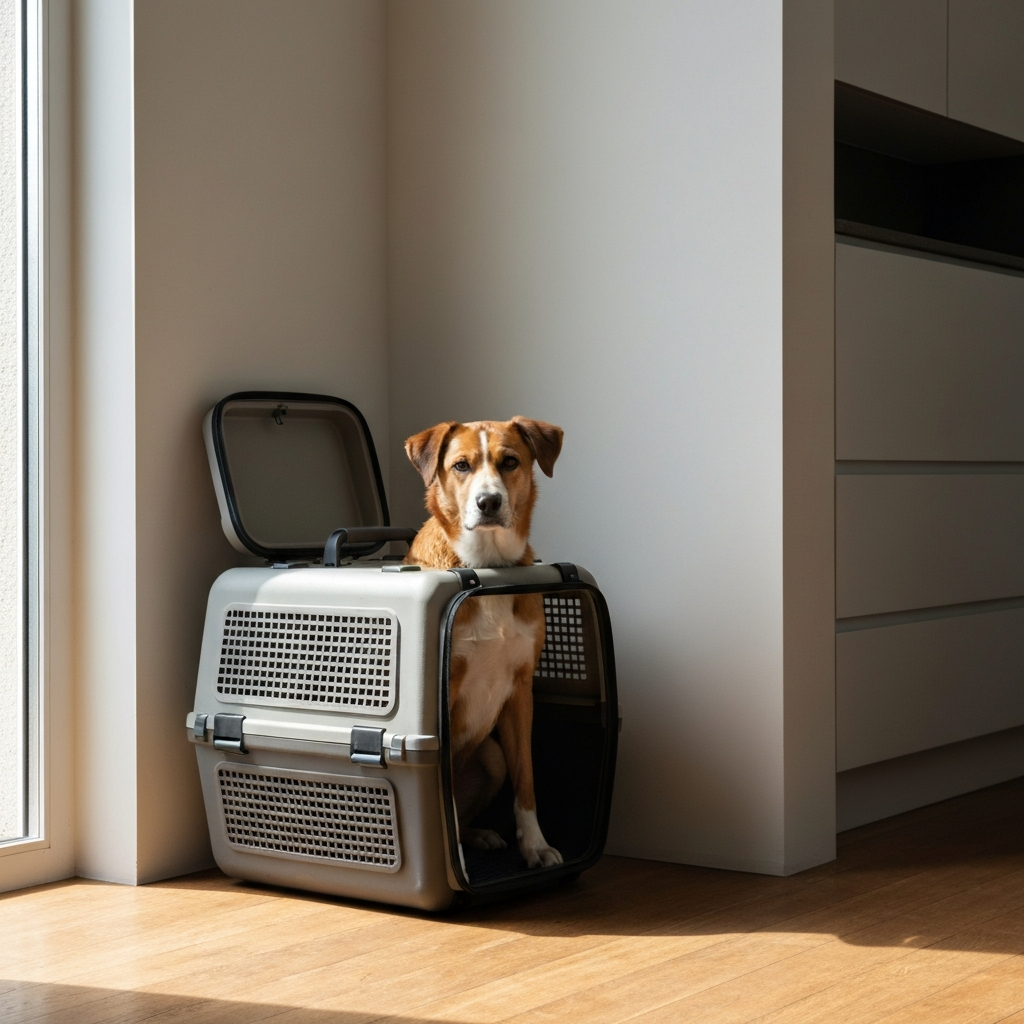
Selecting the appropriate travel carrier is paramount for your pet's safety and comfort. For air travel, the carrier must meet the airline's specific size and ventilation requirements. It's best to contact the airline directly to confirm their regulations and avoid any last-minute surprises at the airport. The carrier should be sturdy, well-ventilated, and large enough for your pet to stand, turn around, and lie down comfortably. Consider a hard-sided carrier for air travel, as it provides better protection than a soft-sided one. For car travel, a carrier or pet seatbelt harness can help prevent injuries in the event of a sudden stop or accident.
Before your trip, acclimate your pet to the carrier by placing it in a familiar area of your home. Encourage them to enter the carrier with treats and toys, making it a positive and comfortable space. This gradual introduction will reduce their anxiety during travel. Never force your pet into the carrier, as this can create a negative association and increase their stress levels. Line the carrier with soft bedding, such as a blanket or towel, to provide extra comfort. Consider adding an item of your clothing to the carrier so your pet has a familiar scent nearby.
Step 3: Pack a Pet Travel Essentials Kit
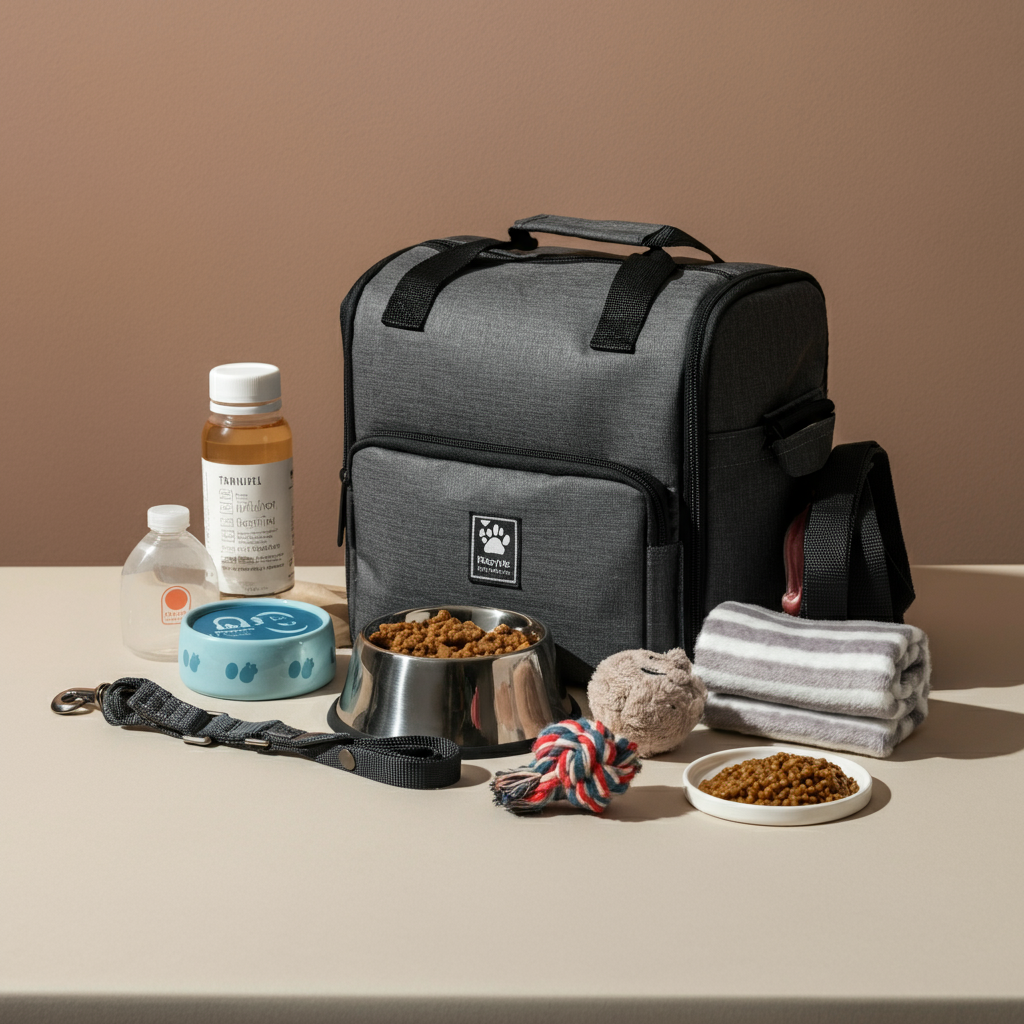
Just as you pack your own suitcase, create a dedicated travel kit for your pet. This kit should include all the essentials to keep your pet healthy, comfortable, and entertained during the trip. Include enough food and water for the duration of your travel and stay, as a sudden change in diet can cause digestive upset. Bring their regular food to maintain consistency. Pack collapsible bowls for easy feeding and watering on the go. A leash, collar with ID tags, and waste bags are essential for responsible pet ownership. Also, include any necessary medications, along with a copy of their prescription. Don't forget their favorite toys and a comforting blanket or bed to help them feel secure in unfamiliar surroundings.
First-aid supplies are crucial for addressing minor injuries or ailments. Include antiseptic wipes, bandages, gauze, and any medications recommended by your veterinarian. Consider adding a calming spray or pheromone diffuser to help reduce anxiety. Having all these items readily available will ensure you can address your pet's needs promptly and efficiently, making the travel experience much smoother for both of you. Consider a small pet-safe flashlight to check on your pet during a nighttime flight or car ride.
Step 4: Car Travel Safety Measures
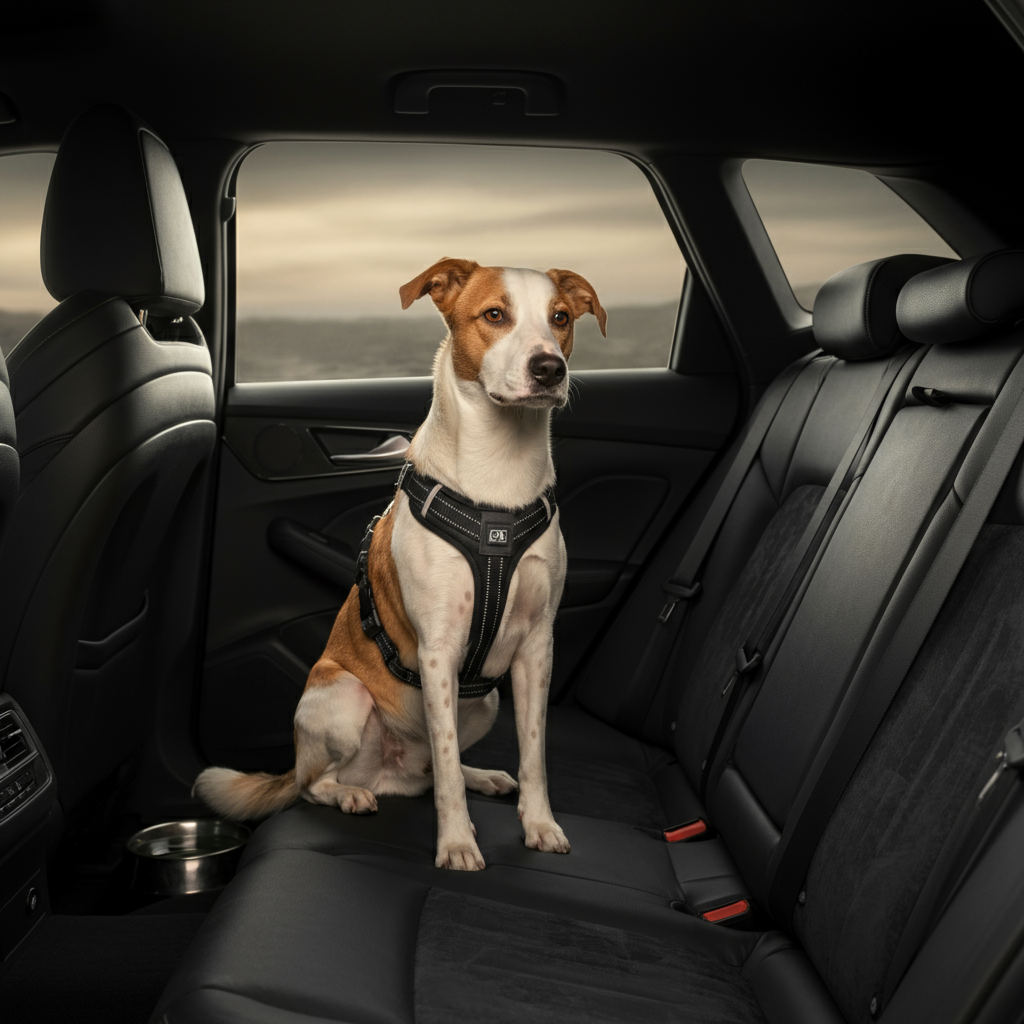
When traveling by car, it's crucial to prioritize your pet's safety. Never allow your pet to roam freely inside the vehicle. This can be distracting for the driver and dangerous for the pet in case of an accident. Secure your pet in a carrier or use a pet seatbelt harness. The harness should be properly fitted and attached to the car's seatbelt system. Make frequent stops for bathroom breaks, exercise, and fresh air. These stops will also help reduce your pet's stress levels and prevent them from becoming restless. Never leave your pet unattended in a parked car, especially in hot or cold weather, as temperatures inside a vehicle can quickly become dangerous. Ensure your pet always has access to fresh water during the journey.
Plan your route in advance, identifying pet-friendly rest stops and hotels along the way. Many websites and apps can help you locate these amenities. Before starting your trip, take your pet for a walk or play session to burn off excess energy. This will help them relax during the car ride. Consider using a sunshade on the windows to protect your pet from direct sunlight. If your pet is prone to motion sickness, consult your veterinarian about appropriate medication. Keep the car well-ventilated and avoid feeding your pet a large meal right before the trip.
Step 5: Air Travel Considerations and Precautions
Air travel with pets can be more complex than car travel, requiring meticulous planning and adherence to airline regulations. Whenever possible, opt for cabin travel, where your pet can stay with you in a carrier under the seat. However, this option is usually limited to smaller pets that meet the airline's size and weight restrictions. If cabin travel is not possible, your pet may have to travel in the cargo hold. This can be a stressful experience for your pet, so it's important to take extra precautions.
Choose a direct flight to minimize the time your pet spends in transit and reduce the risk of mishandling. Ensure the carrier is clearly labeled with your contact information and your pet's name. Notify the flight attendants that your pet is traveling in cargo and carry a recent photo of your pet with you. Upon arrival, immediately check on your pet to ensure they are safe and healthy. Never sedate your pet before air travel, as sedation can interfere with their ability to regulate their body temperature and can increase the risk of respiratory problems at high altitudes. Before booking your flight, thoroughly research the airline's pet travel policies and any required documentation. Book in advance as there are limits on the number of pets allowed per flight.

Step 6: Settling In at Your Destination
Once you arrive at your destination, give your pet time to adjust to the new environment. Establish a familiar routine to help them feel secure. Set up their bed, food, and water bowls in a designated area. Take them for a walk to explore their surroundings and relieve themselves. If you're staying in a hotel, inform the staff that you have a pet and inquire about any pet-friendly amenities or restrictions. Be respectful of other guests and keep your pet under control at all times. Never leave your pet unattended in a hotel room, as this can lead to property damage or distress for your pet. If you need to leave your pet for an extended period, consider hiring a local pet sitter or using a reputable boarding facility.
Be mindful of potential hazards at your destination, such as poisonous plants, cleaning supplies, and medications. Keep these items out of your pet's reach. If you're visiting friends or family, ensure they are comfortable with having a pet in their home. Always supervise your pet around children or other animals. Pack extra waste bags and clean up after your pet promptly. Remember to bring any necessary medications and continue your pet's regular feeding schedule. By taking these precautions, you can help your pet feel comfortable and safe in their new surroundings, making your holiday travel experience more enjoyable for everyone.

Safety Considerations
The safety of your pet is the top priority during holiday travel. Always be aware of potential hazards and take steps to mitigate them. Never leave your pet unattended in a vehicle, especially in extreme temperatures. Ensure your pet has access to fresh water at all times. Keep medications and cleaning supplies out of reach. Be mindful of poisonous plants and other potential toxins in your surroundings. Supervise your pet around children and other animals. If your pet has a tendency to bolt or escape, use a secure leash and collar with proper identification tags. In case of an emergency, know the location of the nearest veterinary hospital. By being proactive and vigilant, you can protect your pet from harm and ensure a safe and enjoyable travel experience.
FAQ Section
Q: What if my pet gets motion sickness?
A: Consult your veterinarian about motion sickness medication. You can also try feeding your pet a light meal several hours before traveling and keeping the car well-ventilated.
Q: Can I sedate my pet for air travel?
A: No. Sedating your pet is generally not recommended and can be dangerous, especially during air travel.
Q: What if my pet is anxious during travel?
A: Try using calming sprays or pheromone diffusers. You can also bring their favorite toys and blankets to help them feel more secure.
Conclusion
Traveling with your pet during the holidays can be a rewarding experience with proper planning. Remember that the key is prioritizing your pet's safety and comfort by visiting your veterinarian, preparing a travel kit, and taking precautions during transit. By following these guidelines, you can ensure a happy and healthy holiday season for both you and your beloved companion. Before you travel, always reconsider your travel plans and if leaving your pet with a qualified pet sitter will be a less stressful experience for your animal.