The golf scramble is a popular and accessible format, perfect for charity events, corporate outings, or simply a fun day on the course with friends. Unlike individual stroke play, a scramble emphasizes teamwork and camaraderie. The forgiving nature of the rules allows golfers of all skill levels to contribute, making it an ideal introduction to the game for beginners while still offering a strategic challenge for experienced players.
In a scramble, players form teams, typically of four, and each member tees off. The team then selects the best shot among the tee shots and all players hit their next shots from that chosen spot. This process continues until the ball is holed, with the team recording their cumulative score. The team with the lowest score at the end of the round wins. But, of course, there are nuances. Let's explore the official rules and strategies to help you master the golf scramble.
This guide will cover the core rules, popular variations, and essential strategies to help you not only understand the format but excel in it, whether you are a seasoned golfer or just starting out. We'll also cover how to organize your own scramble.
Step 1: Forming Teams and Establishing Order
The first step in any successful golf scramble is assembling your team. While teams of four are the most common, teams of two or three are also possible, depending on the event's rules. When assembling your team, consider a balance of skills. Ideally, you'll want at least one strong driver, one accurate iron player, and one reliable putter. Once your team is formed, establish a tee-off order. A common strategy is to have your most consistent player tee off first to ensure a ball is in play, followed by players who can add distance or take risks. However, consider the course layout; a player with high accuracy might be better suited to go last on a tighter hole.

Step 2: Teeing Off and Selecting the Best Ball
At each hole, every member of the team tees off. After all tee shots have been hit, the team collectively evaluates the results and chooses the best ball. The “best” ball isn't always the longest drive; consider the lie, the position in the fairway (or lack thereof), and the proximity to hazards. Before anyone moves their ball, clearly mark the chosen ball with a tee or ball marker. All team members then retrieve their balls and place them within one club length (no closer to the hole) of the marked spot, mirroring the original lie as closely as possible. This is crucial; try to replicate the conditions of the best ball to maintain fairness and the integrity of the scramble.

Step 3: Continuing Play From the Chosen Spot
Once all balls are in position, each team member hits their next shot. This process of selecting the best ball and then playing from that spot continues until the ball is holed. On the green, the placement rule often changes. Instead of a club length, golfers usually place their ball within one putter head of the chosen ball’s position – again, without improving the lie. Continue this procedure until you hole out, counting the number of strokes your team took to complete the hole. Record this score, and then repeat the process at the next hole.

Step 4: Recording Scores and Determining the Winner
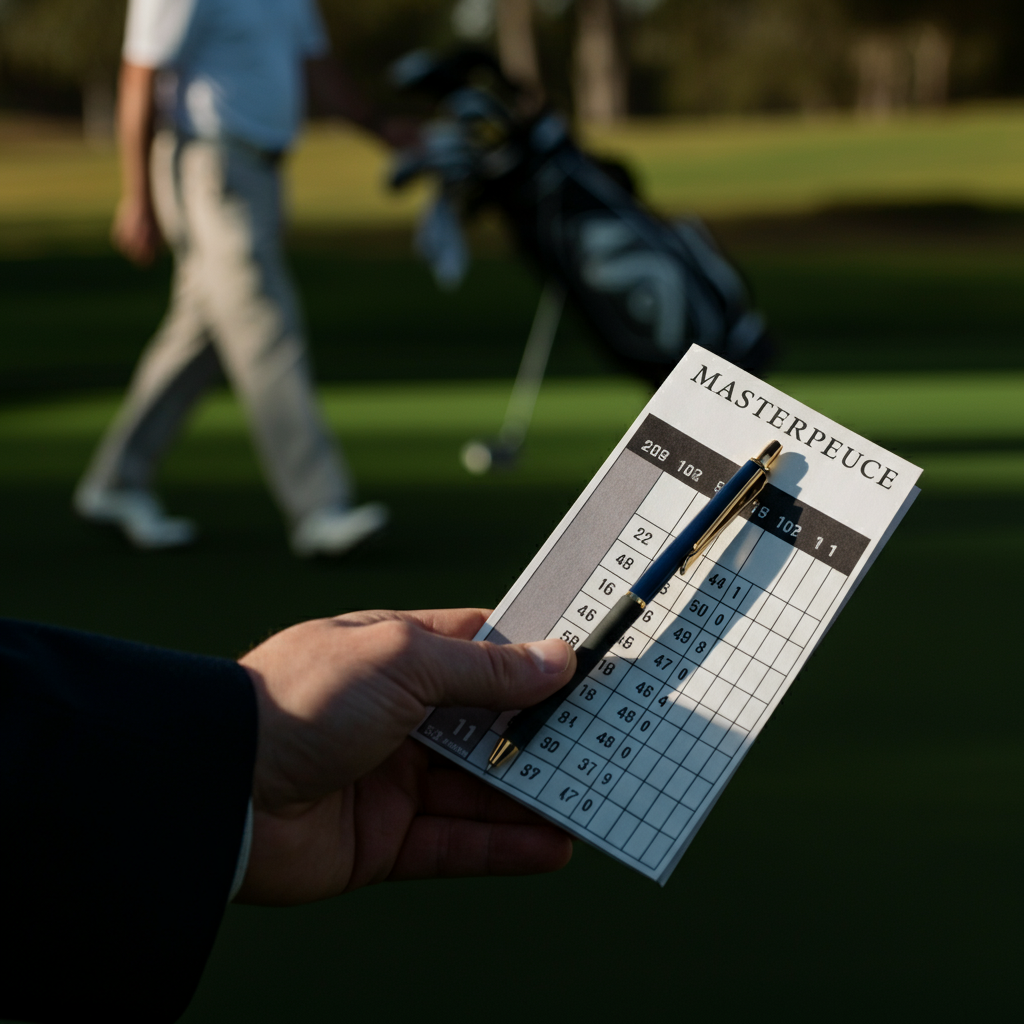
At the end of the round, each team totals their scores from all the holes. The team with the lowest cumulative score wins the scramble. In the event of a tie, several methods can be used to break it. A common approach is a scorecard playoff, where the team with the lowest score on the hardest-rated hole (as indicated on the scorecard) is declared the winner. If the scores are still tied, you can compare scores on the next hardest hole, and so on. Another method is to replay a designated hole in a sudden-death format.
Step 5: Understanding Common Scramble Variations
While the basic scramble format is widely used, several variations add unique twists. One popular variation is the "Texas Scramble," where each team member must contribute a minimum number of drives throughout the round. This ensures that all players actively participate and encourages strategic tee-off order planning. Another variation is the "Florida Scramble," where the player whose shot is selected sits out the next shot. This adds a layer of strategic decision-making, as you must consider the overall impact of choosing one shot over another. Other versions like the Las Vegas Scramble use a die to determine which player's ball is used.

Pro Tips
- Communicate Clearly: Designate a team captain to make final decisions, but encourage open discussion.
- Play Aggressively: Scrambles reward aggressive play; don't be afraid to go for the green or attempt risky shots.
- Know Your Team's Strengths: Leverage each player's skills to maximize your team's potential.
- Practice Putting: Scrambles often come down to putting; make sure your team is confident on the greens.
- Have Fun!: Remember, the primary goal is to enjoy the game and the company.
FAQ Section
- Q: What happens if a ball lands out of bounds?
- A: If the selected ball is out of bounds, the team takes a penalty stroke and places the ball where it went out of bounds. Consult the specific tournament rules, as some may have designated drop zones.
- Q: Can we improve the lie of the ball?
- A: No, you cannot improve the lie beyond placing the ball within the specified distance (one club length or putter head) and attempting to replicate the original lie. However, you are allowed to remove loose impediments (stones, leaves, twigs) around the ball.
- Q: Do we have to use all players' drives?
- A: In a standard scramble, there is no requirement to use all players’ drives. However, variations like the Texas Scramble require a minimum number of drives from each player.
- Q: What happens if we can't find a player's ball?
- A: If a player's ball cannot be found, the team can deem that shot unplayable. Play continues from the chosen best ball of the remaining players.
Common Mistakes to Avoid
- Poor Team Composition: Don't assemble a team of all long hitters or all beginners. Aim for a balance of skills.
- Neglecting Strategy: Don't blindly choose the longest drive every time. Consider the lie, position, and potential risks.
- Rushing on the Green: Take your time to read the greens and line up your putts. Putting is crucial in scrambles.
- Forgetting the Rules: Review the specific rules of the scramble before starting the round, especially regarding placement and minimum drive requirements.
Safety Considerations
Golf safety is paramount, even in the relaxed atmosphere of a scramble. Always be aware of your surroundings and the location of other players. Yell "Fore!" loudly if your shot is heading towards another person. Wait until players ahead of you are out of range before hitting. Never swing a club without ensuring that no one is within your swing radius. Wear appropriate footwear and clothing for the weather conditions, and stay hydrated throughout the round. Sunscreen and sunglasses are also essential for protecting yourself from the sun.
Tools or Materials Required
- Golf clubs and balls
- Tees
- Ball markers
- Scorecard and pencil
- Rangefinder (optional)
- Appropriate golf attire
- Sunscreen and hat
- Water or other beverages
Organizing a Golf Scramble
Organizing a successful golf scramble requires careful planning and attention to detail. First, secure a date and time with the golf course and determine the number of players and teams. Establish the rules of the scramble, including any variations and handicap systems. Communicate these rules clearly to all participants. Create a registration process and collect entry fees. Consider offering prizes for the winning team, longest drive, and closest to the pin. Arrange for refreshments and snacks, and ensure that the course is properly marked and prepared for the event. Finally, recruit volunteers to help with registration, scoring, and on-course assistance.
Conclusion
The golf scramble is a unique and enjoyable format that promotes teamwork and inclusivity. By understanding the rules, developing a strategic approach, and communicating effectively with your team, you can significantly increase your chances of success. Remember to balance aggressive play with smart decision-making, and never underestimate the importance of putting. Most importantly, embrace the spirit of camaraderie and have fun on the course. With a little preparation and a positive attitude, you'll be well on your way to mastering the golf scramble.