Cramps can be a debilitating experience, whether they're related to menstruation, exercise, dehydration, or other underlying conditions. The sharp, involuntary muscle contractions can significantly impact your daily life, making it difficult to concentrate, work, or even move comfortably. Fortunately, there are various strategies you can employ to alleviate the pain and prevent future occurrences.
This guide will explore a range of proven methods for tackling cramps, from simple lifestyle adjustments to over-the-counter remedies and medical interventions. We'll delve into the specifics of each approach, providing practical tips and advice to help you find the most effective solutions for your individual needs. Remember, what works for one person might not work for another, so experimentation and self-awareness are key.
Our goal is to empower you with the knowledge and tools necessary to manage cramps effectively and regain control over your well-being. Let's explore the path to a more comfortable and pain-free life.
Step 1: Over-the-Counter Pain Relief
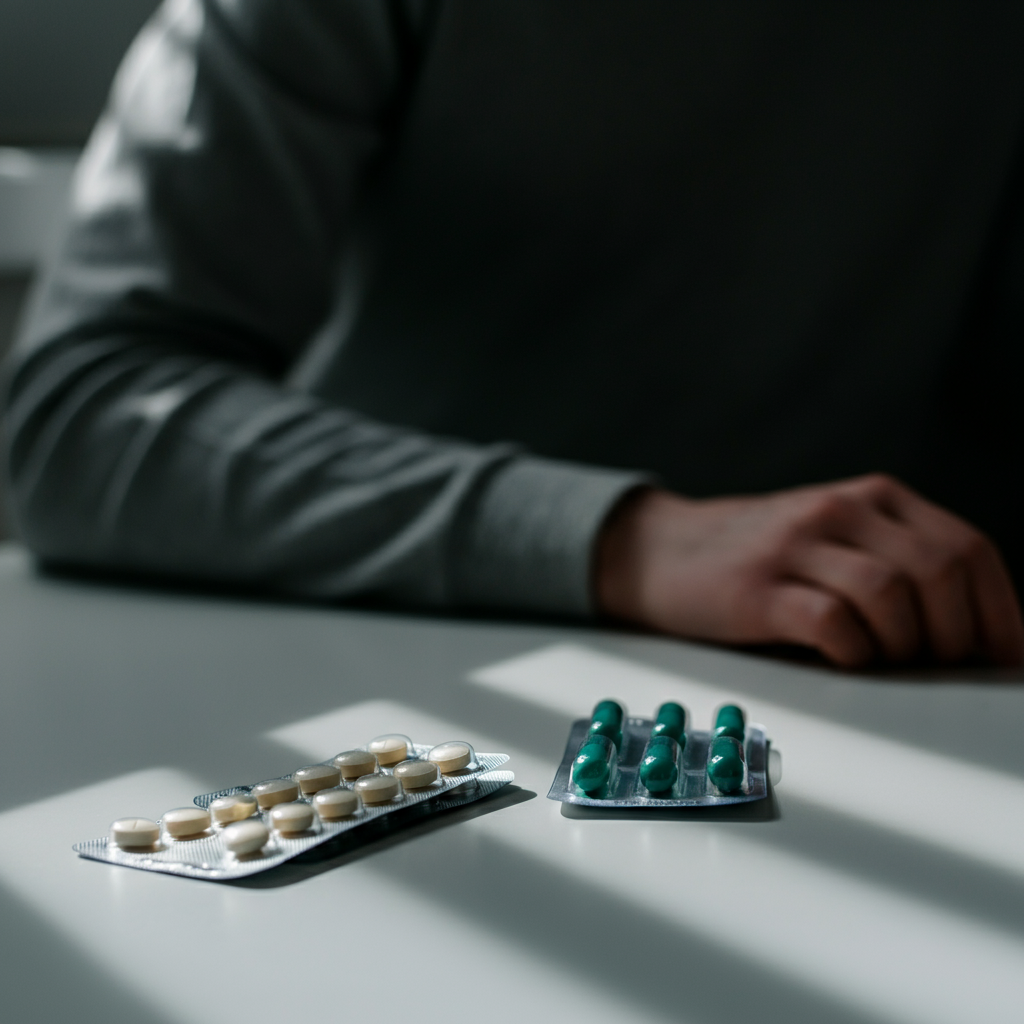
For many, over-the-counter (OTC) pain relievers provide rapid and effective relief from cramps. Medications like ibuprofen (Advil, Motrin) and naproxen sodium (Aleve) belong to a class of drugs called nonsteroidal anti-inflammatory drugs (NSAIDs). These medications work by reducing the production of prostaglandins, hormone-like substances that contribute to inflammation and pain signals. For best results, start taking the medication a day before you expect cramps to begin, and continue taking it regularly as directed on the label throughout the duration of the cramping.
However, it's essential to be mindful of potential side effects, such as stomach upset or, with prolonged use, kidney issues. If you have a history of stomach ulcers, kidney problems, or are taking blood thinners, consult your doctor before using NSAIDs regularly. Always adhere to the recommended dosage and frequency. If OTC pain relievers don't provide adequate relief, consult your doctor about prescription-strength options.
Step 2: Heat Therapy
Applying heat to the affected area can be incredibly soothing and effective for relieving cramps. Heat helps to relax muscles, increase blood flow, and reduce pain signals. You can use a heating pad, hot water bottle, warm towel, or take a hot bath. Apply heat for 15-20 minutes at a time, several times a day. The warmth helps to alleviate muscle spasms, providing much-needed comfort.
When using a heating pad, be careful not to burn your skin. Always use a protective layer, like a towel, between the heating pad and your skin. A hot bath can also be wonderfully relaxing, not just for your muscles, but also for your mind. Consider adding Epsom salts to the bathwater, as they contain magnesium, which can further help relax muscles. If you don't have a heating pad, a simple DIY solution is to fill a sock with rice, tie it off, and microwave it for a minute or two until warm. Always test the temperature before applying it to your skin.

Step 3: Hydration
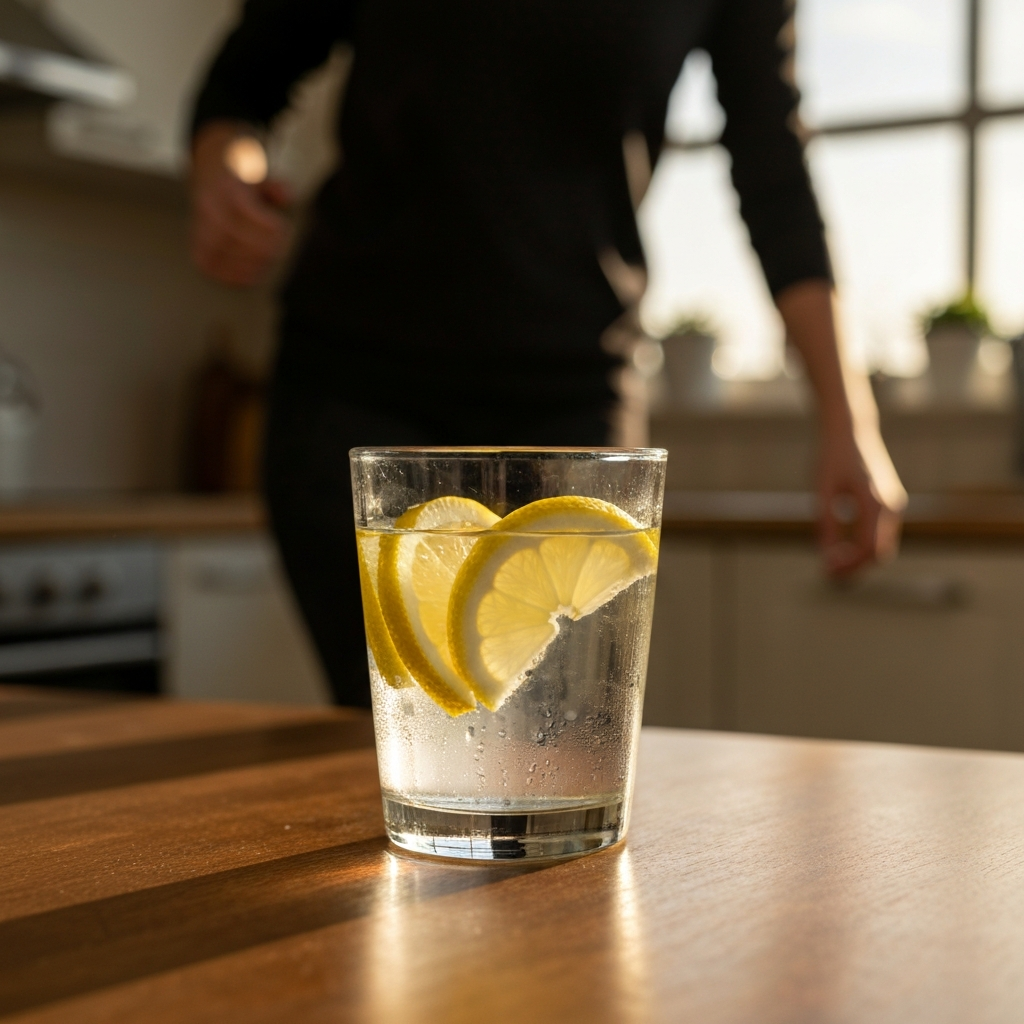
Dehydration can exacerbate cramps, especially muscle cramps related to exercise. Staying adequately hydrated helps to maintain proper muscle function and electrolyte balance. Aim to drink at least 8 glasses of water per day, and increase your fluid intake if you're exercising or sweating heavily. Water is the best choice, but you can also include other hydrating beverages like herbal teas, sports drinks (in moderation), and fruit-infused water.
Electrolytes, such as sodium, potassium, and magnesium, are crucial for muscle function. If you're losing electrolytes through sweat, consider consuming sports drinks or electrolyte-rich foods like bananas, spinach, and avocados. Avoid sugary drinks, as they can actually dehydrate you. A simple way to check your hydration level is to monitor the color of your urine; it should be pale yellow. Dark yellow urine is a sign that you're dehydrated.
Step 4: Gentle Stretching and Exercise
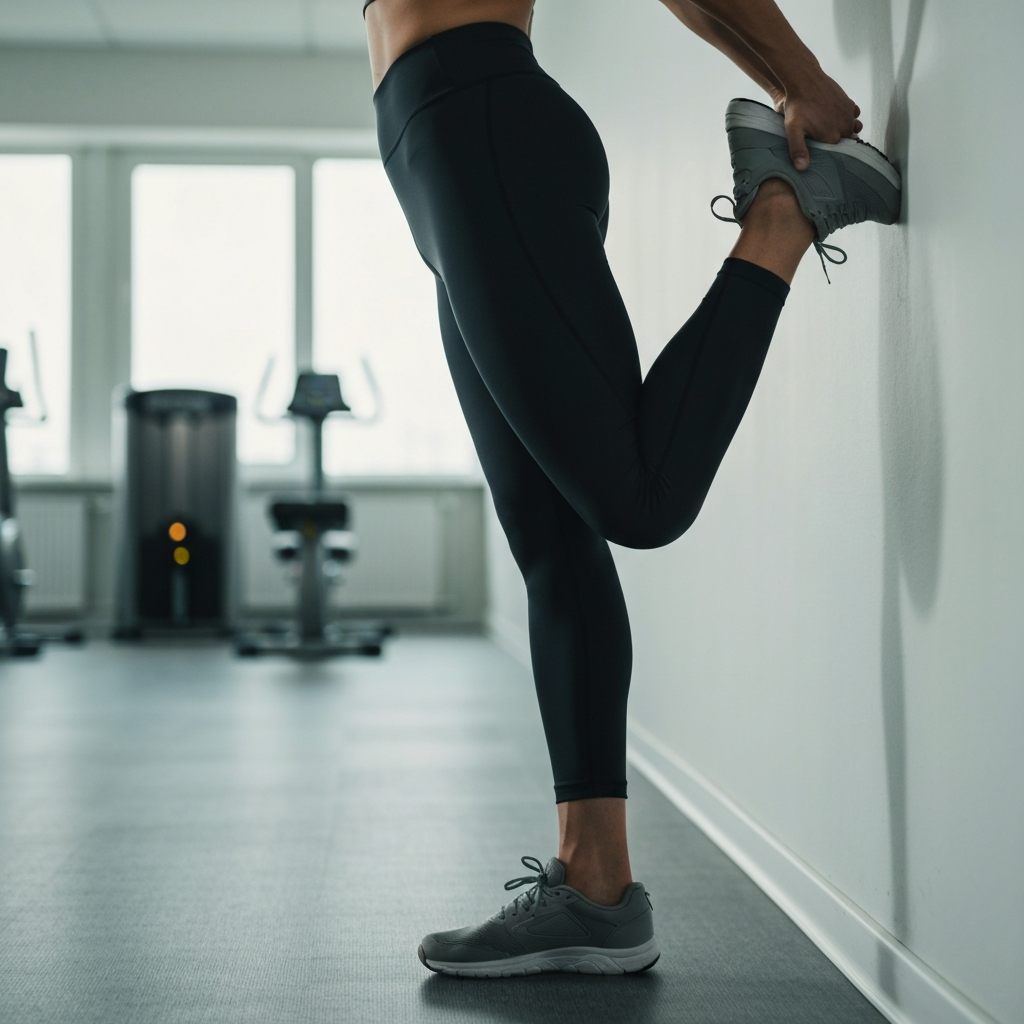
While it might seem counterintuitive, gentle stretching and light exercise can often help to relieve cramps. Stretching helps to lengthen and relax the affected muscles, while exercise increases blood flow, which can reduce pain and inflammation. Focus on slow, controlled movements and avoid pushing yourself too hard. For menstrual cramps, light walking or yoga can be particularly beneficial. For leg cramps, gently stretching the calf muscle can provide relief.
Before stretching, warm up your muscles with a few minutes of light activity, such as walking or arm circles. Avoid ballistic stretching (bouncing movements), as this can increase the risk of injury. Hold each stretch for 20-30 seconds and breathe deeply. Listen to your body and stop if you feel any pain. Even a short, 10-minute walk can make a difference. Regular exercise can also help prevent cramps in the long run by improving overall muscle health and circulation.
Step 5: Magnesium Intake
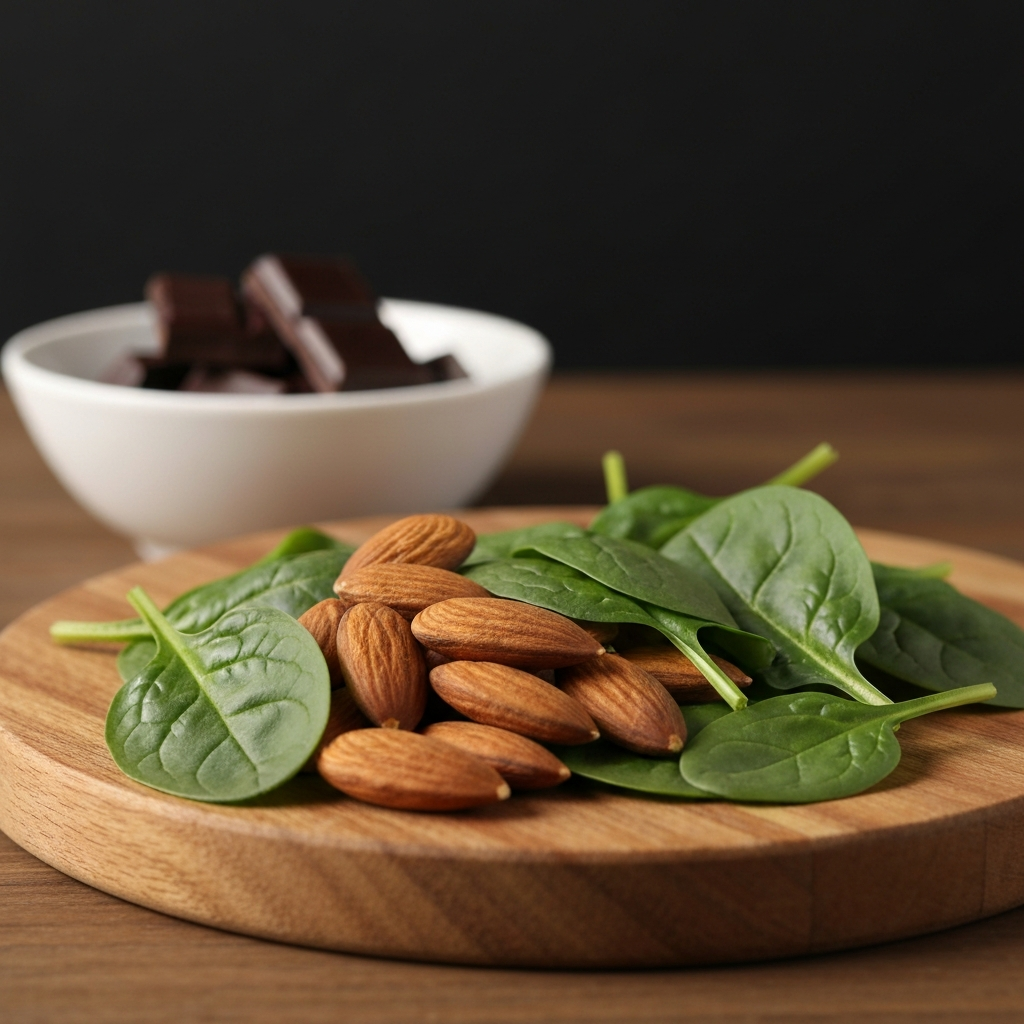
Magnesium is an essential mineral that plays a crucial role in muscle function and nerve transmission. A magnesium deficiency can contribute to muscle cramps. Increasing your magnesium intake through diet or supplements may help to prevent and relieve cramps. Good dietary sources of magnesium include leafy green vegetables, nuts, seeds, whole grains, and dark chocolate. Consider incorporating these foods into your regular diet to maintain adequate magnesium levels.
Magnesium supplements are also available in various forms, such as magnesium oxide, magnesium citrate, and magnesium glycinate. Magnesium glycinate is often recommended as it is easily absorbed and less likely to cause digestive upset. However, it's always best to talk to your doctor before starting any new supplements, especially if you have any underlying health conditions or are taking medications. A typical dosage of magnesium for cramp relief is 200-400 mg per day. Be aware that high doses of magnesium can cause diarrhea.
Tools or Materials Required
- Heating Pad or Hot Water Bottle
- Over-the-Counter Pain Relievers (Ibuprofen, Naproxen)
- Electrolyte-Rich Drinks (Sports Drinks, Coconut Water)
- Magnesium Supplements (Consult a Doctor First)
- Comfortable Clothing for Stretching
Common Mistakes to Avoid
- Ignoring severe or persistent cramps and not seeking medical advice.
- Overusing over-the-counter pain relievers without consulting a doctor.
- Applying heat directly to the skin without a protective barrier.
- Dehydrating yourself further by consuming sugary drinks.
- Pushing yourself too hard during stretching or exercise.
FAQ Section
- Q: When should I see a doctor about cramps?
- A: If your cramps are severe, persistent, or accompanied by other symptoms like fever, nausea, or vomiting, it's important to see a doctor to rule out any underlying medical conditions.
- Q: Can stress worsen cramps?
- A: Yes, stress can contribute to muscle tension and worsen cramps. Practicing relaxation techniques like deep breathing, meditation, or yoga can help manage stress and reduce cramp severity.
- Q: Are there any foods I should avoid to prevent cramps?
- A: Limiting your intake of processed foods, sugary drinks, caffeine, and alcohol may help prevent cramps. Focus on eating a balanced diet rich in fruits, vegetables, and whole grains.
Conclusion
Managing cramps effectively involves a multi-faceted approach. By combining over-the-counter pain relief, heat therapy, hydration, gentle stretching, and adequate magnesium intake, you can significantly reduce the frequency and severity of cramps. Remember to listen to your body, experiment with different strategies, and consult a healthcare professional if your cramps are severe or persistent. With the right approach, you can regain control over your well-being and enjoy a more comfortable and active life.