Installing an elevator is a significant undertaking, whether for a commercial building striving for accessibility or a private residence seeking enhanced mobility. It's more than just adding a convenience; it's a project that requires careful planning, adherence to regulations, and the expertise of qualified professionals. This guide will walk you through the essential steps, from initial assessments to final inspections, ensuring a smooth and safe elevator installation process.
The decision to install an elevator is often driven by necessity, improving accessibility for individuals with mobility challenges or complying with accessibility mandates like the Americans with Disabilities Act (ADA). However, it's crucial to understand that elevator installation is a complex project involving structural modifications, electrical work, and safety considerations. Cutting corners or attempting DIY solutions can lead to dangerous outcomes. Always prioritize professional installation and maintenance.
This guide is designed to provide a thorough overview of the process. It is not a substitute for consulting with qualified elevator contractors, architects, and local building officials. Before starting any work, ensure you have all necessary permits and approvals. Remember, safety and compliance are paramount throughout the entire process.
Step 1: Needs Assessment and Planning
Define Your Requirements
Before you even start contacting contractors, take the time to clearly define your specific needs and requirements. This includes determining the elevator's intended use (residential or commercial), the number of floors it needs to serve, the required capacity (weight and passenger count), and any specific features or accessibility requirements you have. Consider the long-term needs of the users, not just the immediate situation. A well-defined scope will help you narrow down your options and communicate effectively with potential contractors.

Step 2: Site Evaluation and Feasibility Study
Assess the Physical Space
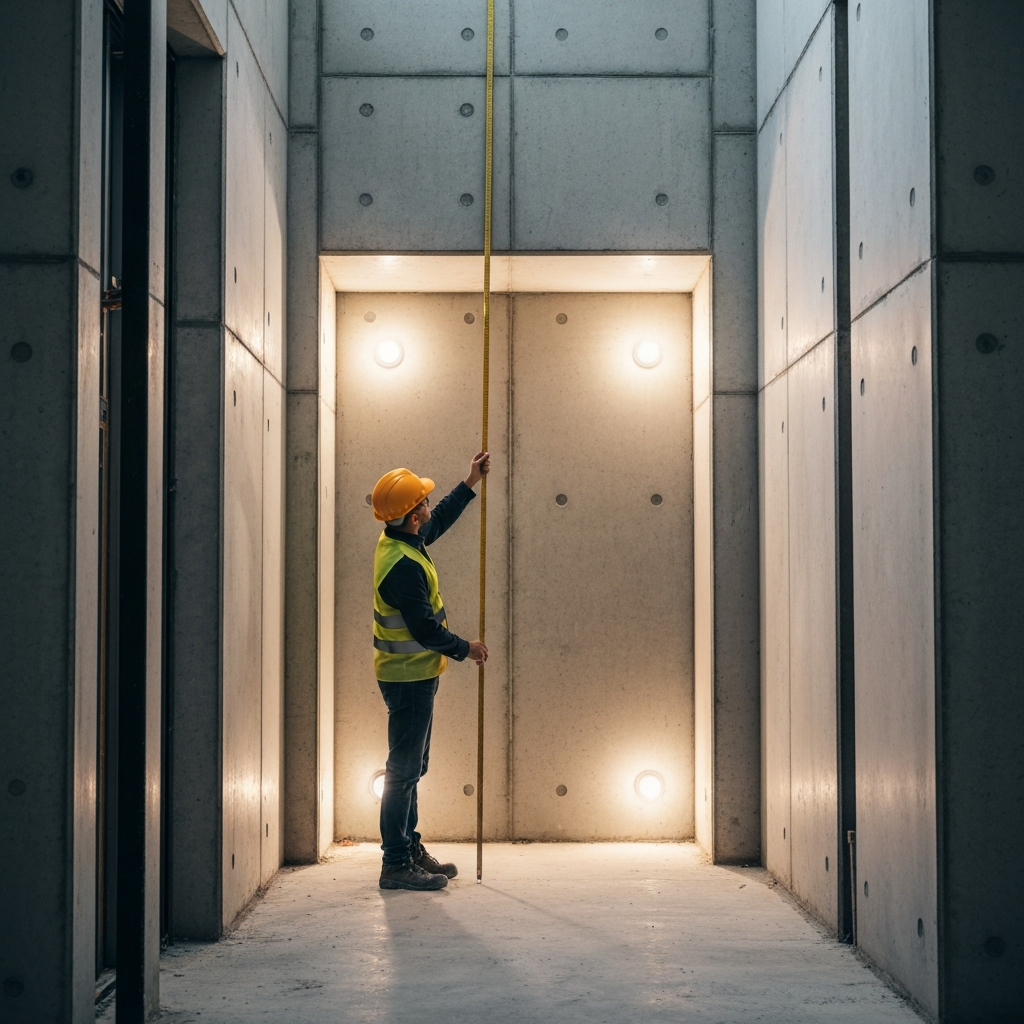
An elevator requires a dedicated shaft, which can be a significant construction undertaking, especially in existing buildings. An initial site evaluation will determine the feasibility of installing an elevator in your chosen location. This involves assessing the available space, structural integrity of the building, and any potential obstacles such as existing utilities or load-bearing walls. A structural engineer may need to be consulted to ensure the building can support the elevator's weight and operation. The site evaluation will help determine the type of elevator that is most suitable for your building.
Step 3: Select the Right Type of Elevator
Consider the Options
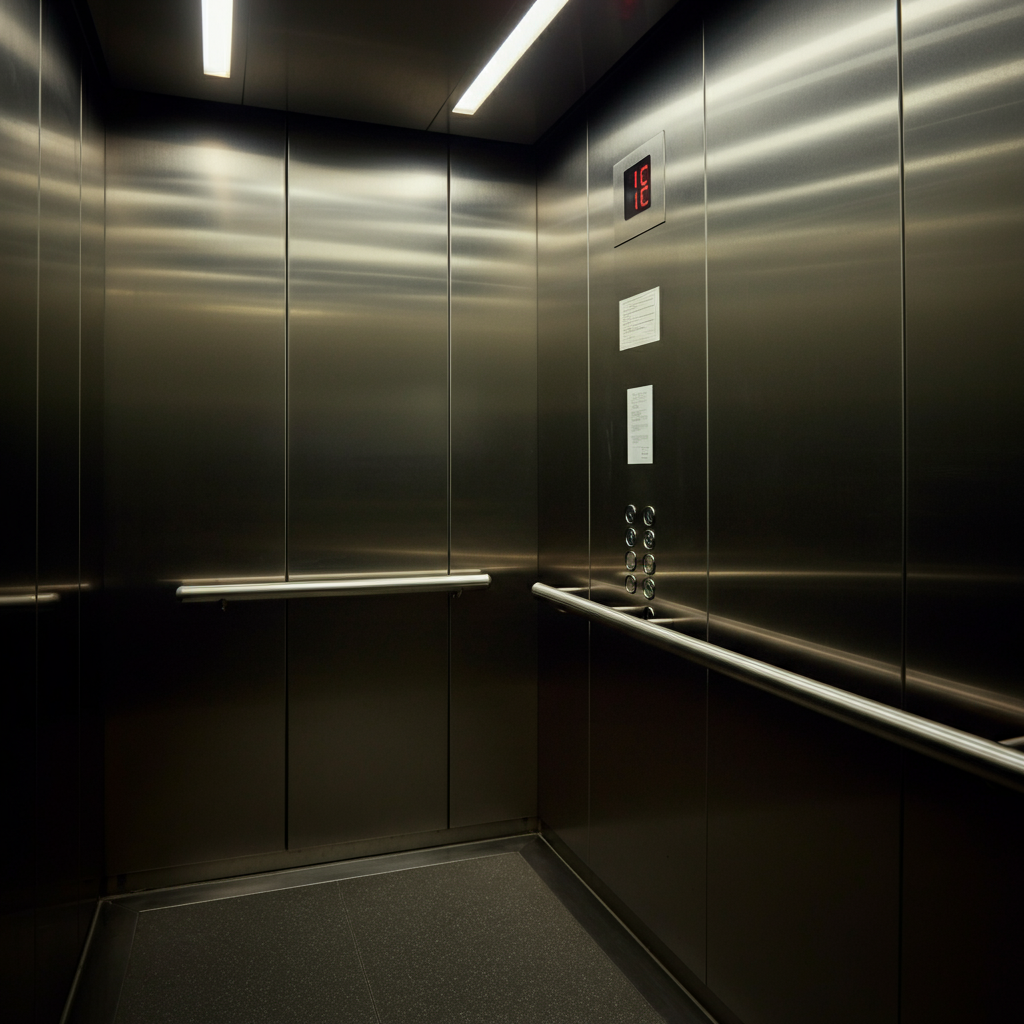
Several types of elevators are available, each with its own advantages and disadvantages. The most common types are traction elevators, hydraulic elevators, and machine-room-less (MRL) elevators. Traction elevators are typically used in high-rise buildings and rely on cables and counterweights. Hydraulic elevators use a hydraulic piston to raise and lower the cab, making them suitable for low- to mid-rise buildings. MRL elevators eliminate the need for a dedicated machine room, saving space and reducing construction costs. Stair lifts and platform lifts are alternatives for homes with seniors or wheelchair bound individuals. The best choice depends on your building's height, space constraints, budget, and desired performance.
Step 4: Obtain Bids and Choose a Contractor
Compare Qualifications and Estimates
Getting multiple bids from reputable elevator contractors is crucial. Don't just focus on the lowest price; consider the contractor's experience, qualifications, insurance, and references. Verify that the contractor is licensed and insured to perform elevator work in your area. Ask for detailed proposals that outline the scope of work, timeline, and payment schedule. Check online reviews and talk to past clients to get a sense of the contractor's reliability and quality of work.

Step 5: Secure Necessary Permits and Approvals
Navigate the Regulatory Landscape
Elevator installations typically require building permits and inspections to ensure compliance with safety codes and regulations. Your contractor should be familiar with the local permitting process and assist you in obtaining the necessary approvals. This may involve submitting detailed plans, specifications, and calculations to the local building department. Failure to obtain the required permits can result in costly delays and fines. Be prepared to answer questions and provide any additional information requested by the authorities.
Step 6: Installation Process
Oversee the Construction
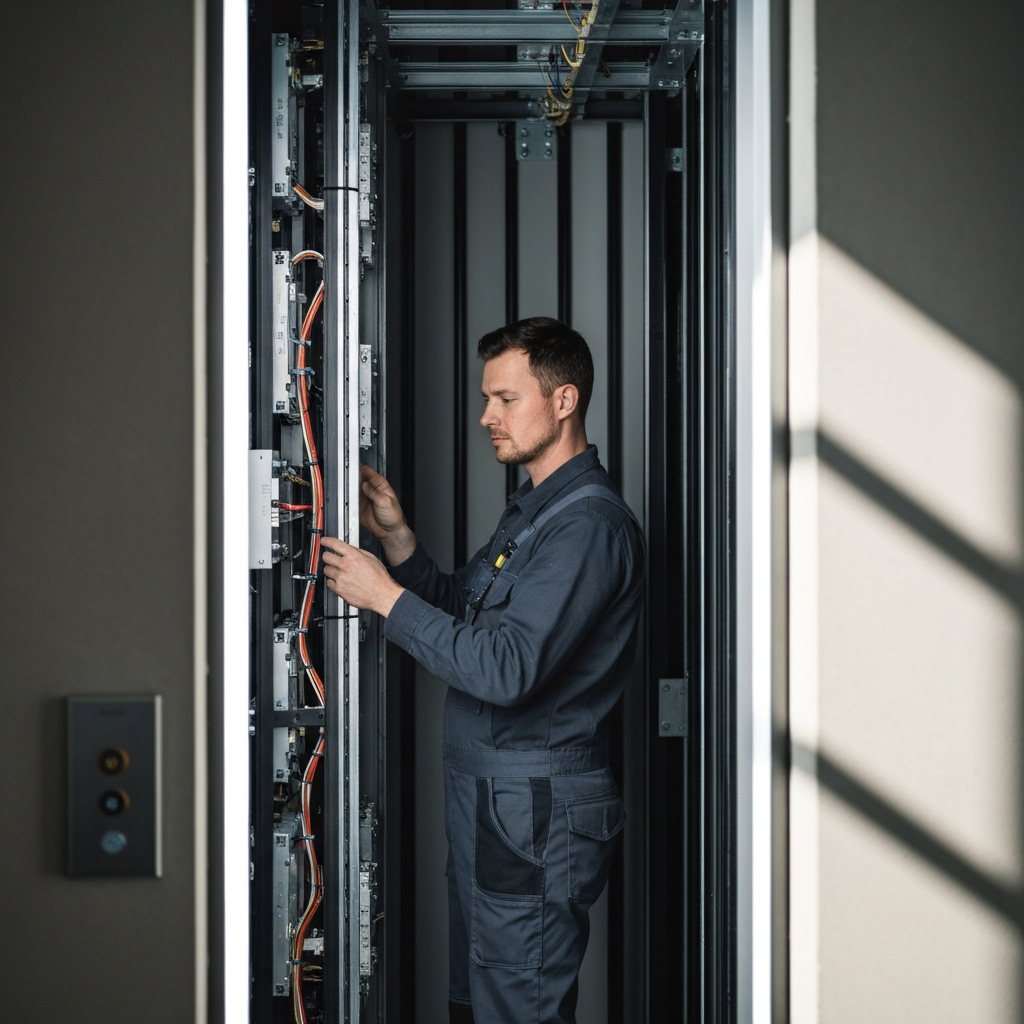
The elevator installation process typically involves demolition, structural modifications, shaft construction, elevator installation, electrical wiring, and testing. Your contractor will manage the entire process, but it's important to stay informed and monitor progress. Regular communication with the contractor is essential to address any issues or concerns that may arise. Ensure that the work is being performed according to the approved plans and specifications.
Step 7: Inspection and Certification
Ensure Safety and Compliance
Once the installation is complete, the elevator must be inspected and certified by a qualified elevator inspector. The inspector will verify that the elevator meets all applicable safety codes and regulations. This inspection is critical to ensure the safe operation of the elevator. Any deficiencies identified during the inspection must be corrected before the elevator can be put into service. After successful inspection, you will receive a certificate of compliance, allowing you to operate the elevator legally.
Step 8: Maintenance and Service
Keep it Running Smoothly
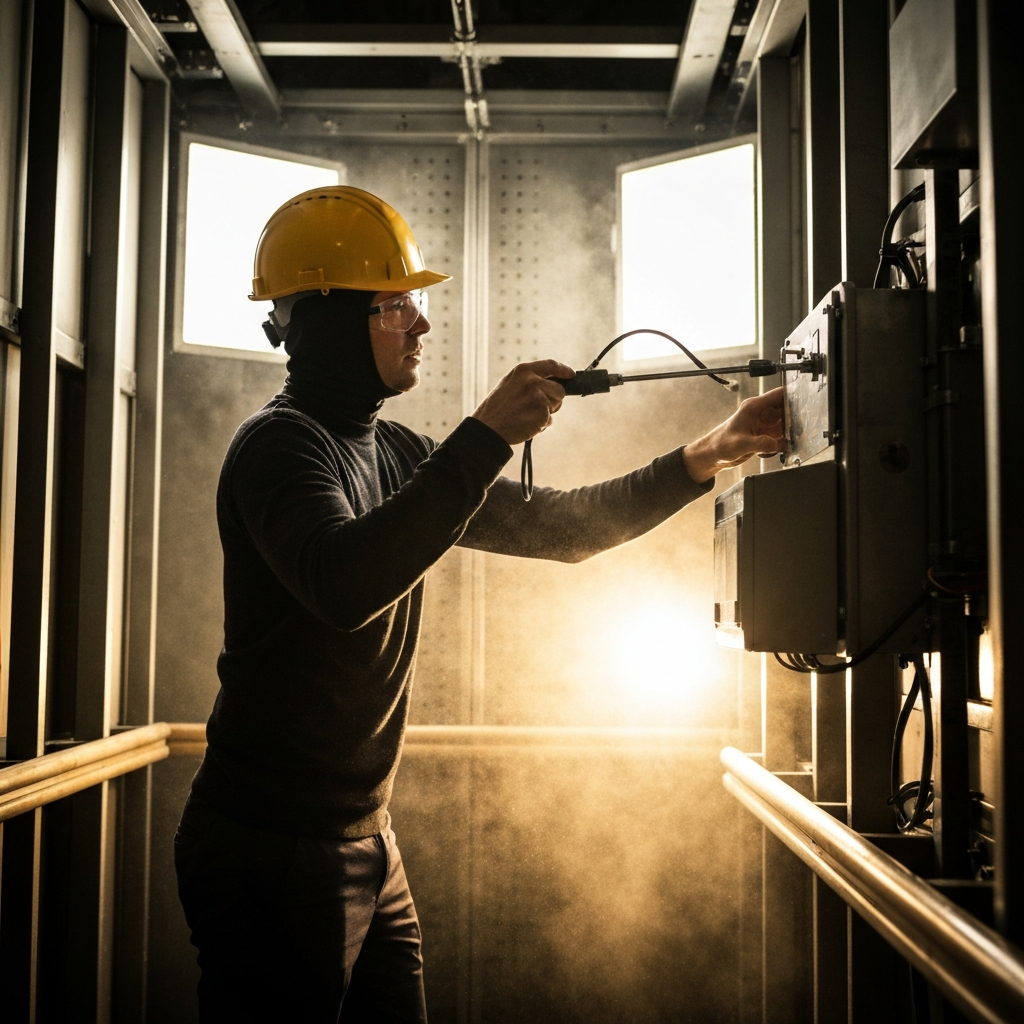
Regular maintenance is essential to ensure the safe and reliable operation of your elevator. Establish a maintenance contract with a qualified elevator service company to perform routine inspections, lubrication, and adjustments. Preventive maintenance can help identify and address potential problems before they lead to costly repairs or downtime. Keep a log of all maintenance activities and promptly address any issues reported by users.
Safety Considerations
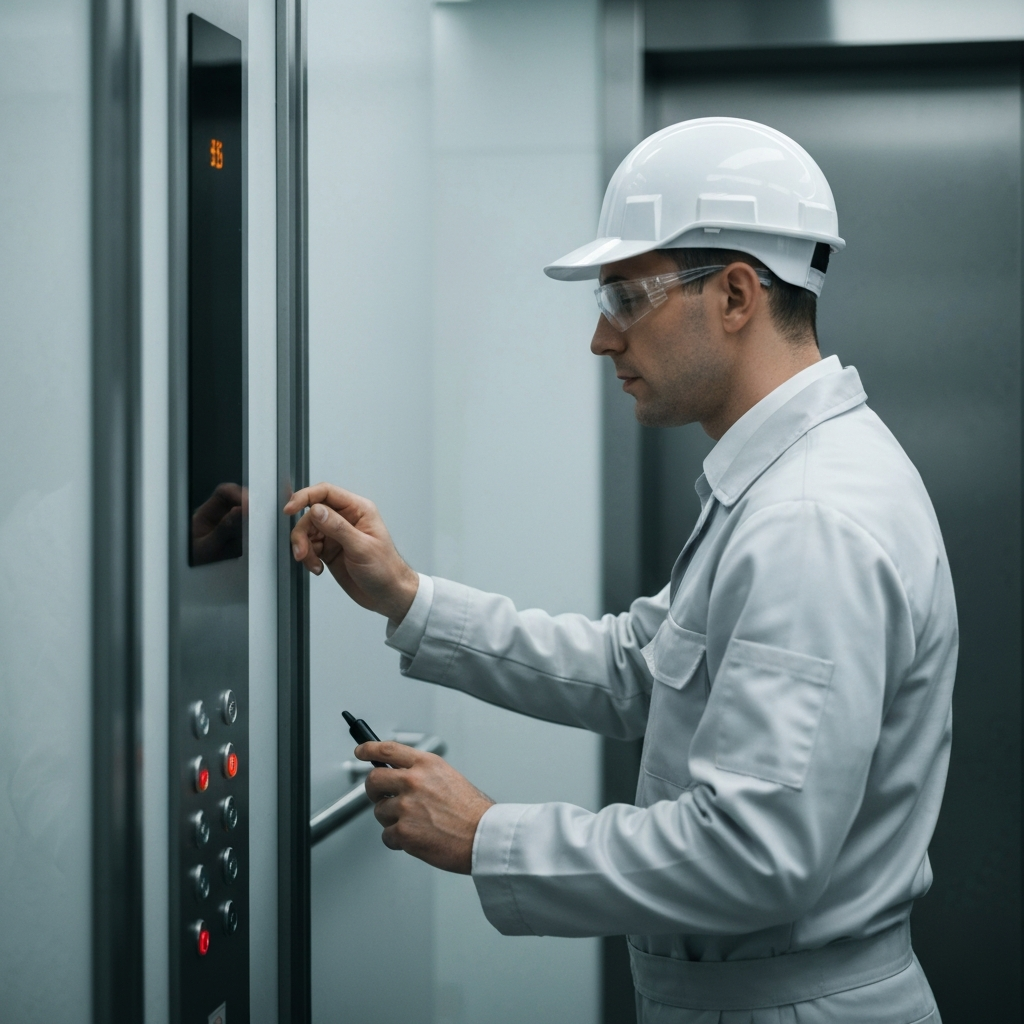
- Never attempt to repair or maintain an elevator yourself. Elevator work should only be performed by qualified technicians.
- Ensure that the elevator is equipped with emergency communication devices, such as a phone or intercom.
- Regularly inspect the elevator cab and surrounding areas for any signs of damage or wear.
- Train building occupants on proper elevator usage and emergency procedures.
FAQ Section
- How long does it take to install an elevator?
- The installation timeline varies depending on the complexity of the project, but it can typically take several weeks to several months.
- How much does it cost to install an elevator?
- The cost of elevator installation depends on the type of elevator, the building's structure, and the amount of demolition and construction required. It can range from tens of thousands to hundreds of thousands of dollars.
- Do I need a separate machine room for an elevator?
- Machine-room-less (MRL) elevators eliminate the need for a dedicated machine room, saving space and reducing construction costs. However, traditional traction and hydraulic elevators typically require a machine room.
Conclusion
Installing an elevator is a complex project that requires careful planning, professional expertise, and adherence to safety regulations. By following the steps outlined in this guide, you can navigate the process successfully and ensure a safe and reliable elevator for your building. Remember to prioritize safety, compliance, and communication throughout the entire project.