Have you ever felt that irresistible pull towards the kitchen, a yearning to create delicious masterpieces? Do you dream of whipping up gourmet meals or mastering the art of baking? If so, you're not alone. Many people harbor a secret (or not-so-secret) passion for cooking, but often find themselves unsure where to begin. This guide provides a roadmap to help you transform that passion into a tangible skill and a source of immense personal satisfaction.
Embarking on a culinary journey can be incredibly rewarding, offering opportunities for creativity, experimentation, and connection. It's about more than just following recipes; it's about understanding flavors, techniques, and the joy of sharing your creations with others. The most important ingredient in any recipe is genuine enthusiasm.
So, whether you're a complete beginner or have some experience under your belt, this comprehensive guide will provide the tools and knowledge you need to nurture your cooking passions and elevate your culinary skills. Get ready to ignite your creativity and embark on a delicious adventure!
-
Step 1: Discover Your Culinary Interests
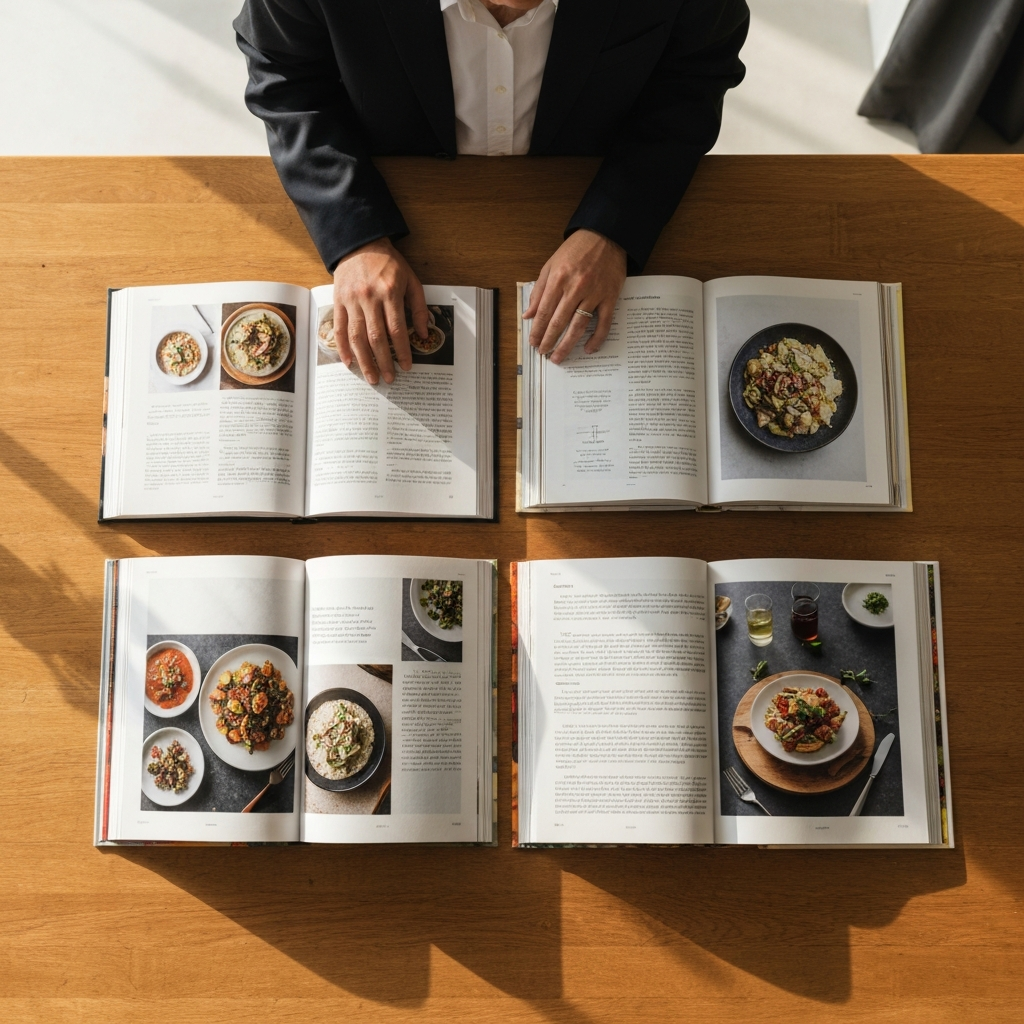
The first step is to identify what aspects of cooking truly excite you. Are you drawn to the artistry of pastry making, the comforting simplicity of home-style meals, the exotic flavors of international cuisine, or the precision of molecular gastronomy? Exploring different genres will help you pinpoint your niche and focus your learning efforts. Consider what types of food you enjoy eating the most – this is a great place to start! Experiment with different cookbooks, online resources, and cooking shows to broaden your horizons and spark inspiration.
-
Step 2: Master the Fundamentals
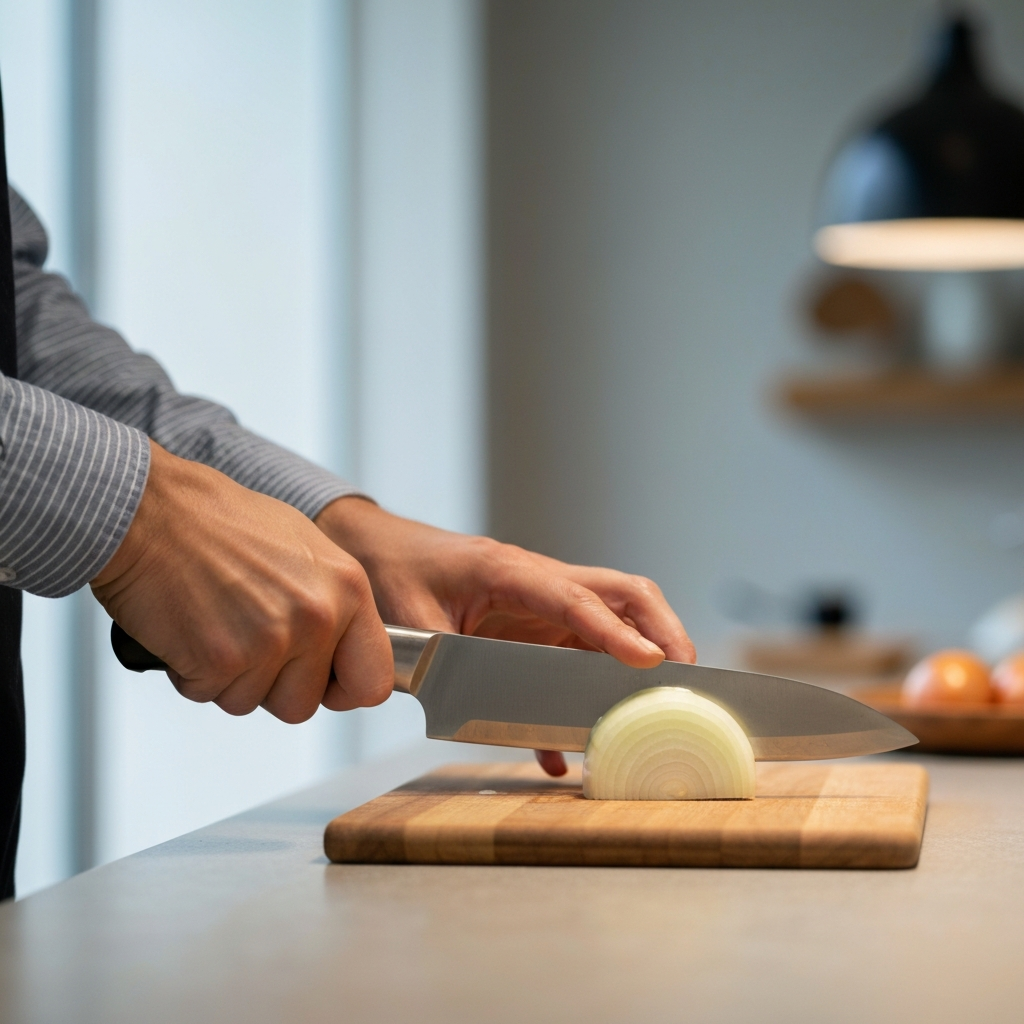
Before you can run, you must walk. Similarly, before you can create elaborate dishes, you need to master the fundamental cooking techniques. This includes knife skills (chopping, dicing, mincing), understanding heat control, learning basic sauces (béchamel, tomato sauce, vinaigrette), and familiarizing yourself with essential cooking methods (sautéing, roasting, grilling, braising). Don't underestimate the importance of proper knife skills – they will save you time and improve the safety of your cooking. Start with simple recipes that emphasize these techniques and gradually increase the complexity as your skills improve.
-
Step 3: Build a Solid Culinary Foundation
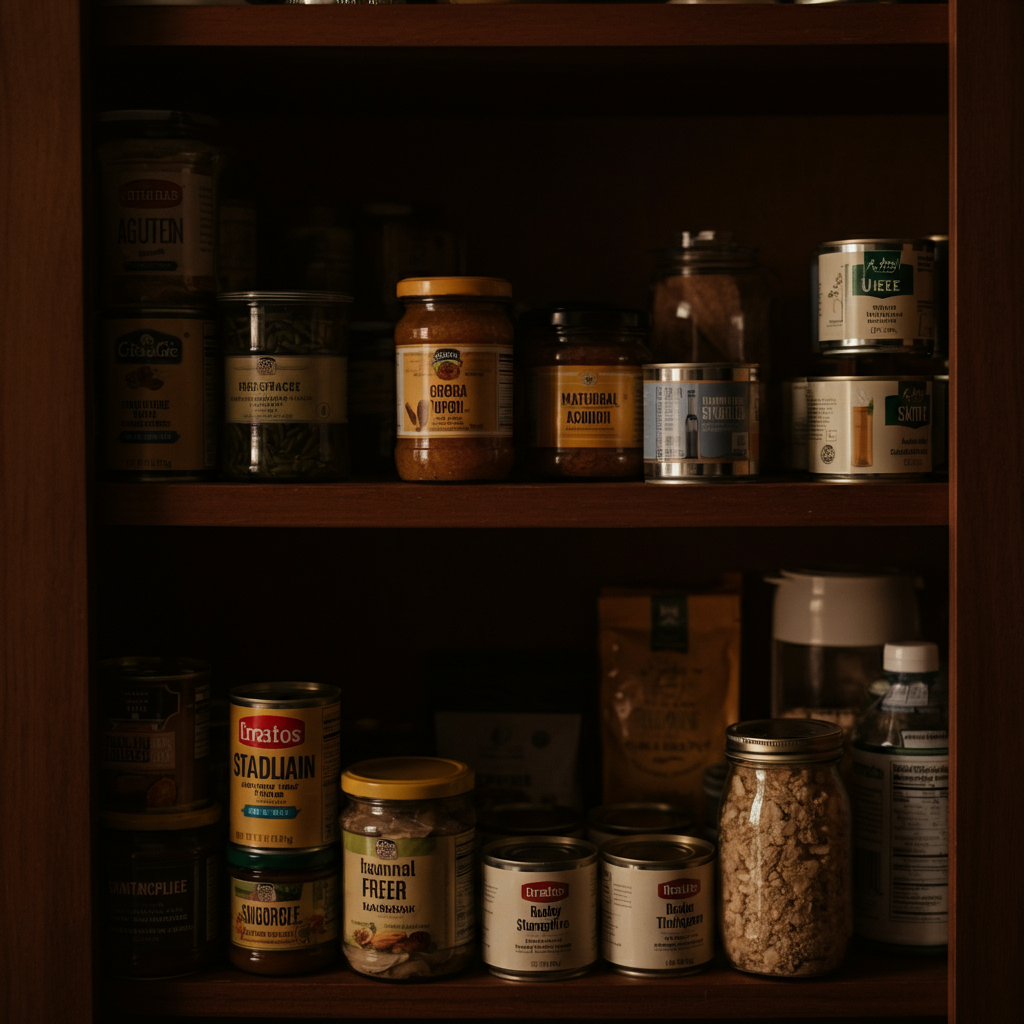
Equipping yourself with the right tools and ingredients is crucial for success. Invest in a good set of knives, a sturdy cutting board, quality pots and pans, and essential kitchen utensils. Stock your pantry with basic ingredients like flour, sugar, salt, pepper, oil, vinegar, and dried herbs. Purchasing high-quality ingredients will significantly impact the final taste of your dishes. Consider visiting local farmers' markets or specialty food stores to discover fresh, seasonal produce and unique ingredients that can elevate your cooking.
-
Step 4: Seek Out Learning Opportunities
There are numerous avenues for expanding your culinary knowledge. Consider taking cooking classes, either in-person or online, to learn from experienced chefs and interact with fellow food enthusiasts. Read cookbooks and culinary blogs to stay updated on the latest trends and techniques. Don't be afraid to experiment and adapt recipes to your own taste preferences. Watch cooking shows and documentaries to gain inspiration and learn from the masters. Actively seek out opportunities to learn and grow as a cook.

-
Step 5: Embrace Experimentation and Creativity
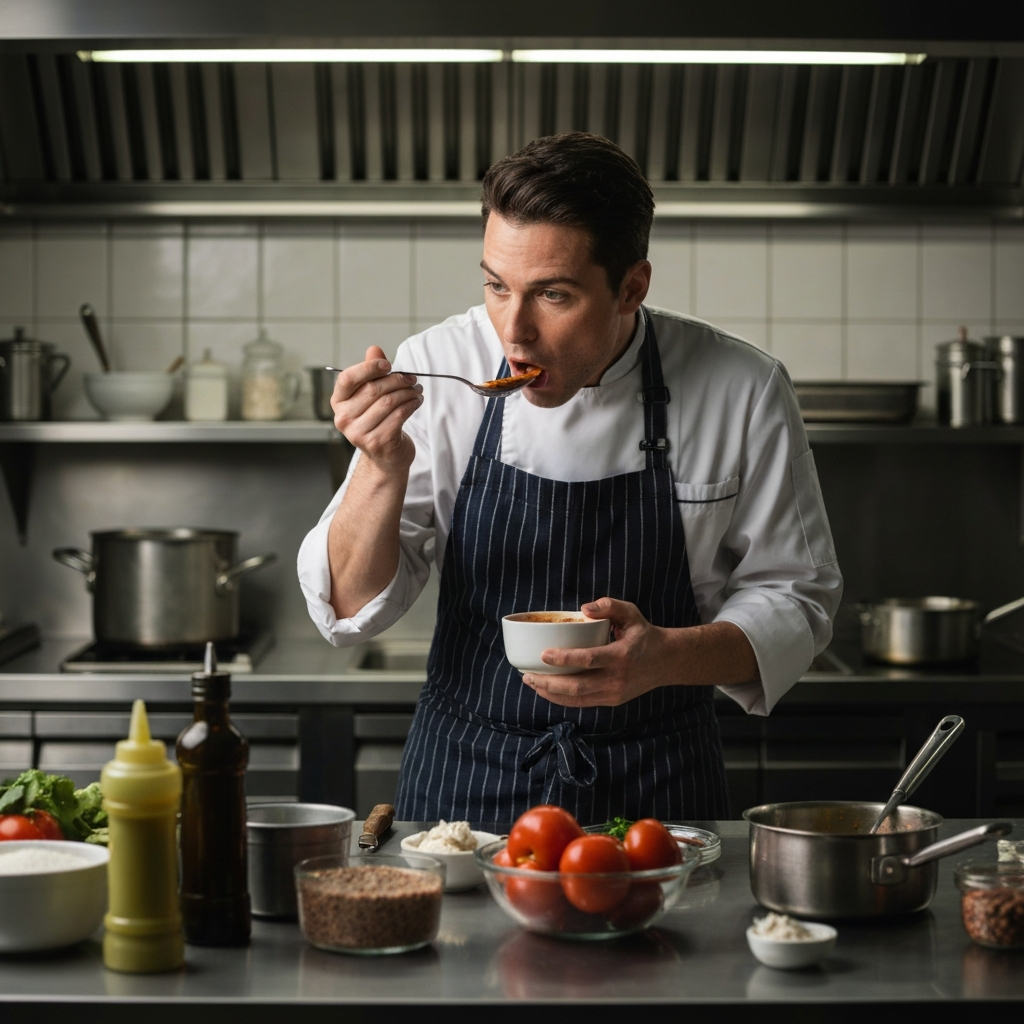
Cooking is an art form, and like any art form, it thrives on experimentation and creativity. Don't be afraid to deviate from recipes, substitute ingredients, and create your own signature dishes. Trust your instincts and let your palate guide you. The most memorable dishes often come from unexpected combinations and bold flavors. Document your experiments in a cooking journal, noting the ingredients, techniques, and results. This will help you track your progress and refine your skills.
-
Step 6: Share Your Culinary Creations
Cooking is even more enjoyable when shared with others. Invite friends and family over for dinner parties, potlucks, or casual gatherings. Cooking for loved ones is a rewarding experience that strengthens bonds and creates lasting memories. Accept feedback gracefully and use it as an opportunity to improve your skills. Consider sharing your recipes and cooking tips on social media or starting your own food blog. Connecting with other food enthusiasts can inspire you and provide valuable support.

Pro Tips
- Always taste your food as you cook and adjust seasoning accordingly.
- Use a kitchen scale for precise measurements, especially when baking.
- Invest in a good quality meat thermometer to ensure food safety.
- Clean as you go to keep your kitchen organized and efficient.
- Don't be afraid to ask for help or advice from experienced cooks.
Common Mistakes to Avoid
- Overcrowding the pan when sautéing or searing.
- Using dull knives.
- Not preheating the oven properly.
- Overmixing batter when baking.
- Ignoring food safety guidelines.
Safety Considerations
- Always use caution when working with knives and sharp objects.
- Be mindful of hot surfaces and steam.
- Wash your hands thoroughly before and after handling food.
- Store food properly to prevent spoilage and contamination.
- Use a fire extinguisher in case of emergencies.
FAQ Section
- Q: What if I'm a complete beginner?
- A: Start with simple recipes and focus on mastering the fundamentals. Don't be afraid to make mistakes – it's part of the learning process!
- Q: How can I improve my knife skills?
- A: Practice regularly and watch videos or take classes to learn proper techniques. A sharp knife is essential for safety and efficiency.
- Q: What if a recipe doesn't turn out as expected?
- A: Analyze what went wrong and try again. Cooking is a process of trial and error. Don't get discouraged!
Following your cooking passions is a journey of continuous learning and discovery. By embracing experimentation, seeking out knowledge, and sharing your creations with others, you can transform your love for food into a fulfilling and rewarding pursuit. Remember to start with the basics, be patient with yourself, and most importantly, have fun! The kitchen is your playground – don't be afraid to get messy and create something amazing. So, put on your apron, grab your whisk, and embark on a culinary adventure that will nourish your body, mind, and soul.