Ever wake up feeling like you partied all night, even though you didn't touch a drop of alcohol? It's a surprisingly common experience. The symptoms – headache, fatigue, nausea, brain fog – can mimic a classic hangover, leaving you confused and frustrated. But don't worry; you're not alone, and there are identifiable reasons and effective strategies to combat this phenomenon.
The feeling of being "hungover" without alcohol stems from a variety of physiological and psychological factors. Dehydration, poor sleep, dietary imbalances, and even emotional distress can all contribute. Understanding the potential causes is the first step toward finding relief and preventing future occurrences.
This guide will explore the most common reasons why you might be experiencing hangover-like symptoms without the alcohol, and provide actionable steps you can take to feel better. We'll delve into practical solutions, lifestyle adjustments, and when it's important to seek professional medical advice.
Step 1: Hydration is Key
Address Potential Dehydration
Dehydration is a major culprit behind hangover-like symptoms. Even mild dehydration can trigger headaches, dizziness, and fatigue. Alcohol is a diuretic, meaning it promotes fluid loss, but you don't need alcohol to become dehydrated. Insufficient water intake, excessive sweating (during exercise or hot weather), and certain medical conditions can all lead to dehydration.

Step 2: Blood Sugar Balance
Regulate Your Blood Sugar Levels
Dramatic fluctuations in blood sugar can wreak havoc on your system. Consuming a large amount of sugary foods or drinks, especially before bed, can lead to a rapid spike followed by a crash. This "sugar crash" can manifest as a headache, shakiness, nausea, and fatigue – all symptoms commonly associated with a hangover. Aim for consistent blood sugar levels through balanced meals and snacks.

Step 3: Caffeine Withdrawal
Manage Caffeine Intake
If you're a regular coffee drinker, even a slight reduction in your daily caffeine intake can trigger withdrawal symptoms. These symptoms often mirror those of a hangover, including headache, fatigue, difficulty concentrating, and irritability. Consider gradually reducing your caffeine intake if you're trying to cut back, or ensure you maintain a consistent level of consumption each day.

Step 4: Medication Side Effects
Evaluate Your Medications
Certain medications can cause side effects that mimic hangover symptoms. Common culprits include antihistamines, sleeping pills, and some antidepressants. If you've recently started a new medication or changed your dosage, carefully monitor your body for any adverse reactions. Consult with your doctor or pharmacist to determine if your medication is the cause of your symptoms.

Step 5: Underlying Infection
Rule Out Illness
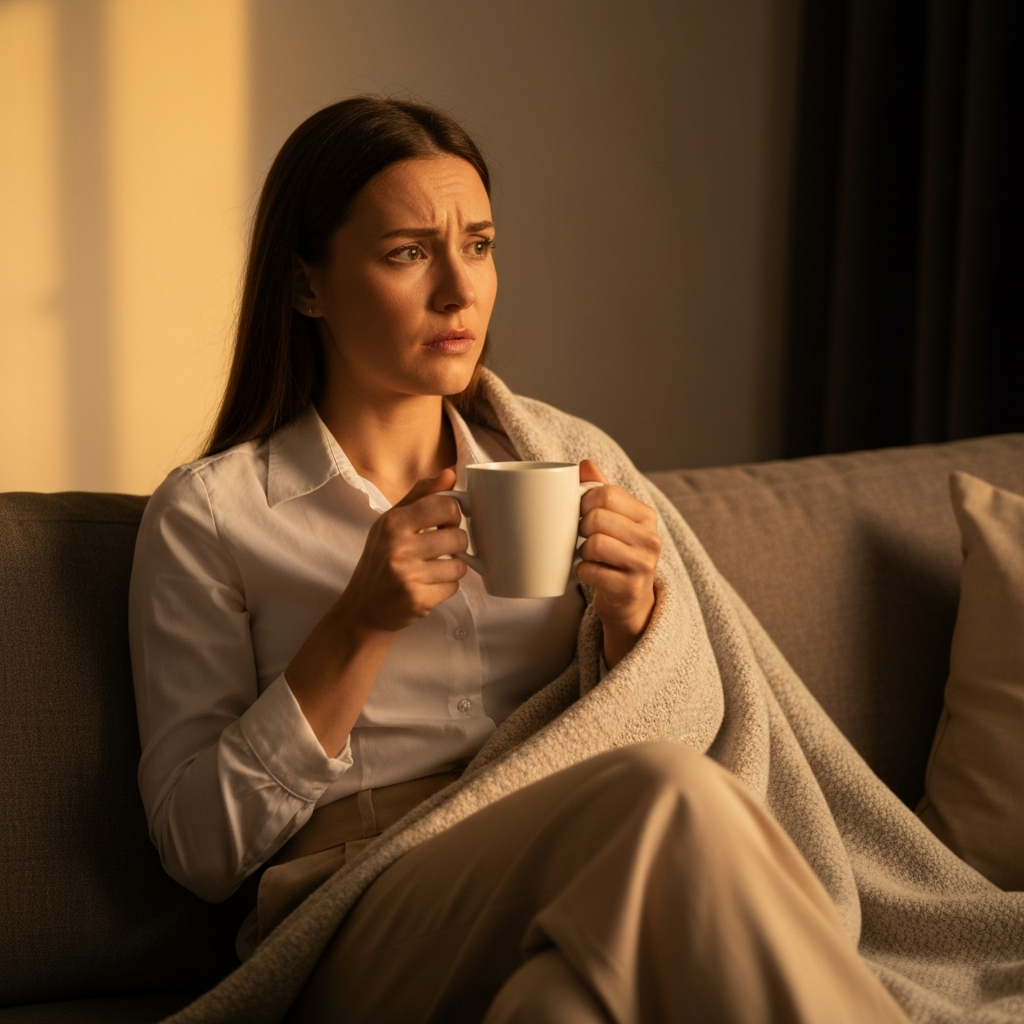
Sometimes, feeling hungover without drinking can be an early sign of an underlying infection, such as the flu or a cold. Viral or bacterial illnesses can disrupt your body's natural temperature regulation and lead to fatigue, body aches, and general malaise. Pay attention to other symptoms like fever, cough, or sore throat, and consult a doctor if you suspect you might be ill.
Step 6: Prioritize Sleep
Improve Sleep Quality
Poor sleep quality can have a profound impact on your overall health and well-being. Insufficient sleep can lead to fatigue, impaired cognitive function, and increased susceptibility to illness. Aim for at least 7-8 hours of quality sleep each night. Establish a consistent sleep schedule, create a relaxing bedtime routine, and optimize your sleep environment.

Step 7: Medical Conditions
Consider Underlying Medical Conditions
In some cases, persistent hangover-like symptoms may be a sign of an underlying medical condition. Anemia, hypothyroidism, and diabetes are just a few examples of conditions that can cause fatigue, weakness, and cognitive impairment. If you're experiencing these symptoms frequently and they don't improve with lifestyle changes, it's essential to consult with a doctor for a thorough evaluation.

Step 8: Pregnancy Awareness
Consider Pregnancy
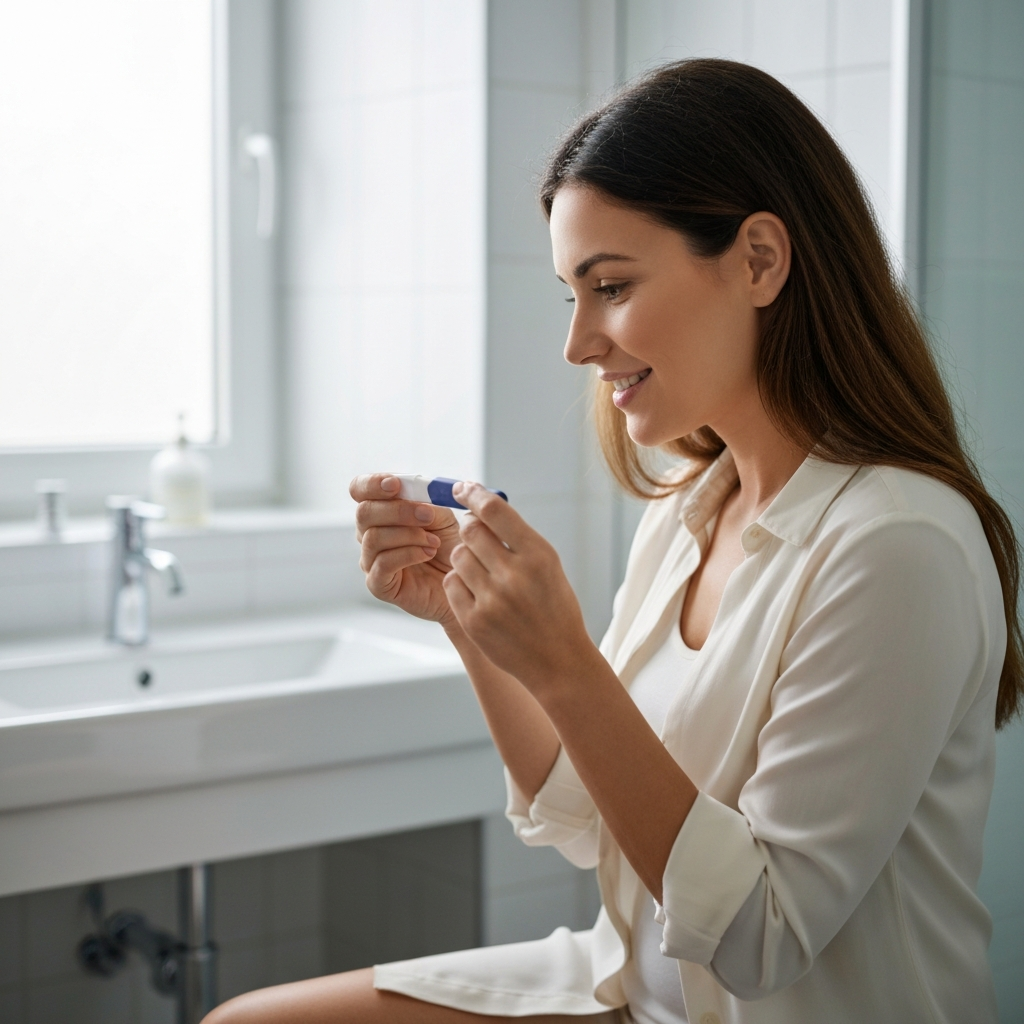
For women, early pregnancy can often manifest with symptoms that mimic a hangover, such as fatigue, nausea, and general malaise. These symptoms are caused by hormonal changes and can occur even before a missed period. If you're experiencing unexplained hangover-like symptoms and there's a possibility you could be pregnant, consider taking a pregnancy test.
Step 9: Address Anemia
Investigate Anemia
Anemia, a condition characterized by a deficiency of red blood cells, can lead to various symptoms that resemble a hangover. These symptoms include fatigue, dizziness, weakness, and heart palpitations. If you suspect you might be anemic, consult your doctor for a diagnosis and treatment plan. Treatment typically involves iron supplementation and addressing the underlying cause of the anemia.
Step 10: Emotional Hangover
Acknowledge and Address Emotional Stress
Intense emotional experiences can leave you feeling drained and depleted, much like a physical hangover. Events like stressful work projects, challenging family situations, or even joyful celebrations can trigger an "emotional hangover." Prioritize self-care, such as exercise, meditation, or spending time in nature, to help your body and mind recover. Recognize your limits and set healthy boundaries to avoid overextending yourself.
Tools or Materials Required
- Water bottle
- Electrolyte supplements (optional)
- Comfortable bedding
- Healthy snacks (fruits, vegetables, nuts)
- Journal (optional)
Common Mistakes to Avoid
- Ignoring the symptoms and hoping they'll go away on their own.
- Self-diagnosing without consulting a doctor.
- Relying solely on quick fixes like caffeine or sugary drinks.
- Not prioritizing sleep and stress management.
Safety Considerations
- If you experience severe or persistent symptoms, seek medical attention.
- Do not self-medicate without consulting a doctor or pharmacist.
- Be mindful of potential medication interactions.
Pro Tips
- Keep a symptom journal to track your experiences and identify potential triggers.
- Experiment with different self-care techniques to find what works best for you.
- Prioritize stress management through relaxation techniques, exercise, or therapy.
FAQ Section
- How long does a "non-alcoholic hangover" usually last?
- The duration can vary depending on the cause, but most symptoms resolve within a day or two. Emotional hangovers might linger longer.
- When should I see a doctor?
- If your symptoms are severe, persistent, or accompanied by other concerning signs (fever, chest pain, difficulty breathing), consult a doctor.
- Can stress really cause hangover-like symptoms?
- Yes, chronic stress can disrupt hormonal balance and lead to fatigue, headaches, and digestive issues.
Conclusion
Feeling hungover without drinking can be a perplexing and frustrating experience. However, by understanding the potential causes and implementing the strategies outlined in this guide, you can effectively manage your symptoms and improve your overall well-being. Remember to prioritize hydration, balance your blood sugar, manage your caffeine intake, address potential medication side effects, prioritize sleep, and seek medical advice when necessary. With a proactive approach, you can regain control and banish those unwanted hangover feelings.