The gym can be an intimidating place, especially when you're just starting out. All those machines, the toned bodies, and the seemingly effortless workouts can trigger feelings of anxiety and self-doubt. But remember, everyone starts somewhere. The key to feeling confident at the gym is to focus on your own journey, set realistic goals, and prepare yourself mentally and physically.
This guide is designed to equip you with practical strategies and actionable steps to overcome gym anxiety and cultivate a sense of self-assurance. We'll cover everything from planning your workouts and choosing comfortable attire to leveraging gym resources and managing self-comparison. By implementing these tips, you'll be well on your way to a more enjoyable and empowering gym experience.
Don't let fear hold you back from achieving your fitness goals. Let's dive in and unlock your inner gym confidence!
Step 1: Plan Your Workout in Advance
Craft a Concrete Workout Plan
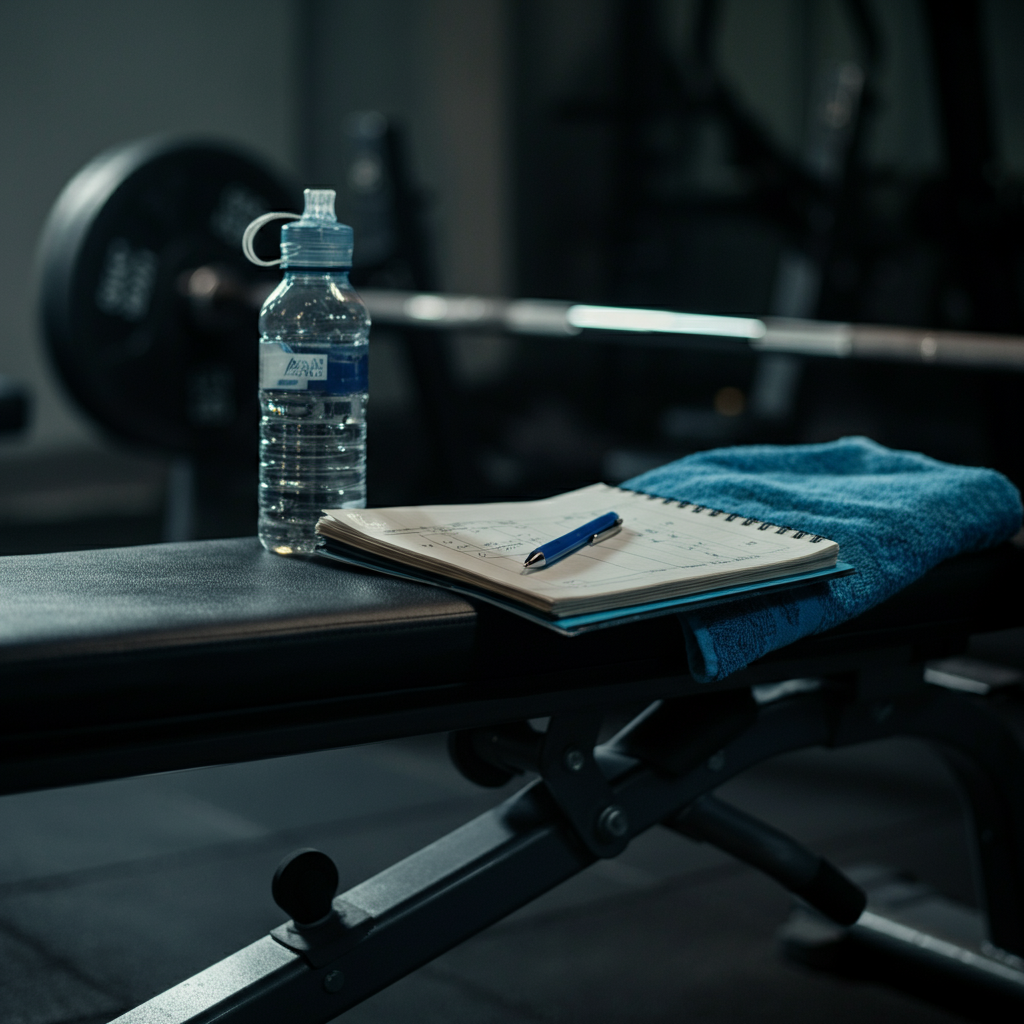
Walking into the gym without a plan is like embarking on a road trip without a map. You'll likely wander aimlessly, feeling lost and overwhelmed. Instead, before you even set foot in the gym, decide which muscle groups you want to target and select specific exercises for each. This could be a full-body routine, a split focusing on upper and lower body, or a session dedicated to cardio. Knowing exactly what you're going to do will boost your confidence and prevent that deer-in-the-headlights feeling when you arrive.
Consider writing down your workout, including the exercises, sets, reps, and rest periods. This provides a tangible guide to follow and helps you track your progress over time. Don't be afraid to start with a simple routine and gradually increase the complexity as you become more comfortable. Remember to adjust the plan according to how you are feeling. If you are particularly sore, you may want to focus on a different muscle group.
Step 2: Choose Comfortable and Functional Workout Attire
Dress for Success and Comfort
What you wear to the gym can significantly impact your confidence. Opt for clothing that is comfortable, allows for a full range of motion, and makes you feel good about yourself. This doesn't mean you need to buy expensive designer activewear; prioritize functionality and fit over brand names. Choose breathable fabrics that wick away sweat to keep you cool and dry during your workout. Avoid clothing that is too tight or restrictive, as this can hinder your movement and make you feel self-conscious.
Consider the type of workout you'll be doing when selecting your attire. For example, if you're planning on running, wear supportive shoes and moisture-wicking socks. If you're lifting weights, choose shoes with a stable base and clothing that won't get in the way of your movements. Ultimately, the goal is to choose an outfit that empowers you to focus on your workout without feeling uncomfortable or self-conscious about your appearance.

Step 3: Enlist a Workout Buddy for Support and Motivation
The Power of Partnership
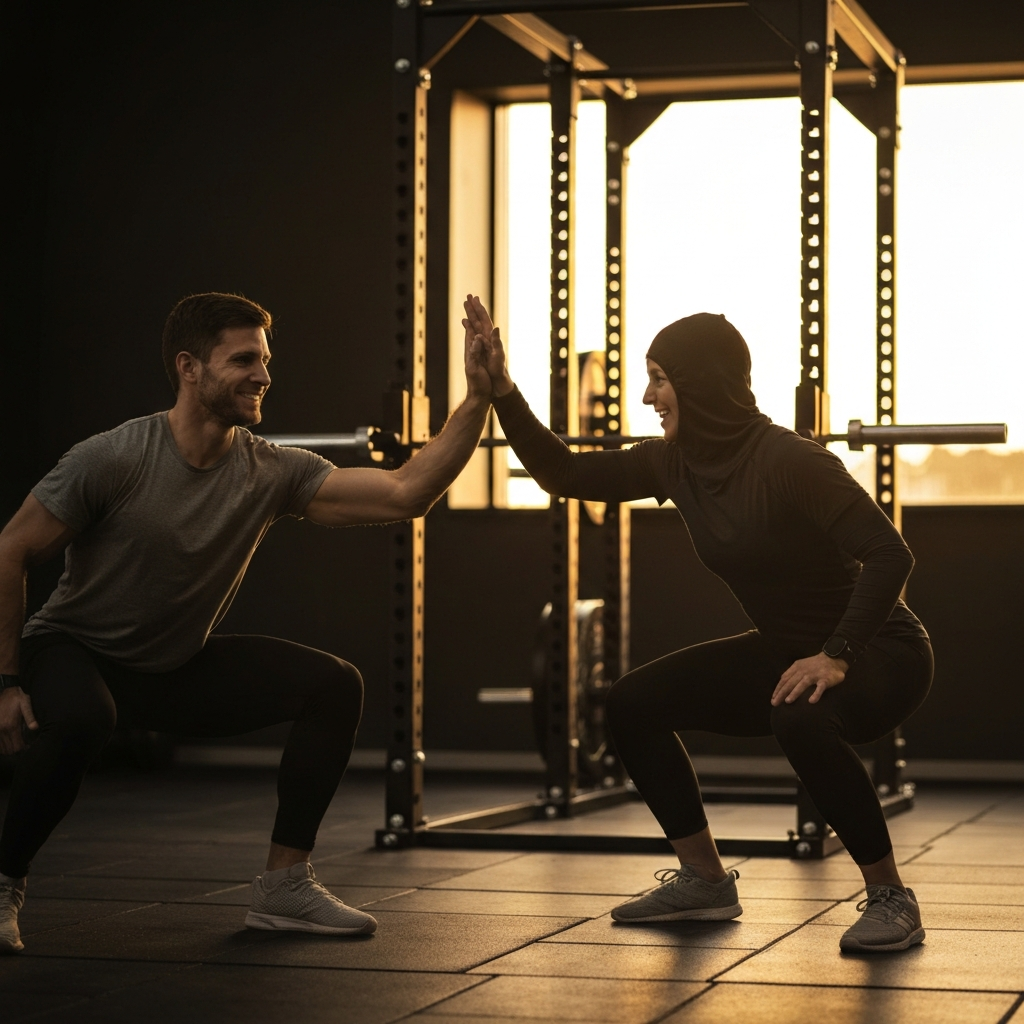
Working out with a friend can make the gym experience significantly less intimidating. A workout buddy provides moral support, motivation, and accountability. Knowing that someone is expecting you at the gym can make it harder to skip your workout, especially on days when you're feeling unmotivated. Choose a friend or acquaintance who shares similar fitness goals and is committed to maintaining a consistent workout schedule.
A workout buddy can also help you learn new exercises, spot you during weightlifting, and provide constructive feedback on your form. Plus, having someone to chat with between sets can make the time fly by and make the workout more enjoyable. If you don't have a friend who's interested in working out with you, consider joining a group fitness class or seeking out a personal trainer. These options provide a sense of community and support that can boost your confidence.
Step 4: Strategically Choose Your Workout Time
Avoid Peak Hours for a Less Crowded Environment
The gym environment can be overwhelming, especially during peak hours when the equipment is crowded and the atmosphere is frenetic. To minimize anxiety, try to schedule your workouts during off-peak hours, such as early mornings, late evenings, or mid-day on weekdays. This will give you more space to move around, easier access to equipment, and a less intimidating atmosphere overall.
Call your gym to inquire about their busiest times. Alternatively, many gyms have online activity trackers, and apps, which show how busy the gym is in real-time. If you're new to the gym, consider visiting during a less busy time to familiarize yourself with the layout and equipment. This will allow you to explore at your own pace without feeling rushed or pressured.
Step 5: Create an Empowering Workout Playlist
Harness the Power of Music
Music can be a powerful tool for boosting your mood and enhancing your workout performance. Create a playlist of songs that you love and that energize you. Choose music that has a strong beat and positive lyrics to help you stay motivated and focused. Experiment with different genres and tempos to find what works best for you.
Consider downloading your playlist to your phone or music player so you can listen offline and avoid interruptions. Invest in a good pair of headphones that fit comfortably and stay in place during your workout. Music can help you block out distractions, drown out negative thoughts, and boost your overall confidence at the gym.
Step 6: Educate Yourself on Proper Exercise Technique
Knowledge is Power
One of the biggest sources of anxiety at the gym is the fear of doing exercises incorrectly. To combat this, take the time to research proper exercise technique before you start working out. There are countless resources available online, including videos, articles, and tutorials. Focus on learning the correct form for each exercise to prevent injuries and maximize your results.
Start with basic exercises and gradually progress to more advanced movements as you become more comfortable. If you're unsure about proper form, consider consulting with a personal trainer or asking a gym employee for assistance. Many gyms offer introductory sessions or workshops that cover basic exercise techniques. Don't be afraid to ask for help; it's better to learn the right way from the start than to develop bad habits.
Step 7: Set Realistic Goals and Track Your Progress
Celebrate Small Victories
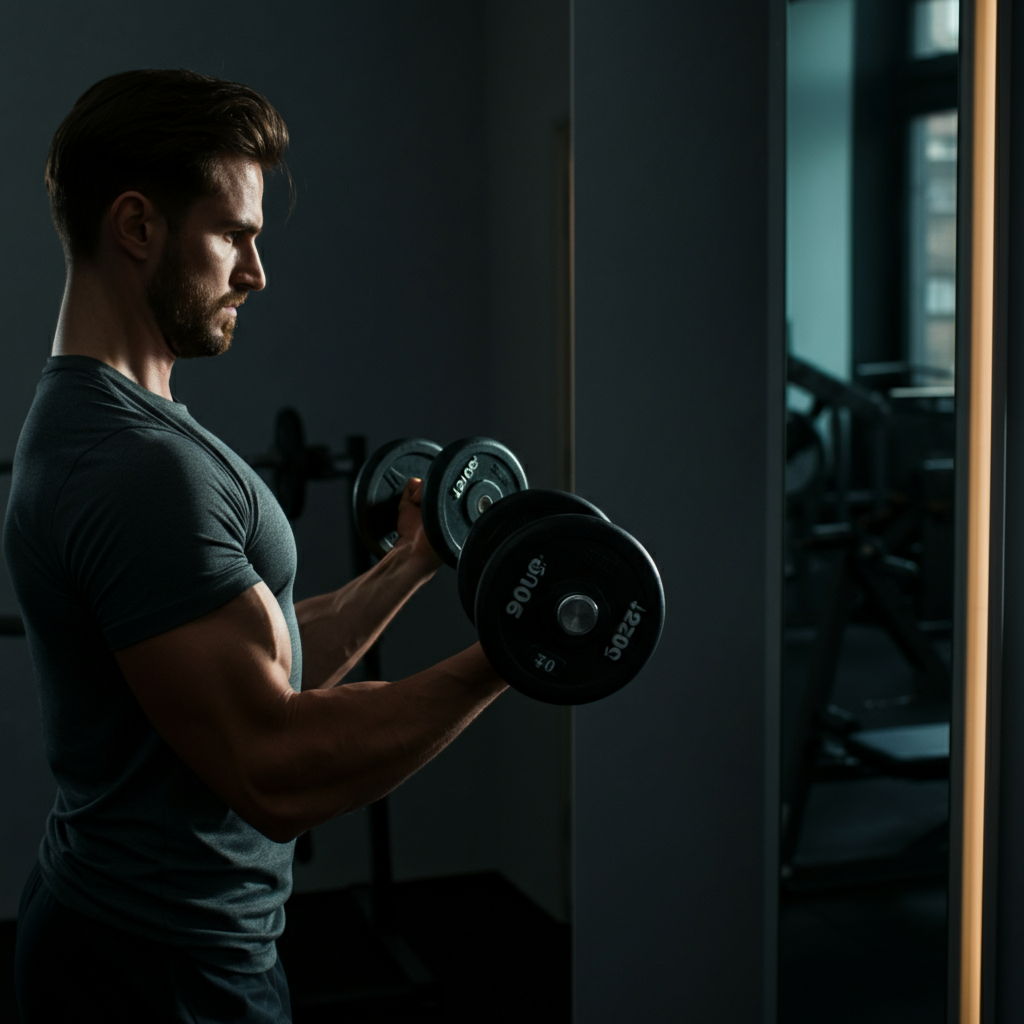
Setting realistic goals is crucial for staying motivated and building confidence at the gym. Avoid setting overly ambitious goals that are difficult to achieve, as this can lead to discouragement and frustration. Instead, focus on setting small, achievable goals that you can realistically accomplish in the short term.
For example, if you're new to weightlifting, aim to increase the weight you lift by a small increment each week. If you're focusing on cardio, aim to increase the duration or intensity of your workouts gradually. Track your progress by writing down your workouts, noting the weight you lifted, the distance you ran, or the number of repetitions you completed. Celebrating small victories along the way will help you stay motivated and build confidence in your abilities.
Step 8: Consider Working with a Qualified Personal Trainer
Personalized Guidance and Support
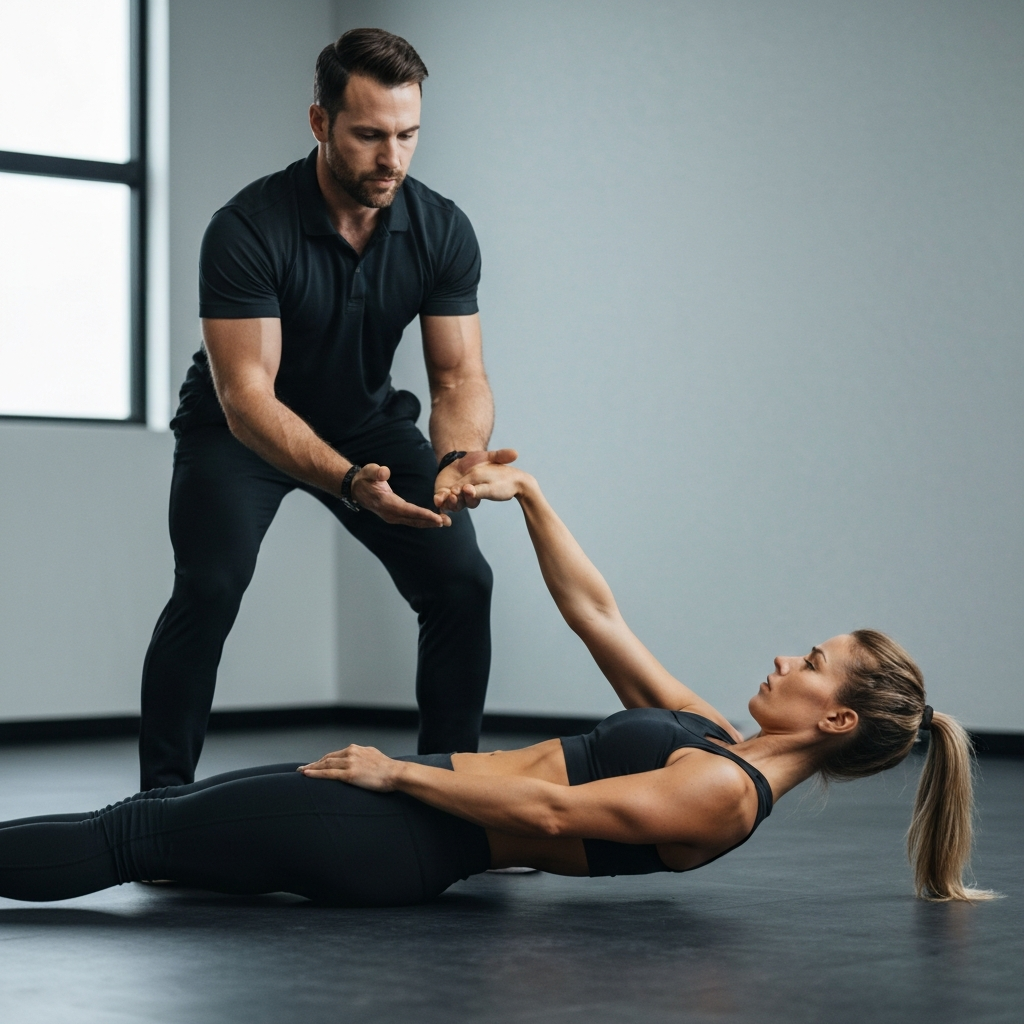
If you're feeling overwhelmed or unsure about where to start, consider working with a qualified personal trainer. A personal trainer can provide personalized guidance, develop a customized workout plan, and teach you proper exercise technique. A good trainer will also provide motivation, support, and accountability to help you stay on track toward your fitness goals.
Working with a personal trainer can be a significant investment, but it can be well worth it if you're serious about improving your fitness and building confidence at the gym. Look for a trainer who is certified, experienced, and has a proven track record of success. Ask for referrals from friends or family members, or check online reviews to find a reputable trainer in your area.
Step 9: Don't Hesitate to Ask Gym Staff for Assistance
Utilize Available Resources
Gym employees are there to help you, so don't hesitate to ask them for assistance. They can provide guidance on how to use equipment, answer your questions about gym policies, and help you find your way around. Many gym employees are also certified personal trainers and can offer basic exercise advice.
If you're unsure about how to use a particular machine, ask a gym employee to demonstrate the proper technique. They can also help you adjust the settings to ensure that you're working out safely and effectively. Don't be afraid to approach gym employees with any questions or concerns you may have; they're there to support you on your fitness journey.
Step 10: Find a Quiet Corner for Focused Workouts
Create Your Own Space
Most gyms have areas that are less crowded and more conducive to focused workouts. Look for a quiet corner or a designated fitness room where you can work out without distractions. These areas often have fewer machines and are ideal for bodyweight exercises, stretching, or yoga.
If you're feeling self-conscious or intimidated by other gym-goers, working out in a quiet area can help you relax and focus on your own workout. You can also use headphones to further block out distractions and create a more private and personal space. The fitness studio is generally empty when classes are not in session, which can be a great area to set up for yourself.
Step 11: Avoid Comparing Yourself to Others
Focus on Your Own Journey
One of the biggest obstacles to building confidence at the gym is the tendency to compare yourself to others. Remember that everyone is on their own fitness journey, and what works for one person may not work for another. Focus on your own progress and celebrate your own achievements, no matter how small.
Avoid comparing your body to those of other gym-goers. Instead, focus on improving your own strength, endurance, and overall health. Remember that social media often presents a distorted view of reality, and it's easy to fall into the trap of comparing yourself to unrealistic standards. Focus on your own goals and celebrate your own successes.
Step 12: Focus on the Positive Aspects of Your Workout
Cultivate a Positive Mindset
Your mindset plays a crucial role in your gym experience. Instead of dwelling on negative thoughts or insecurities, focus on the positive aspects of your workout. Focus on the feeling of accomplishment after completing a challenging exercise, the energy you gain from moving your body, and the positive impact that exercise has on your overall health and well-being.
Practice gratitude by acknowledging the things you're thankful for, such as your ability to move your body, your access to a gym, and your commitment to improving your health. Visualize yourself achieving your fitness goals and affirm your ability to succeed. A positive mindset can transform your gym experience from a source of anxiety to a source of empowerment and self-confidence.
Safety Considerations
Always prioritize safety when working out at the gym. Warm up before each workout to prepare your muscles and joints for exercise. Use proper form when lifting weights to prevent injuries. If you're unsure about how to use a particular machine, ask a gym employee for assistance. Stay hydrated by drinking plenty of water before, during, and after your workout. Listen to your body and stop if you feel any pain.
Common Mistakes to Avoid
One common mistake is trying to do too much too soon. Start slowly and gradually increase the intensity and duration of your workouts as you become more comfortable. Another mistake is neglecting proper form. Focus on learning the correct technique for each exercise to prevent injuries and maximize your results. Finally, avoid comparing yourself to others and focus on your own progress.
Pro Tips
Arrive at the gym with a plan and stick to it. Wear comfortable and functional clothing that makes you feel good about yourself. Listen to music that energizes and motivates you. Track your progress and celebrate your achievements. Don't be afraid to ask for help from gym employees or a personal trainer. Most importantly, remember that everyone starts somewhere, and it's okay to be a beginner.
FAQ Section
Q: What if I feel like everyone is watching me?
A: It's natural to feel self-conscious at the gym, but remember that most people are focused on their own workouts. Try to focus on your own goals and ignore the people around you. Headphones can help block out distractions and create a sense of privacy.
Q: What if I don't know how to use a particular machine?
A: Don't be afraid to ask a gym employee for assistance. They're there to help you and can demonstrate the proper technique for using any machine.
Q: What if I feel like I'm not making progress?
A: Progress takes time, so be patient with yourself. Track your workouts and celebrate small achievements along the way. If you're feeling discouraged, consider consulting with a personal trainer for guidance and motivation.
Conclusion
Building confidence at the gym is a journey that requires patience, persistence, and a positive mindset. By planning your workouts, choosing comfortable attire, enlisting a workout buddy, and educating yourself on proper exercise technique, you can overcome gym anxiety and cultivate a sense of self-assurance. Remember to focus on your own journey, set realistic goals, and celebrate your achievements along the way. With consistent effort and a commitment to self-improvement, you can transform your gym experience from a source of intimidation to a source of empowerment and self-confidence. So get out there and start working towards a healthier, more confident you!