Kwanzaa is a unique and vibrant cultural holiday celebrated primarily by African Americans from December 26th to January 1st. While it shares a timeframe with other winter holidays, it's crucial to understand that Kwanzaa is not a religious observance. It’s a secular celebration designed to honor African heritage and culture, to reflect on the Nguzo Saba (the Seven Principles), and to build community among African Americans.
Often misunderstood by those outside the African American community, Kwanzaa provides a time for families and communities to come together, reflect on the past, celebrate the present, and look forward to the future. It is a powerful expression of identity and a reaffirmation of African cultural values. This guide offers an in-depth exploration of Kwanzaa, its history, its core principles, and how it's celebrated.
Whether you are curious about the holiday, seeking to deepen your understanding, or looking for ways to respectfully engage with Kwanzaa celebrations, this guide provides you with valuable information to appreciate this meaningful cultural tradition. Learn about the origins, the significance of the seven principles, and the ways in which Kwanzaa is observed within communities across the United States and beyond.
Step 1: Delving into the History of Kwanzaa
Understanding the origins of Kwanzaa is fundamental to grasping its true meaning. Kwanzaa was created in 1966 by Dr. Maulana Karenga, a professor of Africana Studies. He established the holiday in the wake of the Watts riots in Los Angeles, a period of significant social unrest and a deep yearning within the African American community for cultural reaffirmation and unity. The holiday was intended to provide a positive framework for cultural identity and to reconnect African Americans with their African roots. Many mistakenly categorize Kwanzaa as a religious holiday because of its proximity to Christmas and Hanukkah, however, this is incorrect. It is important to distinguish it as a cultural celebration designed to reconnect African Americans with their heritage and each other. Dr. Karenga, in creating Kwanzaa, sought to fill a void and to offer a space for African Americans to celebrate their unique history and traditions.

Step 2: Understanding the Meaning of "Kwanzaa"
The name "Kwanzaa" itself carries significant meaning. It is derived from the Swahili phrase "matunda ya kwanza," meaning "first fruits of the harvest." Adding an extra "a" makes it seven letters long, symbolizing the Seven Principles (Nguzo Saba). This highlights the connection to African harvest festivals, which traditionally celebrated the bounty of the land and the community's collective effort. The holiday emphasizes the importance of community, unity, and shared prosperity, much like the harvest festivals of ancient African cultures. The choice of Swahili is also significant, as it is a Pan-African language spoken across East Africa, representing a connection to the broader African diaspora.
Step 3: Kwanzaa's Connection to Black Nationalism
While Kwanzaa is not inherently tied to any specific political ideology today, its roots are undeniably linked to the Black Nationalist movement of the 1960s. This movement emphasized self-determination, racial pride, and economic empowerment within the African American community. Kwanzaa, at its inception, was intended to be a culturally unifying force, encouraging African Americans to reclaim their heritage and build a stronger sense of collective identity. It is important to acknowledge this historical context to fully understand the holiday's original purpose and the ideals it sought to promote. However, it is essential to recognize that over time, Kwanzaa has evolved to be a more inclusive and broadly celebrated cultural event.
Step 4: Kwanzaa and Christmas: A Coexistence
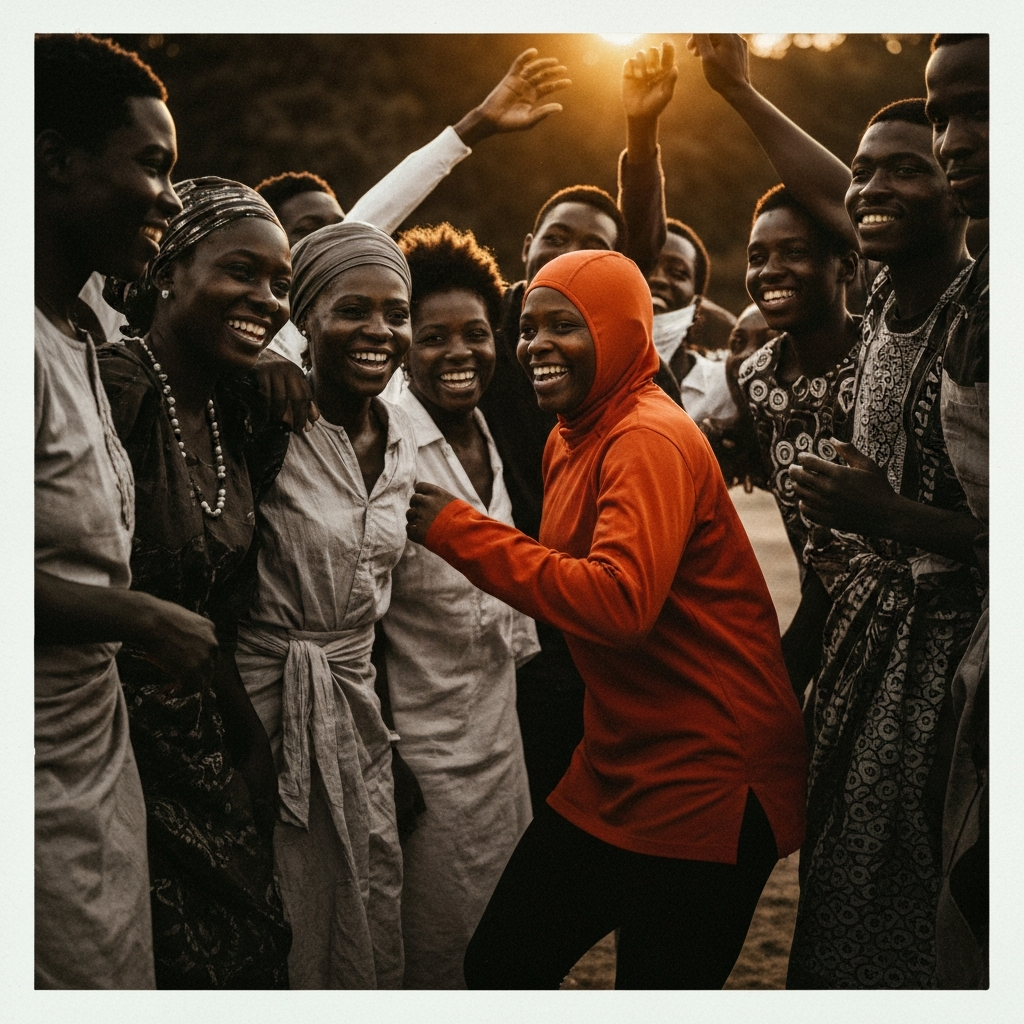
A common misconception is that Kwanzaa is intended to replace Christmas. In reality, many African American families celebrate both holidays. Kwanzaa offers a unique opportunity to celebrate cultural heritage alongside religious traditions, providing a space for both spiritual and cultural expression. It's crucial to understand that Kwanzaa is not a competing holiday but rather a complementary one, allowing individuals and families to embrace multiple facets of their identity. Families often integrate elements of both celebrations, creating a rich and meaningful holiday season.

Step 5: Understanding Umoja (Unity) - The First Principle
Umoja, the first of the Nguzo Saba, translates to "Unity." This principle emphasizes the importance of maintaining unity in the family, community, nation, and race. It's about working together, supporting one another, and recognizing the interconnectedness of all people within the African diaspora. The concept of "I am We" or "I am because We Are" perfectly embodies the spirit of Umoja. It calls for overcoming divisions and striving for collective strength. Families might engage in activities such as family discussions about shared goals, community service projects, or supporting local Black-owned businesses to embody the meaning of Umoja.
Step 6: Understanding Kujichagulia (Self-Determination) - The Second Principle
Kujichagulia, the second principle, means "Self-Determination." It's about defining ourselves, naming ourselves, creating for ourselves, and speaking for ourselves, instead of being defined, named, created for, and spoken for by others. This principle encourages individuals and communities to take control of their own narratives and destinies. It stresses the importance of agency and the right to self-expression. This involves preserving and promoting African languages, traditions, and values. Families can encourage Kujichagulia by engaging in activities such as researching their family history, supporting Black artists and creators, and participating in community organizing efforts.
Step 7: Understanding Ujima (Collective Work and Responsibility) - The Third Principle
Ujima, the third principle, translates to "Collective Work and Responsibility." This principle emphasizes the need to build and maintain our community together and to make our brother's and sister's problems our problems and to solve them together. It highlights the importance of mutual support, collaboration, and shared responsibility for the well-being of the community. It acknowledges that individual success is inextricably linked to the success of the collective. Ujima can be practiced by participating in community cleanup projects, volunteering at local shelters, and supporting initiatives that address social and economic inequality.
Step 8: Understanding Ujamaa (Cooperative Economics) - The Fourth Principle
Ujamaa, the fourth principle, means "Cooperative Economics." It stresses the importance of building and maintaining our own stores, shops, and other businesses and to profit together from them. This principle promotes economic self-reliance and the creation of wealth within the African American community. It encourages supporting Black-owned businesses and investing in the economic empowerment of the community. This also involves financial literacy and promoting responsible spending and saving habits. Families can practice Ujamaa by consciously supporting Black-owned businesses, investing in Black-led initiatives, and teaching children about financial responsibility.

Step 9: Understanding Nia (Purpose) - The Fifth Principle
Nia, the fifth principle, translates to "Purpose." It's about making our collective vocation the building and developing of our community in order to restore our people to their traditional greatness. This principle emphasizes setting goals that benefit the community as a whole and striving to achieve those goals with a sense of purpose and dedication. It encourages individuals to find their unique talents and use them to contribute to the betterment of their community. Nia can be fostered by mentoring young people, engaging in community activism, and pursuing careers that contribute to the social and economic well-being of the community.
Step 10: Understanding Kuumba (Creativity) - The Sixth Principle
Kuumba, the sixth principle, means "Creativity." It’s about doing always as much as we can, in the way we can, in order to leave our community more beautiful and beneficial than we inherited it. This principle encourages individuals to use their creativity to improve their communities and leave a positive legacy for future generations. It can involve artistic expression, innovative problem-solving, and a commitment to making the world a better place. Kuumba can be expressed through art, music, writing, community organizing, and any other activity that contributes to the beauty and well-being of the community.
Step 11: Understanding Imani (Faith) - The Seventh Principle
Imani, the seventh and final principle, means "Faith." It's about believing with all our heart in our people, our parents, our teachers, our leaders, and the righteousness and victory of our struggle. This principle emphasizes the importance of believing in ourselves, our community, and our ability to overcome challenges and achieve our goals. It is the cornerstone of strength and resilience. Imani is cultivated by studying Black history, supporting Black leaders, and maintaining a positive outlook on the future.
Step 12: Observing Kwanzaa Through Art and Culture
Kwanzaa celebrations are rich in artistic expression. Homes are often decorated with colorful African artwork, fabrics, and cultural artifacts. These displays serve as visual reminders of African heritage and the principles of Kwanzaa. The emphasis on art underscores the importance of creativity and self-expression in the celebration of cultural identity. Look for vibrant colors, bold patterns, and imagery that celebrates African traditions. The presence of art enhances the celebratory atmosphere and reinforces the values of Kwanzaa.
Step 13: The Significance of Dress during Kwanzaa
Traditional African attire plays a significant role in Kwanzaa celebrations. Often, people will wear African kaftans or other garments made from bright and colorful fabrics. These garments are not just decorative; they are a symbol of pride and connection to African heritage. The choice of colors and patterns often carries specific cultural meaning, adding another layer of depth to the celebration. These garments are typically festive and reflect the joyous and communal nature of Kwanzaa.
Step 14: Sharing the Kikombe cha Umoja (Unity Cup)
The Kikombe cha Umoja, or Unity Cup, is a central symbol in Kwanzaa celebrations. It represents unity and is used to pour libations (a ritual pouring of liquid) in remembrance of ancestors. The cup is passed around, and each person takes a drink as a sign of solidarity and shared heritage. This act symbolizes the interconnectedness of the community and the importance of honoring the past. The Kikombe cha Umoja is a powerful symbol of unity and shared identity.
Step 15: Lighting the Mishumaa Saba (Seven Candles)
The Mishumaa Saba, or Seven Candles, are central to the Kwanzaa ritual. They represent the seven principles of Kwanzaa (Nguzo Saba). Each day, a candle is lit, and the corresponding principle is discussed. The Kinara, the candleholder, holds the candles, with the black candle in the center representing Umoja (Unity). The three red candles represent the struggle, and the three green candles represent the future and hope. The candle-lighting ceremony is a time for reflection, discussion, and reaffirmation of the principles of Kwanzaa.
Step 16: Incorporating the Arts into Kwanzaa Festivities
The arts are an integral part of Kwanzaa celebrations. Traditional African dances, music, poetry, and storytelling are often featured. These artistic expressions serve to celebrate African culture, history, and values. They also provide a platform for creative expression and community engagement. Performances often incorporate elements of the Nguzo Saba, reinforcing the principles of Kwanzaa. Encouraging artistic expression is a way to preserve and promote African heritage.
Step 17: Sharing the Karamu Ya Imani (Kwanzaa Feast)
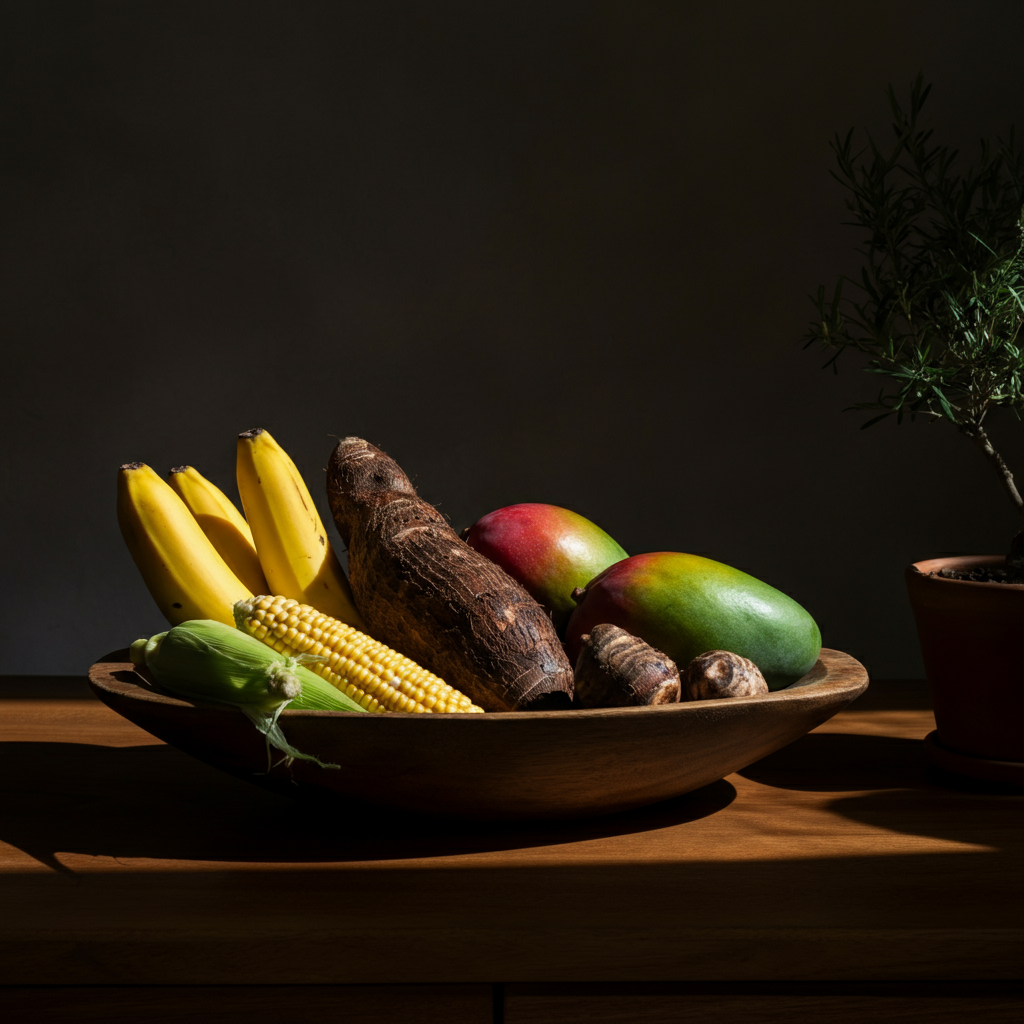
The Karamu Ya Imani, or Kwanzaa Feast, is a communal celebration that takes place on December 31st. It is a time for family, friends, and community members to come together and share a meal that reflects African heritage. Traditional African dishes, as well as dishes that represent the African diaspora, are often served. The feast is a time for fellowship, celebration, and reaffirmation of the principles of Kwanzaa.
Pro Tips
- Consider attending a Kwanzaa celebration in your community to experience the holiday firsthand.
- Engage in conversations with those who celebrate Kwanzaa to learn more about their traditions and perspectives.
- Support Black-owned businesses and organizations throughout the year, not just during Kwanzaa.
FAQ Section
- Is Kwanzaa a religious holiday?
- No, Kwanzaa is a cultural holiday, not a religious one. It is a celebration of African heritage and culture.
- Can I celebrate both Christmas and Kwanzaa?
- Yes, many African American families celebrate both holidays. Kwanzaa is not meant to replace Christmas, but rather to complement it.
- What are the seven principles of Kwanzaa?
- The seven principles of Kwanzaa are Umoja (Unity), Kujichagulia (Self-Determination), Ujima (Collective Work and Responsibility), Ujamaa (Cooperative Economics), Nia (Purpose), Kuumba (Creativity), and Imani (Faith).
Conclusion
Kwanzaa is more than just a holiday; it is a celebration of heritage, community, and the enduring spirit of African Americans. By understanding its history, embracing its principles, and participating in its traditions, we can all gain a deeper appreciation for this rich and meaningful cultural observance. Kwanzaa offers an opportunity to reflect on the past, celebrate the present, and build a brighter future, grounded in the values of unity, self-determination, collective responsibility, cooperative economics, purpose, creativity, and faith.