Marketing an event successfully requires meticulous planning and execution. It's more than just sending out invitations; it's about crafting a compelling narrative that resonates with your target audience and compels them to attend. Too often, events fall short of their potential due to easily avoidable marketing blunders. Understanding these pitfalls is the first step to ensuring your event's success.
Many organizers focus solely on the logistical aspects, neglecting the crucial pre-event marketing phase. This can lead to low attendance, a lack of engagement, and ultimately, a return on investment that doesn't justify the effort. By proactively addressing potential issues and employing strategic marketing techniques, you can significantly increase your event's visibility and attract the right attendees.
This guide will walk you through some of the most common mistakes made in event marketing and provide actionable steps to avoid them, helping you to create a memorable and impactful experience for everyone involved.
Step 1: Neglecting to Define Your Target Audience
Failing to clearly define your target audience is a fundamental error that undermines all subsequent marketing efforts. Without knowing who you're trying to reach, your messaging will be generic and ineffective. You'll end up wasting resources on channels that don't resonate with your ideal attendees. Spend time researching demographics, interests, and online behavior to create detailed audience personas. Understanding your audience's needs and preferences will allow you to tailor your marketing messages for maximum impact.
A common mistake is assuming that "everyone" is your target audience. While inclusivity is important, trying to appeal to everyone often results in appealing to no one. Be specific. Are you targeting young professionals, seasoned industry experts, or families with young children? Each group requires a unique marketing approach. Think about what motivates them, what problems they're trying to solve, and what kind of experience they're seeking.

Step 2: Starting Marketing Too Late
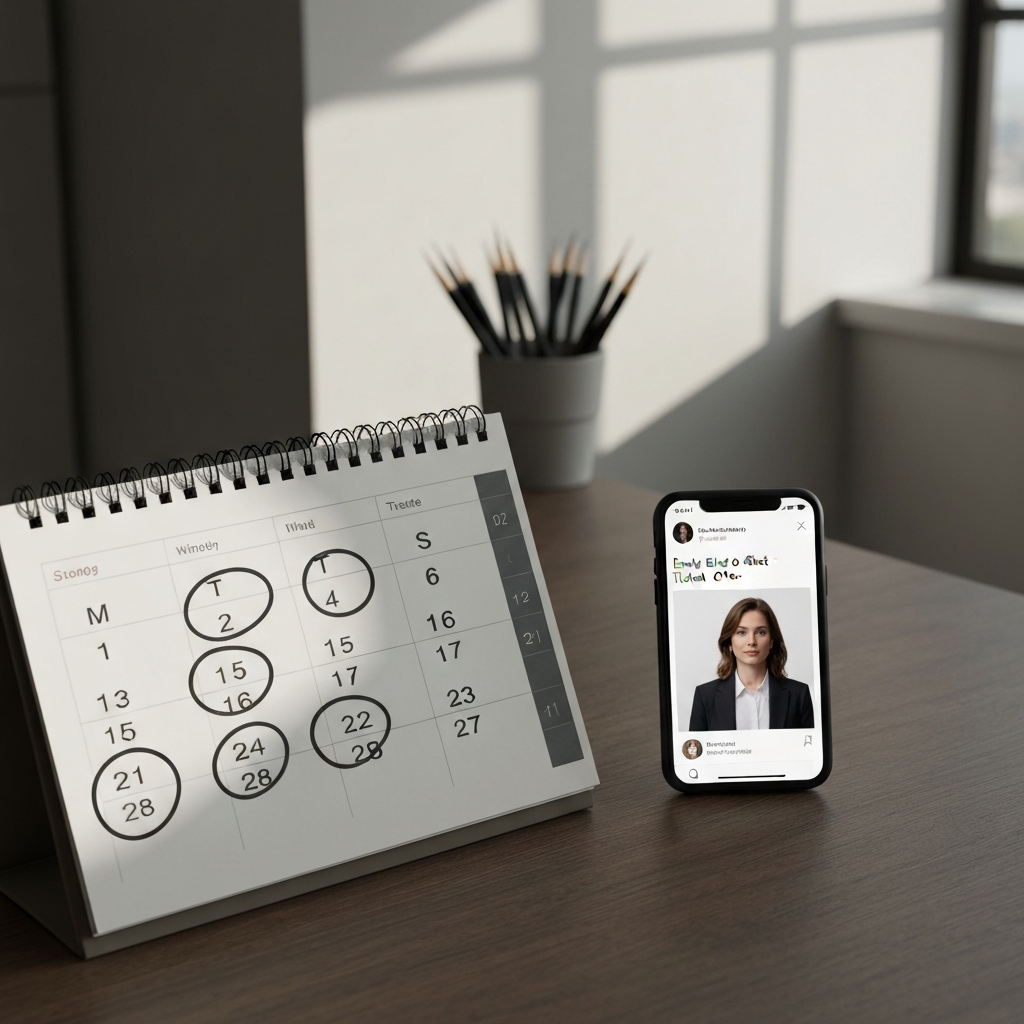
Procrastination is the enemy of effective event marketing. Waiting until the last minute to promote your event significantly limits your reach and reduces the chances of securing early bird registrations and sponsorships. A well-planned marketing campaign should begin several months in advance, gradually increasing in intensity as the event date approaches. This allows you to build anticipation, generate buzz, and capture the attention of potential attendees who are planning their schedules.
Don't underestimate the power of early bird promotions. Offer discounted tickets or exclusive perks to those who register early. This incentivizes prompt action and provides you with valuable data on attendance projections. Also, consider utilizing a countdown timer on your event website and social media channels to create a sense of urgency.
Step 3: Ignoring the Power of Social Media
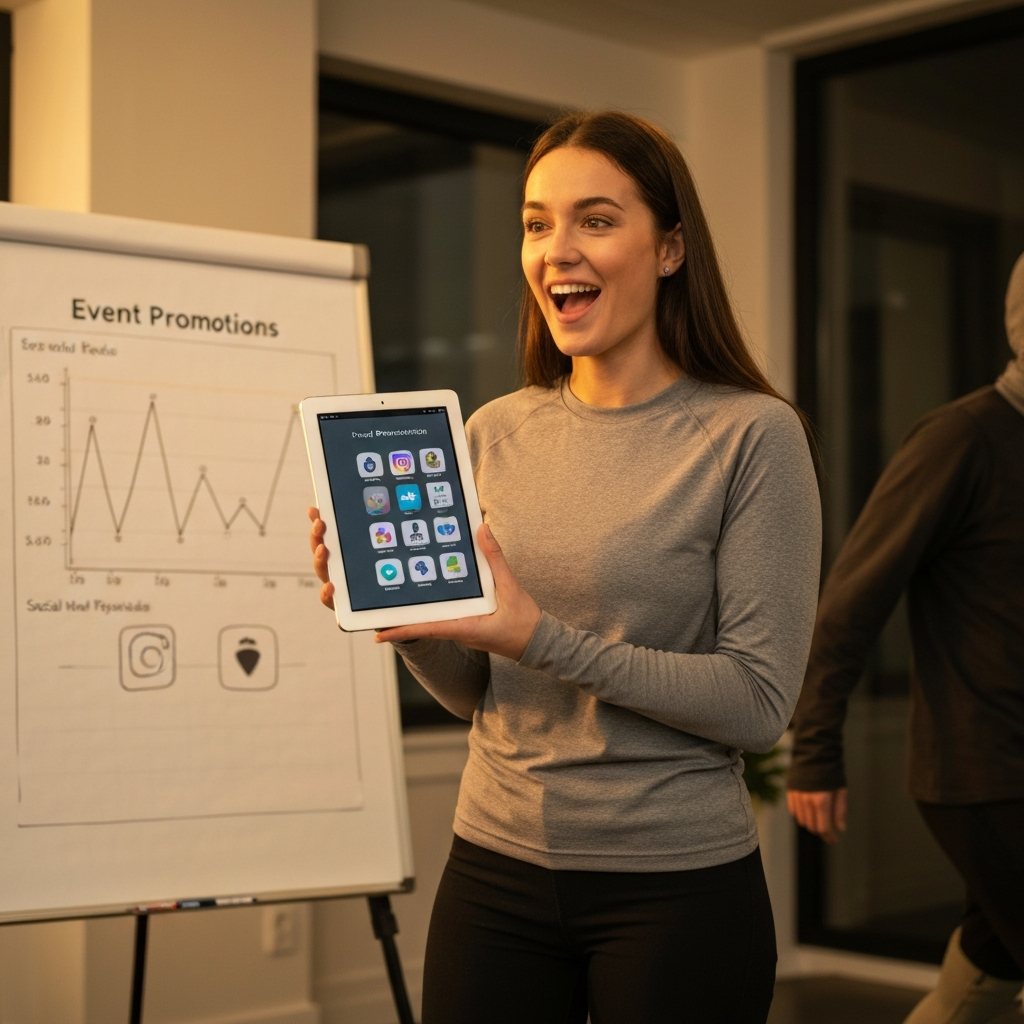
In today's digital landscape, social media is an indispensable tool for event marketing. Ignoring or underutilizing social media platforms is a major missed opportunity. Create dedicated event pages on relevant platforms, share engaging content, and actively participate in online conversations related to your event's theme or industry. Use targeted advertising to reach specific demographics and interests. Run contests and giveaways to generate excitement and encourage sharing.
Many organizers simply post generic announcements without engaging with their audience. Respond to comments and questions promptly, create polls and quizzes to spark interaction, and use live streaming to give potential attendees a sneak peek of what to expect. Don't be afraid to experiment with different content formats, such as videos, infographics, and behind-the-scenes glimpses.
Step 4: Failing to Leverage Email Marketing
Despite the rise of social media, email marketing remains a highly effective channel for reaching your target audience. Failing to build an email list or neglecting to send targeted email campaigns is a significant mistake. Collect email addresses through your website, social media channels, and past event registrations. Segment your list based on interests and demographics to ensure that your messages are relevant and personalized. Use email marketing to announce event updates, promote early bird discounts, and share valuable content related to your event's theme.
Avoid sending generic, impersonal emails. Use personalized greetings, tailor the content to each segment of your audience, and include clear calls to action. Track your email metrics to measure the effectiveness of your campaigns and make adjustments as needed. A/B test different subject lines and email layouts to optimize your results.
Step 5: Not Tracking and Analyzing Your Results
Marketing is an iterative process, and continuous improvement requires data-driven decision-making. Failing to track and analyze your marketing efforts leaves you in the dark about what's working and what's not. Use analytics tools to monitor website traffic, social media engagement, email open rates, and ticket sales. Identify which channels are driving the most registrations and which messages are resonating with your audience. Use this data to optimize your marketing strategy and improve your results.
Don't just collect data; analyze it and act on it. Identify trends, patterns, and areas for improvement. Use A/B testing to experiment with different marketing tactics and measure their effectiveness. Regularly review your analytics reports and make adjustments to your strategy based on the findings.

Tools or Materials Required
- Social Media Management Tools (e.g., Hootsuite, Buffer)
- Email Marketing Platform (e.g., Mailchimp, Constant Contact)
- Analytics Tools (e.g., Google Analytics)
- CRM Software (e.g., Salesforce, HubSpot)
Common Mistakes to Avoid
- Using generic marketing messages.
- Not having a clear call to action.
- Failing to engage with your audience.
- Ignoring negative feedback.
- Not promoting your sponsors and partners.
FAQ Section
- Q: How far in advance should I start marketing my event?
- A: Ideally, you should start marketing your event several months in advance, gradually increasing your efforts as the event date approaches. For larger events, 6-12 months is recommended.
- Q: What social media platforms should I use?
- A: Focus on the platforms where your target audience is most active. Common options include Facebook, Instagram, LinkedIn, and Twitter.
- Q: How can I measure the success of my event marketing efforts?
- A: Track key metrics such as website traffic, social media engagement, email open rates, ticket sales, and post-event surveys.
In conclusion, successful event marketing requires a strategic and proactive approach. By avoiding these common mistakes and implementing the tips outlined in this guide, you can significantly increase your event's visibility, attract the right attendees, and achieve your desired outcomes. Remember to always prioritize your target audience, start marketing early, and continuously track and analyze your results to optimize your strategy.