Filing your 1040 tax form can feel like navigating a minefield. With ever-changing tax laws and a complex system, it's easy to stumble and make errors that could cost you money, delay your refund, or even trigger an audit. Don't let tax season turn into a season of stress. This comprehensive guide will illuminate the most common pitfalls taxpayers encounter when filing their 1040 form, and provide actionable advice on how to steer clear of them.
Whether you're a seasoned filer or a first-timer, understanding these potential errors is crucial for ensuring accuracy and maximizing your tax benefits. We'll walk you through each step, highlighting critical details and offering expert insights to simplify the process. From overlooked deductions to incorrect filing statuses, we've got you covered. Prepare to arm yourself with the knowledge you need to confidently tackle your 1040 form and file with peace of mind.
This guide provides clear, step-by-step instructions, practical examples, and proactive strategies. Take your time, pay close attention to detail, and follow along to avoid costly mistakes and ensure a smooth tax filing experience. Remember, accurate tax filing is not just about compliance; it's about taking control of your financial well-being.
Step-by-Step Guide to Avoiding 1040 Tax Form Mistakes
1. Choosing the Incorrect Filing Status
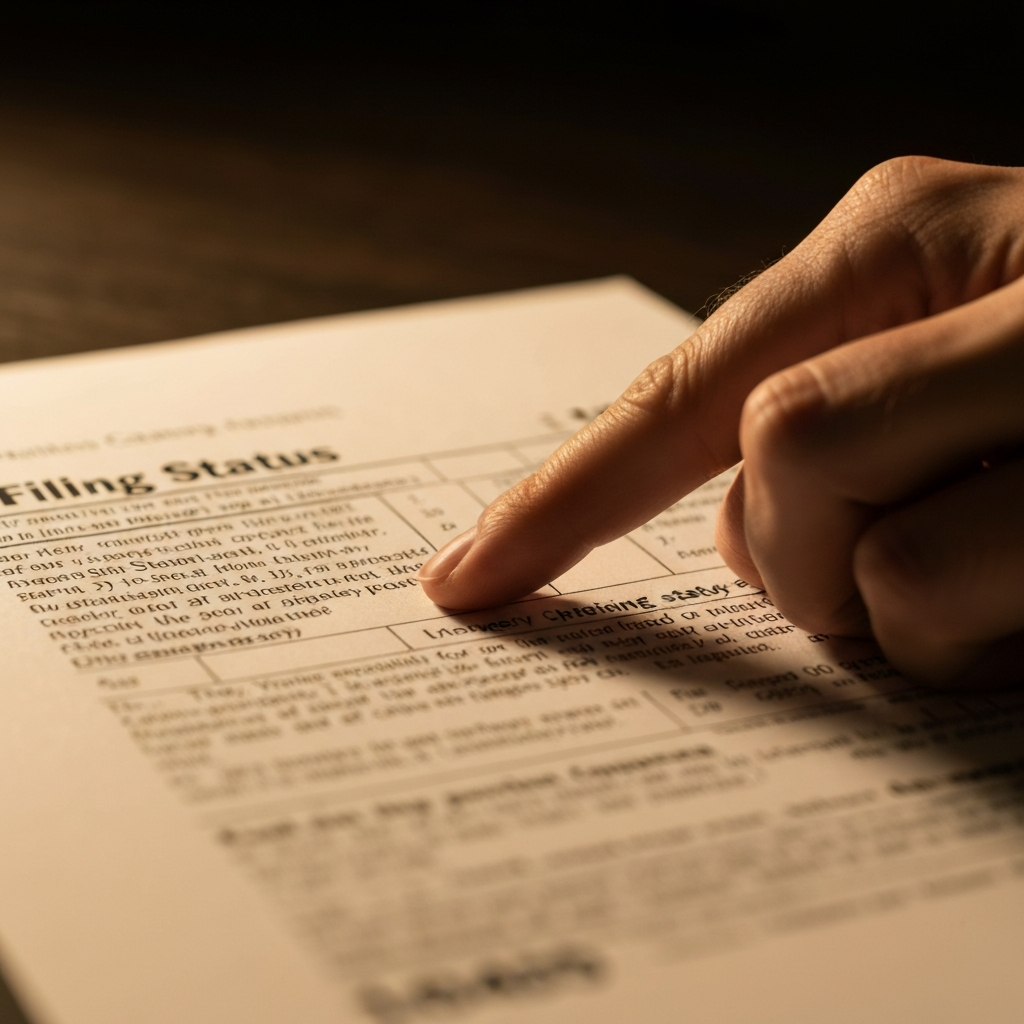
Selecting the correct filing status is paramount as it directly impacts your standard deduction, tax bracket, and eligibility for certain credits. Common errors include single individuals incorrectly claiming head of household or married couples filing separately when filing jointly would be more advantageous. Carefully consider your marital status and dependent situation as of December 31st of the tax year. If you are unsure, use the IRS's "Filing Status" tool on their website to determine the correct status. Incorrectly filing as Head of Household when you don't qualify is a frequent mistake.
2. Neglecting Deductions and Credits
One of the biggest mistakes is failing to claim all eligible deductions and credits. Many taxpayers miss out on valuable tax savings simply because they are unaware of their eligibility. For example, students might forget to claim education credits like the American Opportunity Credit or Lifetime Learning Credit, or individuals with significant medical expenses may not realize they can deduct expenses exceeding 7.5% of their adjusted gross income (AGI). Maintain thorough records of all potential deductions and credits throughout the year. Consult IRS Publication 505 to verify eligibility.

3. Incorrectly Reporting Income
Failing to accurately report all sources of income is a significant error that can lead to penalties and interest. This includes not only W-2 income from employers but also income from self-employment (reported on Schedule C), investment income (dividends and capital gains), and even unemployment benefits. Double-check all income documents received, such as W-2s, 1099s, and K-1s, against your reported income. Report all income, even if it seems insignificant. If you have freelance income, ensure you report it even if you didn't receive a 1099-NEC form.

4. Errors in Social Security Numbers and Names
Seemingly simple, providing an incorrect Social Security number (SSN) or name for yourself, your spouse, or your dependents is a common mistake that can delay the processing of your return. Always verify the accuracy of SSNs and names against Social Security cards before entering them on your tax form. Even a minor typo can cause issues. This is particularly important when claiming dependents, as discrepancies can prevent you from claiming dependent-related credits.

5. Math Errors and Calculation Mistakes
Even with tax software, math errors can occur. Failing to double-check your calculations or relying solely on software without reviewing the results can lead to inaccurate returns. Carefully review all calculations and ensure that numbers are transcribed correctly from supporting schedules to the 1040 form. Pay particular attention to deductions that have income limitations or phase-outs, as these require more complex calculations. Tax preparation software usually includes error-checking functionalities; utilize them.

6. Missing the Filing Deadline
One of the most easily avoidable mistakes is missing the tax filing deadline, which is typically April 15th. Failure to file on time can result in penalties for both failure to file and failure to pay. If you are unable to file by the deadline, request an extension using Form 4868. An extension gives you more time to file, but not more time to pay. Estimate your tax liability and pay it by the original deadline to avoid penalties and interest on the unpaid amount.

7. Failing to Sign and Date the Return
An unsigned and undated tax return is considered invalid by the IRS. This applies to both paper and electronic filings. Ensure that you and your spouse (if filing jointly) sign and date the return before submitting it. For e-filed returns, you will typically use a personal identification number (PIN) or self-selected signature to authenticate the return. Review your completed return meticulously before submitting it to ensure it is signed and dated.

8. Ignoring Instructions and Schedules
Each line on the 1040 form and its associated schedules has specific instructions that must be followed carefully. Ignoring these instructions or failing to complete required schedules can result in errors. For example, if you have self-employment income, you must complete Schedule C. Read the instructions for each form and schedule thoroughly before completing it. The IRS provides detailed instructions for each form on its website. Consider using a tax preparation software that will automatically generate the needed schedules based on the information you input.
9. Not Keeping Adequate Records
Maintaining thorough and organized records is crucial for accurately filing your taxes and supporting any deductions or credits you claim. Insufficient documentation can lead to disallowed deductions and potential penalties if you are audited. Keep all relevant receipts, invoices, bank statements, and other documents organized throughout the year. Consider scanning documents and storing them electronically for easy access. Create a system for tracking deductible expenses and income sources.
Common Mistakes to Avoid
- Using the wrong tax form. Ensure you are using the correct 1040 form for the relevant tax year.
- Failing to update your address with the IRS, leading to delayed refunds or important notices.
- Ignoring communication from the IRS. Respond promptly to any letters or notices you receive.
- Claiming the standard deduction when itemizing would result in a larger tax benefit. Calculate both options to determine the best approach.
Pro Tips
- Consider using tax preparation software or consulting with a qualified tax professional.
- Take advantage of free tax assistance programs, such as the Volunteer Income Tax Assistance (VITA) program.
- Start preparing your taxes early to avoid rushing and making mistakes.
- Review your tax return carefully before submitting it to catch any errors.
FAQ Section
- What if I make a mistake on my tax return after I've already filed it?
- You can file an amended tax return using Form 1040-X.
- Where can I find the most up-to-date tax forms and instructions?
- You can download them from the IRS website (irs.gov).
- What is the penalty for filing taxes late?
- The penalty for filing late is typically 5% of the unpaid taxes for each month or part of a month that the return is late, but it will not exceed 25% of your unpaid taxes.
Conclusion
Filing your 1040 tax form accurately doesn't have to be a daunting task. By understanding and avoiding these common mistakes, you can ensure a smoother tax filing experience, maximize your tax benefits, and minimize the risk of errors. Remember to double-check your work, keep accurate records, and seek professional assistance when needed. With careful preparation and attention to detail, you can confidently navigate the tax season and achieve peace of mind.