Being late to work happens. Despite our best intentions, life sometimes throws us curveballs that disrupt our carefully planned schedules. While chronic tardiness is a serious issue, occasional slips can be navigated with a little finesse. This guide provides a range of believable excuses, from the mundane to the slightly more dramatic, to help you explain your lateness without raising too many eyebrows. Remember, honesty is usually the best policy, but when that's not an option, a well-crafted excuse can save the day.
Before diving into the list, it’s crucial to consider your workplace culture and your boss's personality. Some managers are understanding and empathetic, while others are strict and inflexible. Tailor your excuse to fit the situation. Avoid overly elaborate stories that are difficult to believe. Simplicity and plausibility are key. Also, consider whether a preemptive warning is possible – a quick text or call letting your boss know you're running behind is often better than a surprise arrival.
This isn't a license to be habitually late. Use these excuses sparingly and always strive to improve your time management. Consider them emergency measures for those unavoidable moments when the unexpected strikes. After all, building a reputation for reliability is far more valuable in the long run. Remember to be contrite and professional in your apology – a genuine expression of regret can go a long way.
Step 1: The Unexpected Traffic Delay
Traffic is a classic excuse for a reason: it’s common, relatable, and often difficult to verify. However, to make this excuse more convincing, be specific. Mention a particular highway, intersection, or landmark where the delay occurred. For example, “Sorry I’m late, I was stuck on the I-95 due to an accident near exit 12." Checking traffic reports before you arrive can give you ammunition to make it sound more plausible. Be prepared to provide details, but don’t over-explain. Keep it brief and apologetic.

Step 2: The Public Transportation Snafu
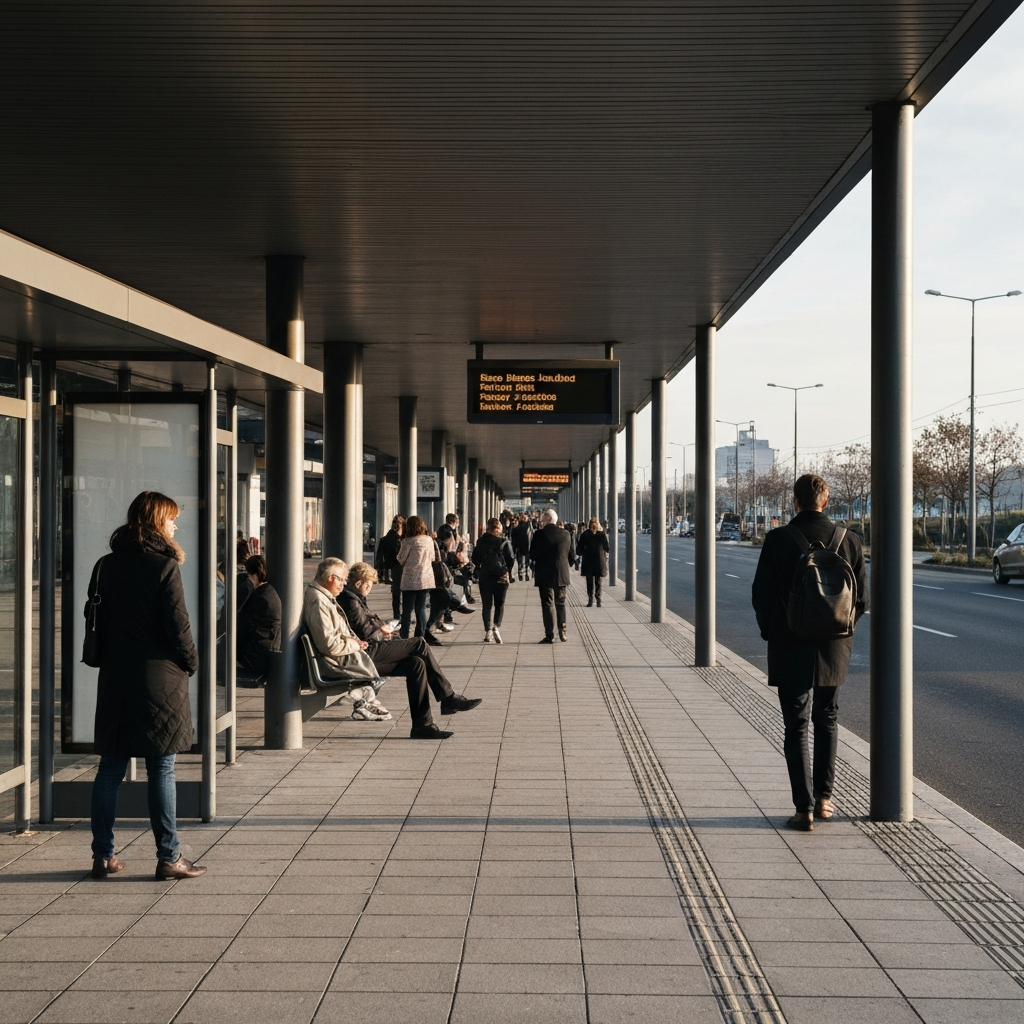
If you rely on public transportation, you have a built-in excuse generator. Buses break down, trains get delayed, and subways encounter unforeseen issues. Cite a specific line or route number, and mention the nature of the delay if possible ("signal malfunction," "mechanical issue," etc.). This shows that you're not simply blaming the system, but have a legitimate reason for your tardiness. Keep in mind that some workplaces might track public transport delays, so be mindful of that.
Step 3: The Car Trouble Catastrophe
Car troubles are a time-honored excuse, particularly if you have an older vehicle. A flat tire, a dead battery, or a mysterious engine malfunction are all believable reasons for being late. Keep the details simple and relatable. Avoid technical jargon unless you're a mechanic. "My car wouldn't start this morning," or "I had a flat tire and had to change it" are usually sufficient. This excuse works best if you occasionally mention having car troubles anyway.

Step 4: The Lost Keys/Wallet Frustration
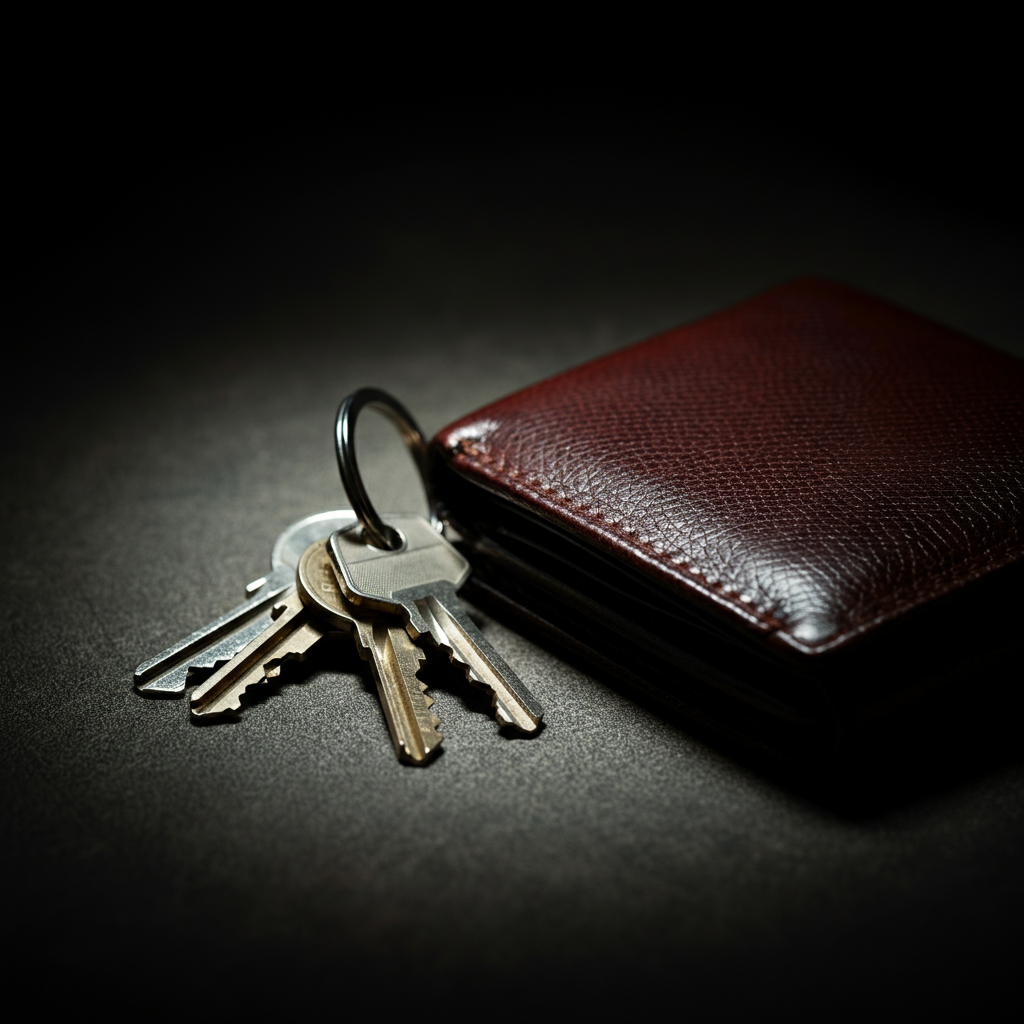
Everyone misplaces things occasionally, making lost keys or wallets a relatable excuse. Emphasize the frustration and inconvenience of the situation. "I spent ages looking for my keys this morning, I eventually found them under the sofa cushions." Or, "I thought I lost my wallet and had to tear the house apart." This excuse works best if you present it with genuine exasperation. Acknowledge that it was your fault for being disorganized, but also convey that you did your best to rectify the situation as quickly as possible.
Step 5: The Weather-Related Woes
Bad weather can legitimately disrupt travel plans and cause delays. This excuse is particularly effective if the weather is, in fact, terrible. Be specific about the conditions and their impact. "The snow was so heavy that the roads were barely passable," or "The heavy rain made visibility poor." This excuse loses credibility if the weather is perfectly fine, so be sure to check the forecast before using it.

Step 6: The Overslept Scenario
Oversleeping is a common mistake, and admitting to it can sometimes be surprisingly effective. It shows a degree of honesty, although it doesn't paint you in the best light. However, avoid making this a habit, as it suggests a lack of responsibility. A simple "I overslept this morning, I'm really sorry," is often sufficient. You can add a brief explanation, such as "My alarm didn't go off," but avoid overly elaborate stories. Remember, own the mistake and apologize.

Step 7: The Family Emergency Card
Using a "family emergency" is a powerful excuse, but it should be reserved for genuine emergencies or situations where you prefer not to disclose the details. It's vague enough to cover a multitude of scenarios, but also serious enough to discourage further probing. Avoid providing too much detail, as this can raise suspicion. A simple "I had a family emergency this morning," is usually sufficient. Be prepared for potential follow-up questions, but politely decline to elaborate if you're not comfortable doing so.

Step 8: The Unexpected Appointment
Doctor's appointments, dentist appointments, or vet appointments (if you have a pet) are generally considered valid reasons for being late. Keep it brief and to the point: "I had a doctor's appointment this morning." You don't need to specify the type of appointment or provide unnecessary details. If your workplace requires proof of appointment, be prepared to provide it. This excuse works best if you rarely use it and if you typically schedule appointments outside of work hours.

Step 9: The Child-Related Delay
If you have children, you have a whole new set of potential excuses at your disposal. A sick child, a missed school bus, or a last-minute school event are all believable reasons for being late. Be mindful of your workplace's policies on childcare-related absences. "My child woke up sick this morning," or "I had to take my child to school because they missed the bus" are common examples. If possible, offer to make up for lost time by working late or taking on extra tasks.
Step 10: The Pet Emergency Alibi
For pet owners, a pet-related emergency can be a viable excuse. "My dog got sick overnight, and I had to take him to the vet," or "My cat got out, and I had to spend ages trying to find her" are examples. Be careful not to overuse this excuse, as it can seem insincere. If you work in a pet-friendly environment, this excuse might be more readily accepted.
Common Mistakes to Avoid
- Over-Explaining: The more details you provide, the more likely your excuse will sound fabricated. Keep it simple and believable.
- Using the Same Excuse Repeatedly: Variety is key. Overusing the same excuse will raise suspicion.
- Blaming Others: Avoid blaming coworkers or customers, as this reflects poorly on you.
- Being Defensive: Accept responsibility for being late and apologize sincerely.
- Making Excuses for Everything: Occasional tardiness is understandable, but chronic lateness is unacceptable.
Pro Tips
- Be Proactive: If you know you're going to be late, notify your boss as soon as possible.
- Tailor Your Excuse: Consider your workplace culture and your boss's personality when choosing an excuse.
- Offer a Solution: If possible, offer to make up for lost time by working late or taking on extra tasks.
- Follow Up: After being late, express your regret and reaffirm your commitment to being on time in the future.
FAQ Section
- What if my boss asks for proof?
- If your boss is known to ask for proof, avoid excuses that are difficult to verify. If you use a doctor's appointment as an excuse, be prepared to provide a note from the doctor's office.
- Is it ever okay to be honest about being late?
- In some cases, honesty is the best policy. If you have a good relationship with your boss and you have a valid reason for being late (e.g., a flat tire), being honest might be the best approach. However, avoid being brutally honest about reasons like "I couldn't be bothered."
- What if I'm chronically late?
- If you're consistently late, it's time to address the underlying issues. Consider improving your time management skills, setting multiple alarms, or seeking professional help if necessary.
Ultimately, the best way to avoid needing excuses is to prioritize punctuality. However, life is unpredictable, and occasional lateness is understandable. By using these excuses judiciously and taking steps to improve your time management, you can navigate those unavoidable moments without jeopardizing your professional reputation. Remember, consistency and reliability are the cornerstones of a successful career.