The mango, a luscious tropical fruit enjoyed worldwide, offers a burst of sweetness and a wealth of nutrients. Mastering the art of eating a mango is more than just taking a bite; it's about maximizing flavor and minimizing mess. Whether you're a seasoned mango aficionado or a curious newcomer, this guide will provide you with expert techniques to savor every morsel.
From selecting the perfect ripe mango to employing innovative cutting methods, we'll cover everything you need to know. Forget struggling with stringy fibers or wasting precious fruit. Prepare to unlock the full potential of this tropical delight and impress your friends and family with your newfound mango mastery.
This guide isn't just about eating a mango; it's about experiencing it. We'll delve into serving suggestions, storage tips, and even address some common misconceptions about mango consumption. So, grab your mango, a sharp knife, and let's embark on this fruity adventure!
Step 1: Selecting a Ripe Mango
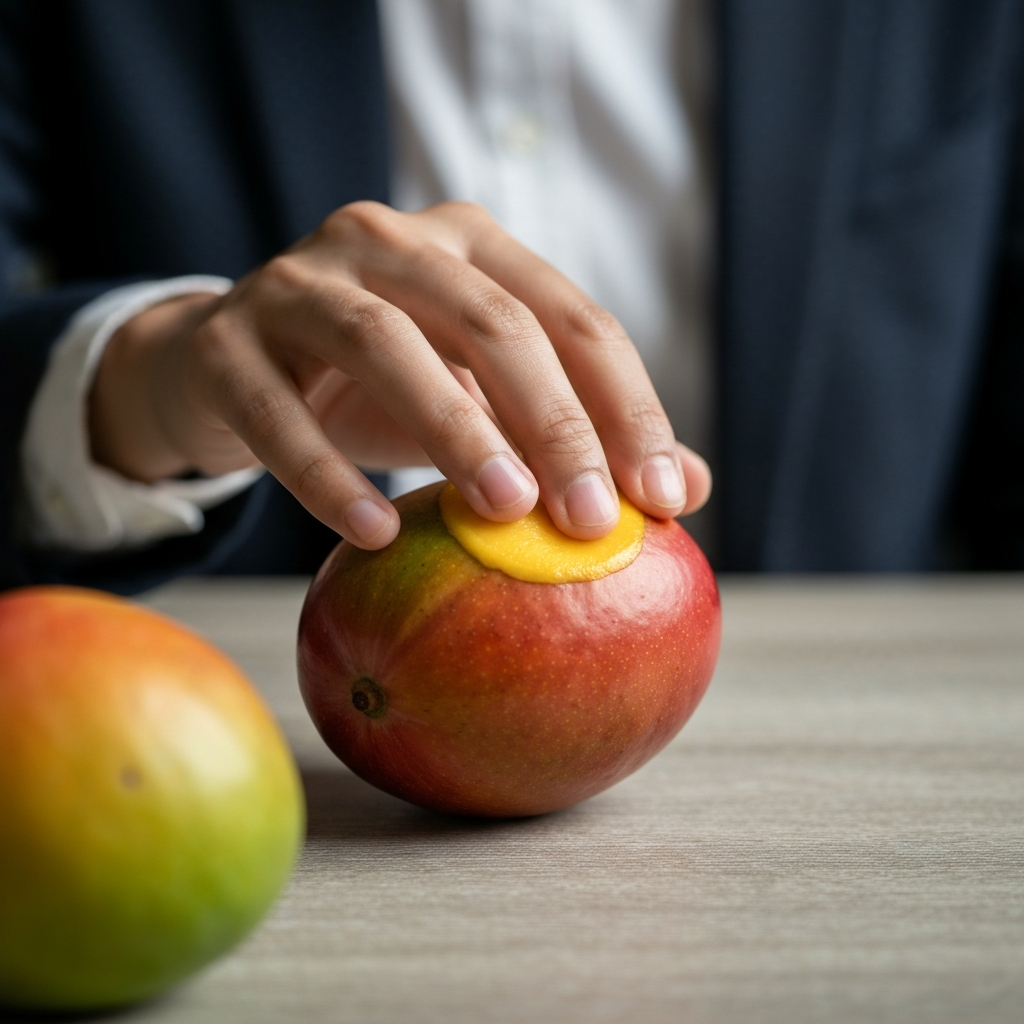
Choosing a ripe mango is the foundation of a delightful eating experience. Don't rely solely on color; instead, gently squeeze the mango. A ripe mango will yield slightly to pressure, similar to a ripe avocado or peach. Avoid mangoes that are excessively soft or have bruises. A fragrant aroma near the stem end is another good indicator of ripeness. If the mango is firm, store it at room temperature in a paper bag for a few days to encourage ripening. Avoid refrigerating unripe mangoes, as this can hinder the ripening process and affect the flavor.
Step 2: Washing the Mango
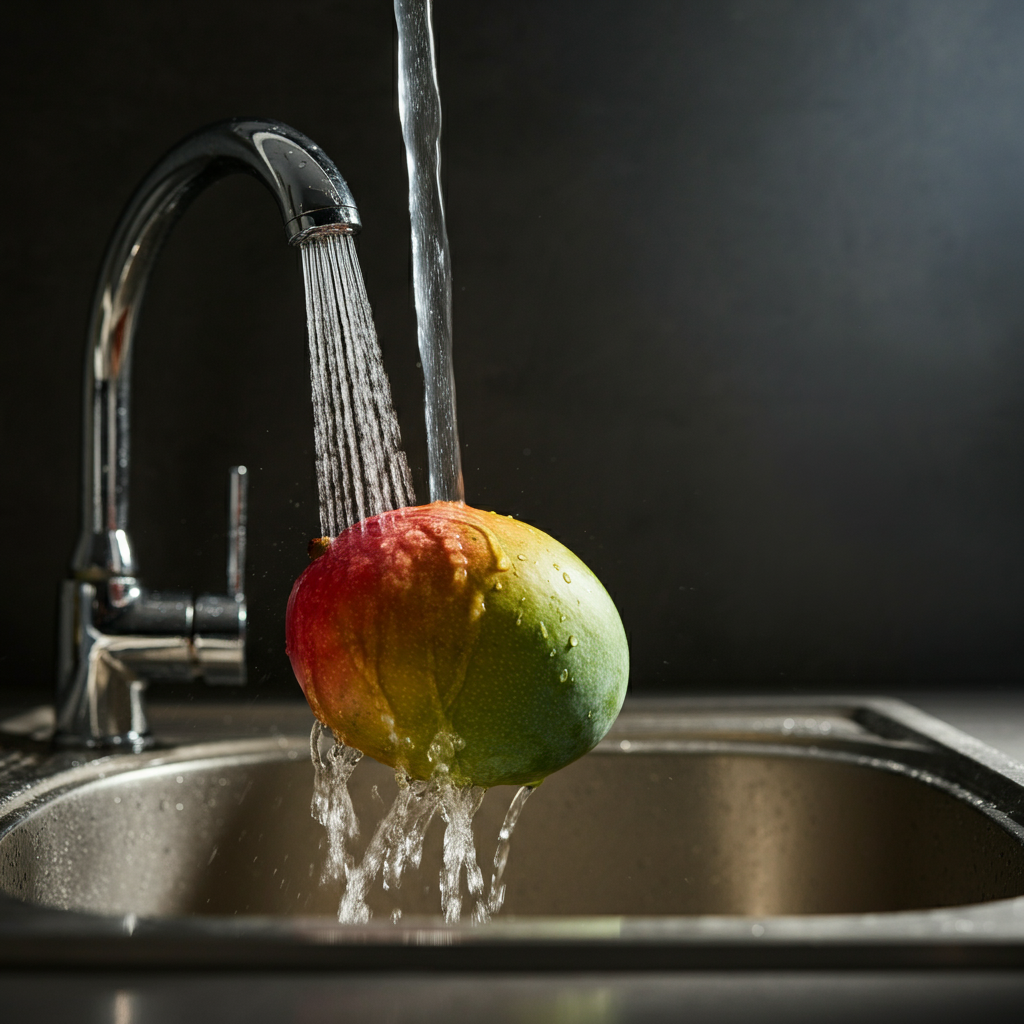
Even if you plan to peel the mango, thoroughly washing it is crucial. Rinse the mango under cool, running water. Use your fingers to gently scrub the skin, removing any dirt, debris, or potential pesticide residue. This step is particularly important if you plan on eating the mango skin (more on that later!) or using the skin for infused water. A clean mango ensures a safer and more enjoyable eating experience.
Step 3: Peeling the Mango (Method 1: Vegetable Peeler)
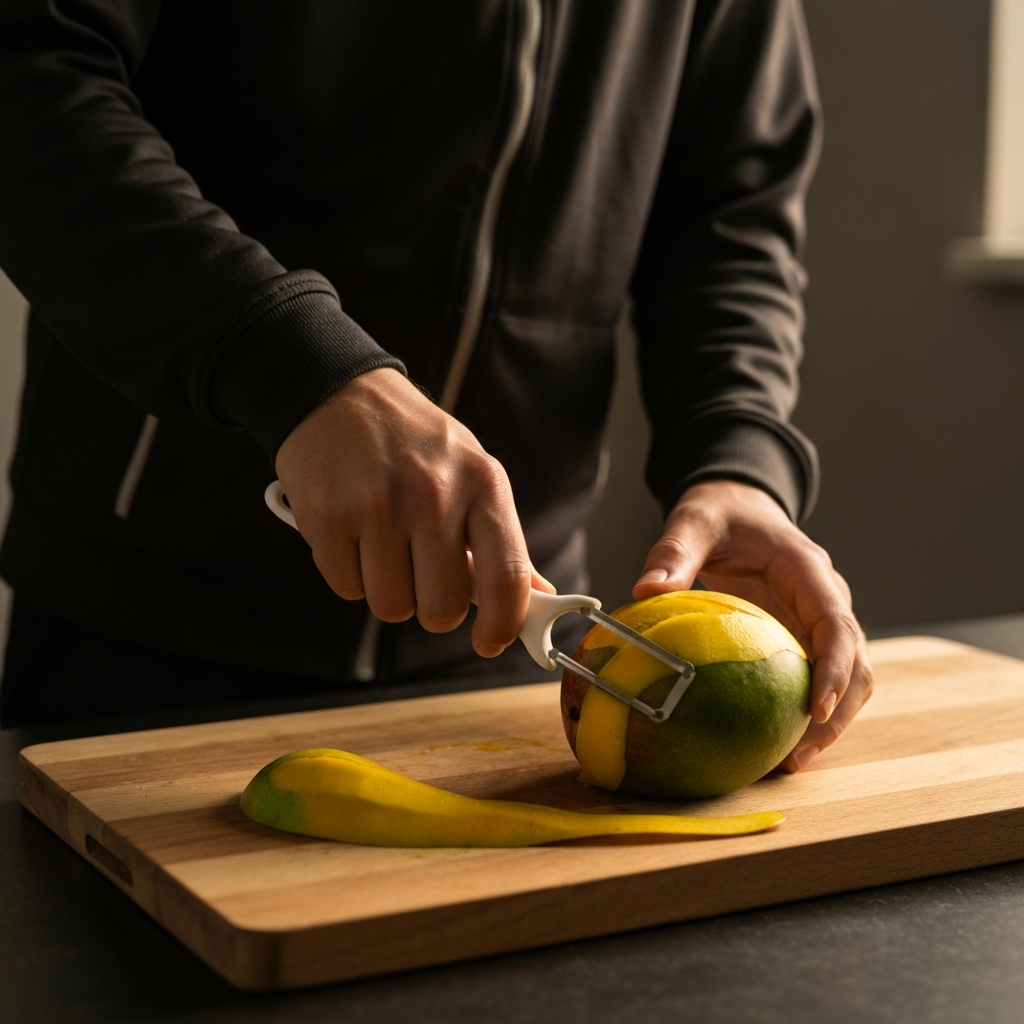
One of the most efficient ways to peel a mango is by using a vegetable peeler. Secure a firm grip on the mango. Start at the top and use the peeler to strip away the skin in long, even strokes, working your way down to the bottom. Be mindful of the mango's natural curves to avoid removing too much flesh along with the skin. This method minimizes waste and provides a clean, uniform peel. If the peeler gets clogged, simply rinse it under water.
Step 4: Peeling the Mango (Method 2: Banana Peel)
An alternative peeling method mimics peeling a banana. Make a small incision at the top of the mango with a paring knife. Gently peel back the skin, section by section, eating the exposed fruit as you go. This method is best suited for personal consumption, as it's less sanitary than other methods for preparing mango for others. Be careful not to bite too close to the skin to avoid any bitterness.

Step 5: Peeling the Mango (Method 3: Glass Rim Technique)
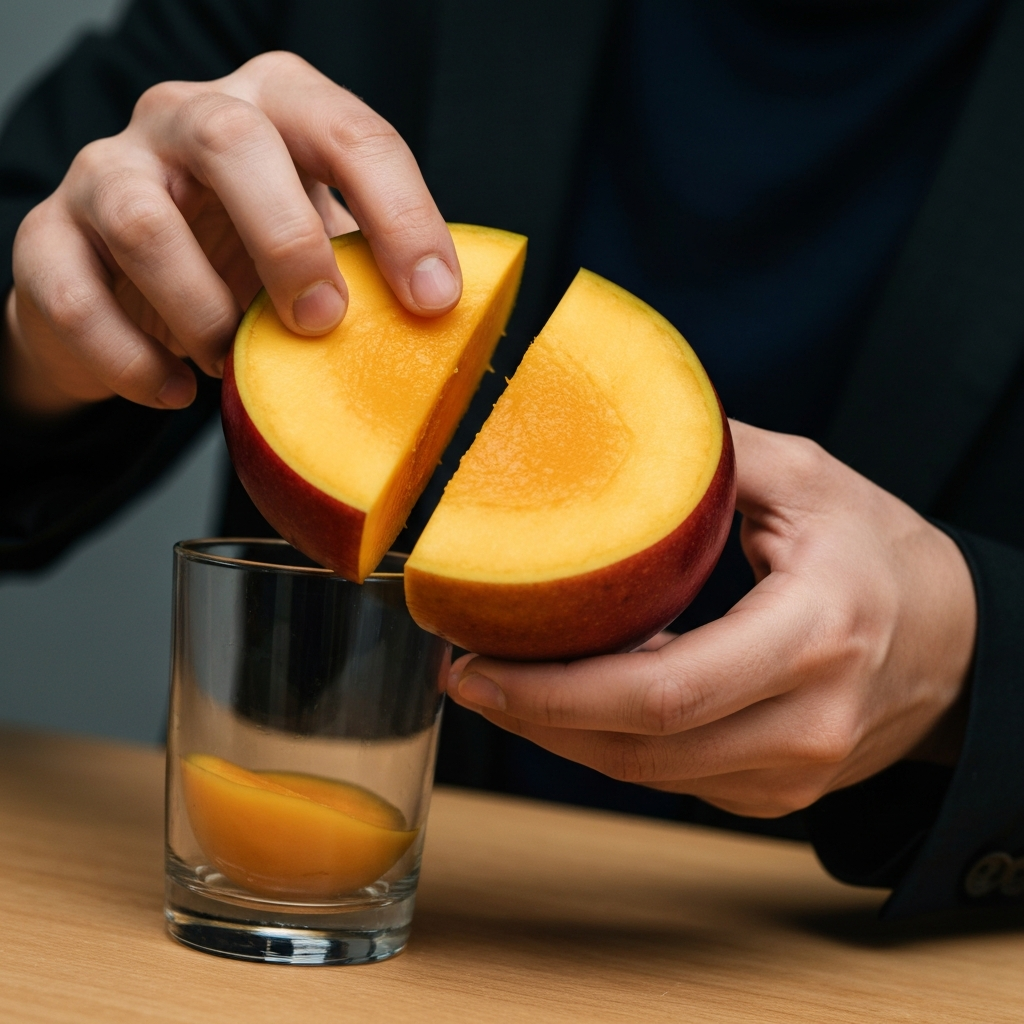
This method is ideal for creating clean, uniform mango halves. First, slice the mango lengthwise on either side of the pit. Then, take one half and press the edge of the mango flesh against the rim of a sturdy glass. Gently push down, allowing the glass to separate the flesh from the skin. Use a glass with a relatively thin rim for best results. This technique is perfect for salads and desserts that require neatly separated mango pieces.
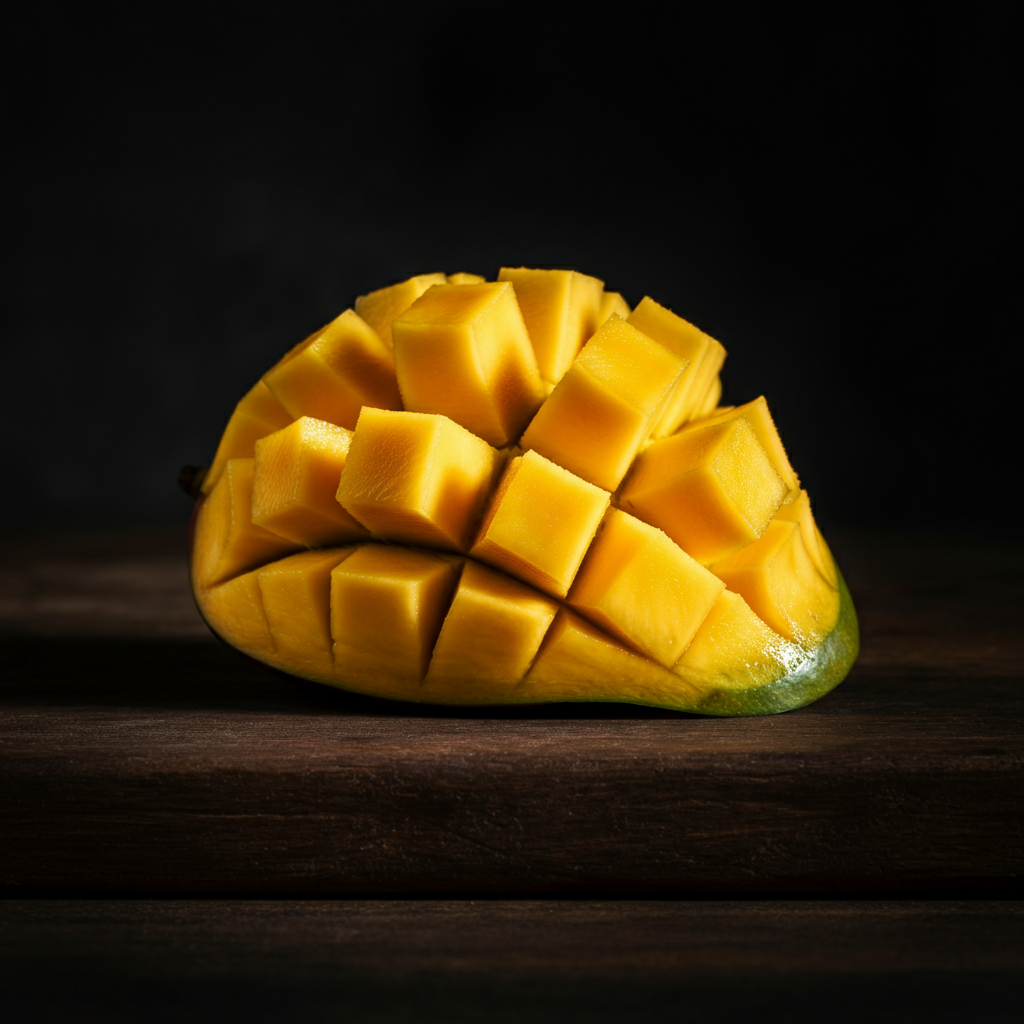
Step 6: Cutting the Mango (Hedgehog Method)
The "hedgehog" method is a visually appealing and practical way to portion a mango. After slicing the mango halves, score the flesh in a criss-cross pattern, being careful not to cut through the skin. Then, gently push the skin outwards, inverting the mango half and creating a "hedgehog" appearance. The mango cubes can then be easily removed with a knife or spoon. This method is perfect for serving individual portions or adding mango to fruit salads. If the cubes don't detach easily, run a knife between the flesh and the skin.
Step 7: Slicing the Mango
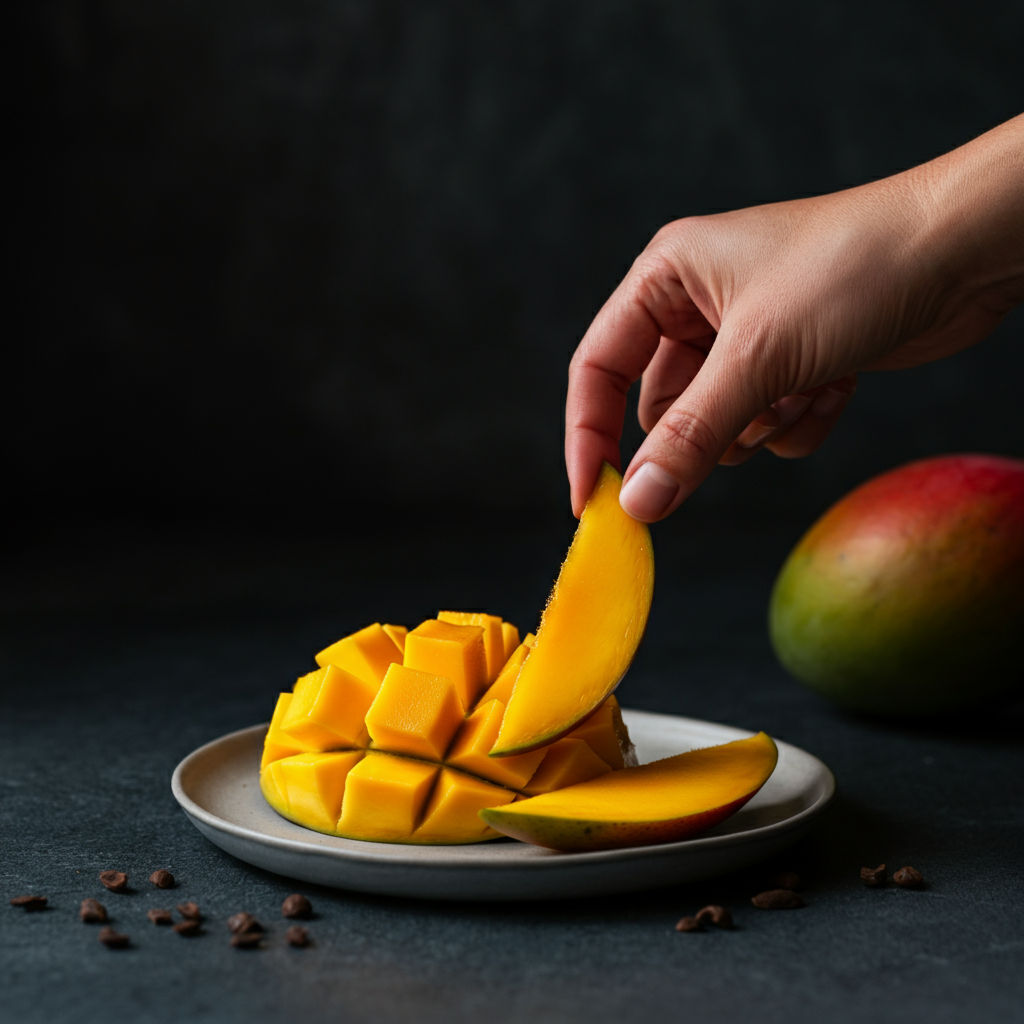
For a more traditional approach, simply slice the peeled mango into wedges or strips. Use a sharp knife to create even slices, adjusting the thickness to your preference. Remember to cut away from yourself for safety. Sliced mango is versatile and can be used in a variety of dishes, from salads and smoothies to grilled skewers and desserts.
Step 8: Eating the Mango
With your mango prepared, it's time to savor the experience! Enjoy the mango slices, cubes, or wedges on their own, or incorporate them into your favorite recipes. Mangoes pair well with a variety of flavors, from sweet and spicy to savory and tangy. Experiment with different seasonings like lime juice, chili powder, or even a sprinkle of sea salt to enhance the flavor. Don't be afraid to get creative and explore new culinary possibilities!
Safety Considerations
When handling mangoes, always use a sharp knife and a stable cutting board. Keep your fingers clear of the blade and cut away from yourself to prevent accidental cuts. Mango sap can sometimes cause skin irritation in sensitive individuals, so consider wearing gloves if you have a history of allergic reactions to plants like poison ivy (mangoes are in the same family). If you experience any irritation, wash the affected area thoroughly with soap and water.
Pro Tips
- Ripening Tip: To speed up the ripening process, place mangoes in a paper bag with a banana or apple. These fruits release ethylene gas, which promotes ripening.
- Freezing Mango: To preserve mango for longer periods, peel and dice the flesh, then freeze it in a single layer on a baking sheet. Once frozen, transfer the cubes to a freezer bag.
- Enhance Flavor: A squeeze of lime juice brightens the flavor of mango and prevents browning.
FAQ Section
Q: Can I eat mango skin?
A: While technically edible, mango skin can be bitter and tough. It also contains urushiol, the same compound found in poison ivy, which can cause allergic reactions in some people. It is generally not recommended to eat the skin.
Q: How do I store leftover mango?
A: Store cut mango in an airtight container in the refrigerator for up to 5 days. To prevent browning, add a squeeze of lemon or lime juice.
Q: What can I do with an overripe mango?
A: Overripe mangoes are perfect for smoothies, purees, and sauces. They can also be used to make mango chutney or jam.
Conclusion
Eating a mango is a simple pleasure that can be elevated with the right techniques. From selecting a perfectly ripe fruit to mastering various peeling and cutting methods, this guide has equipped you with the knowledge to enjoy mangoes like a pro. Remember to prioritize safety, experiment with different flavor pairings, and most importantly, savor the deliciousness of this tropical treasure. Now, go forth and conquer the mango!