Performing a wheelie on a quad is an exhilarating experience that combines skill, control, and a healthy dose of courage. However, it's crucial to approach this maneuver with the right knowledge and precautions. This guide provides a detailed, step-by-step approach to safely learning and executing wheelies on your quad. We'll cover everything from essential safety gear to advanced techniques, ensuring you have the confidence and expertise to impress while minimizing risk.
Before attempting any wheelies, it's vital to understand your quad's capabilities and limitations. Different models have varying power outputs, weight distributions, and handling characteristics. Familiarize yourself thoroughly with your quad's manual and spend ample time practicing basic riding skills before progressing to wheelies. Remember, patience and consistent practice are key to mastering this challenging maneuver.
This guide assumes you have basic quad riding experience. If you're a complete beginner, it's recommended to gain proficiency in basic operation, turning, and braking before attempting wheelies. Safety is paramount, so always wear appropriate protective gear and practice in a controlled environment.
Step 1: Gear Up for Safety
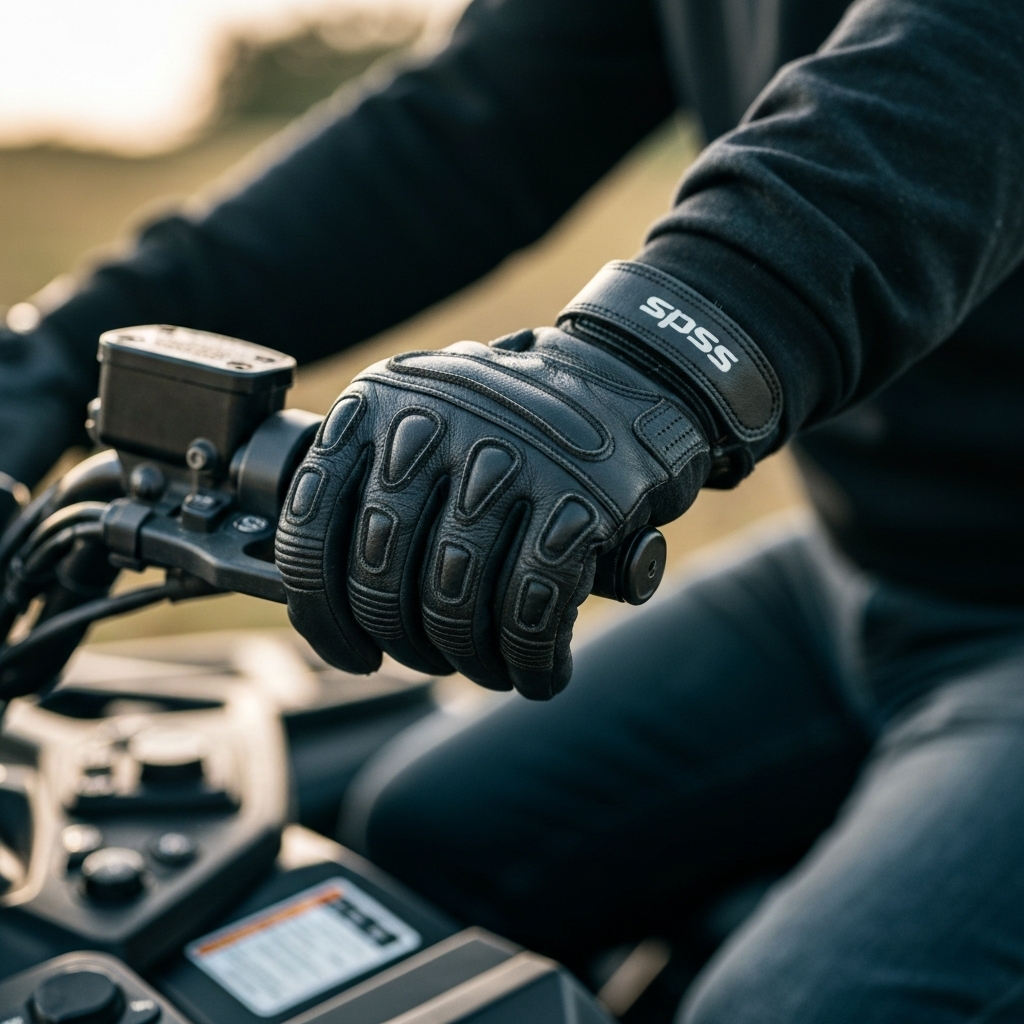
Before even starting your quad, ensure you're wearing all the necessary safety gear. This includes a DOT-approved helmet, eye protection (goggles or a face shield), gloves, long sleeves, long pants, and sturdy riding boots that offer ankle support. Consider a chest protector and knee/elbow pads for added protection, especially when learning.
Step 2: Find a Suitable Practice Area
Choose a large, flat, and open area with a soft surface like dirt or grass. Avoid paved surfaces initially, as they offer less forgiveness in case of a fall. Ensure the area is free of obstacles, such as rocks, trees, or fences, and far away from roads, traffic, or other people. Gradual slopes can also be useful to start learning the feeling of weight transfer.

Step 3: Master the Powerband
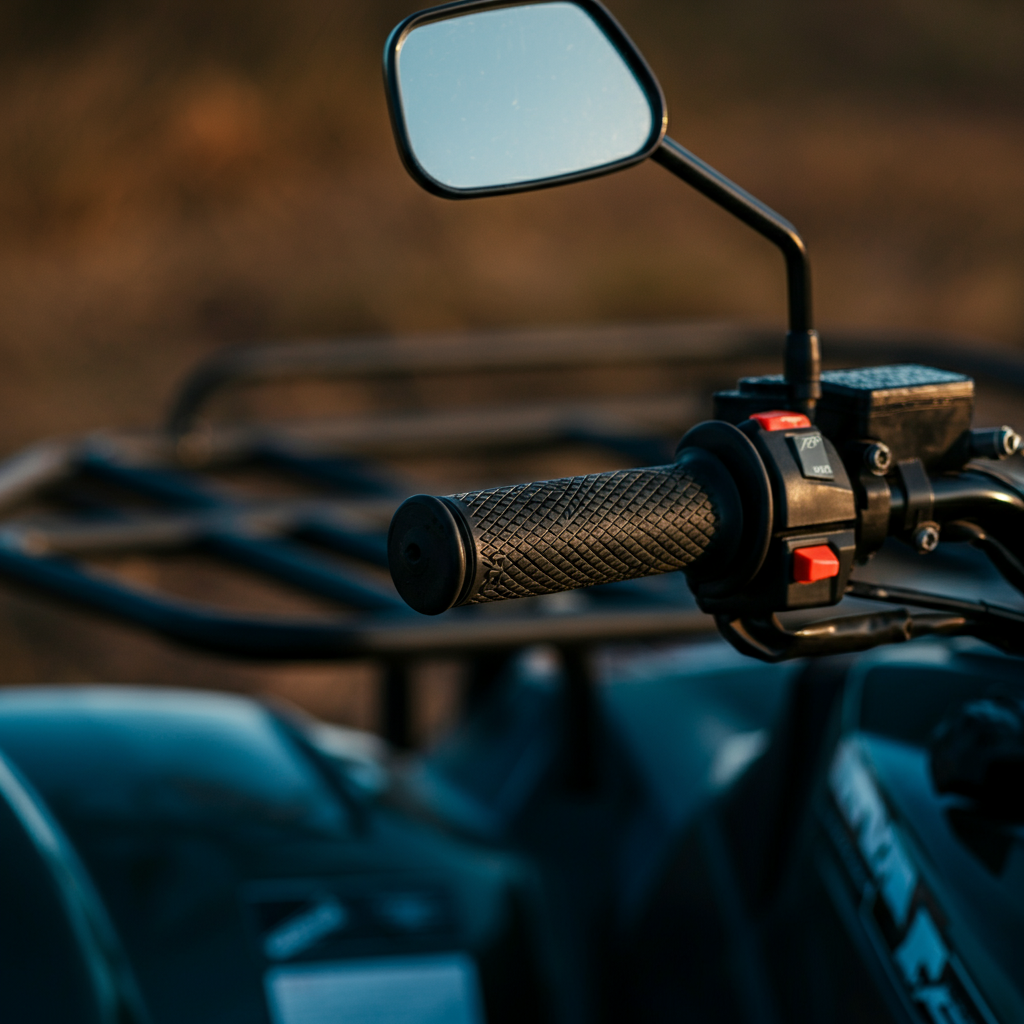
Understanding your quad's powerband is crucial. The powerband is the range of engine RPMs where your quad produces the most power. Experiment with the throttle in a safe area to identify the "sweet spot" where your quad accelerates the strongest. This is usually in the mid-range RPMs. Knowing this will help you initiate the wheelie more effectively.
Step 4: The Bounce Technique
This is the most common and safest method for learning wheelies. Start in first or second gear (depending on your quad's power) at a slow, steady speed. Then, quickly close the throttle and immediately open it again, while simultaneously shifting your weight slightly backward. This "bounce" action compresses the suspension and transfers weight to the rear wheels, helping to lift the front end. Practice this repeatedly to get a feel for the timing and weight transfer.
Step 5: Throttle Control is Key
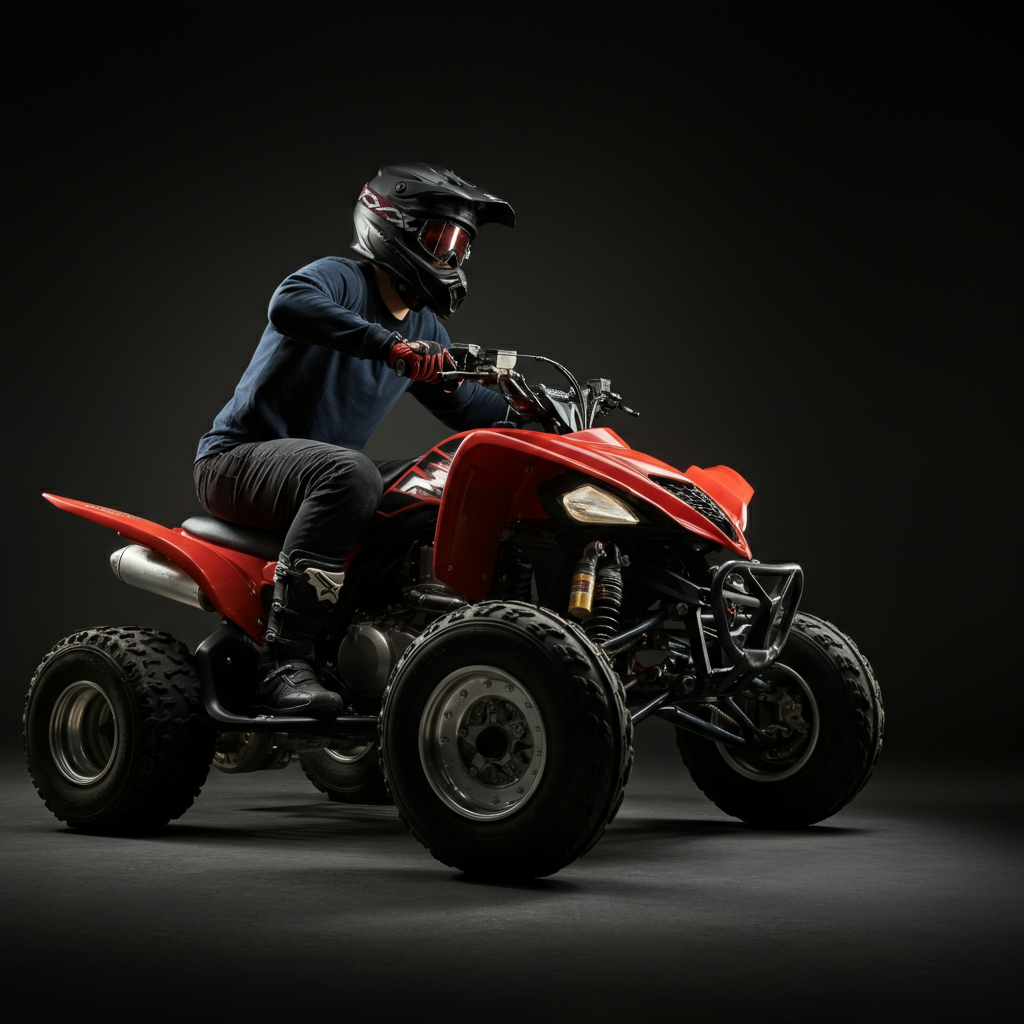
Once the front wheels lift off the ground, maintain a consistent throttle input to keep the wheelie going. Avoid chopping the throttle or giving it too much gas, as this can cause the wheelie to either drop abruptly or flip over backward. Use small, controlled adjustments to the throttle to maintain balance and height. Feathering the throttle is an important skill to develop.
Step 6: Using the Rear Brake
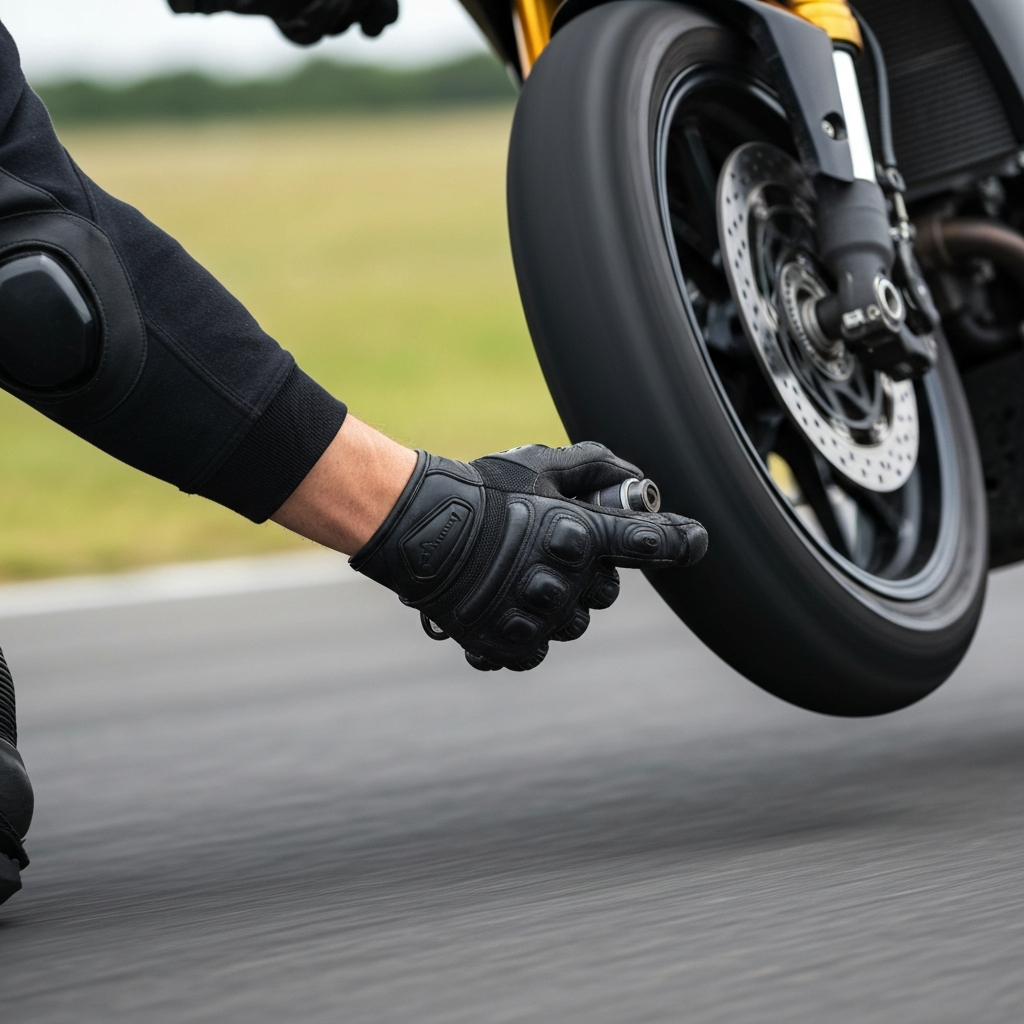
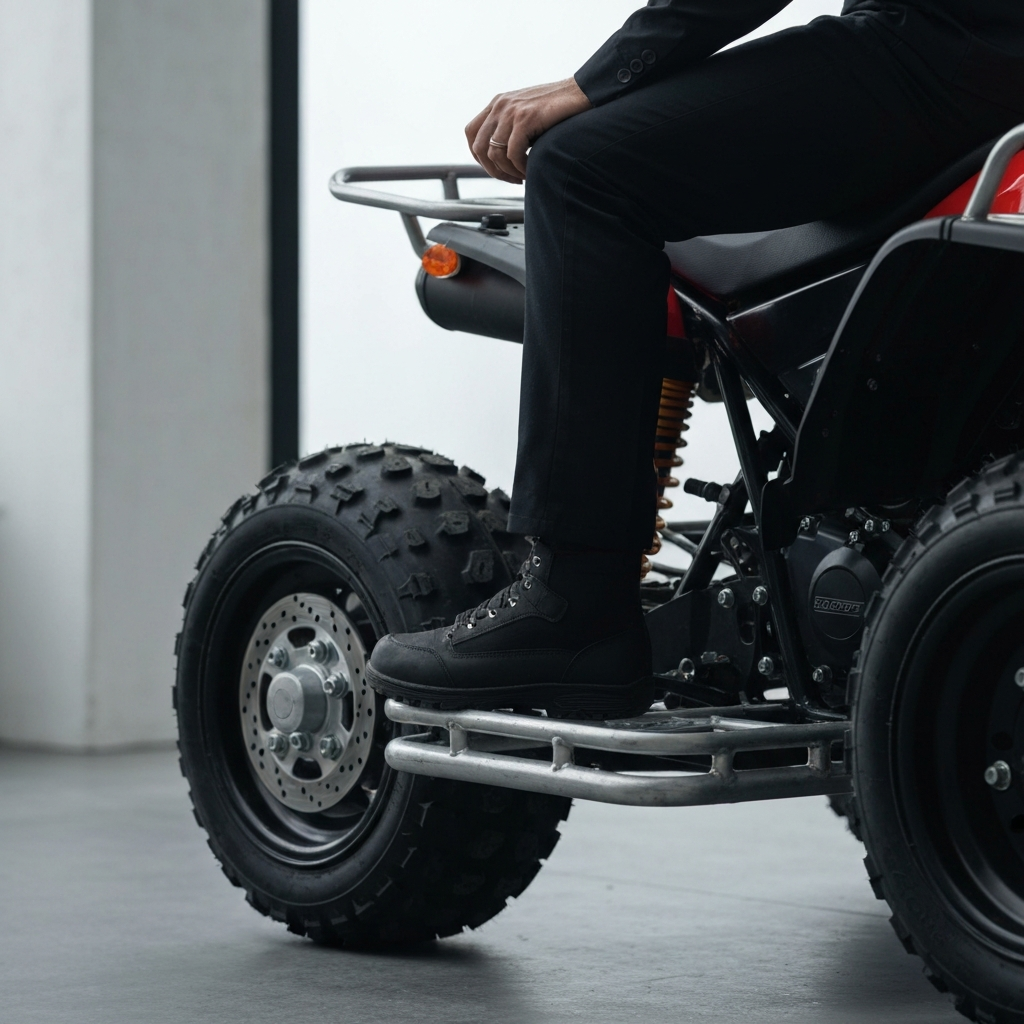
The rear brake is your primary safety net and control mechanism. If the wheelie starts to go too high, gently tap the rear brake to bring the front end back down. Practice using the rear brake in a controlled environment to develop muscle memory. Learning to modulate the rear brake is essential for preventing a loop-out (flipping over backward).
Step 7: Steering and Balance
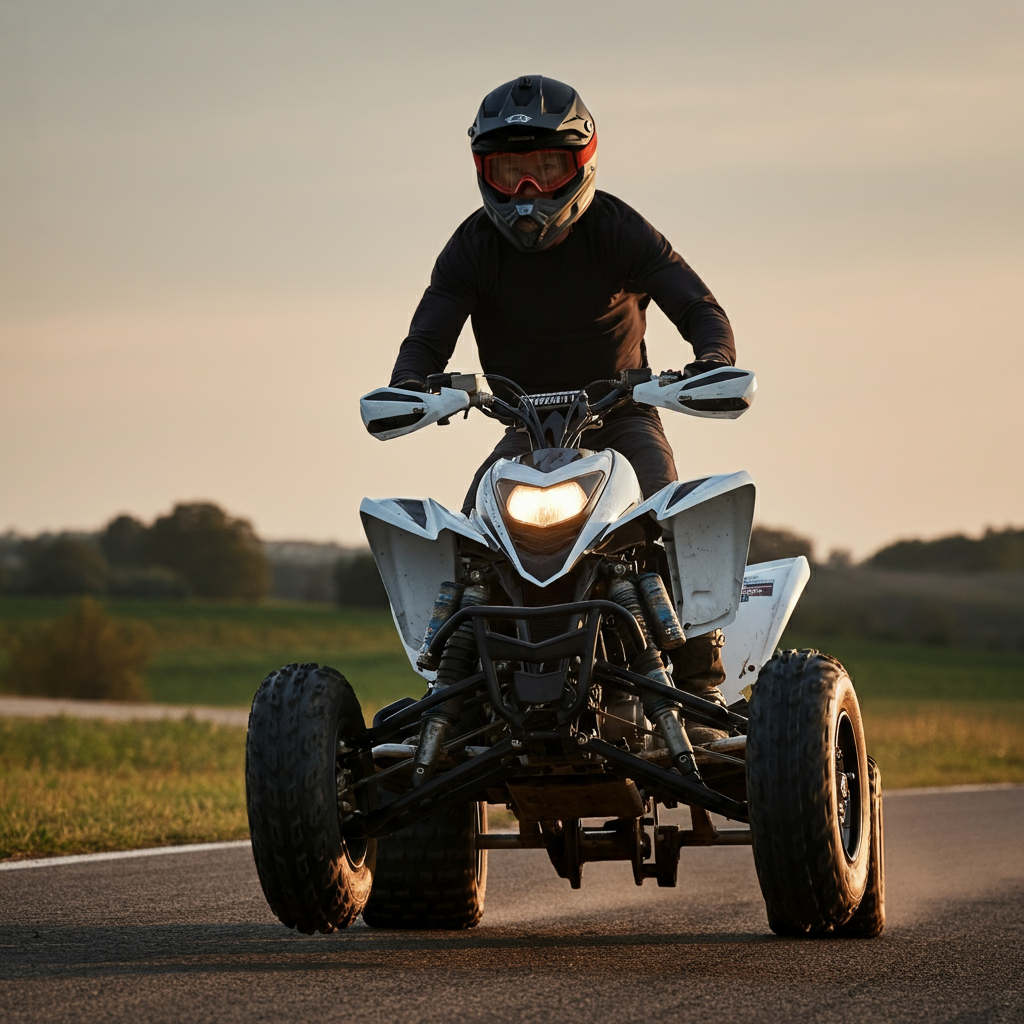
Steering during a wheelie requires subtle weight shifts. Lean slightly in the direction you want to turn. Avoid jerky movements or over-steering, as this can destabilize the quad. Practice small corrections to maintain balance and direction. As you become more proficient, you'll be able to perform longer and more controlled wheelies.
Step 8: Practice and Progression
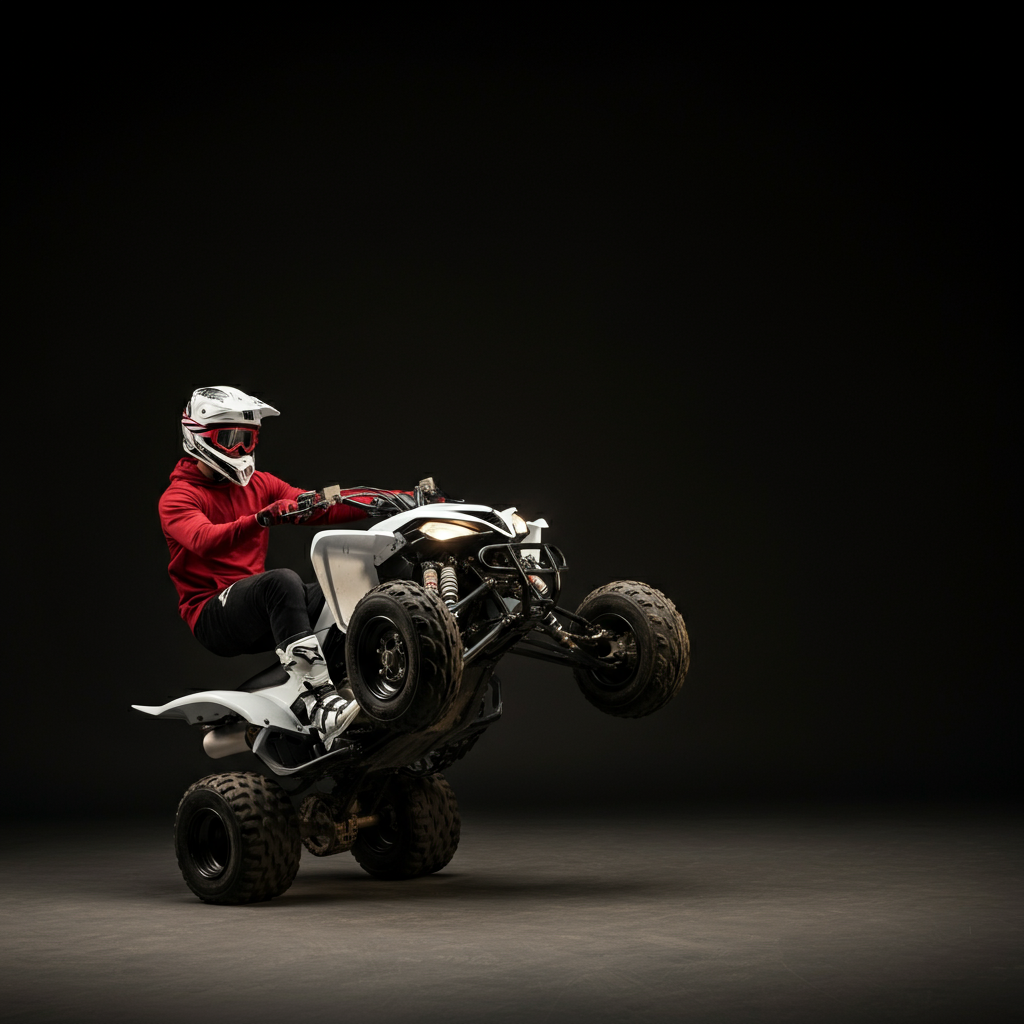
Consistency is key. Start with short wheelies and gradually increase the distance and height as your skills improve. Practice regularly in a safe environment and be patient with yourself. It takes time and dedication to master the wheelie.
Common Mistakes to Avoid
- Chopping the throttle: This causes the front end to drop suddenly.
- Over-throttling: This can lead to a loop-out.
- Leaning too far back: This destabilizes the quad and increases the risk of flipping over.
- Failing to use the rear brake: The rear brake is your safety net; don't be afraid to use it.
- Practicing in unsafe areas: Choose a safe, open area free of obstacles and distractions.
Safety Considerations
- Always wear appropriate safety gear.
- Start slowly and gradually increase the difficulty.
- Practice in a controlled environment.
- Be aware of your surroundings.
- Never attempt wheelies on public roads.
- Know your limits and don't push yourself beyond your comfort zone.
Pro Tips
- Adjust your tire pressure for better traction. Lower tire pressure can help with grip, especially on loose surfaces.
- Consider upgrading your quad's suspension for improved handling and stability.
- Experiment with different gearing ratios to find the optimal setup for wheelies.
- Watch videos of experienced riders to learn new techniques and improve your form.
FAQ Section
- What gear should I start in?
- First or second gear is typically recommended, depending on your quad's power. Experiment to see what works best.
- How do I prevent a loop-out?
- Use the rear brake to bring the front end down and shift your weight forward.
- How long does it take to learn to do wheelies?
- It varies depending on your skill level, dedication, and quad. Be patient and persistent.
- Is it safe to do wheelies on a quad?
- Wheelies can be dangerous if not performed correctly. Always wear safety gear and practice in a controlled environment.
Mastering the art of the quad wheelie requires dedication, patience, and a commitment to safety. By following the steps outlined in this guide, practicing consistently, and understanding your quad's capabilities, you'll be well on your way to performing impressive and controlled wheelies. Remember to always prioritize safety and gradually progress your skills. Happy riding!