The cartwheel, a fundamental gymnastic skill, is a fantastic way to build upper body strength, improve coordination, and unlock more advanced acrobatic movements. While it might seem daunting at first, breaking down the cartwheel into manageable steps and focusing on proper technique makes it accessible to nearly everyone. This comprehensive guide will provide you with the knowledge and practice tips needed to confidently execute a cartwheel. Remember, consistency and patience are key to mastering this skill.
Before you start, it's important to choose a safe and open space. A soft surface like a mat, carpeted area, or grassy field is ideal to cushion any falls. Wear comfortable, flexible clothing that allows for a full range of motion. We'll guide you through each phase, from the initial setup to the final landing, ensuring you understand the mechanics and build the necessary strength and coordination. So, let's get started on your journey to cartwheel success!
This guide emphasizes proper form and safety. We'll highlight common mistakes to avoid and provide exercises to strengthen the muscles crucial for a successful cartwheel. With dedication and careful practice, you'll be cartwheeling like a pro in no time! Always listen to your body and stop if you feel any pain.
Step 1: The Starting Stance
Begin by standing tall with your feet shoulder-width apart and your arms extended straight overhead, close to your ears. Choose your dominant leg – the one you feel most comfortable leading with. Now, take a large step forward with your dominant leg, bending your knee to approximately 90 degrees, forming a lunge position. Your back leg should remain straight, providing a solid base of support. Maintaining a straight line from your fingertips to your back heel is crucial for balance and momentum. This initial lunge sets the stage for the entire movement, so ensure you feel stable and balanced before proceeding.

Step 2: The Hand Placement
As you transition from the lunge, begin to lean forward, lowering your hands towards the ground. It’s important to keep your arms straight throughout this movement. Place your hands on the ground, one after the other, in a straight line that extends from your leading foot. Your hands should be shoulder-width apart, with your fingers pointing in the direction of your leading foot. Imagine a straight line running from your lead foot, through your hands, and extending beyond – this is the path your body will follow. Ensure your hands are firmly planted and your weight is evenly distributed between them.

Step 3: The Inverted Position
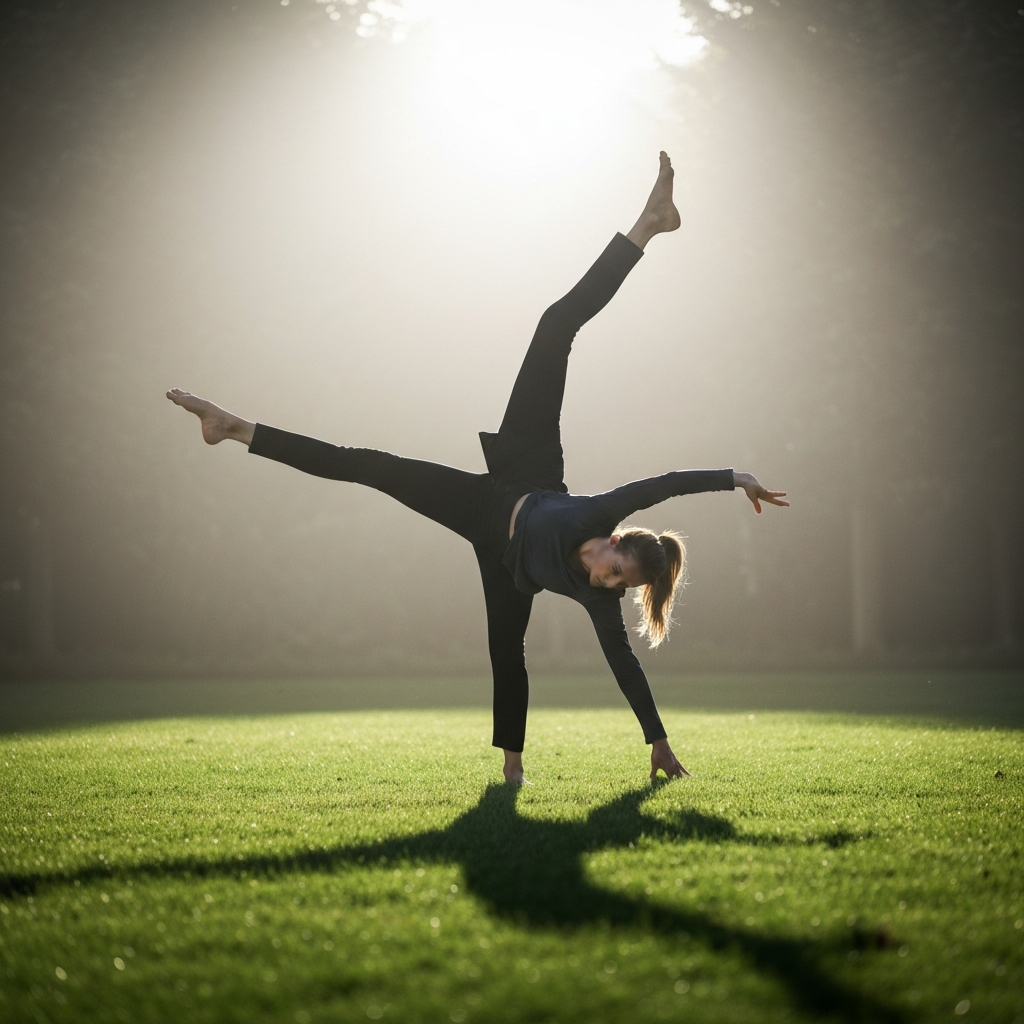
With your hands firmly planted, kick your legs up and over your body. Your legs should be straight and together, forming a "V" shape in the air. Engage your core muscles to maintain stability and control. This is the most challenging part of the cartwheel, requiring a combination of strength, balance, and coordination. Focus on pushing off with your legs and using your core to keep your body aligned. Avoid arching your back excessively; maintain a relatively straight line from your head to your toes.

Step 4: The Landing
As your legs pass over, control your descent by gently lowering one leg at a time back to the ground. The first leg to land should be the leg that was originally in the back during your starting lunge. Then place your other foot down. As your feet touch down, lift your hands off the ground, one at a time, returning to a standing position. The key to a smooth landing is controlled movement and maintaining your balance. Try to land softly and absorb the impact with your leg muscles.
Step 5: Practice and Refinement
Practice makes perfect! Repeat these steps multiple times, focusing on maintaining proper form and building your confidence. Pay attention to your body's alignment and adjust your technique as needed. Don't be discouraged if you don't get it right away – cartwheeling takes time and dedication. Consider practicing in front of a mirror to observe your form and identify areas for improvement. Experiment with leading with both legs to develop ambidexterity and overall coordination.
Safety Considerations
Always warm up before practicing cartwheels to prevent injuries. This should include stretching your wrists, arms, legs, and back. Ensure you have adequate space to perform the cartwheel without obstructions. If you have any pre-existing injuries, consult with a doctor or physical therapist before attempting a cartwheel. Start slowly and gradually increase the intensity of your practice as you become more comfortable. If you experience any pain, stop immediately and rest.
Common Mistakes to Avoid
A common mistake is bending your arms during the hand placement, which reduces stability and increases the risk of falling. Another mistake is failing to engage your core muscles, leading to a loss of balance. Focus on maintaining a straight line throughout the movement and engaging your core for stability. Avoid rushing through the steps; take your time and focus on proper technique. Additionally, looking at your hands when you are upside down can cause you to lose balance.
Pro Tips
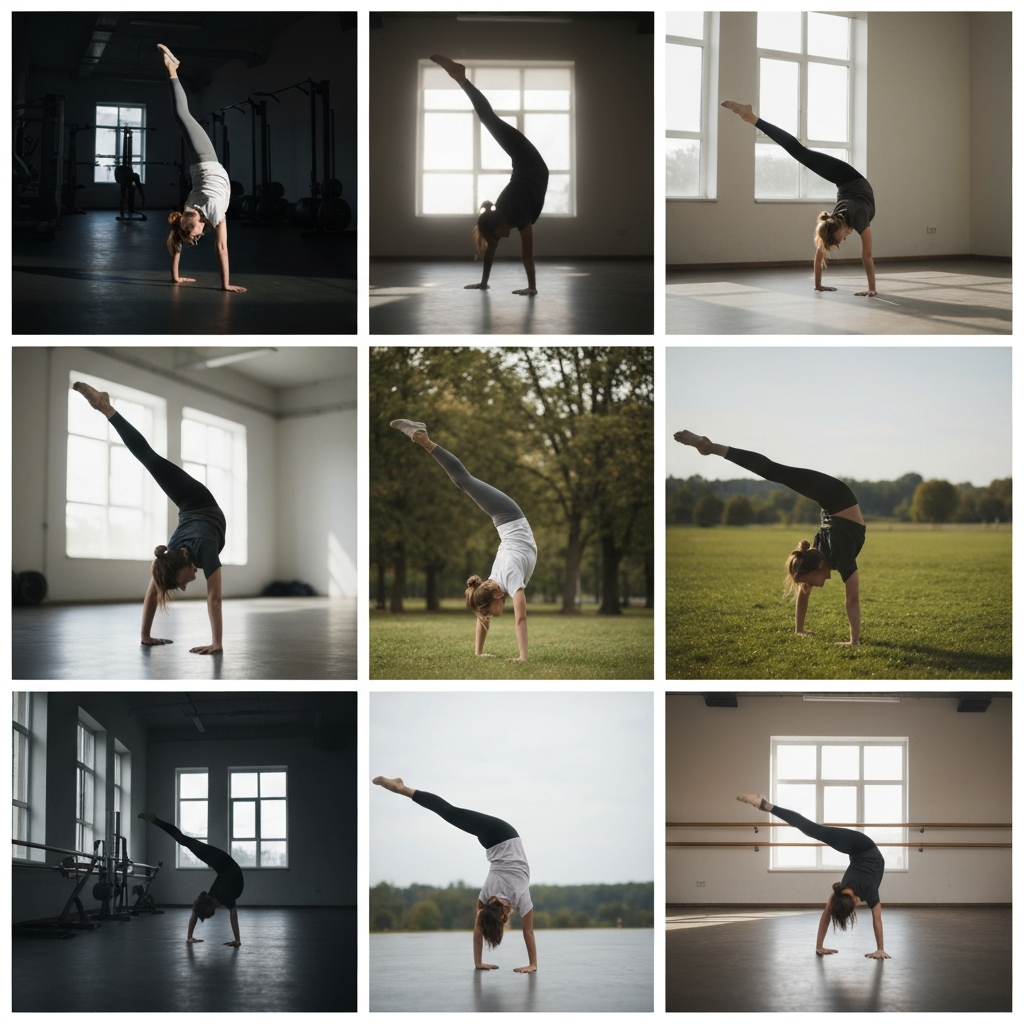
To improve your cartwheel, try practicing handstands against a wall. This will help you build the necessary upper body strength and balance. Visualize the movement before you start, imagining yourself executing the cartwheel flawlessly. Film yourself performing the cartwheel and review the footage to identify areas for improvement. Seek guidance from a qualified gymnastics instructor or coach for personalized feedback and training.
FAQ Section
Q: How long will it take to learn a cartwheel?
A: The time it takes to learn a cartwheel varies depending on your individual fitness level, coordination, and dedication to practice. With consistent effort, most people can learn the basics within a few weeks.
Q: What if I'm afraid of being upside down?
A: Start by practicing handstands against a wall to gradually acclimate yourself to the inverted position. Focus on maintaining your balance and control, and remember that you can always safely come down if you feel uncomfortable.
Q: Is there a specific age limit for learning a cartwheel?
A: There is no age limit! While it may be easier for children and teenagers, adults can also learn cartwheels with proper training and dedication.
Conclusion
Mastering the cartwheel is a rewarding accomplishment that builds strength, coordination, and confidence. By following the steps outlined in this guide, practicing diligently, and prioritizing safety, you can unlock this fundamental gymnastic skill and open the door to more advanced movements. Remember to be patient with yourself, celebrate your progress, and enjoy the journey! With dedication and perseverance, you'll be cartwheeling like a pro in no time.