The fight for LGBTQ+ equality is far from over. While significant strides have been made, discrimination persists in various forms, impacting housing, employment, healthcare, and even personal safety. Many assume that LGBTQ+ individuals are seeking "special rights," but the reality is a pursuit of equal rights – the same protections and opportunities afforded to everyone else. Discrimination based on sexual orientation and gender identity remains legal in many places, highlighting the urgent need for continued advocacy and action.
This guide provides actionable steps you can take to defend gay rights and contribute to a more just and equitable society. It goes beyond simple gestures and delves into practical, impactful strategies to make a real difference in the lives of LGBTQ+ individuals. From supporting crucial legislation to fostering inclusive environments, this guide will empower you to become an effective ally.
This guide emphasizes not only legal protections but also the importance of fostering a culture of acceptance and understanding. We must work to dismantle the prejudice and misinformation that fuel discrimination and create a world where LGBTQ+ individuals can live openly and authentically without fear.
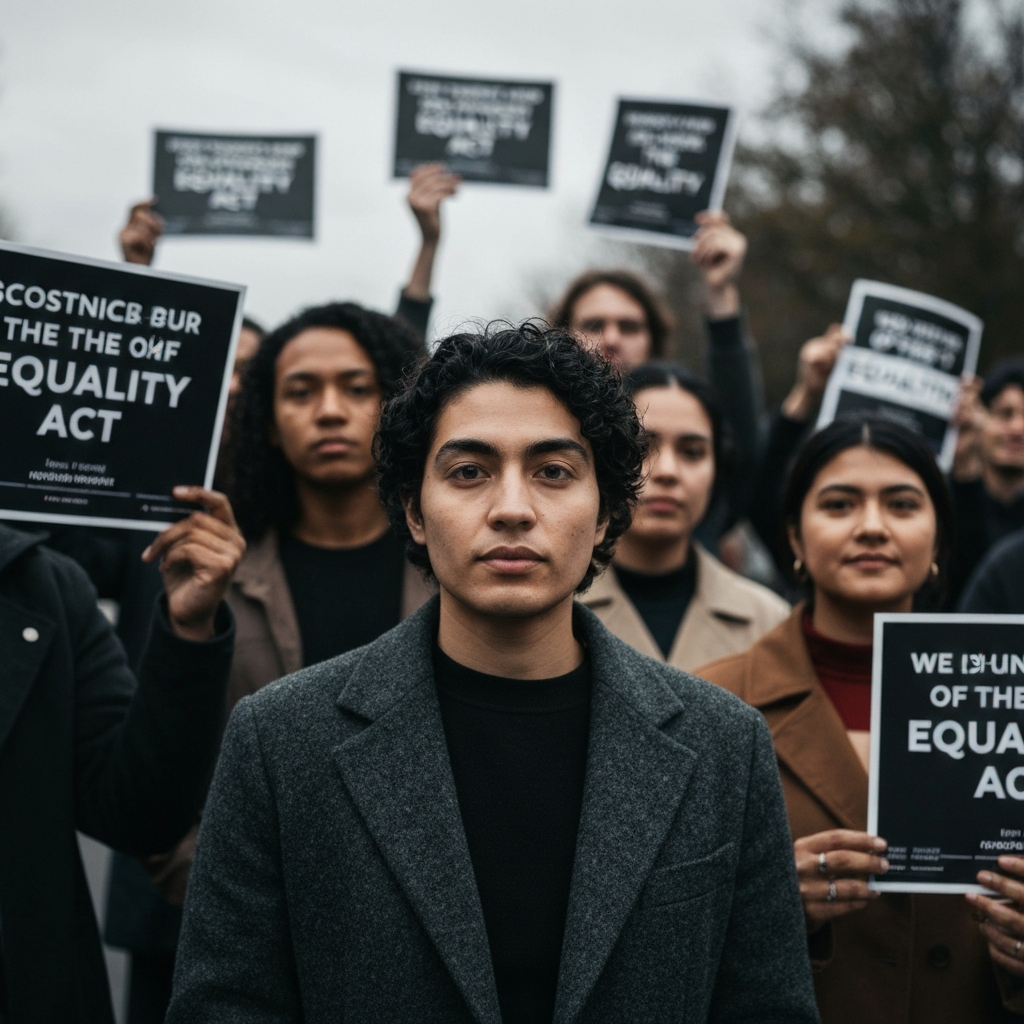
Step 1: Support the Equality Act
Currently, in many parts of the United States, it is legal to discriminate against someone based on their sexual orientation or gender identity. This can create significant barriers to accessing fundamental necessities like employment, housing, and healthcare. The Equality Act aims to address this gap by providing comprehensive federal protections against discrimination based on sexual orientation and gender identity. This includes areas such as employment, housing, public accommodations, education, federal funding, credit, and jury service.
Step 2: Combat Bullying and Harassment
LGBTQ+ youth, in particular, face disproportionately high rates of bullying and harassment. This can have devastating consequences on their mental and emotional well-being, leading to increased rates of substance abuse and suicide attempts. Addressing bullying requires a multi-faceted approach, involving education, policy changes, and direct intervention. If you witness bullying, speak up and intervene if it is safe to do so. Report harassment in the workplace to HR immediately.

Step 3: Challenge Anti-LGBTQ+ Legislation
Many state legislatures continue to introduce and pass legislation that undermines LGBTQ+ rights. These laws can range from discriminatory "religious freedom" bills to restrictions on transgender individuals' access to healthcare and public accommodations. Stay informed about proposed legislation in your state and contact your elected officials to voice your opposition to anti-LGBTQ+ bills. You can find information about state-by-state anti-discrimination provisions through organizations like the Human Rights Campaign (HRC).

Step 4: Support LGBTQ+-Owned Businesses
One practical way to show your support for the LGBTQ+ community is to patronize LGBTQ+-owned businesses. By consciously choosing to spend your money at these establishments, you are directly contributing to their economic empowerment and visibility. Supporting LGBTQ+-owned businesses sends a clear message that you value diversity and inclusion. You can often find lists and directories of LGBTQ+-owned businesses online.

Step 5: Reach Out to Loved Ones
Sometimes, the simplest acts of kindness can have the biggest impact. Make a point to reach out to your LGBTQ+ friends, family members, and loved ones to let them know that you care about them and that you support them unconditionally. Marriage equality and LGBTQ+ rights are about the freedom to express oneself openly and authentically. A phone call, a heartfelt message, or a simple gesture of appreciation can make a world of difference.

Step 6: Contact Your Representatives
Your voice matters. Contacting your elected officials – whether by phone, email, or letter – can make a real difference in shaping policy. If your representatives support LGBTQ+ rights, thank them for their advocacy. If they don't, respectfully but firmly challenge their position and urge them to reconsider. Remind them that there is still much work to be done to achieve full equality for all.

Step 7: Donate to LGBTQ+ Organizations
Many organizations are working tirelessly to advance LGBTQ+ rights, provide essential services, and support LGBTQ+ individuals in need. Consider making a donation to your favorite LGBTQ+ organization to help them continue their vital work. Your financial contribution, no matter the size, can make a significant impact. Examples include The Trevor Project, GLAAD, and the It Gets Better Project.

Step 8: Attend a Pride Parade or Event
Pride parades and events are vibrant celebrations of LGBTQ+ identity and a powerful demonstration of community and solidarity. Attending a Pride event, whether you are LGBTQ+ or an ally, is a fantastic way to show your support for the community. Pride is about living with dignity, integrity, and joy, free from fear of discrimination. These events also commemorate the history of the LGBTQ+ rights movement.

Step 9: Promote Inclusive Language and Practices
Creating a more inclusive environment starts with the language we use and the practices we adopt. Avoid making assumptions about people's gender identity or sexual orientation. Speak out against anti-LGBTQ+ harassment and discrimination, including homophobia and transphobia. Use inclusive language and pronouns. Be supportive of those who choose to come out.
Step 10: Volunteer Your Time to LGBTQ+ Youth
LGBTQ+ youth often face unique challenges and may benefit from mentorship and support. Consider volunteering your time to an organization that serves LGBTQ+ youth, such as The Trevor Project. Even simply listening and offering support to an LGBTQ+ person who is struggling can make a life-saving difference. Your time and compassion can have a profound impact.
Tools or Materials Required
- Internet access for researching legislation and LGBTQ+ organizations.
- Contact information for your elected officials.
- Open mind and willingness to learn.
Common Mistakes to Avoid
- Making assumptions about someone's sexual orientation or gender identity.
- Using outdated or offensive language.
- Being a "silent" ally – speak up and take action.
Safety Considerations
- When intervening in bullying situations, prioritize your own safety.
- Be mindful of your surroundings and avoid putting yourself in harm's way.
FAQ Section
- What if I don't know much about LGBTQ+ issues?
- That's okay! There are many resources available to help you learn. Start by reading articles, watching documentaries, and talking to LGBTQ+ people in your life.
- How can I be a better ally?
- Listen to LGBTQ+ voices, educate yourself, and take action to support equality. Be willing to challenge your own biases and assumptions.
Conclusion
Defending gay rights is an ongoing process that requires commitment, education, and action. By supporting inclusive policies, combating discrimination, and fostering a culture of acceptance, we can create a more just and equitable world for LGBTQ+ individuals. Every action, no matter how small, contributes to a larger movement for equality and justice. Remember, allyship is a verb – it requires consistent effort and engagement. Your support can make a real difference in the lives of LGBTQ+ people and help build a more inclusive future for all.