Embarking on a cruise to Antarctica is an extraordinary adventure, unlike any other travel experience. The White Continent offers breathtaking landscapes, unique wildlife encounters, and a sense of awe-inspiring isolation. However, planning such a trip requires careful consideration and preparation. This guide provides a comprehensive, step-by-step approach to ensure your Antarctic cruise is a safe, memorable, and fulfilling journey.
From selecting the right type of cruise and understanding the optimal time of year to travel, to budgeting and packing appropriately, every detail matters. The sheer remoteness of Antarctica demands meticulous planning. Unexpected issues can arise quickly in such a challenging environment, so being well-informed is crucial. This guide aims to arm you with the knowledge you need to navigate the complexities of Antarctic travel and make the most of your once-in-a-lifetime experience.
Ultimately, a cruise to Antarctica is an investment in an unforgettable memory. This journey will push your boundaries and give you stories to tell for years to come. This guide will help you get started!
Step 1: Choosing the Right Type of Antarctic Cruise
The first crucial decision is selecting the type of cruise that best suits your preferences and priorities. There are several options, each offering a different experience. Luxury cruises prioritize comfort and amenities but may not allow for landings on the continent. Fly-cruises offer a quicker alternative by bypassing the potentially rough Drake Passage. Smaller expedition ships provide the opportunity for landings and more intimate wildlife encounters.
Consider what aspects of the journey are most important to you. If your primary goal is to set foot on Antarctica and engage in activities like hiking or kayaking, a smaller expedition ship is the ideal choice. If you prefer a more relaxed experience with lectures and stunning views from the ship, a luxury cruise might be more suitable. Fly-cruises are perfect if you are prone to seasickness or have limited time. Always factor in travel time to and from the departure city, usually Ushuaia, Argentina. The number of passengers on the ship directly impacts the intimacy and exclusiveness of the trip. Remember that the smaller the ship, the higher the price.

Step 2: Factoring in the Time of Year
Antarctica's seasons are opposite those of the Northern Hemisphere, and the timing of your trip significantly impacts the weather, daylight hours, and wildlife activity. The Antarctic cruising season runs from October to March. Each month offers a unique experience.
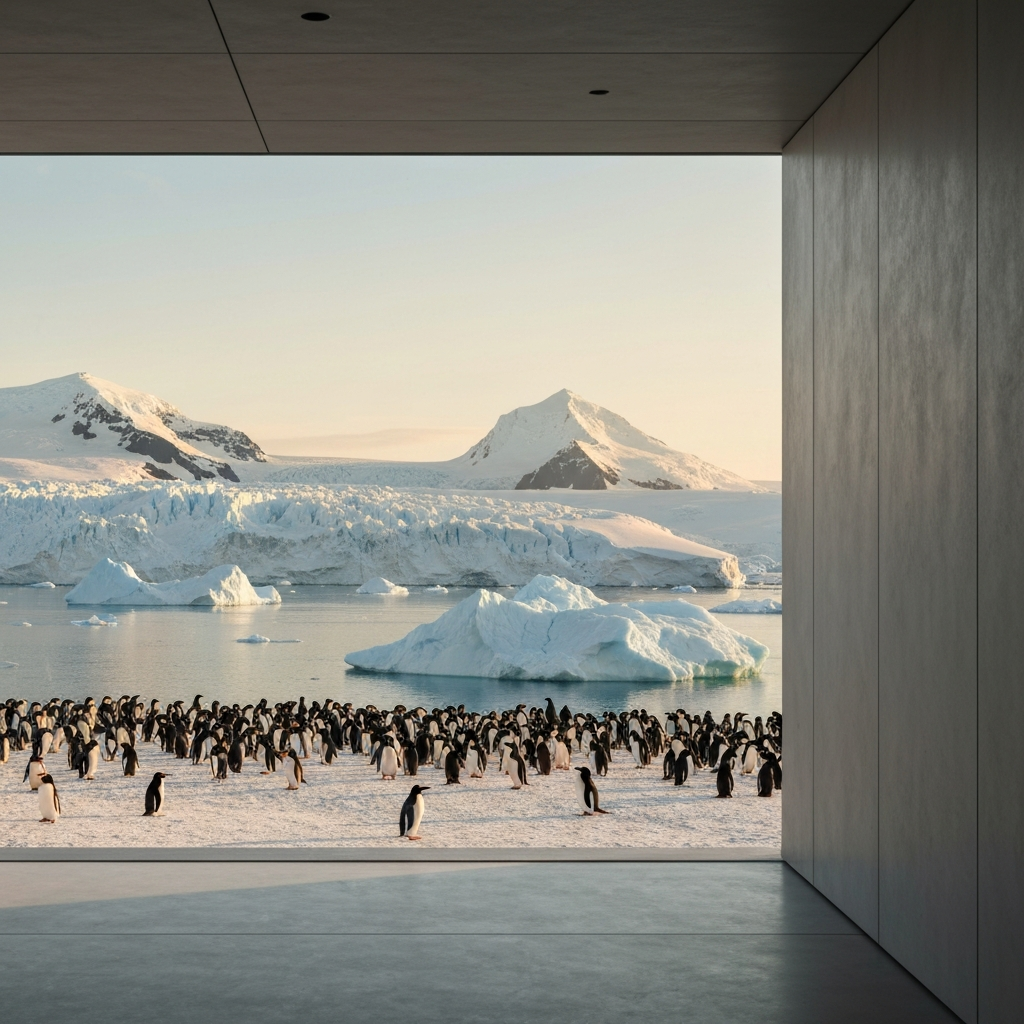
October and November mark the beginning of the season, with pristine ice and snow landscapes. It's the best time for seeing penguins nesting and witnessing the start of the wildlife breeding season. December and January offer the longest daylight hours and relatively milder temperatures, making them ideal for extended shore excursions. However, these months are also the most popular, leading to higher prices. February and March bring whale sightings and the opportunity to see penguin chicks fledging. Consider your priorities and desired wildlife encounters when selecting your travel dates. Remember that weather conditions can change rapidly, regardless of the month. Prepare to have a flexible attitude and pack for all types of weather.
Step 3: Budgeting and Comparative Shopping
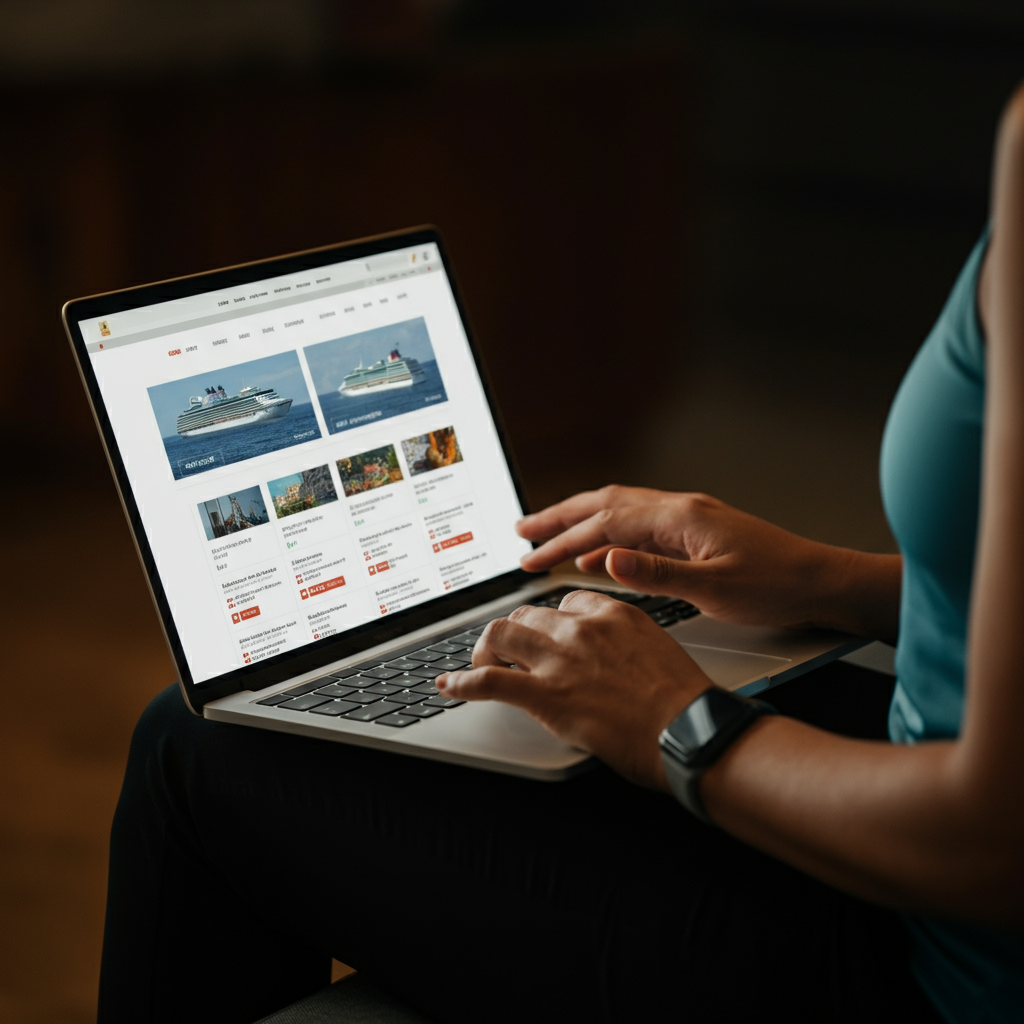
Antarctic cruises are a significant financial investment, so thorough research and comparative shopping are essential. Prices vary widely depending on the type of cruise, ship size, cabin category, and itinerary. Carefully compare the inclusions and exclusions of each cruise package.
Inquire about what is included in the price, such as meals, shore excursions, and onboard activities. Determine if you will have to pay extra for alcoholic drinks. Find out if essential gear like parkas and boots are provided or need to be rented or purchased separately. Compare cabin options and prices, considering that cabins on lower decks are generally less expensive. Research different cruise operators and itineraries, looking for the best value for your desired experience. Some companies offer the same itinerary on different ships, with varying levels of amenities and prices. Don't hesitate to negotiate or ask for discounts, especially during the shoulder season.
Step 4: Understanding Onboard and Onshore Activities
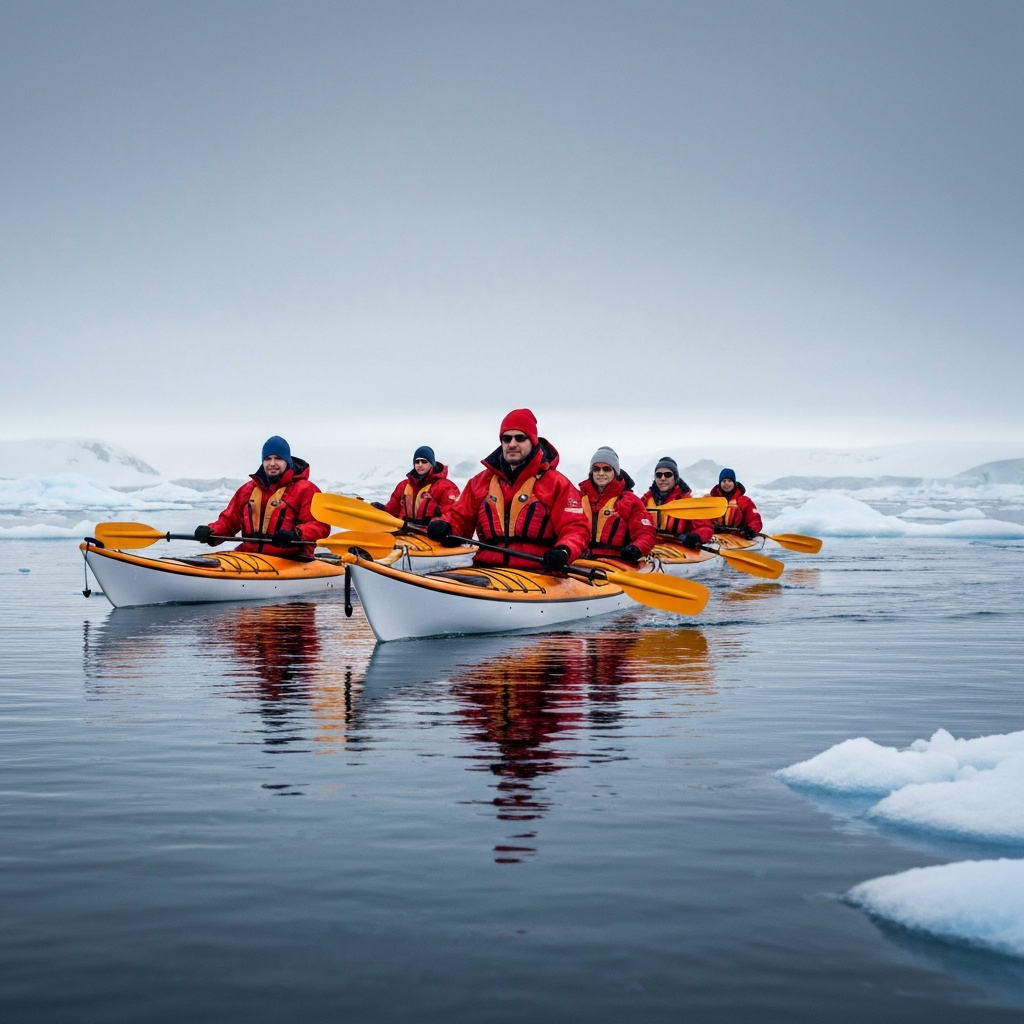
The activities offered on board and ashore significantly contribute to the overall cruise experience. Many cruises offer lectures from expert naturalists, marine biologists, and historians, providing valuable insights into the Antarctic environment and its wildlife. Shore excursions may include zodiac cruises, hiking, kayaking, and visits to scientific research stations.
Determine which activities are included in the cruise price and which require additional fees. Inquire about the level of physical fitness required for each activity and ensure it aligns with your abilities. Some cruises offer specialized activities like scuba diving, mountaineering, or photography workshops. Research these options in advance and determine if they align with your interests. Be aware that weather conditions can affect the availability of shore excursions and activities. Prepare to be flexible and adapt to changing circumstances.
Step 5: Preparing for the Weather and Packing Appropriately
Antarctic weather can be unpredictable and challenging, even during the summer months. Temperatures can range from above freezing to well below zero, and strong winds and snowfall are common. Packing the right clothing and gear is crucial for staying comfortable and safe.
Pack layers of clothing, including thermal underwear, fleece jackets, waterproof and windproof outer layers, and insulated gloves and hats. Sturdy, waterproof boots are essential for shore excursions. Sunscreen and sunglasses are also important, as the sun's reflection off the ice can be intense. Some cruise operators provide parkas and boots, but it's essential to confirm this in advance. Don't forget to pack any necessary medications, toiletries, and personal items. Consider bringing a camera with a good zoom lens to capture the stunning landscapes and wildlife.

Step 6: Seasickness Prevention and Management
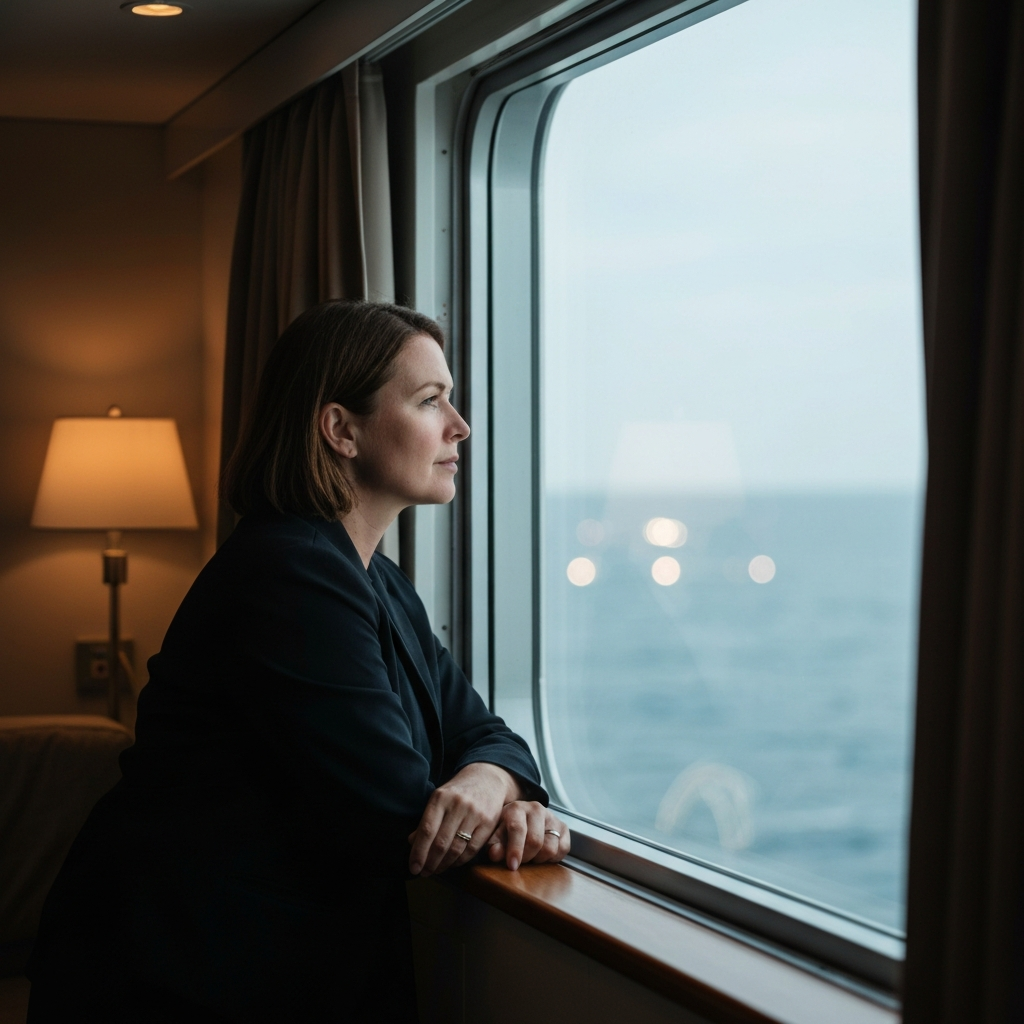
The Drake Passage, the body of water between South America and Antarctica, is notorious for its rough seas. Even experienced sailors can experience seasickness. Taking preventative measures is essential for ensuring a comfortable journey.
Consult your doctor about seasickness medications or remedies before your trip. Start taking medication a day or two before embarking on the cruise. Choose a cabin in the middle of the ship, where motion is less pronounced. Stay hydrated and avoid heavy meals. Focus on the horizon and breathe deeply. Ginger, acupressure bands, and aromatherapy can also help alleviate seasickness symptoms. If you experience severe seasickness, seek medical attention from the onboard medical staff.
Safety Considerations
Antarctica is a pristine and remote environment, and it's crucial to prioritize safety during your cruise. Follow all instructions from the crew and expedition staff. Be aware of potential hazards, such as slippery surfaces, wildlife encounters, and changing weather conditions. Maintain a safe distance from wildlife and avoid disturbing their natural habitat. Stay on designated trails and avoid venturing off on your own. Report any injuries or concerns to the crew immediately.
Pro Tips
- Book your cruise well in advance, especially if you're traveling during peak season.
- Consider purchasing travel insurance that covers medical emergencies, trip cancellations, and lost luggage.
- Learn some basic facts about Antarctica's history, geography, and wildlife before your trip.
- Pack a small backpack for shore excursions to carry water, snacks, and extra layers of clothing.
- Be prepared to disconnect from technology and enjoy the remoteness of Antarctica.
FAQ Section
Q: What is the best time of year to see penguins in Antarctica?
A: October and November are the best months to see penguins nesting and building colonies.
Q: What is the Drake Passage like?
A: The Drake Passage is known for its rough seas, but conditions can vary. Be prepared for potential seasickness.
Q: What type of currency is used in Antarctica?
A: No currency is used. Credit cards are usually accepted on the ship, but bring some cash for tipping.
Conclusion
A cruise to Antarctica is an extraordinary adventure that requires careful planning and preparation. By choosing the right type of cruise, timing your trip appropriately, budgeting effectively, packing wisely, and prioritizing safety, you can ensure a safe, memorable, and fulfilling journey to the White Continent. Embrace the remoteness, the stunning landscapes, and the unique wildlife encounters, and create memories that will last a lifetime. Remember to respect the fragile environment and leave only footprints behind. The key to an amazing trip is to be prepared for anything!