In today's fast-paced world, prioritizing your well-being is more critical than ever. A well-structured wellness plan acts as a roadmap, guiding you toward a healthier and more fulfilling life. Research consistently shows a strong correlation between having a wellness plan and experiencing improved physical, mental, and emotional health. It's about more than just reacting to problems; it's about proactively creating a life that supports your overall well-being.
Creating a wellness plan might seem daunting, but it's a highly personalized process. There's no one-size-fits-all approach. This guide breaks down the process into manageable steps, providing expert insights and practical advice to help you design a plan that aligns with your unique needs and aspirations. Remember, this isn't about perfection; it's about progress and consistent effort.
This guide offers insights into assessing your current wellness levels, setting realistic goals, tracking your progress, and adapting your plan as you evolve. By following these steps, you'll be well on your way to crafting a sustainable and effective wellness plan that empowers you to thrive.
Step 1: Identify Areas for Improvement
The first step in creating a wellness plan is to honestly assess where you stand in various aspects of your life. A common model breaks wellness down into dimensions like physical, social, emotional, intellectual, vocational, environmental, spiritual, and financial. Rate your satisfaction level in each area on a scale of 1 to 10, with 1 being the lowest and 10 being the highest. This provides a clear snapshot of where your strengths lie and where you need to focus your efforts.
Don't be afraid to be brutally honest with yourself during this self-assessment. Identifying areas that need improvement is crucial for developing a targeted and effective plan. However, remember that these dimensions are interconnected. Focusing solely on one area while neglecting others can lead to imbalances. A holistic approach is key. For instance, improving your physical health can positively impact your emotional well-being, and vice versa. A common mistake is to only focus on physical health and ignore mental or spiritual needs.

Step 2: Set SMART Goals
Once you've identified areas for improvement, it's time to set goals. Use the SMART framework: Specific, Measurable, Achievable, Relevant, and Time-bound. This ensures your goals are well-defined and attainable. For example, instead of saying "I want to be healthier," a SMART goal would be "I will walk for 30 minutes, three times a week, for the next month."
Break down long-term goals into smaller, manageable short-term goals. This makes the overall process less overwhelming and allows you to celebrate small victories along the way. Make sure your goals are reasonable and aligned with your current capabilities. Avoid setting yourself up for failure by aiming too high too soon. Be patient with yourself. Personal growth takes time, and setbacks are a normal part of the process. Don't get discouraged; simply adjust your approach and keep moving forward. Remember, it's a marathon, not a sprint.
Step 3: Track Your Progress
Tracking your progress is essential for staying motivated and making necessary adjustments to your wellness plan. Create a chart, journal, or spreadsheet to monitor your progress in each area you're focusing on. Regularly record your activities, achievements, and any challenges you encounter. This provides valuable insights into what's working and what's not.
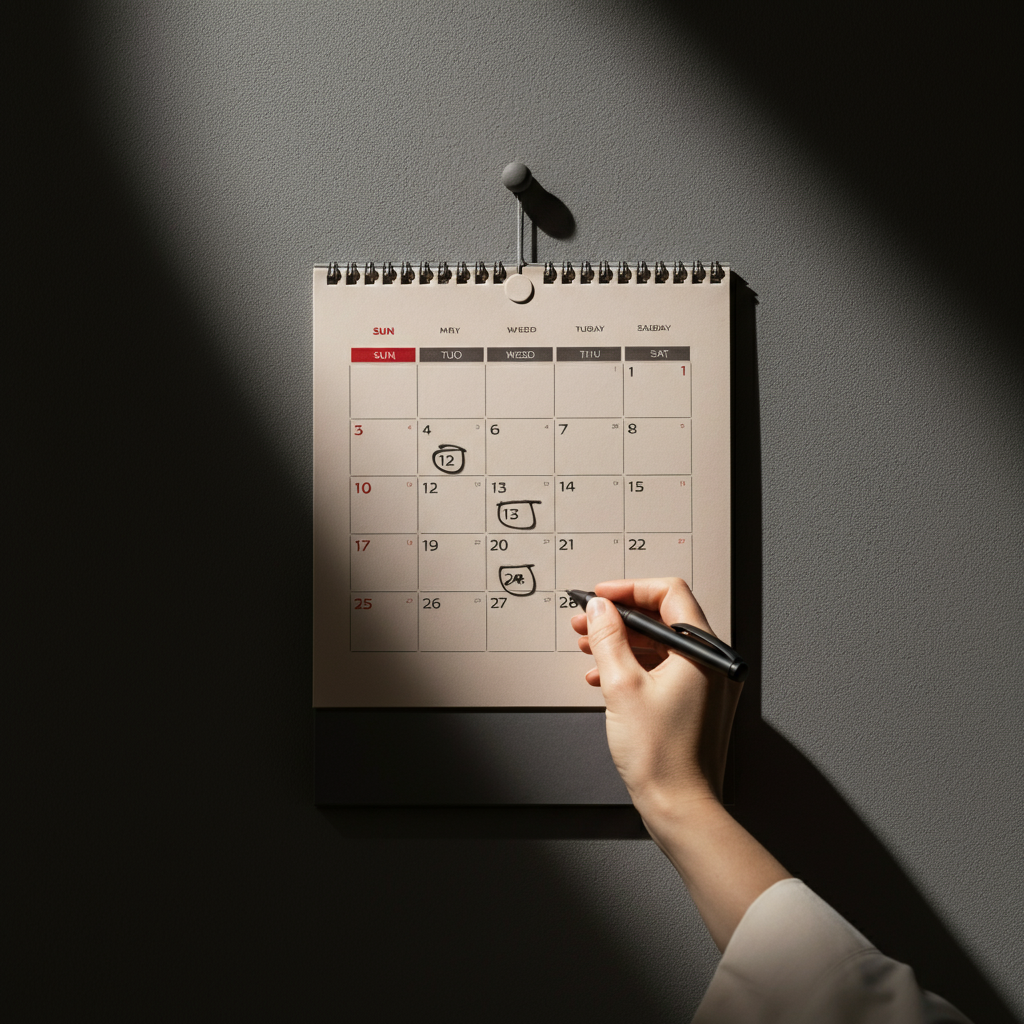
Set aside time each week or month to review your progress. This allows you to identify patterns, celebrate successes, and address any roadblocks. Seeing tangible evidence of your accomplishments can be a powerful motivator. Consider using a calendar to mark important dates and checkpoints. This visual representation of your journey can help you stay on track and maintain momentum. Be consistent with your tracking, and don't be afraid to experiment with different methods until you find one that works best for you.

Step 4: Update Your Wellness Plan Regularly
Your wellness plan should be a living document that evolves alongside you. As you make progress, your needs and goals will likely change. Therefore, it's crucial to update your plan regularly, ideally every six months or so. This ensures your plan remains relevant and effective in supporting your ongoing growth and well-being.
Reassess your goals and strategies based on your experiences and achievements. What worked well? What didn't? Are there new areas you want to explore? Are any existing goals no longer aligned with your values or priorities? Don't be afraid to make significant changes if necessary. The key is to ensure your plan continues to serve your best interests. Personal wellness is a dynamic process, and your plan should reflect that. Consider consulting with a wellness professional or trusted friend for feedback and support during this review process.

Step 5: Seek Support
Building a strong support system is crucial for long-term success. Sharing your goals with others can provide accountability, encouragement, and valuable feedback. Consider enlisting the help of friends, family members, or a wellness coach. Joining support groups or online communities can also provide a sense of belonging and shared experience.
Don't hesitate to seek professional help when needed. A therapist, nutritionist, or financial advisor can provide expert guidance and support in specific areas of your wellness plan. A "buddy system" with a friend or family member can be especially effective, providing mutual support and motivation. Remember, you don't have to go it alone. Building a strong support network can significantly increase your chances of achieving your wellness goals. If working on financial wellness, involving your spouse can bring improvements to the overall relationship, too.

Tools or Materials Required
- Journal or Notebook
- Pen and Paper
- Calendar or Planner
- Spreadsheet Software (e.g., Microsoft Excel, Google Sheets)
- Wellness Assessment Questionnaire (online or print)
Common Mistakes to Avoid
- Setting unrealistic goals
- Not tracking progress
- Failing to update the plan
- Ignoring the interconnectedness of wellness dimensions
- Trying to do too much too soon
- Lack of a support system
FAQ Section
Q: How often should I review my wellness plan?
A: Ideally, review your plan every six months to ensure it remains relevant and effective.
Q: What if I fall behind on my goals?
A: Don't get discouraged. Simply reassess your goals and make adjustments as needed. It's all part of the process.
Q: Do I need to share my wellness plan with others?
A: Sharing your plan with trusted individuals can provide accountability and support, but it's ultimately a personal decision.
Conclusion
Creating a wellness plan is an investment in your overall well-being. By following these steps, you can design a personalized roadmap to a healthier, happier, and more fulfilling life. Remember to be patient, persistent, and adaptable. Your wellness plan is a journey, not a destination. Embrace the process, celebrate your progress, and enjoy the transformative power of prioritizing your well-being.