Protecting your quad is crucial for maintaining its condition and longevity, especially when it's not in use. A high-quality cover shields it from the elements, including sun, rain, snow, and dust, which can cause fading, rust, and other forms of damage. Choosing and properly installing a quad cover might seem simple, but attention to detail ensures maximum protection and prevents common pitfalls. This guide provides a step-by-step approach to measuring your quad, selecting the appropriate cover, and securing it correctly.
Whether you're storing your quad indoors or outdoors, investing in the right cover is a worthwhile investment. A cover not only safeguards against environmental factors but also helps deter theft and keeps your quad clean. This guide will walk you through the essential steps to ensure your quad remains in top condition for years to come.
By following these carefully outlined instructions, you will be able to effectively protect your quad and extend its lifespan, saving you money and hassle in the long run.
Step 1: Measuring Your Quad
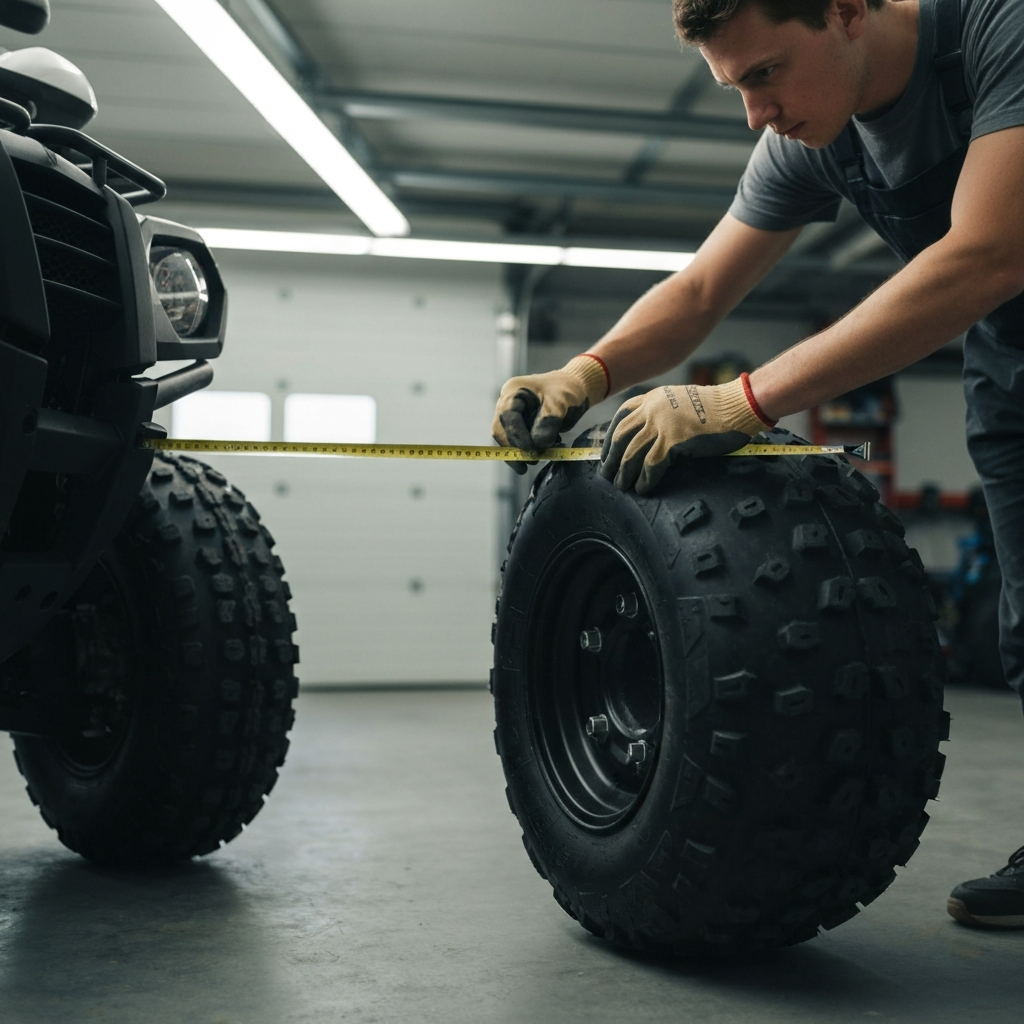
Accurate measurements are the foundation for selecting the correct cover size. To begin, use a measuring tape to determine the overall length of your quad. Place the end of the tape at the furthest point in the front, usually the bumper or front rack, and extend it to the furthest point in the rear, such as the rear rack or exhaust. Next, measure the width, typically from the outside edge of one tire to the outside edge of the opposite tire. Finally, measure the height from the ground to the highest point, which is usually the handlebars or the top of the seat. It’s crucial to record these measurements accurately to ensure a snug and secure fit.
Step 2: Choosing the Right Cover
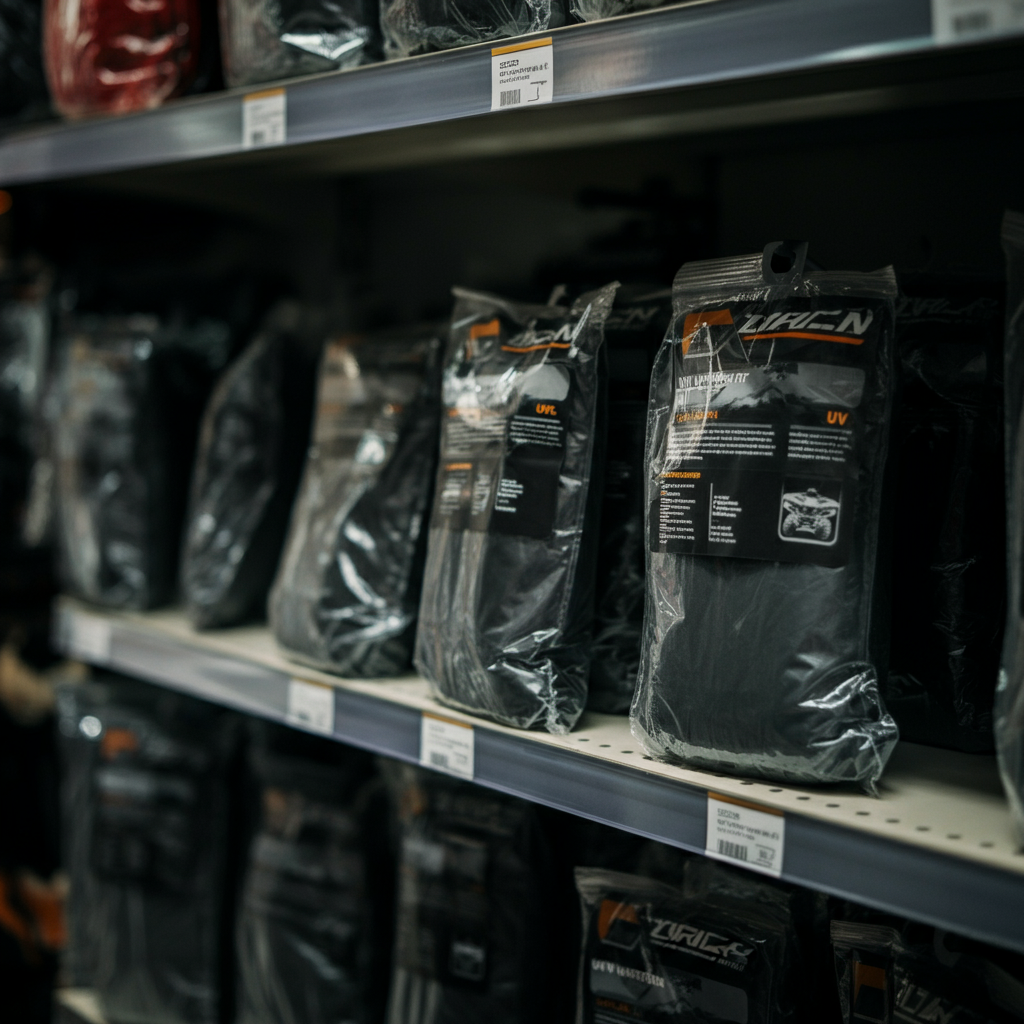
With your quad's dimensions in hand, you can now select a suitable cover. When purchasing, check the product specifications to ensure the cover's dimensions meet or slightly exceed your quad's measurements. It's generally better to opt for a slightly larger cover than one that's too small, as a snug fit is essential, but over-stretching can damage the cover. Consider the material of the cover as well. Waterproof and UV-resistant materials are ideal for outdoor storage, while breathable fabrics are suitable for indoor use to prevent moisture buildup. Also, make sure you choose a brand with good reviews.
Step 3: Preparing Your Quad
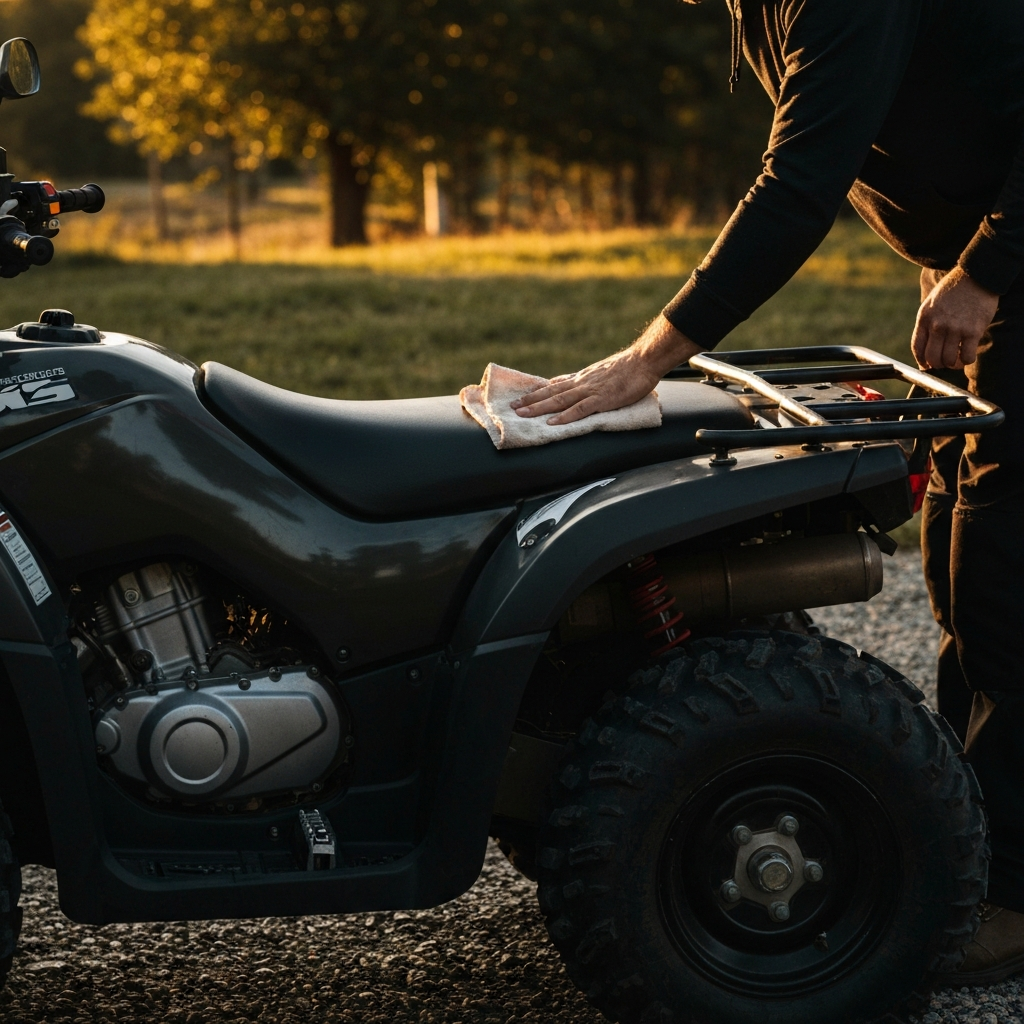
Before installing the cover, ensure your quad is clean and dry. Remove any loose dirt, mud, or debris from the surface to prevent it from scratching the finish or getting trapped beneath the cover. If the quad is wet, allow it to air dry completely before covering it to prevent mold and mildew growth. Consider applying a protective wax or sealant to the quad's surfaces for added protection before covering it, especially if it will be stored for an extended period. Cleaning it before hand will prevent the cover from getting dirty.
Step 4: Installing the Cover
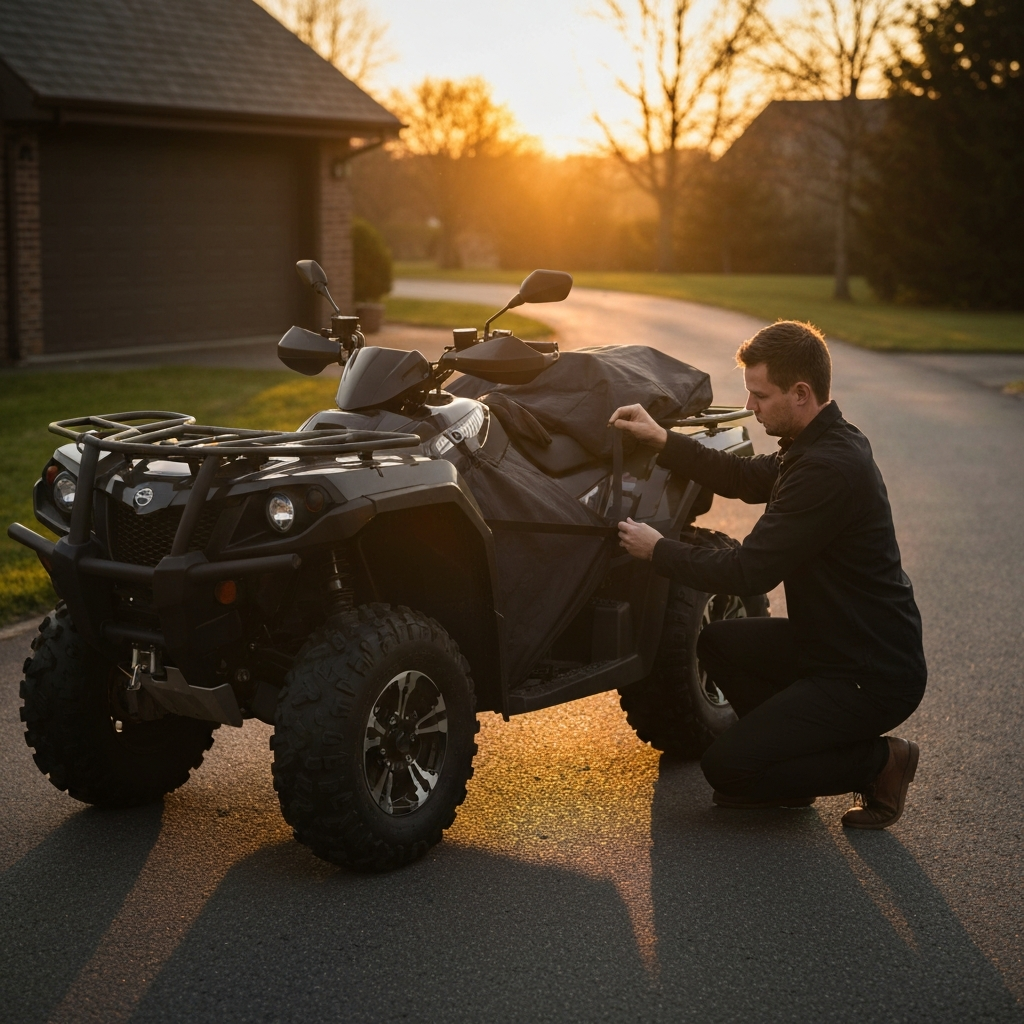
Drape the cover over your quad, starting from the rear or the front, depending on the cover's design and your preference. Gently pull and stretch the cover over the entire quad, ensuring it fits snugly around all areas. Pay close attention to securing the cover around the tires and any exposed parts. Many covers feature elastic hems or adjustable straps to help you achieve a secure fit. Make sure all straps are tightly secured to prevent the wind from blowing away the cover. Distribute the tension evenly to prevent any stress points that could lead to tears or damage.
Step 5: Securing the Cover
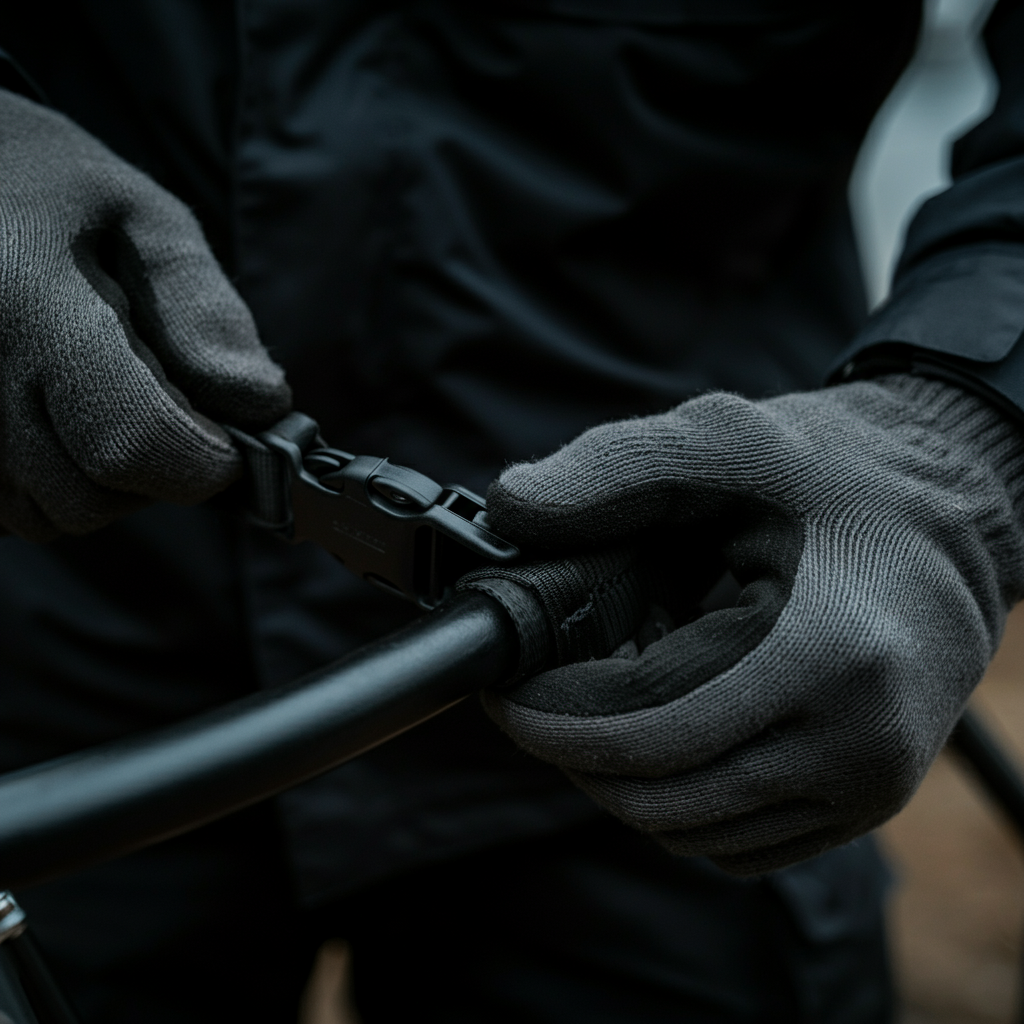
Once the cover is in place, double-check all straps, buckles, and fasteners to ensure they are properly secured. Some covers come with additional tie-down points or grommets that allow you to use ropes or bungee cords for extra security, especially in windy conditions. Inspect the cover regularly, especially after strong winds or heavy rain, to ensure it remains securely in place and hasn't sustained any damage. Consider investing in a cable lock for added security and theft prevention.
Tools or Materials Required
- Measuring Tape
- Quad Cover (Appropriate Size and Material)
- Cleaning Supplies (Soap, Water, Cloth)
- Protective Wax or Sealant (Optional)
- Ropes or Bungee Cords (Optional)
- Cable Lock (Optional)
Common Mistakes to Avoid
- Choosing the wrong size cover.
- Installing the cover on a dirty or wet quad.
- Over-stretching the cover.
- Neglecting to secure the cover properly.
- Failing to inspect the cover regularly.
Safety Considerations
- Always wear appropriate safety gear, such as gloves, when handling the cover.
- Ensure the quad is parked on a stable surface before installing the cover.
- Be mindful of your surroundings and avoid obstructing walkways or traffic areas.
Pro Tips
- Store the cover in a clean, dry place when not in use to prevent damage.
- Consider investing in a custom-fit cover for a more secure and tailored fit.
- Regularly clean the cover to remove dirt and debris.
FAQ Section
Q: How often should I cover my quad?
A: Cover your quad whenever it is not in use, especially when storing it outdoors for extended periods.
Q: Can I use a car cover on my quad?
A: While a car cover might offer some protection, it's best to use a cover specifically designed for quads, as it will provide a better fit and more comprehensive protection.
Q: How do I clean my quad cover?
A: Follow the manufacturer's instructions for cleaning. Generally, you can use a mild detergent and water, and allow the cover to air dry completely before storing it.
Conclusion
Covering your quad is a simple yet effective way to protect your investment and maintain its value. By following these steps – accurately measuring your quad, selecting the right cover, and installing and securing it properly – you can ensure your quad remains in excellent condition for years to come. Remember, regular maintenance and protection are key to enjoying your quad for a long time.