For millennia, Chinese mythology has served as a cornerstone of culture, shaping beliefs and values across generations. The pantheon of Chinese gods is vast and diverse, each deity presiding over specific domains of life, nature, and human endeavors. Understanding these figures offers invaluable insight into the historical and philosophical underpinnings of Chinese civilization.
This guide delves into the stories, roles, and significance of several prominent Chinese myth gods. We'll explore their origins, powers, and the enduring impact they have on Chinese culture and traditions. Whether you are a student, a researcher, or simply curious about mythology, this guide will provide a solid foundation for understanding the rich tapestry of Chinese deities.
By understanding these deities, we can better grasp the rich cultural and historical context that continues to influence Chinese society today. Let's embark on this journey to uncover the captivating world of Chinese myth gods.
Step-by-Step Guide
1. Understanding the Jade Emperor (玉皇, Yù Huáng)
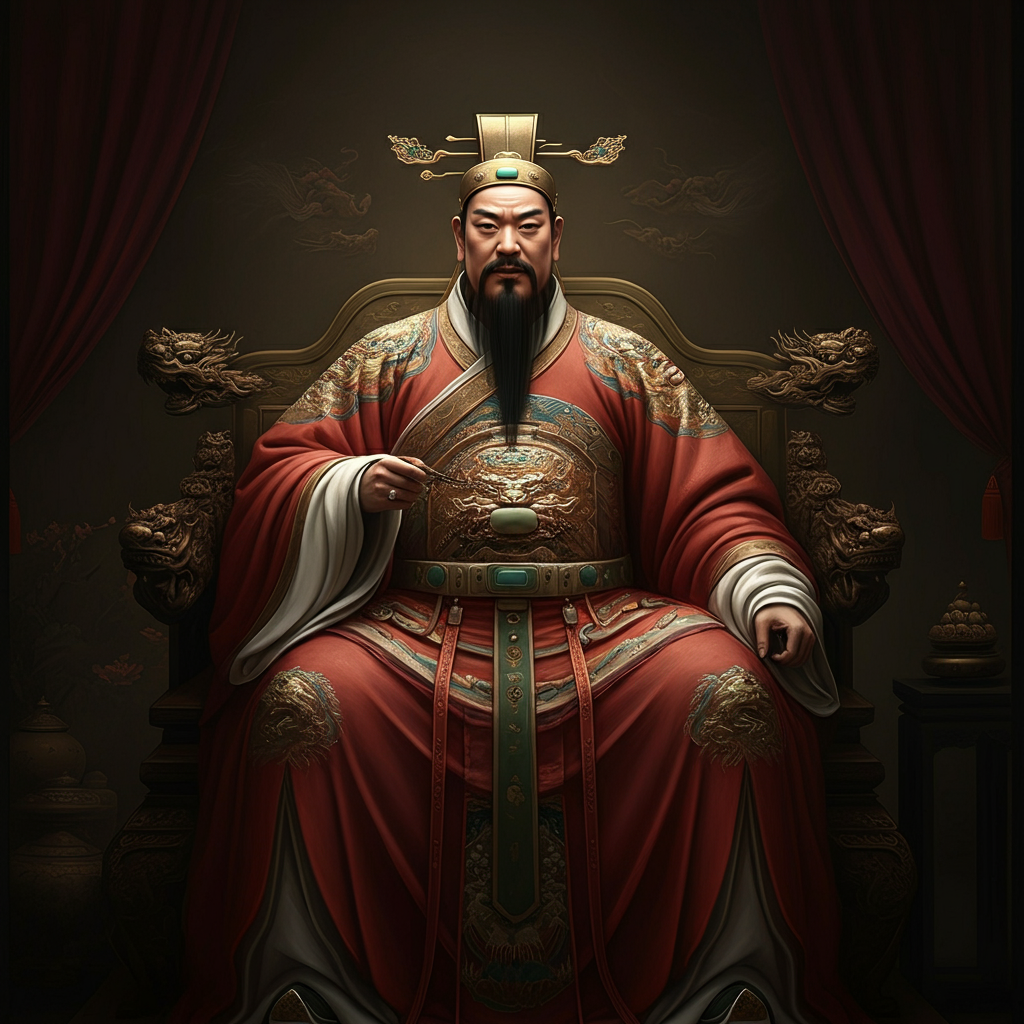
The Jade Emperor reigns supreme as the ruler of Heaven and is considered one of the most important figures in Chinese mythology. Often referred to as the First Emperor of China, he is responsible for overseeing all aspects of the cosmos, from the mortal realm to the celestial bureaucracy. His decisions influence fortune, longevity, and the cycles of nature. The Jade Emperor is strongly associated with the Chinese New Year, a time when he is believed to reward or punish individuals based on their conduct throughout the year.
2. Exploring Pangu (盘古, Pán Gǔ): The Creator of the Universe
Pangu is the primordial being credited with creating the universe in Chinese mythology. The story tells of Pangu hatching from a cosmic egg, where he spent millennia gestating. As he broke free, the separation of yin and yang occurred, forming the earth and the sky. Pangu's subsequent growth and eventual sacrifice formed the landscapes, elements, and beings of the world. He is often depicted as a hairy, giant-like figure holding an axe or hammer, symbolizing the tools he used to shape the cosmos. It is said when he died, his body parts became the world - his breath the wind, his eyes the sun and moon, and his flesh the land.
3. Unveiling Hou Yi (后羿, Hòu Yì): The Divine Archer
Hou Yi, also known as the Divine Archer, is a legendary hero famous for saving the world from the disastrous effects of ten suns. According to the myth, these suns, the sons of the god Di Jun and Xihe, appeared in the sky simultaneously, scorching the earth. With unparalleled skill, Hou Yi used his celestial bow and arrows to shoot down nine of the suns, leaving only one to provide light and warmth. He is also known for his romantic involvement with Chang'e, the moon goddess, further intertwining him with celestial lore. Remember that the bow he used was crafted from tiger bone and his arrows from dragon tendons.

4. Delving into the Role of Yue Lao (月老, Yuè Lǎo): The Matchmaker God
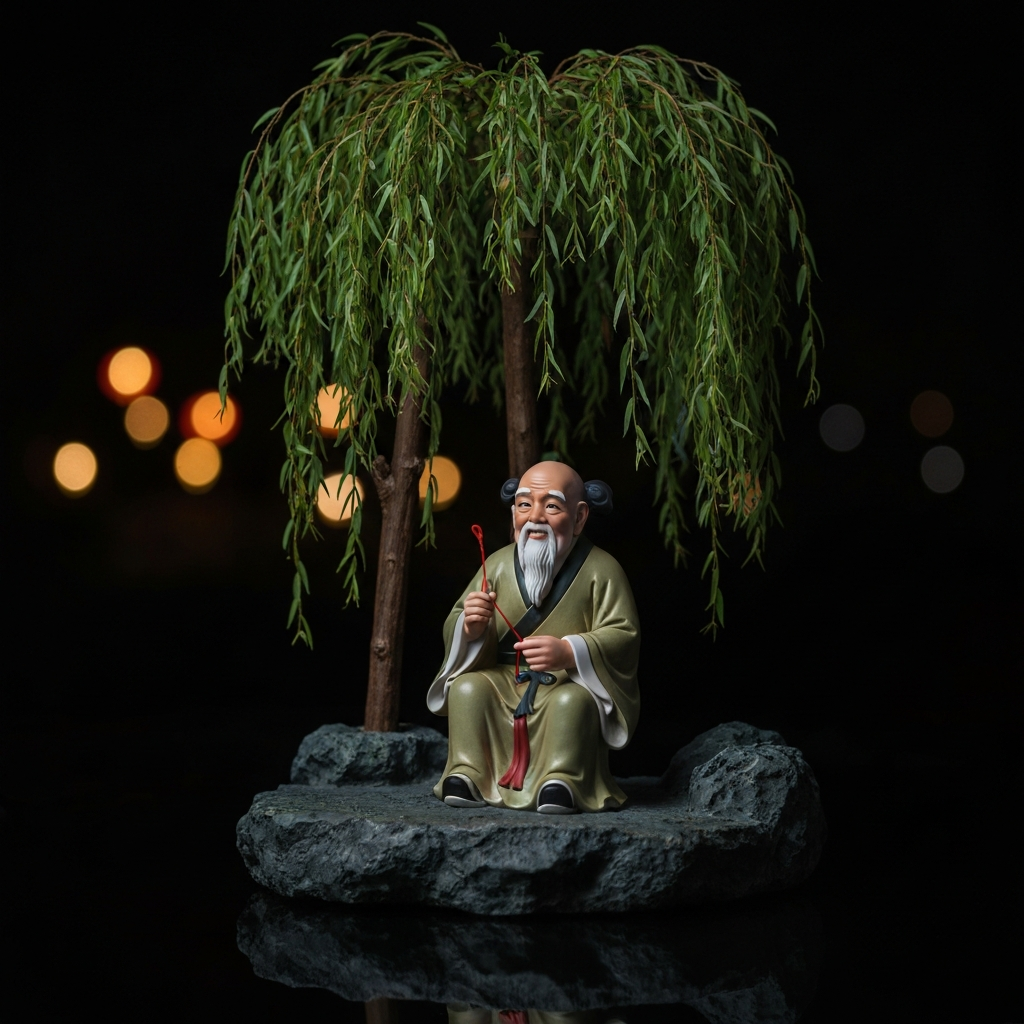
Yue Lao, also known as the Old Man Under the Moon, is the god of love and marriage in Chinese mythology. He is responsible for pairing couples together by tying them with an invisible red string, symbolizing fate and destiny. The red string connects individuals destined to be together, regardless of distance or circumstances. Yue Lao is often depicted as an elderly man with a white beard, carrying a book of marriages and his signature red string. He is a popular deity among those seeking romantic partnerships and is often invoked in prayers and rituals related to love and marriage. His full name is Yuè Xià Lao Rén, literally meaning 'the old man under the moon.'
5. Understanding Xiwangmu (西王母, Xī Wáng Mǔ): The Queen Mother of the West
Xiwangmu, the Queen Mother of the West, is a powerful goddess who presides over life, death, and immortality. She resides in the mythical Kunlun Mountains, where she tends to a garden of magical peach trees that bear fruit granting immortality. Xiwangmu is often depicted as a regal figure with a human-like form, adorned with elaborate headdresses and jewels. She holds the power to bestow eternal life and is associated with both benevolent and formidable aspects. In some texts, she is also identified with the cosmic deity Doumu and the goddess Bixia, showing an intersection between Taoist beliefs.

6. Meeting Chang'e (嫦娥, Cháng'é): The Goddess of the Moon
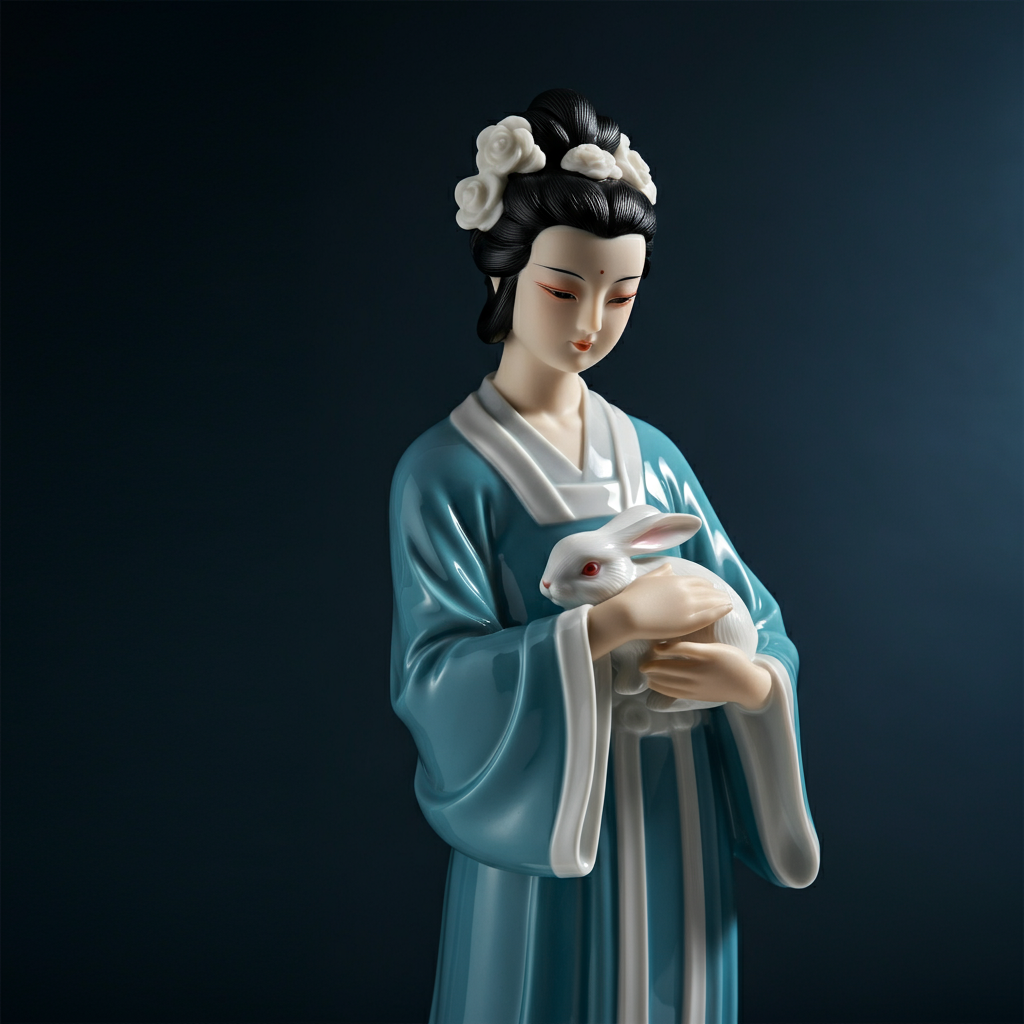
Chang'e is the revered goddess residing on the moon, best known for her poignant tale linked to the Mid-Autumn Festival. Legend says she consumed an immortality elixir initially intended for her husband, the skilled archer Hou Yi, leading her to ascend to the moon. Versions of the myth vary, depicting her motives as either self-serving or compelled by circumstances to safeguard the potion from malicious hands. Often visualized as a graceful figure accompanied by a jade rabbit, or occasionally as a toad, Chang'e's narrative is woven into the traditions of lunar celebrations, symbolizing longing, reunion, and the enchantment of the night sky.
Common Mistakes to Avoid
- Misinterpreting the roles of deities: Each god has specific domains and responsibilities. Avoid attributing powers or responsibilities incorrectly.
- Confusing different versions of myths: Many myths have multiple variations. Acknowledge the different interpretations and avoid presenting a single version as absolute truth. Always cite sources to demonstrate understanding of varying accounts.
- Ignoring the cultural context: Chinese mythology is deeply rooted in cultural and historical contexts. Failing to understand these can lead to misinterpretations.
FAQ Section
- Are Chinese gods still worshipped today?
- Yes, many Chinese gods are still actively worshipped in temples and homes across China and in Chinese communities worldwide. Practices vary depending on the deity and the specific tradition.
- What is the significance of incense in Chinese religious practices?
- Incense is a fundamental part of Chinese religious practices. Burning incense is a way to communicate with the gods, offer prayers, and show respect. The rising smoke is believed to carry messages to the celestial realm.
- How do I learn more about Chinese mythology?
- There are numerous books, academic articles, and cultural centers that offer resources on Chinese mythology. Online databases and museum collections can also provide valuable information.
Conclusion
Exploring Chinese myth gods offers a fascinating glimpse into the rich cultural heritage and philosophical foundations of Chinese civilization. Understanding the roles, stories, and significance of these deities allows us to appreciate the profound influence they continue to exert on Chinese society. By studying these figures, we gain a deeper understanding of the values, beliefs, and traditions that have shaped Chinese identity for millennia. This guide serves as a starting point for further exploration, encouraging you to delve deeper into the captivating world of Chinese mythology.