Billie Eilish's "Chihiro," a standout track from her album 'Hit Me Hard and Soft,' has captivated listeners with its evocative soundscape and lyrical depth. Named after the protagonist of Studio Ghibli's beloved film 'Spirited Away,' the song delves into themes of loss, identity, and the disorienting experience of turbulent relationships. But what exactly is the connection between Eilish's music and Miyazaki's masterpiece? This guide will dissect the song's lyrics, Eilish's own interpretations, and the visual narrative of the music video to uncover the profound meaning behind "Chihiro."
"Chihiro" isn't just a song; it's a complex tapestry woven with threads of personal experience and cinematic inspiration. By examining the song's individual components and understanding the context behind them, we can gain a deeper appreciation for the artistry and emotional resonance of this captivating track. Get ready to embark on a journey into the heart of "Chihiro" and discover the layers of meaning that lie beneath its surface.
Step 1: Exploring the Initial Verse: Abandonment and Loss
The opening verse of "Chihiro" immediately sets a tone of uncertainty and emotional turmoil. The lyrics, "To take my love away / When I come back around / Will I know what to say? / Said you won't forget my name / Not today, not tomorrow / Kind of strange / Feeling sorrow," suggest a sense of abandonment and the fear of losing oneself in the aftermath of heartbreak. This initial feeling mirrors Chihiro's experience in 'Spirited Away,' where she is thrust into a strange and unfamiliar world after her parents are transformed. The verse introduces the core theme of the song: the struggle to maintain one's identity in the face of overwhelming change and loss.

Step 2: Deciphering the Chorus: Losing Oneself
The chorus amplifies the sensation of losing oneself amidst a chaotic situation. Lines like "Open up the door, can you open up the door? / I know you said before you can't cope with any more / You told me it was war, said you'd show me what's in store," depict a desperate plea for connection and understanding. It hints at a strained relationship, where one person feels overwhelmed and unable to cope. This internal "war" resonates with Chihiro's struggle to navigate the spirit world and rescue her parents. The speaker is seemingly losing themselves in a turbulent relationship or vividly remembering it with a heavy, grief-stricken heart. This reflects a universal human experience: the feeling of being lost in a relationship and desperately seeking a way out or a way to reconnect.

Step 3: Verse 2 and 3: Recognizing a Stranger
Verse 2 shifts the focus to the painful experience of seeing someone you once loved and realizing they are no longer the same. The lyrics, "Saw your seat at the counter when I looked away / Saw you turned around, but it wasn't your face / Said I need to be alone now, I'm taking a break / How come when I returned, you were gone away?", vividly portray the shock and disillusionment of encountering a former partner who has become unrecognizable. Eilish subtly draws inspiration from the 'Spirited Away' scene where Chihiro finds her parents transformed into pigs, gorging themselves with food. Verse 3 continues this theme, hinting at a flicker of recognition: "I was waiting in the garden / Contemplating, beg your pardon? / But there's a part of me that recognizes you / Do you feel that too?" This uncertainty highlights the complicated emotions involved in letting go of someone you once knew intimately.

Step 4: Post-Chorus and Outro: The Uncertainty of Love
The post-chorus and outro encapsulate the profound uncertainty that often accompanies love and loss. The lines, "Running my hands up my lap / And you tell me it's all been a trap / And you don't know if you'll make it back / I said, 'No, don't say that,'" express the dread and anxiety that can arise in the aftermath of a failed relationship. The speaker feels trapped by love and questions whether it's worth the pain. This mirrors Chihiro's journey in the spirit realm, where she encounters both helpful spirits and dangerous adversaries. Love itself can feel like a "trap", especially after a painful experience, and the speaker isn't sure if it is worth it. The emotional turmoil is tangible, leaving the listener with a lingering sense of unease.

Step 5: Unpacking the Name: "Chihiro" and its Significance
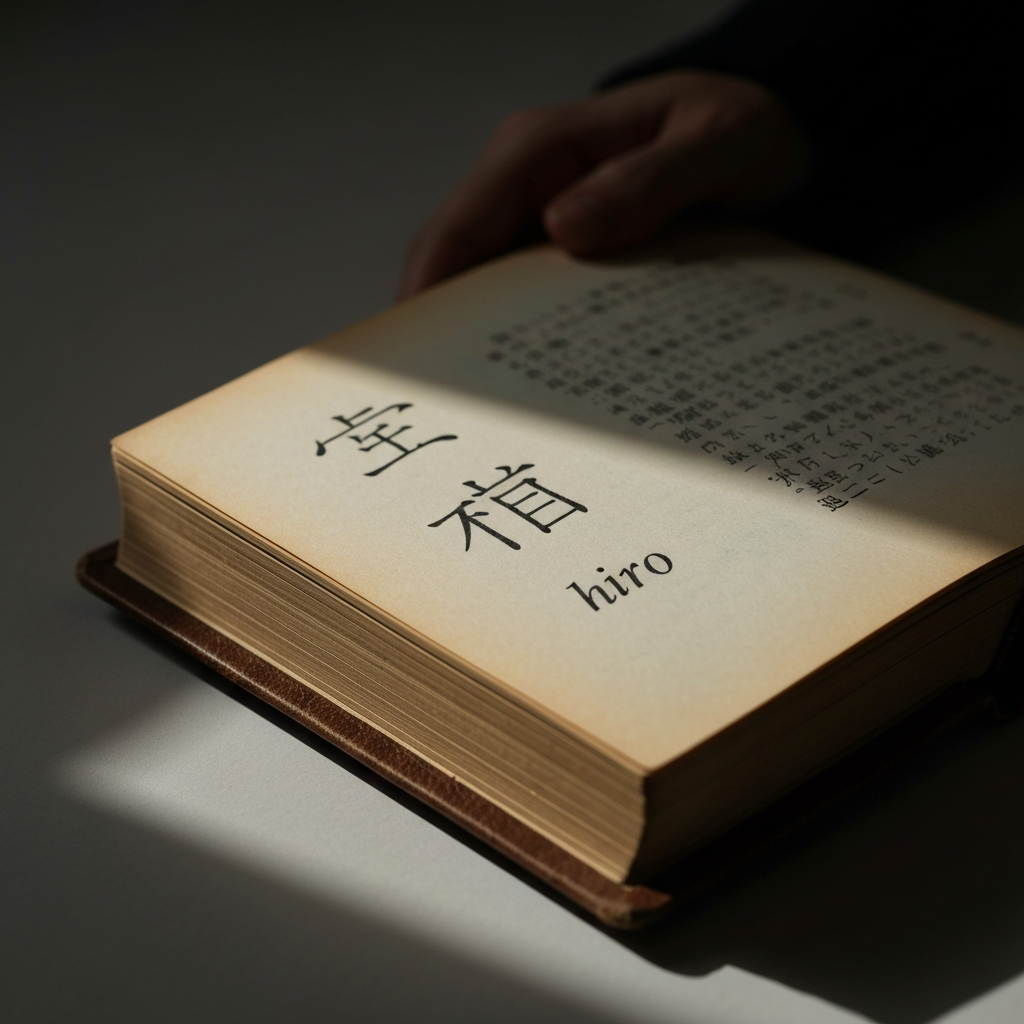
The name "Chihiro" itself holds symbolic weight. In Japanese, "chi" means "thousand," and "hiro" means either "fathoms" or "to search." Therefore, "Chihiro" can be interpreted as "thousand fathoms," suggesting a deep and profound journey. This connects directly to the themes of identity, loss, and the desire to return to who we were before tragedy struck. In 'Spirited Away', Yubaba steals parts of Chihiro’s name, reducing it to “Sen,” symbolizing a loss of self. This play on the loss of self is mirrored in Eilish's song, where the speaker seemingly ruminates on past love and present heartache, losing themselves in the process.
Step 6: Billie Eilish's Perspective on "Chihiro"
Billie Eilish herself has stated that "Chihiro" is a blend of the film's perspective and her own personal experiences. She described the song as "loosely based off of that movie… It’s kind of from her point of view, mixed with mine." Eilish praised the film's visuals, particularly the image of the "train in the water after the flood," noting its resemblance to the ocean. Her brother, Finneas, created the song's beat immediately after a viewing of 'Spirited Away,' further emphasizing the film's influence on the track. Understanding Eilish's intent clarifies the song's emotional core: a fusion of cinematic inspiration and personal vulnerability.
Step 7: Interpreting the "Chihiro" Music Video
The "Chihiro" music video offers further insight into the song's themes. Directed by Eilish herself, the video portrays the intensity and darkness of a toxic relationship. The character of the young man, shrouded in shadows and reminiscent of No Face from 'Spirited Away', symbolizes the emotional struggles bubbling beneath the surface. The video depicts a tumultuous relationship, marked by both joy and physical conflict, ultimately ending with Eilish's character sinking in dark water, a visual metaphor for drowning in a toxic relationship. This imagery also alludes to the film, where water plays a significant role, culminating in the revelation that Haku is the spirit of the River. The music video serves as a powerful visual representation of the song's themes, enhancing its emotional impact.

Common Mistakes to Avoid
One common mistake is to interpret "Chihiro" solely as a direct retelling of the 'Spirited Away' plot. While the film provides a foundation, the song ultimately explores broader themes of loss, identity, and the complexities of relationships. Another mistake is to overlook the personal experiences Eilish brings to the song. "Chihiro" is not just about Chihiro Ogino; it's also about Billie Eilish and her own emotional journey. Avoid oversimplifying the song's meaning and consider the various layers of interpretation it offers.
Conclusion
In conclusion, "Chihiro" is a multi-layered and emotionally resonant song that draws inspiration from Studio Ghibli's 'Spirited Away' while exploring universal themes of loss, identity, and the complexities of relationships. By analyzing the lyrics, understanding Eilish's perspective, and interpreting the music video, we can gain a deeper appreciation for the artistry and emotional depth of this haunting track. "Chihiro" is a testament to the power of music to connect with our deepest emotions and explore the human condition.