Take Your Dog to Work Day (TYDTWDay), celebrated annually, is a fantastic opportunity to boost employee morale, promote pet adoption, and showcase the positive impact dogs can have on our lives. It's a day where carefully planned canine companionship brightens the office atmosphere and fosters a sense of community. However, successful execution requires thoughtful preparation and adherence to best practices. Remember, a poorly planned TYDTWDay can be more stressful than beneficial for both humans and dogs!
This guide provides a comprehensive, step-by-step approach to ensure your company's TYDTWDay is a resounding success. We'll cover everything from initial planning and policy implementation to day-of activities and post-event wrap-up. Whether you're a seasoned pet owner or a company leader exploring this initiative for the first time, this guide will equip you with the knowledge and resources to create a safe, enjoyable, and productive environment for everyone involved.
Let's embark on this journey to transform your workplace into a dog-friendly haven, even if just for a day. Prepare to unleash the potential for increased creativity, collaboration, and overall well-being within your organization. The key is preparation, communication, and a genuine commitment to the welfare of both your employees and their furry friends.
Step 1: Gaining Company Approval
Before you start envisioning paw prints on the office carpet, securing buy-in from company leadership is paramount. Approach your manager or HR department with a well-structured proposal outlining the benefits of participating in TYDTWDay. Highlight potential advantages such as increased employee satisfaction, team building opportunities, and positive public relations. Clearly articulate how you plan to address potential concerns regarding safety, allergies, and workplace disruptions. Presenting a proactive solution-oriented approach is crucial for garnering support. Consider preparing a concise presentation or a detailed document outlining the day's proposed activities, rules, and risk mitigation strategies.

Step 2: Developing a Dog Policy
A comprehensive dog policy is the cornerstone of a successful TYDTWDay. This policy should address crucial aspects such as vaccination requirements, breed restrictions (if any), behavior guidelines, and emergency protocols. Clearly communicate these rules to all participating employees well in advance of the event. Include details on designated potty areas, leash requirements, and procedures for handling dog waste. Ensure that the policy is easily accessible and that all employees understand their responsibilities for maintaining a safe and respectful environment. Consider creating a sign-up sheet for participating employees to acknowledge their understanding and acceptance of the policy.

Step 3: Surveying Employees and Assessing Allergies
Before confirming participation, conduct a thorough survey to gauge employee opinions and identify potential allergy concerns. A simple online questionnaire can effectively gather information on employee comfort levels, allergies to dogs, and any phobias or anxieties related to animals. Respecting individual preferences and ensuring the well-being of all employees is paramount. Based on the survey results, designate dog-free zones within the office to accommodate individuals with allergies or those who prefer not to interact with dogs. Clearly mark these areas and communicate their location to all participants.

Step 4: Preparing the Office Environment
Transforming your office into a dog-friendly space requires careful preparation. Remove any potential hazards such as exposed wires, toxic plants, and small objects that could be ingested by curious canines. Provide designated water bowls and waste disposal stations throughout the office. Consider placing non-slip mats in high-traffic areas to prevent accidents. Creating a safe and comfortable environment for the dogs is essential for their well-being and the overall success of the event. Designate specific areas for dogs to relieve themselves outside, and provide ample waste bags and disposal bins.

Step 5: Planning Engaging Activities
Enhance the experience by organizing fun and engaging activities throughout the day. Consider hosting a "Best Dog Trick" contest, a "Dog Costume" competition, or a group dog walk during lunchtime. Invite a local veterinarian or dog trainer to conduct a brief seminar on pet care and responsible dog ownership. These activities not only provide entertainment but also foster a sense of community and promote responsible pet ownership. Remember to tailor the activities to the age and temperament of the participating dogs, ensuring everyone feels comfortable and included.

Step 6: Coordinating with Local Animal Shelters
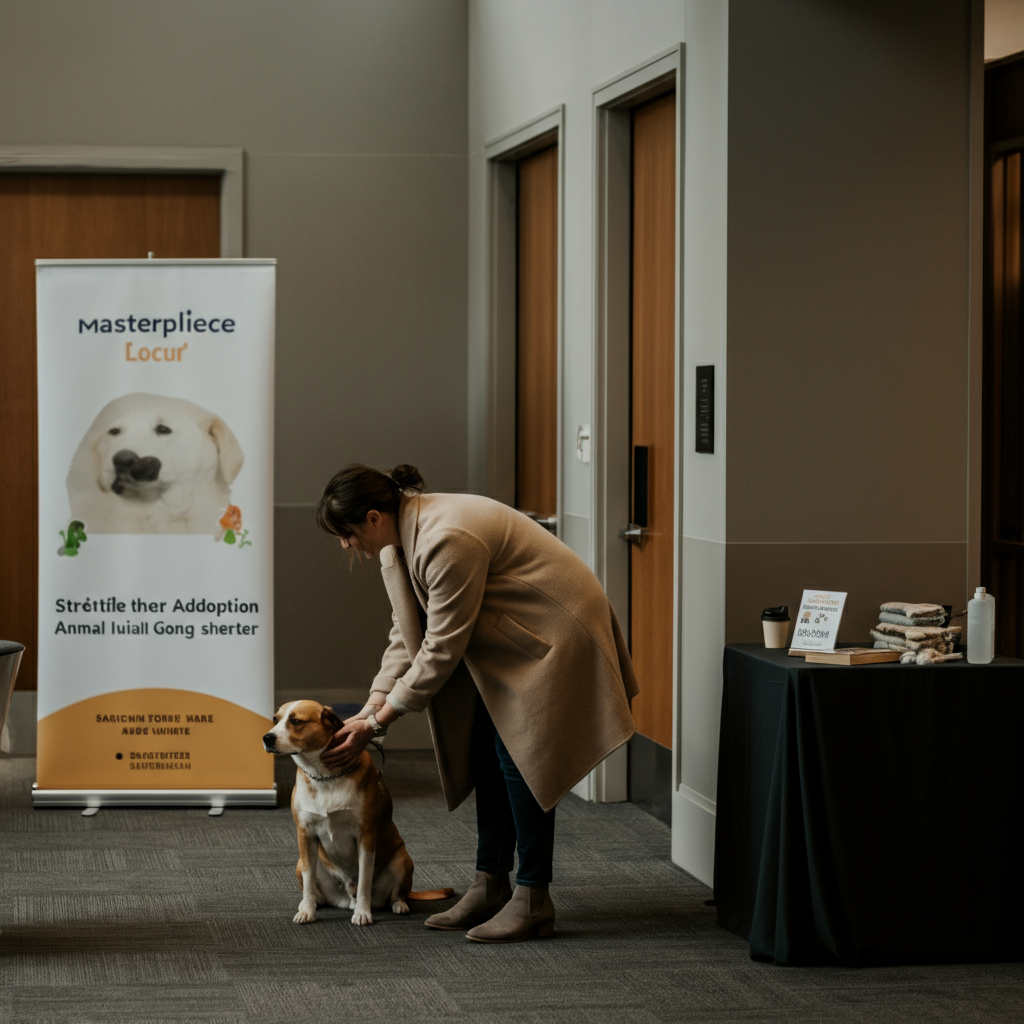
Partnering with a local animal shelter or rescue organization can add a meaningful dimension to your TYDTWDay celebration. Invite representatives from the shelter to set up an information booth in your office, showcasing adoptable dogs and promoting responsible pet adoption. Consider organizing a fundraising drive to support the shelter's efforts. This collaboration not only benefits the animals in need but also raises awareness about the importance of pet adoption within your company. Offer employees the opportunity to volunteer at the shelter or foster a dog in their homes.
Step 7: Post-Event Evaluation and Feedback
After the event, gather feedback from employees to assess the success of TYDTWDay and identify areas for improvement. A simple post-event survey can provide valuable insights into employee satisfaction, potential challenges, and suggestions for future events. Analyzing this feedback is crucial for refining your approach and ensuring that future TYDTWDay celebrations are even more successful. Share the results of the evaluation with company leadership and use the insights to advocate for continued support of dog-friendly initiatives.

Safety Considerations
- Ensure all dogs are properly vaccinated and free of parasites.
- Keep dogs on leashes at all times unless in a designated enclosed area.
- Provide ample water and bathroom breaks.
- Be mindful of dog temperament and avoid forced interactions.
- Have a designated emergency contact person and a plan for handling unexpected situations.
Common Mistakes to Avoid
- Failing to obtain company approval.
- Neglecting to survey employees about allergies and preferences.
- Not having a clear dog policy in place.
- Overlooking potential hazards in the office environment.
- Forgetting to plan engaging activities.
FAQ Section
Q: What if my dog is not well-socialized?
A: If your dog is not comfortable around other dogs or people, it's best to leave them at home for this event. Their comfort and safety are paramount.
Q: What if an employee is severely allergic to dogs?
A: Designate dog-free zones and ensure the allergic employee has a safe and comfortable workspace. Communication is key.
Q: Who is responsible for cleaning up after the dogs?
A: The dog owners are responsible for cleaning up after their pets. Provide ample waste bags and disposal bins.
Q: Can we allow puppies at the office?
A: Puppies may not have full vaccinations or reliable house training. It's generally safer to restrict participation to adult, well-trained dogs.
Conclusion
Celebrating Take Your Dog to Work Day can be a rewarding experience for both employees and their canine companions. By following these steps, you can create a safe, enjoyable, and memorable event that promotes employee morale, fosters a sense of community, and supports local animal shelters. Remember that meticulous planning, clear communication, and a genuine commitment to the well-being of all participants are essential for success. So, get ready to unleash the power of paws in your workplace and celebrate the unique bond between humans and their furry friends! The impact of a well-executed TYDTWDay can extend far beyond a single day, fostering a more positive and dog-friendly culture within your organization.