Lohri, a vibrant Punjabi folk festival, marks the end of winter and the beginning of the harvest season. Celebrated annually on January 13th, it's a time for families and communities to come together, rejoice in the warmth of a bonfire, and share traditional foods and customs. More than just a festival, Lohri is a celebration of life, prosperity, and togetherness.
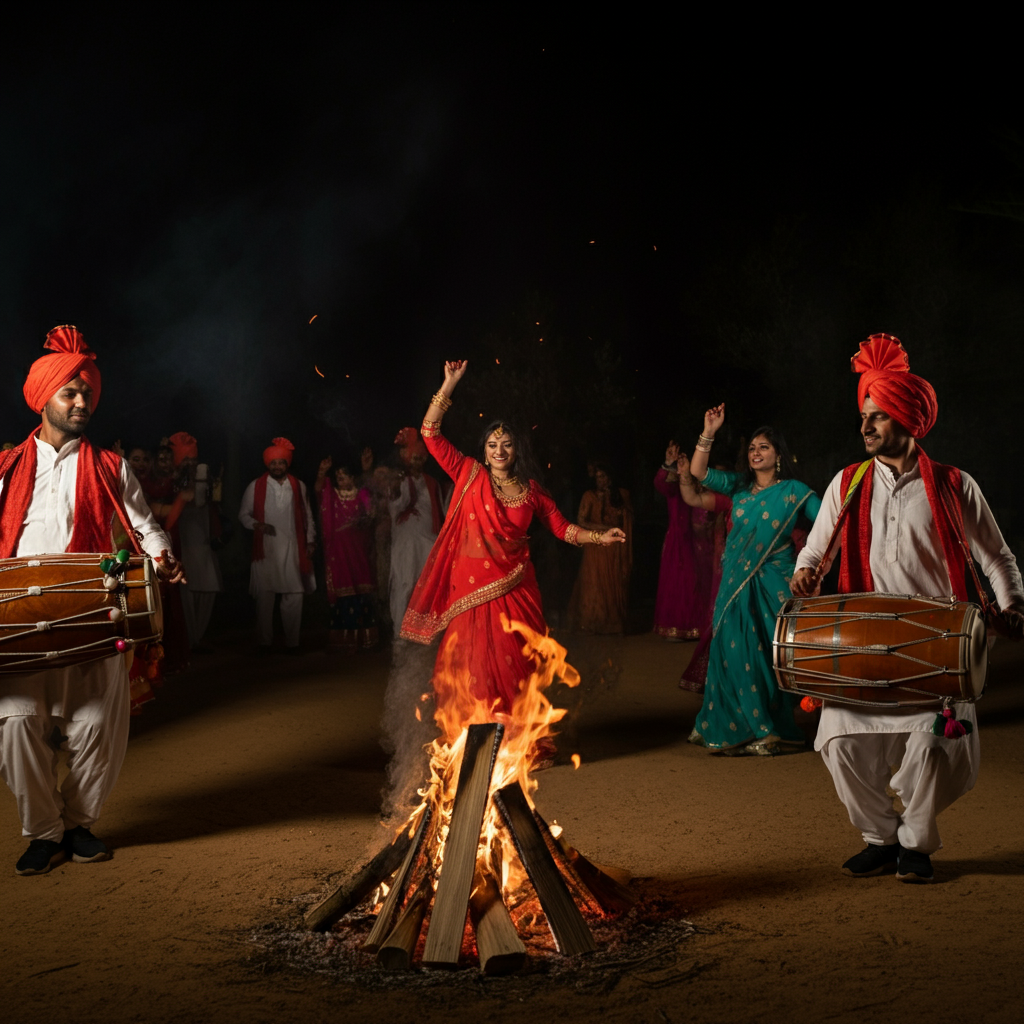
The heart of Lohri lies in the bonfire, a symbol of warmth, community, and the burning away of the old to welcome the new. Around this sacred fire, families sing traditional songs, dance to the beat of the dhol, and offer prayers for a bountiful harvest. The atmosphere is filled with joy, laughter, and the spirit of sharing. But Lohri is more than just a spectacle; it's a deeply rooted tradition filled with symbolic rituals and delicious treats.
This guide will walk you through the essential steps of celebrating Lohri, from building a safe and impressive bonfire to preparing traditional dishes and participating in customary rituals. Whether you're a seasoned Lohri celebrator or new to the festivities, this comprehensive guide will help you create a memorable and meaningful celebration.
Step 1: Gathering Firewood and Preparing the Bonfire Site
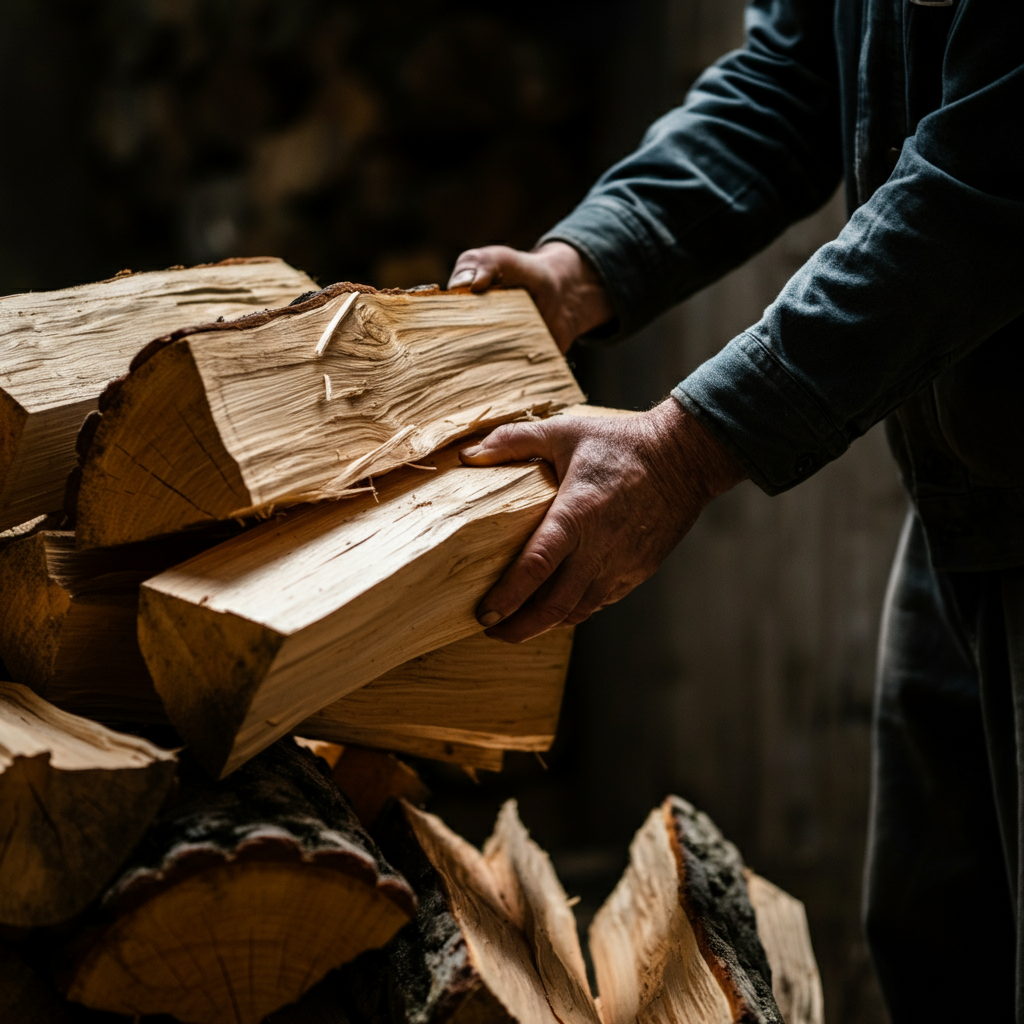
Collecting firewood is a crucial first step in preparing for Lohri. Start gathering dry twigs, branches, and logs several days or even weeks before the festival. The more substantial the wood, the longer and more impressive your bonfire will be. If you don't have access to a natural source of firewood, you can purchase it from a local supplier. Choose a bonfire site carefully, ensuring it is a safe distance away from any buildings, trees, or flammable materials. Clear a circular area at least 10 feet in diameter, removing all grass and vegetation. A base of dirt or sand will further insulate the ground.
Step 2: Building the Bonfire Structure
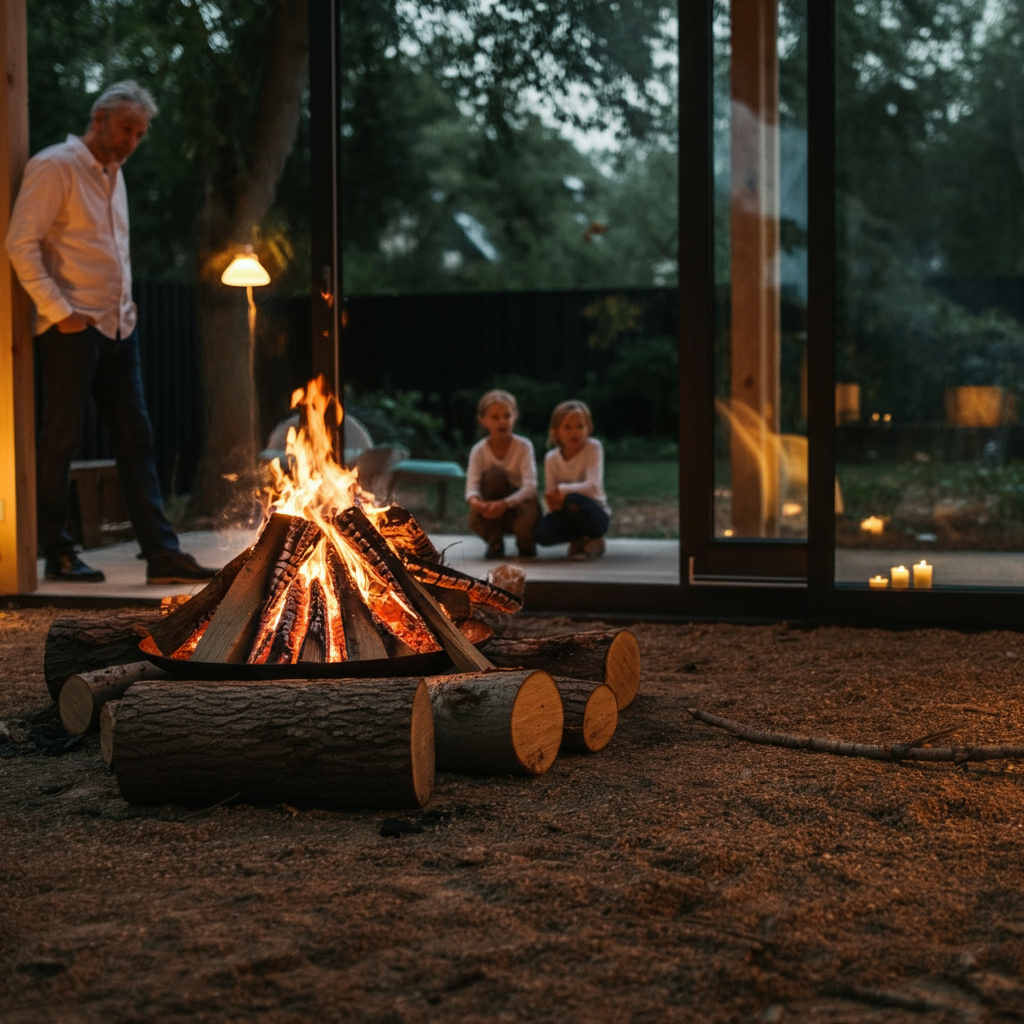
Once you've gathered your firewood and prepared the site, it's time to build the bonfire structure. Start by creating a small tent-like structure in the center of the cleared area, using dry twigs and kindling. This will serve as the base for igniting the larger logs. Ensure the kindling is loosely arranged to allow for ample airflow, which is essential for a successful fire. Gradually add larger logs around the kindling, building a pyramid-shaped structure. The height of the pyramid should be proportional to the amount of wood you have, but always prioritize safety. Keep buckets of water or a fire extinguisher nearby, especially if there are young children present.
Step 3: Preparing Sarson da Saag and Makki ki Roti
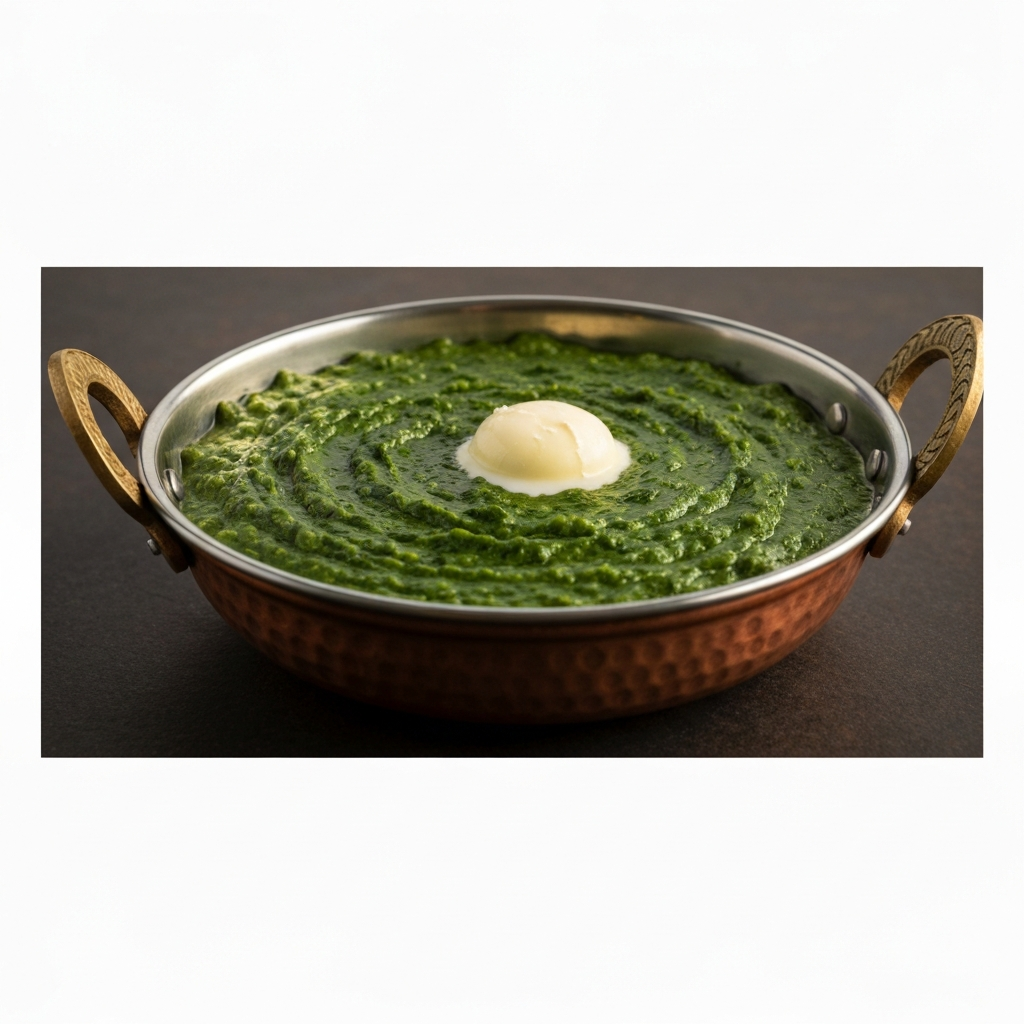
No Lohri celebration is complete without the traditional meal of Sarson da Saag and Makki ki Roti. Sarson da Saag, a flavorful dish made from mustard greens, spinach, and bathua, is a staple of Punjabi cuisine. The key to a delicious saag is to cook it slowly, allowing the flavors to meld together. Makki ki Roti, a flatbread made from corn flour, perfectly complements the saag. When preparing the roti, use hot water to knead the dough, which will help to bind it together. Cook the roti on a hot griddle until golden brown, and brush with ghee before serving.
Step 4: Making Peanut Chikki
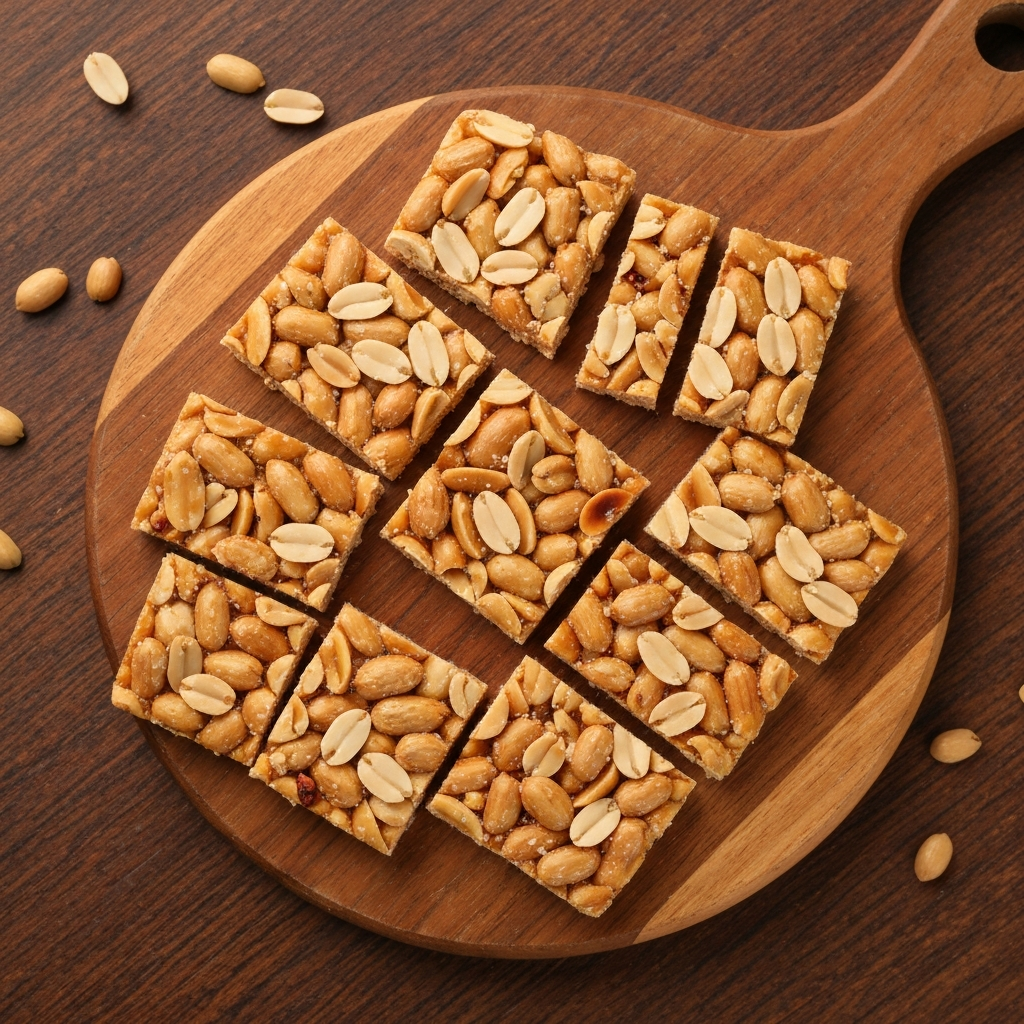
Peanut Chikki, a crunchy and sweet treat made from peanuts and jaggery or sugar, is another essential component of Lohri celebrations. To make chikki, start by roasting the peanuts until they are golden brown and fragrant. Then, melt the jaggery or sugar with a small amount of water until it forms a thick syrup. Be careful not to burn the syrup, as this will give the chikki a bitter taste. Add the roasted peanuts to the syrup, mix well, and spread the mixture onto a greased baking sheet. Let it cool completely before cutting it into squares.
Step 5: Performing Customary Rituals
Lohri is filled with customary rituals that add to the festive atmosphere. One tradition involves children going door-to-door, singing songs and receiving sweets or money. Another key ritual is throwing puffed rice, popcorn, and peanuts into the bonfire as offerings. This is symbolic of offering gratitude for the harvest and praying for a bountiful future. Dancing around the bonfire to the beat of the dhol is another integral part of the celebration. It is important to engage in these rituals to fully appreciate the spirit of Lohri.
Step 6: Celebrating a Newlywed's First Lohri
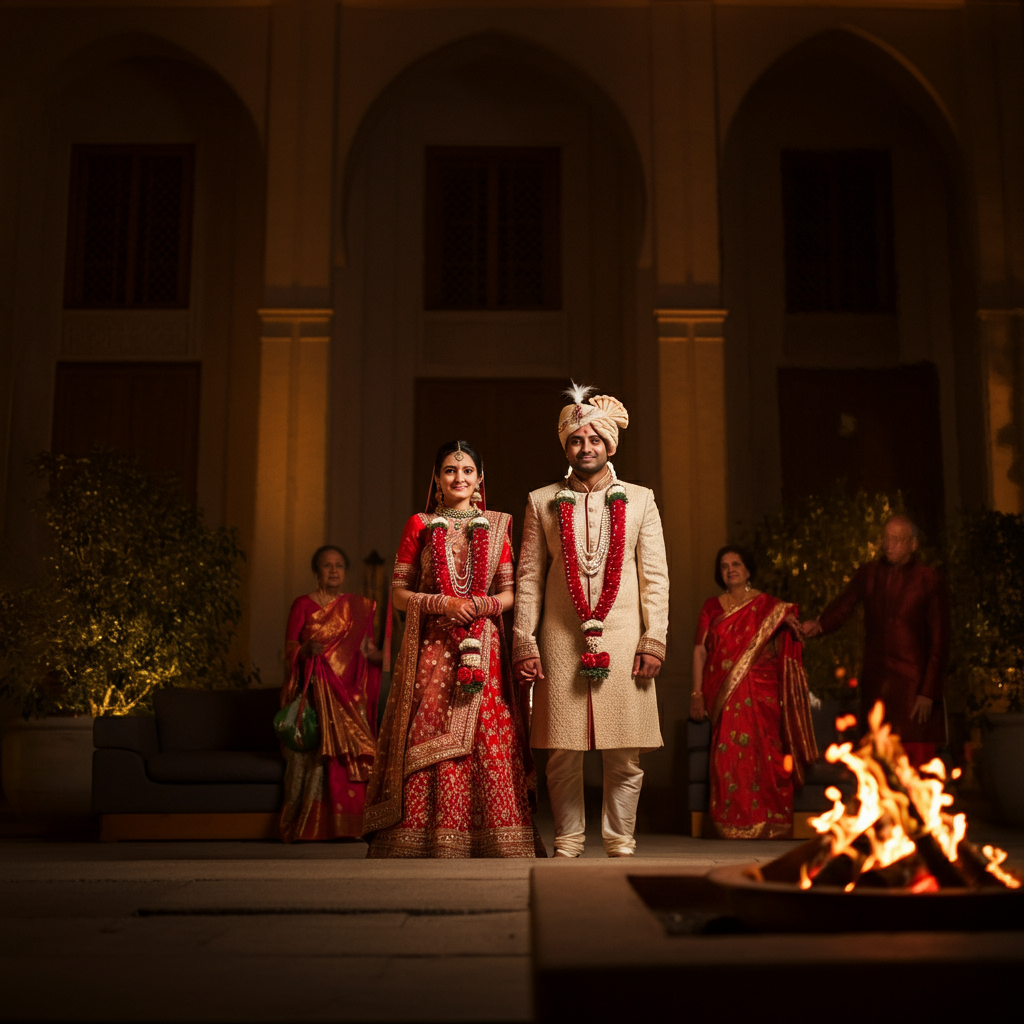
If it's your first Lohri as a newlywed, the celebration takes on an even more special significance. It's customary to host a grand celebration, inviting all your friends and family. The couple should dress in their finest attire, with the bride adorning her best jewelry and having mehndi applied to her hands. The celebration should be filled with abundant food, music, and dancing, and guests should be sent home with packages of sweets as tokens of appreciation. This is a memorable event, marking the beginning of a new chapter in the couple's life.
Tools or Materials Required
* Firewood (dry twigs, branches, logs) * Shovel or spade * Buckets of water or fire extinguisher * Ingredients for Sarson da Saag, Makki ki Roti, and Peanut Chikki * Cooking utensils (pots, pans, griddle) * Serving dishes * Dhol or other musical instruments (optional) * Sweets and money for children * Puffed rice, popcorn, and peanuts for offeringsSafety Considerations
* Always build the bonfire in a safe location, away from buildings, trees, and flammable materials. * Clear a wide area around the bonfire site to prevent the spread of fire. * Never leave the bonfire unattended. * Keep buckets of water or a fire extinguisher nearby. * Supervise children closely around the fire. * Dispose of ashes properly after the bonfire has cooled down.Pro Tips
* Start gathering firewood well in advance of Lohri to ensure you have an ample supply. * Use dry kindling to easily ignite the bonfire. * Cook Sarson da Saag slowly to allow the flavors to meld together. * Use hot water to knead the dough for Makki ki Roti. * Do not burn the sugar when making peanut chikki. * Invite friends and family to join in the celebrations.FAQ Section
Q: What is the significance of the bonfire in Lohri?
A: The bonfire symbolizes the burning away of the old and welcoming the new, as well as honoring the fire god, Agni, for warmth and light.
Q: What are the traditional foods eaten during Lohri?
A: The traditional foods include Sarson da Saag, Makki ki Roti, Peanut Chikki, popcorn, and gajak.
Q: What are some of the customary rituals performed during Lohri?
A: Some customary rituals include singing songs, dancing around the bonfire, and throwing puffed rice, popcorn, and peanuts into the fire as offerings.
Conclusion
Celebrating Lohri is a wonderful way to embrace Punjabi culture and enjoy the company of loved ones. From building the bonfire to preparing traditional dishes and participating in customary rituals, each aspect of the celebration is filled with meaning and joy. By following this guide, you can create a memorable and authentic Lohri celebration that will be cherished for years to come. Remember to prioritize safety, embrace the spirit of sharing, and most importantly, have fun!