Navigating airport security can be stressful, especially when you're trying to bring your favorite snacks or meals along for the journey. The Transportation Security Administration (TSA) has specific rules about what you can and cannot bring through security checkpoints, and these rules extend to food items. Understanding these regulations is crucial for a smooth and hassle-free travel experience. This guide provides a detailed breakdown of what foods are allowed, what restrictions apply, and how to pack your food items to comply with TSA guidelines.
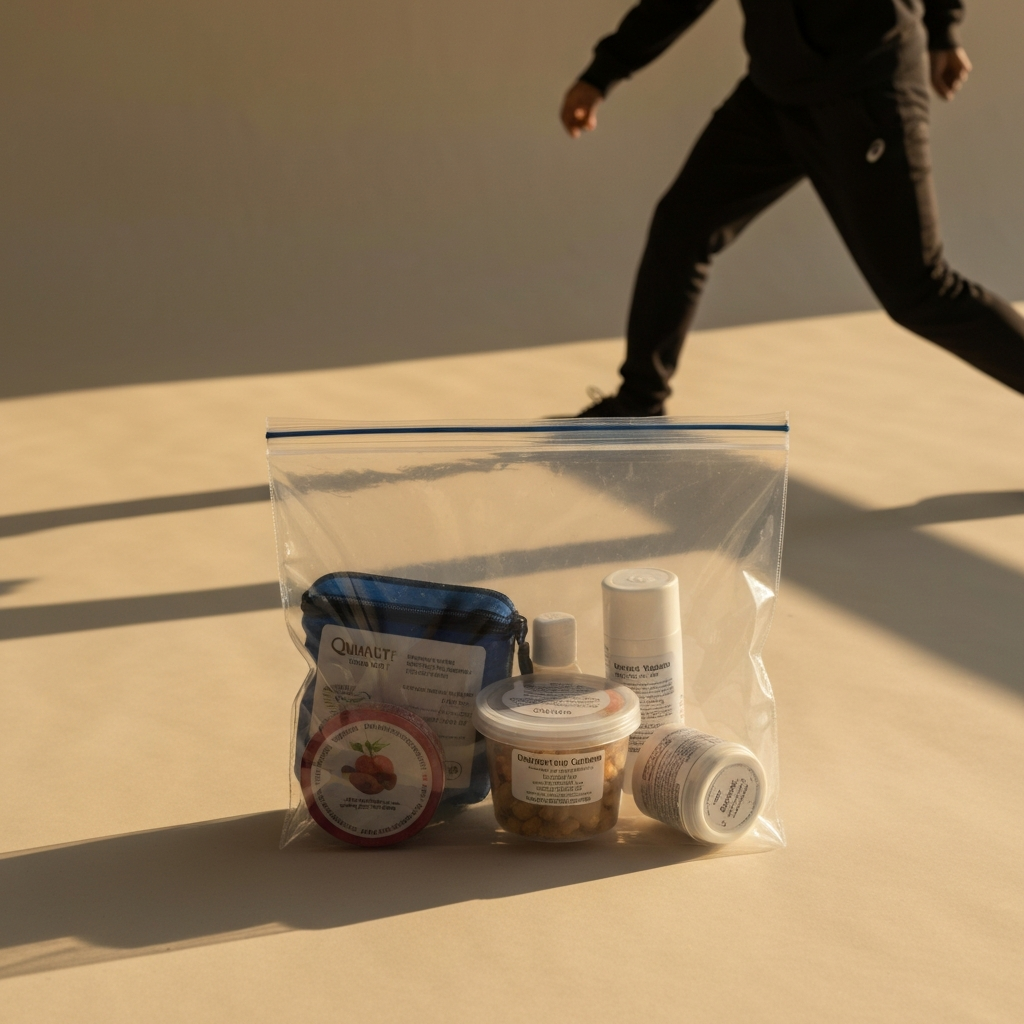
The good news is that you can generally bring food through TSA, but there are some important caveats. Solid foods are typically allowed in both carry-on and checked baggage without quantity restrictions, as long as they fit in your bag. However, liquid, gel, aerosol, cream, and paste-like foods are subject to the TSA's 3-1-1 rule for carry-ons. This means each item must be in a container that is 3.4 ounces (100 milliliters) or smaller, and all containers must fit in a single, quart-sized, clear plastic zip-top bag. Failing to follow these rules could result in your food being confiscated.
In this guide, we’ll walk you through the specific rules for different types of food, provide tips on packing your food items correctly, and answer some frequently asked questions to help you confidently bring your desired food items through TSA checkpoints. Let’s dive in!
Step 1: Understanding the General Rules for Food
Solid vs. Liquid Foods
The most important distinction to understand is the difference between solid and liquid foods. TSA generally allows solid foods in carry-on baggage, but liquids, gels, aerosols, creams, and pastes are heavily restricted due to security concerns. Solid foods, such as sandwiches, fruits (whole), nuts, and crackers, can usually be brought in any quantity. However, items like yogurt, soup, or creamy dips must adhere to the 3-1-1 rule if carried in your carry-on. If you're unsure whether a food item is considered a liquid, it's always best to err on the side of caution and pack it according to the 3-1-1 guidelines or place it in your checked baggage.

Step 2: Permitted Foods in Carry-On Baggage
What You Can Bring
TSA permits a wide variety of solid foods in your carry-on baggage. This includes items like bread, candy, cheese (slices, hard cheeses), chocolate (solid), cookies, crackers, dried fruits, eggs (cooked), nuts, dry pet food, pies, pizza, protein powders, snack bars, sandwiches, and tea bags. The key is that these items must be in solid form and not contain excessive liquids that could be deemed a security risk. If you're carrying food with a sauce or spread, ensure it's not excessively soggy or wet.

Step 3: Restricted Foods in Carry-On Baggage
Liquids, Gels, Aerosols, Creams, and Pastes
Foods that fall into the categories of liquids, gels, aerosols, creams, and pastes are subject to the 3-1-1 rule. This includes items like alcohol (under 140 proof), bottled water (empty is allowed!), canned foods, creamy cheeses, chocolate syrup, coffee (prepared), creamy dips and spreads, fruit in liquid form, gravy, honey, hummus, ice cream, jam, jelly, juices, maple syrup, oils, peanut butter, salad dressing, salsa, sauces, soda, soups, and yogurt. Each of these must be in a container no larger than 3.4 ounces (100 milliliters), and all containers must fit comfortably in a single quart-sized, clear plastic bag. Remember, it's up to the TSA officer's discretion to decide if an item is considered a liquid, so packing strategically is crucial.
Step 4: Exceptions: Baby Food and Medically Necessary Items
Breast Milk, Formula, and Baby Juice
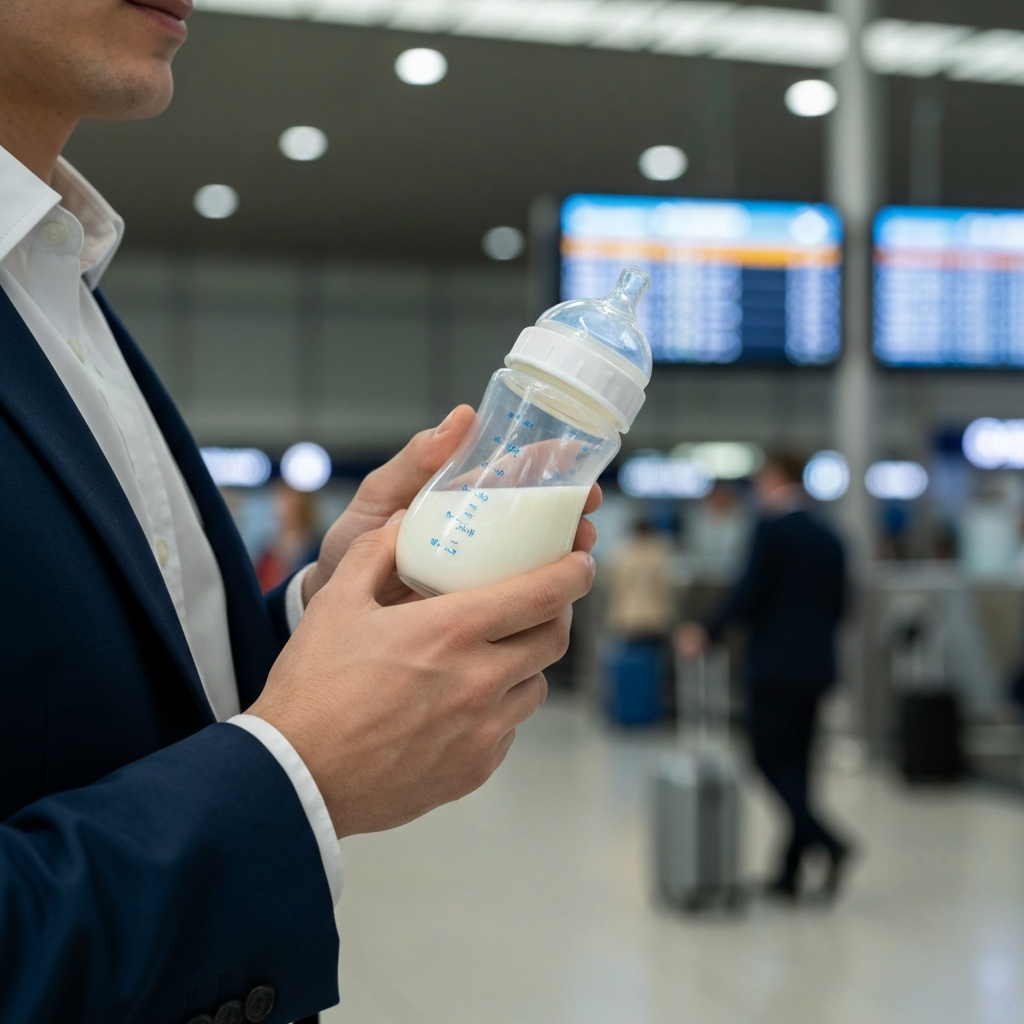
TSA makes exceptions for breast milk, baby formula, and baby juice. These items are considered medically necessary and are not restricted by the 3.4-ounce limit. You can bring reasonable quantities of these items, even if they exceed the standard liquid limits. It’s recommended to pack these items in clear, plastic bottles for easier inspection. Inform the TSA agent that you are carrying these items before they begin the screening process. You can also request that they not be X-rayed.
Step 5: Packing Strategies for a Smooth Screening
How to Pack Your Food
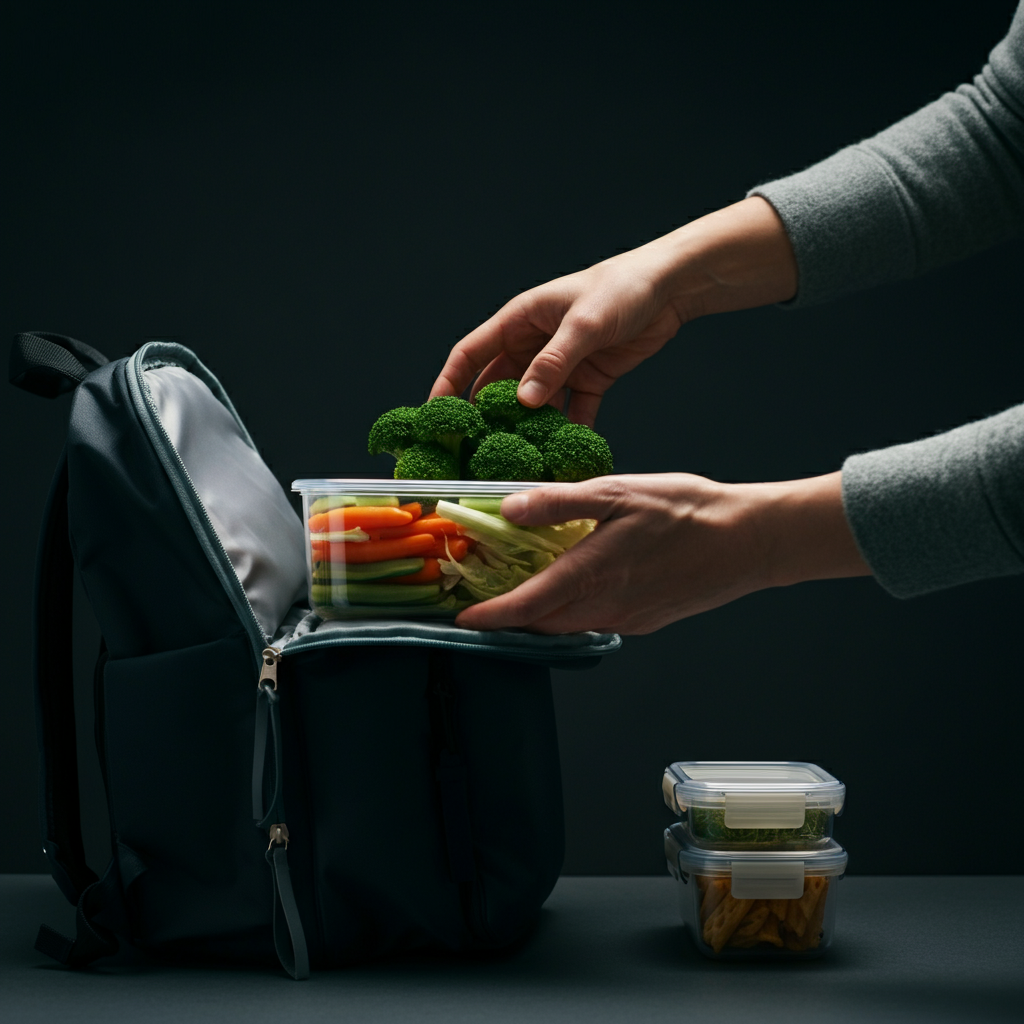
To expedite the screening process, pack your food items in a way that makes them easily accessible. Store solid foods in separate, clear plastic bags or containers. For liquids that meet the 3-1-1 rule, ensure they are in a quart-sized bag and easily removable from your carry-on. Inform the TSA agent if you're carrying breast milk, formula, or other medically necessary liquids. This allows them to handle these items appropriately and minimizes delays. When in doubt, pack larger liquid food items in your checked luggage to avoid any potential issues at the checkpoint.
Step 6: Tips for Traveling with Specific Food Items
Frozen Food and Condiments
If you’re traveling with frozen food, ensure that any ice packs or gel packs used to keep the food cold are completely frozen solid. Partially melted ice packs may be subject to the liquid restrictions. For condiments, such as ketchup, mustard, or mayonnaise, you can bring individual packets, but ensure they are stored in your quart-sized bag if carried in your carry-on. If the container of condiments is larger than 3.4 oz it needs to be placed in your checked baggage. Consider purchasing travel-sized condiment containers to comply with the 3-1-1 rule.

Safety Considerations
When packing food for travel, consider food safety. Use insulated lunch bags with ice packs to keep perishable items cold and prevent spoilage. Avoid packing foods that are prone to melting or becoming soggy, as these can be messy and potentially attract unwanted attention from TSA officers. Always check the expiration dates of food items before packing them.
Common Mistakes to Avoid
One of the most common mistakes is underestimating the volume of a liquid food item. Even if a container appears small, always check the label to ensure it's 3.4 ounces (100 milliliters) or less. Another mistake is forgetting to separate food items for easy inspection. Having your food readily accessible will help the screening process go smoothly. Finally, assuming that a food item is allowed without checking the TSA guidelines can lead to delays or confiscation of your food.
FAQ Section
Q: Can I bring an open bag of chips through TSA?
A: Yes, chips are on the TSA's list of allowed solid foods. However, it's generally recommended to keep the bag sealed to maintain freshness and prevent spills.
Q: Can I bring cooked food through TSA?
A: Yes, as long as it’s solid and doesn’t contain excessive liquids. Ensure it's properly stored and won't cause a mess.
Q: Can I take fast food through TSA?
A: Yes, as long as the fast food is solid and not liquid. Any condiment packets need to be in your quart-sized plastic bag. You'll need to consume or discard your beverage before entering the TSA line.
Conclusion
Bringing food through TSA doesn't have to be a daunting task. By understanding the rules regarding solid and liquid foods, adhering to the 3-1-1 rule, making exceptions for medically necessary items like breast milk and baby formula, and packing your food strategically, you can navigate the security checkpoint with ease. Remember to always check the TSA website for the most up-to-date guidelines and don’t hesitate to ask a TSA agent if you have any questions. Safe travels and happy snacking!