We all have those little beauty habits we know aren't doing us any favors, but somehow we keep repeating them. Whether it's absentmindedly touching our faces, over-styling our hair, or constantly biting our nails, these habits can sabotage our appearance and even impact our overall health. The good news is that with awareness and a little effort, you can break these bad beauty habits and cultivate healthier routines.
This guide will provide you with a step-by-step approach to identifying and eliminating those detrimental habits. We'll cover common culprits affecting your face, hair, and nails, offering practical solutions and expert tips along the way. Get ready to say goodbye to those unwanted behaviors and hello to a more confident and radiant you! Remember, consistency is key.
Transforming your routine doesn't happen overnight, but with patience and persistence, you can achieve lasting change. Let's embark on this journey to healthier beauty habits together!
Step 1: Stop Touching Your Face
Touching your face is a common habit that can transfer dirt, oil, and bacteria from your hands to your skin, leading to breakouts and irritation. Throughout the day, we touch countless surfaces, accumulating germs that can wreak havoc on our complexion. Becoming aware of how often you touch your face is the first step in breaking this habit. Try to actively monitor your hand movements and redirect them when you catch yourself reaching for your face.
Consider keeping your hands occupied with a stress ball or fidget toy, especially during moments of boredom or anxiety, when face-touching tends to increase. If you have an itch, use the inside of your clean clothing or a tissue instead of your fingers. Furthermore, regularly washing your hands with soap and water is crucial to minimize the transfer of harmful bacteria. Don't touch your face with dirty hands - be aware.

Step 2: Ditch Lip Licking
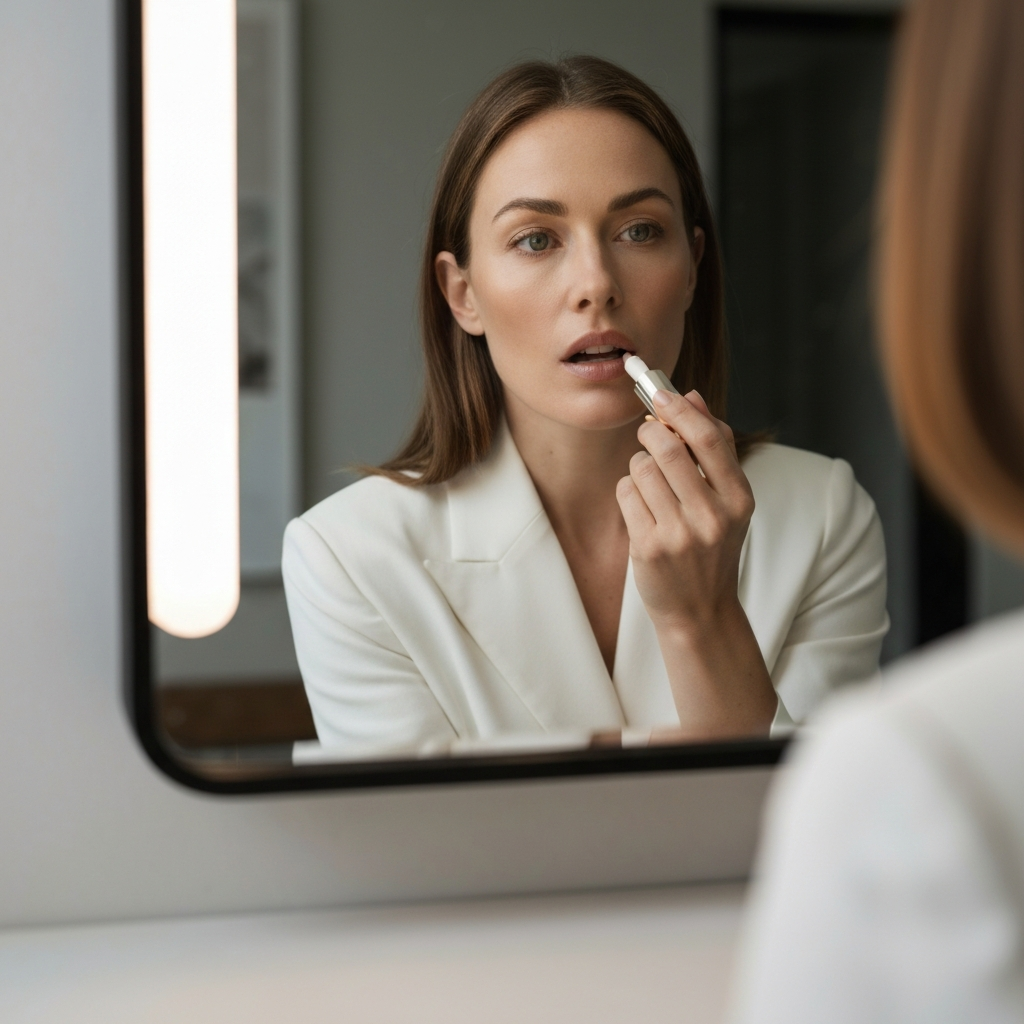
While it may seem like a quick fix for dry lips, licking your lips actually makes the problem worse. The saliva evaporates quickly, leaving your lips even drier than before. This can lead to chapping, cracking, and even inflammation. Instead of relying on saliva, invest in a good-quality lip balm and apply it liberally throughout the day, especially in dry or cold weather.
Consider applying a thick layer of petroleum jelly or a lip mask before bed to lock in moisture overnight. Exfoliating your lips gently once a week with a sugar scrub can also help remove dead skin cells and promote smoothness. To make a scrub, simply mix fine sugar with a little honey or olive oil, rub gently in circles, and wash off.
Step 3: Resist Rubbing Your Eyes
The skin around your eyes is incredibly delicate and thin, making it susceptible to damage from rubbing. Constant rubbing can lead to inflammation, broken capillaries, and even premature wrinkles. If you experience itchy or irritated eyes, try using lubricating eye drops or applying a cool compress to soothe the area. Avoid rubbing your eyes at all costs.
If you have allergies that cause eye irritation, consider taking antihistamines or using allergy eye drops. If you wear contact lenses, make sure they are properly fitted and cleaned to minimize discomfort and the urge to rub. Gently pat the area around your eyes with your fingertips if you need to relieve any irritation, ensuring your hands are clean. If your eyes burn a lot, see a doctor.
Step 4: Hands Off the Pimples!
Picking or squeezing pimples is a major no-no. While it might be tempting to pop a pimple, doing so can actually make the situation worse. Squeezing forces bacteria and debris deeper into the skin, leading to inflammation, scarring, and even infection. Leave pimples alone to heal naturally.
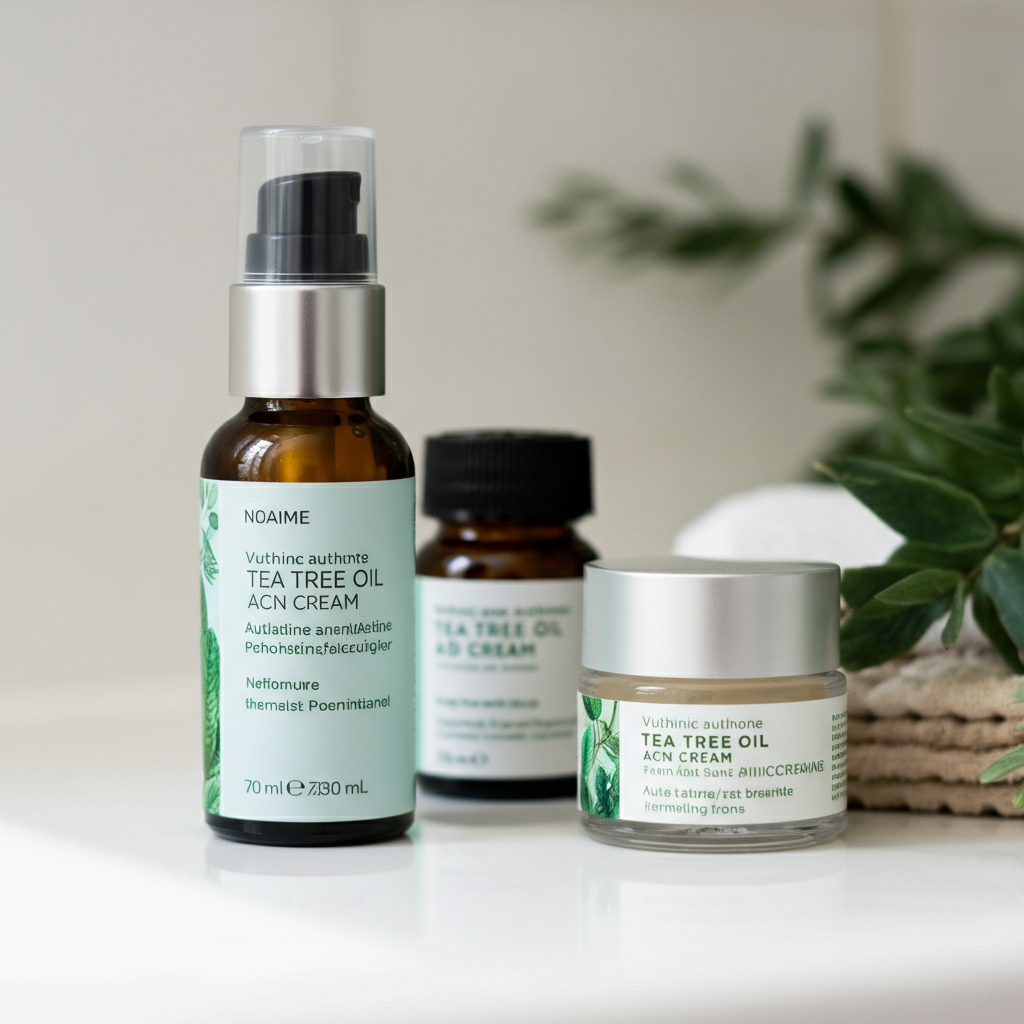
Instead, treat pimples with over-the-counter acne products containing benzoyl peroxide or salicylic acid. These ingredients help to kill bacteria and unclog pores. You can also try dabbing a small amount of tea tree oil on the pimple, as it has natural anti-inflammatory properties. If your acne is severe or persistent, consult a dermatologist for professional treatment.
Step 5: Choose Fabric-Covered Hair Bands
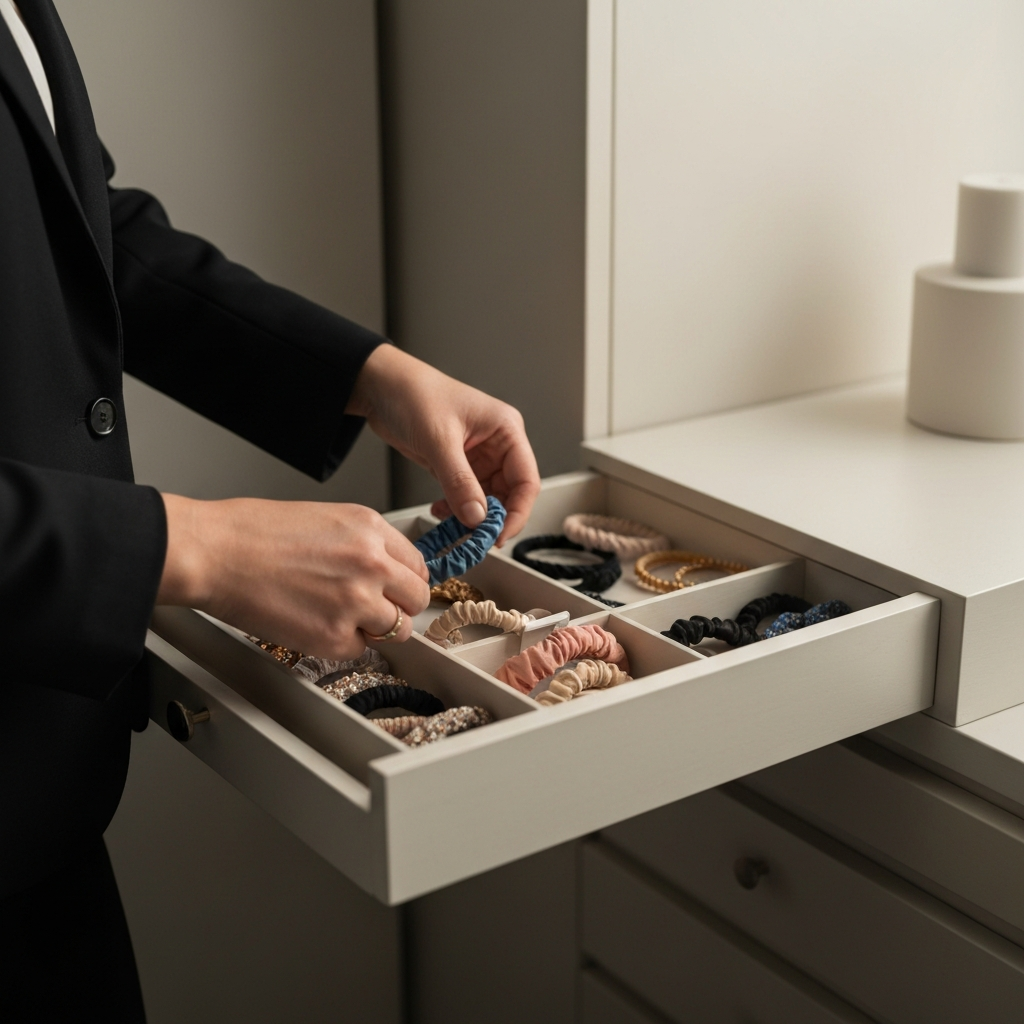
Using plain rubber bands to tie your hair can cause damage and breakage. The rubber can snag and tear the hair shaft, leading to split ends and frizz. Opt for fabric-covered hair bands or scrunchies instead. These are gentler on your hair and less likely to cause damage.
Consider using hair clips or barrettes to style your hair, as they don't create as much tension as hair bands. When removing a hair band, be careful not to pull or yank it out, which can cause breakage. Gently slide the hair band out of your hair, or use a hair-cutting scissors to cut it in order to not damage your hair.
Step 6: Minimize Heat Styling
Excessive heat styling can severely damage your hair, leading to dryness, breakage, and split ends. The heat strips the hair of its natural moisture, making it brittle and prone to damage. Try to air-dry your hair whenever possible, and use heat styling tools sparingly.
When you do use heat styling tools, always apply a heat-protectant serum to your hair beforehand. This will help to shield your hair from the damaging effects of the heat. Use the lowest heat setting possible and avoid holding the tool in one spot for too long. A heat protectant is vital.
Step 7: Don't Over-Wash Your Hair
Washing your hair every day can strip it of its natural oils, leading to dryness, frizz, and even an oily scalp as your body tries to compensate for the lost oils. Try to wash your hair every other day or even less frequently, depending on your hair type and activity level.
When you do wash your hair, use a gentle shampoo and conditioner. Consider using a dry shampoo in between washes to absorb excess oil and refresh your hair. Experiment with different washing schedules to find what works best for your hair. Using a dry shampoo is a great option.
Step 8: Apply a Nibble Inhibitor
Nail-biting is a tough habit to break, but it's definitely worth the effort. Not only is it unsightly, but it can also damage your nails and increase your risk of infection. One effective way to deter yourself from biting your nails is to apply a nibble inhibitor. These products contain a bitter-tasting ingredient that will make you think twice before putting your fingers in your mouth. Apply the nibble inhibitor daily.
There are also alternatives like using hand sanitizer if you don't have a nibble inhibitor. The smell and taste might prevent you from wanting to bite your nails. Reapply frequently!

Step 9: Cover Your Nails
Physically preventing access to your nails is another strategy that can help you break the nail-biting habit. Consider wearing gloves, especially in cold weather, to keep your hands warm and your nails out of reach. You can also try wrapping your fingers in adhesive bandages, especially during times when you're most likely to bite your nails, such as when you're watching TV or reading.
Wearing fake or gel nails can also create a physical barrier that makes it more difficult to bite your nails. Plus, a fresh manicure might make you less likely to ruin your nails. Having a physical barrier will significantly aid your process.
Step 10: Distract Yourself
Often, nail-biting is a response to stress, boredom, or anxiety. Finding alternative activities to occupy your hands and mind can help you break the habit. Try chewing sugarless gum, fidgeting with a stress ball, or doodling to keep your hands busy. Distracting yourself is a key factor.
Consider keeping a bottle of water or a healthy snack like carrot sticks with you, so you can reach for that instead of your nails when you feel the urge to bite. Practicing relaxation techniques like deep breathing or meditation can also help manage stress and reduce the urge to bite your nails.
Tools or Materials Required
- Lip Balm
- Petroleum Jelly
- Sugar
- Lubricating Eye Drops
- Cool Compress
- Acne Products (Benzoyl Peroxide or Salicylic Acid)
- Tea Tree Oil
- Fabric-Covered Hair Bands
- Heat-Protectant Serum
- Dry Shampoo
- Gentle Shampoo and Conditioner
- Nibble Inhibitor
- Gloves
- Adhesive Bandages
- Sugarless Gum
- Stress Ball
Common Mistakes to Avoid
- Licking lips repeatedly
- Rubbing eyes vigorously
- Picking or squeezing pimples
- Using rubber bands to tie hair
- Overusing heat styling tools without protection
- Washing hair too frequently
- Not applying nibble inhibitor consistently
FAQ Section
- How long does it take to break a bad beauty habit?
- It varies from person to person, but it typically takes several weeks or even months of consistent effort to break a deeply ingrained habit. Be patient with yourself and celebrate small victories along the way.
- What if I slip up and repeat a bad habit?
- Don't get discouraged! It's normal to slip up occasionally. Just acknowledge the mistake, learn from it, and recommit to breaking the habit. Persistence is key.
- Are there any products I should avoid?
- Avoid harsh cleansers that strip your skin of its natural oils, as well as products containing ingredients that irritate your skin. Opt for gentle, non-comedogenic formulas.
Conclusion
Breaking bad beauty habits requires awareness, patience, and a commitment to change. By implementing the steps outlined in this guide, you can cultivate healthier routines and improve your overall appearance. Remember to focus on one habit at a time, be consistent with your efforts, and celebrate your progress along the way. With dedication, you can achieve lasting change and enjoy the benefits of healthier beauty habits.