Darren Aronofsky's 2010 film, Black Swan, is more than just a ballet movie; it's a chilling exploration of ambition, perfectionism, and the descent into madness. The film follows Nina Sayers, a talented but repressed ballerina, as she vies for the lead role of the Swan Queen in Tchaikovsky's Swan Lake. As the pressure mounts, Nina's grip on reality begins to unravel, blurring the lines between fantasy and nightmare.
This guide offers a detailed, step-by-step breakdown of the film's narrative, symbolism, and psychological themes. We'll dissect each act, explore the key interpretations, and delve into the mental state of Nina, the film's protagonist. Prepare to explore the dark and complex world of Black Swan.
Whether you're a seasoned film buff or a curious viewer, this guide will provide a comprehensive understanding of the film's enduring power and unsettling beauty. We will delve into the character motivations, dissect key scenes, and provide possible meanings behind Aronofsky's cinematic choices. Buckle up for a journey into the heart of artistic obsession and psychological turmoil.
Step 1: Understanding the First Act
Act I Synopsis
The film opens with Nina, a dedicated ballet dancer consumed by her art and her overbearing mother, Erica. We are introduced to the high-stakes world of a New York City ballet company, where Nina and her peers anxiously await the selection of a new Swan Queen. Nina successfully auditions for the dual role of the White and Black Swan, but struggles to embody the seductive and uninhibited nature of the Black Swan. The first act establishes Nina's fragile mental state, hinted at by self-inflicted scratches on her back, possible eating disorder, and paranoia.

Act I Interpretation
The first act paints a vivid picture of Nina's repressed nature and the pressures she faces. Her dedication to ballet borders on obsession, and her relationship with her mother is stifling. The scratches on her back and potential eating disorder suggest underlying mental and emotional distress. The film subtly introduces the theme of duality, contrasting Nina's innocent persona with the dark potential within her. The potential doppëlganger further suggests an inner conflict, making her an unreliable narrator and foreshadowing her eventual descent.

Step 2: Analyzing the Second Act's Rising Tension
Act II Synopsis
The second act sees Nina grappling with the increasing pressure of her role. She begins to experience more intense paranoia and hallucinations. Her relationship with Thomas Leroy, the Artistic Director, becomes increasingly manipulative and uncomfortable. We are introduced to Lily, a free-spirited dancer who embodies the Black Swan qualities that Nina struggles to attain. Beth's accident and subsequent hospitalization serve as a grim warning to Nina about the potential consequences of pursuing perfection at any cost.

Act II Interpretation
The second act amplifies the film's psychological horror elements. Nina's paranoia intensifies, blurring the line between reality and hallucination. The constant pressure from Leroy, coupled with her own self-doubt, pushes her closer to the edge. Lily represents a threat to Nina's position, fueling her insecurities and contributing to her mental breakdown. The potential rivalry introduces the theme of jealousy.

Step 3: Deciphering the Third Act's Descent into Madness
Act III Synopsis
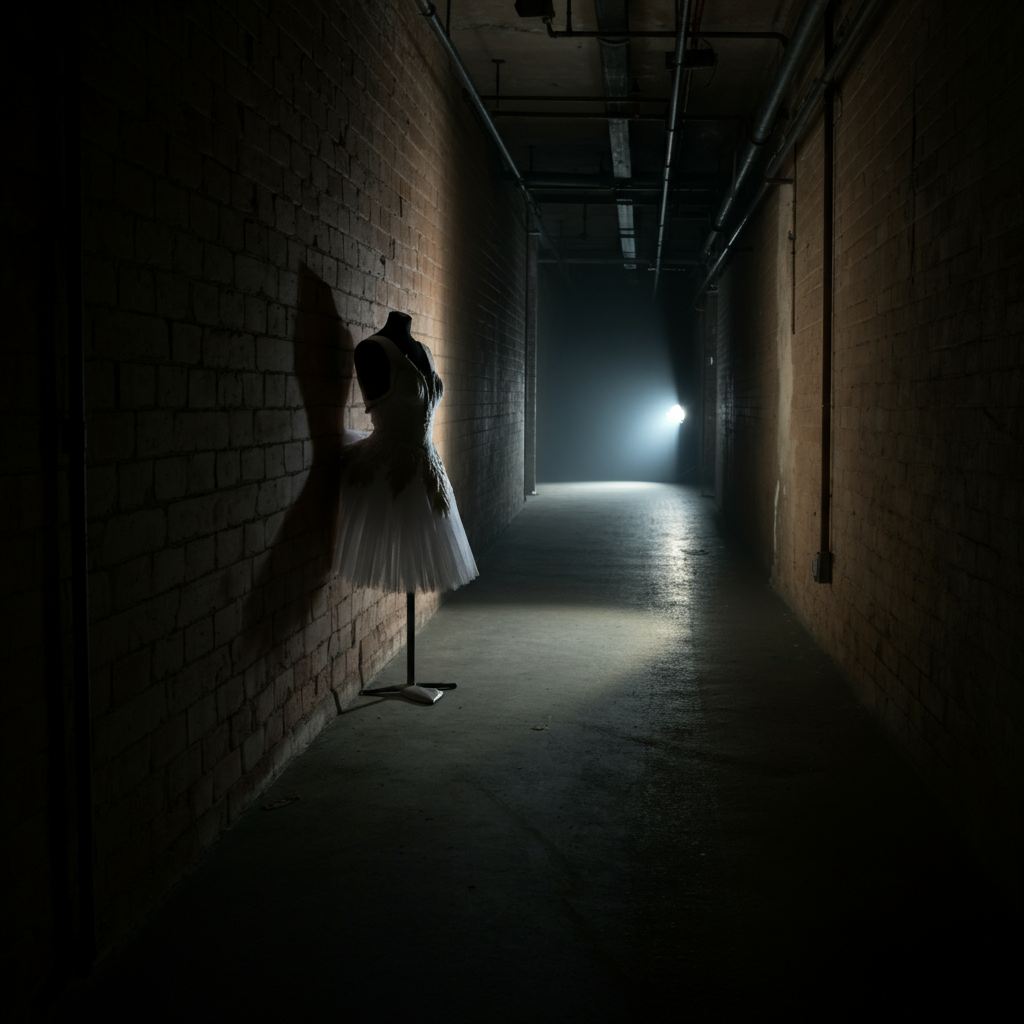
In the third act, Nina's hallucinations reach a fever pitch. She experiences a drug-fueled night with Lily, which may or may not be real. On the opening night of Swan Lake, Nina hallucinates stabbing Lily and ultimately performs the Black Swan role flawlessly. However, she soon realizes that she has actually stabbed herself, not Lily. She completes her performance as the White Swan before succumbing to her injuries, achieving a twisted sense of perfection in her final moments.
Act III Interpretation
The third act marks Nina's complete disintegration of reality. Her hallucinations are so vivid that she can no longer distinguish between fantasy and truth. The stabbing scene is a crucial turning point, highlighting the destructive nature of her obsession. The final performance represents the culmination of her transformation, but it comes at the ultimate price – her sanity and potentially her life. The ambiguity of the ending leaves the audience to question the true extent of Nina's madness and the sacrifices made in the name of art.

Step 4: Exploring the Themes and Symbolism
The Duality of the Swan
The film's central theme is the duality of the Swan Queen, representing the innocent White Swan and the seductive Black Swan. Nina's struggle to embody both aspects reflects her internal conflict between repression and liberation. Her journey is about finding balance, but she ultimately becomes consumed by the darker side.
Mirrors and Doppelgangers
Mirrors are a recurring motif in Black Swan, symbolizing Nina's fractured identity and her distorted perception of reality. The doppelganger represents her inner demons and the fear of losing control. The mirrors amplify the idea that Nina is her own worst enemy, constantly battling with her own insecurities and anxieties.
The Pressure of Perfection
The film explores the immense pressure placed on artists to achieve perfection. Nina's relentless pursuit of excellence leads her to sacrifice her mental and physical well-being. The film serves as a cautionary tale about the dangers of obsession and the importance of self-acceptance.

FAQ Section
Q: What mental illness did Nina have in Black Swan?
A: It is suggested that Nina is suffering from a psychotic episode, triggered by stress, sleep deprivation, and potentially other underlying issues. While she displays symptoms that could be associated with other conditions, the film primarily focuses on the acute breakdown of her reality.
Q: What is the meaning of the ending?
A: The ending is deliberately ambiguous, leaving the audience to question whether Nina survives her self-inflicted wound. Regardless, her final words, "I felt it. Perfect. I was perfect," highlight the tragic irony of her situation – she achieves her artistic goal but at the cost of her sanity and possibly her life.
Q: Are the hallucinations real?
A: The film blurs the line between reality and hallucination, making it difficult to determine what is truly happening and what is a figment of Nina's imagination. This ambiguity is intentional, reflecting Nina's distorted perception of the world.
Conclusion
Black Swan is a complex and disturbing film that explores the dark side of artistic ambition. Through its striking visuals, psychological depth, and ambiguous narrative, the film leaves a lasting impression on viewers. It reminds us of the importance of mental health, the dangers of obsession, and the sacrifices we make in the pursuit of perfection. By understanding the film's themes, symbolism, and character motivations, we can gain a deeper appreciation for its enduring power and unsettling beauty.