The practice of sun gazing, or looking directly at the sun, has gained popularity due to claims of improved mood, increased energy levels, and even spiritual enlightenment. However, healthcare professionals strongly advise against directly gazing at the sun due to the risk of severe eye damage. This guide explores the purported benefits of sun gazing while emphasizing safe alternatives that allow you to harness the power of the sun without endangering your vision.
We'll delve into the scientifically supported benefits of sun exposure and mindful practices that mimic the intentions behind traditional sun gazing. Learn how to improve your mood, boost energy, and enhance sleep quality through safe and practical methods. This guide provides a comprehensive approach to experiencing the positive effects associated with sun gazing, all while prioritizing your health and well-being.
This approach to 'sun gazing' involves intentional sun exposure and mindfulness, rather than direct eye contact. It aims to tap into the reported benefits safely and sustainably. By combining mindful practices with controlled exposure to sunlight, you can potentially experience improved mood, energy, and sleep without risking your eyesight.
Step 1: Understand the Risks of Traditional Sun Gazing
Traditional sun gazing typically involves staring directly at the sun, often during sunrise or sunset. While proponents claim this practice enhances spiritual wellness and energy levels, the potential for irreversible eye damage is significant. Looking directly at the sun can damage the eye's surface tissues, cornea, and lens, potentially leading to vision impairment or even blindness. Excessive UV ray exposure also increases the risk of cataracts, eye cancer, and photokeratitis (a sunburn of the cornea). It's crucial to acknowledge these risks before exploring safer alternatives.

Step 2: Embrace Safe Sun Exposure Practices
Instead of directly gazing at the sun, focus on receiving sunlight indirectly. This involves spending time outdoors during sunrise or sunset when the sun's rays are less intense. Aim for at least 10-15 minutes of daily sun exposure to reap the benefits of Vitamin D production. Remember that your skin can only produce a limited amount of Vitamin D at a time, so prolonged exposure beyond this duration won't necessarily increase your Vitamin D levels further. Prioritize safety by wearing sunscreen with an SPF of at least 15 on exposed skin and consider wearing a wide-brimmed hat and UV-protective sunglasses.

Step 3: Practice Mindful Meditation Outdoors
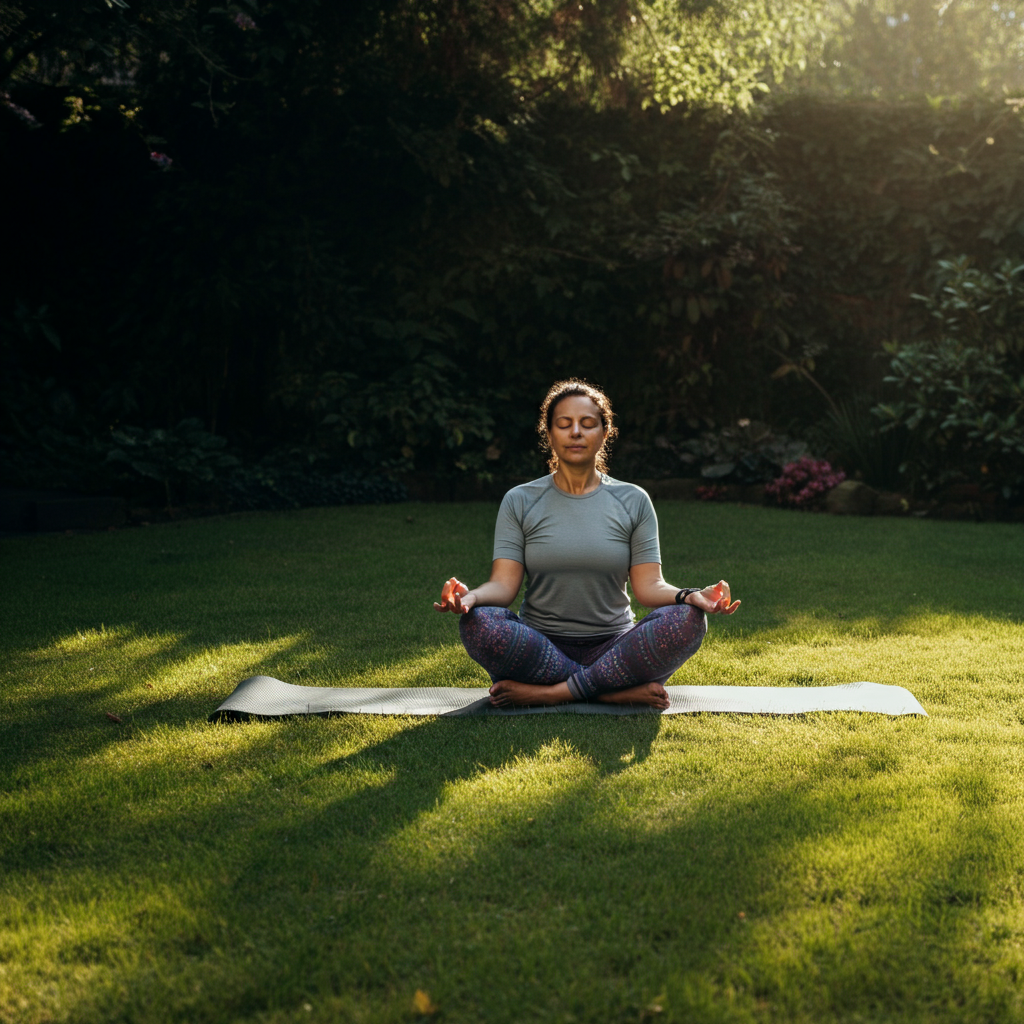
Combine the benefits of sun exposure with the power of meditation by practicing mindfulness outdoors. Find a quiet and comfortable spot in your backyard, a nearby park, or any natural environment where you can relax and focus. Engage in mindful meditation by paying attention to your breath, bodily sensations, and the sights and sounds around you. Allow thoughts to come and go without judgment, gently redirecting your focus back to the present moment whenever your mind wanders. This practice combines the positive effects of sun exposure with the stress-reducing and mood-boosting benefits of meditation.
Step 4: Engage in Walking Meditation
A walking meditation allows you to connect with your body and surroundings while soaking up the sun's rays. Choose a quiet and safe location, such as a park or nature trail. As you walk, focus on the sensations of each step, paying attention to the lifting of your foot, the movement forward, and the placement of your foot back on the ground. Coordinate your breath with your steps, inhaling and exhaling deeply and evenly. If your mind wanders, gently bring your focus back to the sensations of walking. This practice combines the benefits of exercise, mindfulness, and sun exposure.

Step 5: Watch the Sunrise (Without Staring)
Waking up early to witness the sunrise offers numerous benefits beyond simply observing the celestial event. Studies suggest that watching the sunrise can reduce depression and even aid in weight loss by regulating circadian rhythms. Position yourself comfortably outside and allow the soft morning light to gently illuminate your face and body. Avoid directly staring at the sun; instead, focus on the overall beauty of the scene and the feeling of the warm light on your skin. This practice provides a gentle and safe way to connect with the sun's energy and start your day with a positive and mindful intention.

Safety Considerations
While these practices are safer than traditional sun gazing, it's crucial to take precautions to protect your skin and eyes. Always wear sunscreen with an SPF of at least 15, and consider wearing a wide-brimmed hat and UV-protective sunglasses. Avoid prolonged sun exposure, especially during midday when the sun's rays are strongest. If you have any underlying health conditions or are taking medications that increase your sensitivity to sunlight, consult with your doctor before engaging in these practices.
Common Mistakes to Avoid
- Staring Directly at the Sun: This is the most dangerous mistake and should be avoided at all costs.
- Ignoring Sun Protection: Neglecting sunscreen, hats, and sunglasses can lead to sunburn, premature aging, and eye damage.
- Staying Out Too Long: Prolonged sun exposure increases the risk of skin cancer and other health problems. Limit your time in the sun, especially during peak hours.
- Ignoring Discomfort: If you experience any discomfort or pain while practicing these techniques, stop immediately.
Pro Tips
- Hydrate Well: Drink plenty of water before, during, and after spending time in the sun.
- Choose the Right Time: Sunrise and sunset offer the safest and most pleasant sunlight conditions.
- Listen to Your Body: Pay attention to your body's signals and adjust your practice accordingly.
- Be Consistent: Regular practice yields the best results. Aim for at least 10-15 minutes of sun exposure and mindful meditation each day.
FAQ Section
- Is sun gazing safe?
- Traditional sun gazing, which involves directly staring at the sun, is not safe and can cause serious eye damage. The methods described in this guide offer safer alternatives to experience the benefits of sun exposure without risking your vision.
- How long should I spend in the sun?
- Aim for at least 10-15 minutes of daily sun exposure during sunrise or sunset. Remember that your skin can only produce a limited amount of Vitamin D at a time, so prolonged exposure beyond this duration won't necessarily increase your Vitamin D levels further.
- What are the benefits of these practices?
- These practices can potentially improve your mood, boost energy levels, enhance sleep quality, reduce stress, and promote overall well-being.
Conclusion
While traditional sun gazing carries significant risks, you can still harness the power of the sun through safe and mindful practices. By combining controlled sun exposure with meditation and other mindful activities, you can potentially experience the benefits of improved mood, increased energy, and enhanced sleep without endangering your vision. Remember to prioritize safety by wearing sun protection, limiting your time in the sun, and listening to your body. Embrace these techniques as part of a holistic approach to well-being, and enjoy the positive effects of the sun in a responsible and sustainable way.