Facing a significantly larger opponent in a street fight can seem like an insurmountable challenge. However, with the right strategy and mindset, it's possible to significantly increase your chances of survival and even victory. This guide provides practical techniques focusing on leveraging your advantages while mitigating the risks associated with a size disadvantage. Remember, avoiding the fight altogether should always be your first priority. Your safety and well-being are paramount.
This isn't about bravado or proving yourself. It's about understanding the dynamics of a physical confrontation and using that knowledge to your advantage. A smaller fighter can win by employing superior agility, exploiting weaknesses, and using the environment to their benefit. The goal is to disrupt the larger opponent's balance, tire them out, and capitalize on openings they leave exposed. Street fights are inherently unpredictable, so preparation and awareness are crucial.
This guide breaks down the process into manageable steps, covering both defensive and offensive tactics. Each step emphasizes practical application and provides insights into potential pitfalls. Study these techniques diligently, practice them responsibly (if possible in a safe training environment), and be prepared to adapt them to the chaotic reality of a street fight.
Step 1: Prioritize Avoidance and De-escalation
Before any physical confrontation begins, exhaust all avenues to avoid the fight. Walking away is always the best option. Attempt to de-escalate the situation through calm communication and by removing yourself from the immediate threat. Avoid aggressive posturing or escalating language. Your primary goal is to create distance and escape the situation safely. Remember, there's no shame in backing down; your health and safety are far more important than ego. Assess the situation carefully: is the aggressor truly intent on violence, or are they simply venting frustration? Can a compromise be reached? If escape is impossible, prepare mentally for the possibility of a physical altercation, but continue seeking opportunities to disengage.

Step 2: Master Footwork and Movement
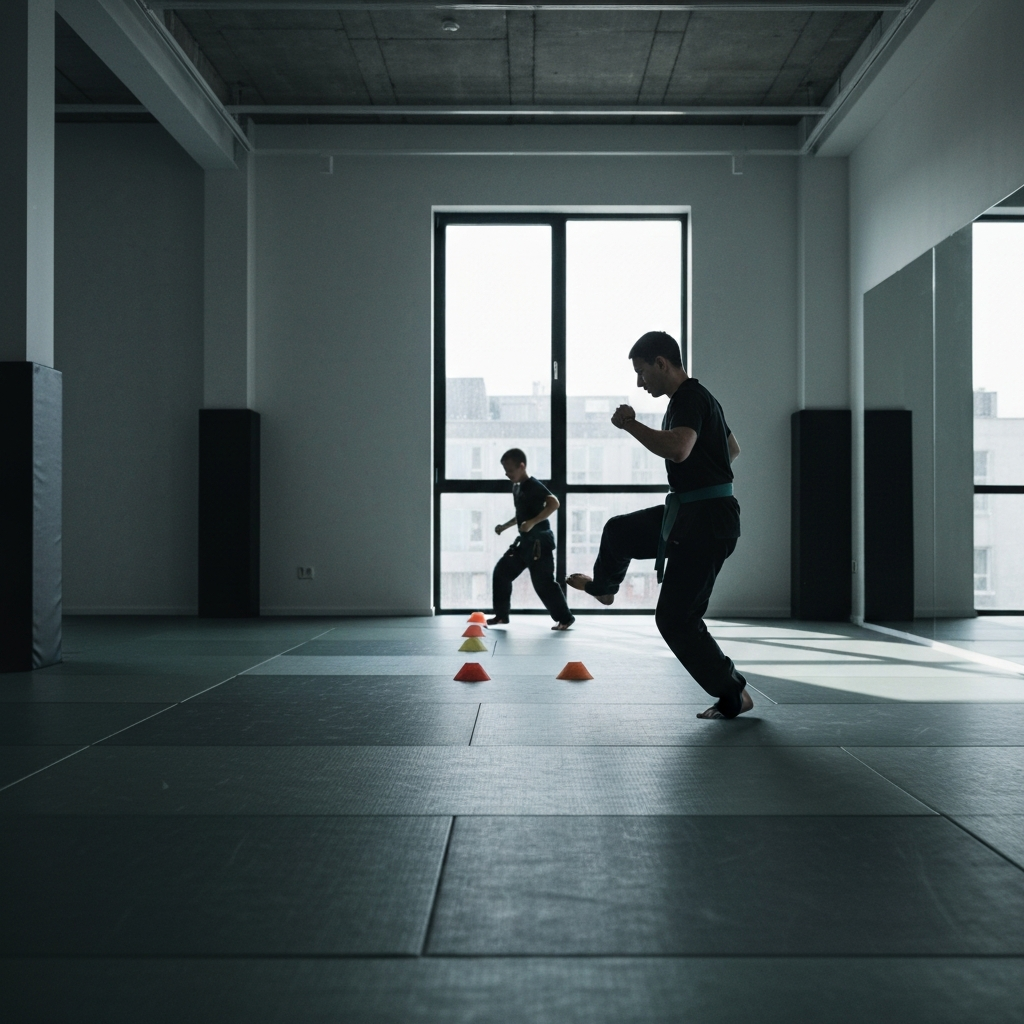
Agility and footwork are your greatest assets against a larger opponent. Constant movement makes you a difficult target and tires out the larger attacker. Stay light on your feet, using quick, lateral steps to circle and create angles. Avoid standing still or moving in predictable patterns. "Dance" around your opponent, staying outside of their reach while looking for openings. Practice moving in and out of range quickly. This requires developing coordination and stamina. Imagine you are a mosquito, constantly buzzing around, just out of reach. This frustrating elusiveness will force your opponent to expend energy while minimizing your exposure to their attacks. Anticipate their movements and adjust your position accordingly.
Step 3: Maintain a Defensive Stance
Always keep your hands up to protect your head and face. Adopt a boxing-style guard with your forearms vertical, palms facing your cheeks. This stance should be both protective and allow for quick counterattacks. Tuck your chin down to shield your jaw. Hunch slightly to protect your ribs and abdomen. Your elbows should be close to your body. This stance is not static; constantly adjust it based on your opponent's movements and your own position. Practice this stance until it becomes second nature. It's your first line of defense, and it needs to be reliable under pressure. A broken jaw or a knockout blow can end the fight instantly.

Step 4: Prioritize Dodging Over Blocking
Blocking a powerful strike from a larger opponent can be extremely damaging. Instead of directly absorbing the force, focus on dodging and evading their attacks. "Slipping" punches by moving your head slightly is an excellent technique for minimizing energy expenditure while avoiding impact. Practice these evasive maneuvers. Duck under punches, lean away from hooks, and step to the side to avoid straight attacks. The goal is to make them miss, causing them to overextend and lose balance. This creates opportunities for counterattacks. Remember, every missed punch drains their energy and increases their frustration. Dodging is more efficient than blocking and leaves you in a better position to respond.

Step 5: Keep the Fight Standing
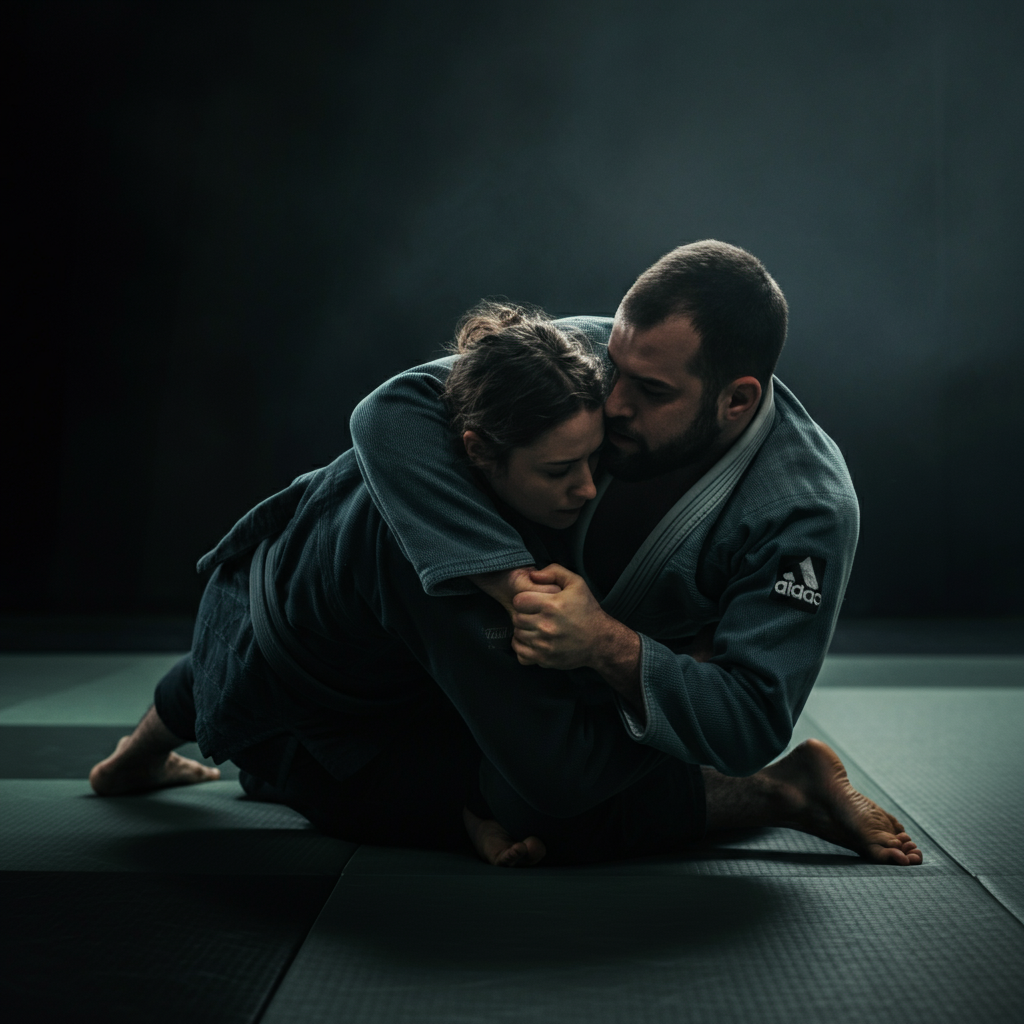
Grappling and wrestling favor the larger, stronger opponent. Avoid getting taken to the ground at all costs. Maintain your distance and focus on striking. If you do end up on the ground, immediately try to get back to your feet. Use any means necessary: kicking, pushing, or scrambling. On the ground, your speed and agility are significantly diminished, and the larger opponent can use their weight and strength to control you. The stand-up fight is where your advantages are most pronounced. Focus on maintaining balance and creating opportunities to strike from a safe distance. Don't allow the fight to devolve into a grappling match.
Step 6: Exploit Their Weaknesses: Target Vulnerable Areas
When you do strike, aim for sensitive targets. The groin, eyes, throat, nose, and solar plexus are all effective targets. A well-placed strike to any of these areas can quickly incapacitate your opponent, regardless of their size. These strikes are not about "fighting fair"; they are about survival. A swift kick to the groin can instantly end the fight. A finger jab to the eye can create temporary blindness, giving you an opportunity to escape. A strike to the throat can disrupt their breathing. Prioritize these targets over trying to trade blows. Accuracy and precision are key. Practice targeting these areas with speed and power.

Step 7: Use the Element of Surprise and Preemptive Strikes
If you sense the situation escalating and a physical confrontation is unavoidable, consider a preemptive strike. A well-timed surprise attack can end the fight before it even begins. This requires careful judgment and an understanding of the potential consequences. A preemptive strike should be decisive and aimed at a vulnerable target. However, be aware that a missed or ineffective strike will leave you vulnerable to a counterattack. Only use this tactic if you are certain that a fight is imminent and you have no other options. The legal ramifications of preemptive strikes should also be considered.

Step 8: Dirty Fighting: When All Else Fails
In a street fight, there are no rules. If your life is in danger, resort to any means necessary to survive. This includes biting, eye-gouging, hair-pulling, and using improvised weapons. Scour your surroundings for anything you can use to defend yourself: a bottle, a rock, a stick, even your keys. The goal is to create an opportunity to escape. Remember, this is not about winning; it's about surviving. Dirty fighting is a last resort, but it can be the difference between life and death. Once you have created an opening, run. Do not hesitate. Get away from the situation as quickly as possible.

Tools or Materials Required
While not required, consistent training can significantly improve your odds in a self-defense situation. Consider these:
- Mouthguard: Protects your teeth and jaw.
- Boxing gloves: For safe sparring and training.
- Focus mitts: For improving striking accuracy and power.
- Heavy bag: For developing striking endurance and technique.
- Self-defense classes: To learn proper techniques and strategies from qualified instructors.
Safety Considerations
Street fights are incredibly dangerous and can result in serious injury or even death. This guide is for informational purposes only and should not be taken as encouragement to engage in violence. Always prioritize avoidance and de-escalation. If you are injured in a fight, seek immediate medical attention. Be aware of the legal consequences of using force in self-defense.
Pro Tips
- Cardio is King: Excellent cardiovascular conditioning will allow you to move more effectively and outlast your opponent.
- Situational Awareness: Pay attention to your surroundings and potential threats.
- Stay Calm: Panic can cloud your judgment and lead to mistakes.
- Practice Regularly: Consistent training is essential for developing the skills and reflexes necessary for self-defense.
FAQ Section
- What if they grab me?
- Focus on creating space by striking vulnerable areas (groin, eyes) to break their grip and regain your distance.
- What if there are multiple attackers?
- Your priority is escape. Create distance and look for an exit. Do not engage in a prolonged fight.
- Is it legal to use self-defense techniques?
- Laws vary by location. Generally, you are allowed to use reasonable force to defend yourself from imminent harm.
Conclusion
Beating a larger opponent in a street fight is a daunting task, but not an impossible one. By prioritizing avoidance, mastering footwork and defensive techniques, exploiting weaknesses, and using the element of surprise, you can significantly improve your chances of survival. Remember, the best fight is the one you avoid. This guide provides a framework for understanding the dynamics of a physical confrontation and developing a strategy for self-defense. Practice these techniques responsibly and always prioritize your safety and well-being.