Traveling is an incredible opportunity to broaden your horizons, immerse yourself in different cultures, and create lasting memories. However, it's crucial to remember that as a tourist, you're also an ambassador for your own country and culture. Being a "good" tourist goes beyond simply seeing the sights; it's about being respectful, responsible, and engaging positively with the local community.
This guide provides practical steps and insights to help you navigate your travels with cultural sensitivity and awareness. From doing your research beforehand to supporting local businesses, we'll cover essential aspects of responsible tourism. By following these guidelines, you can ensure that your travels leave a positive impact on both you and the places you visit.
Ultimately, being a good tourist is about showing respect for the places you visit and the people who call them home. It’s about recognizing that you are a guest and behaving accordingly. It means leaving a positive footprint, not just taking memorable photos. Let's explore how you can become a more mindful and impactful traveler.
Step 1: Pre-Trip Research and Preparation
Learn Key Phrases and Customs
Before embarking on your journey, invest time in researching the language and customs of your destination. Learning a few basic phrases like "Hello," "Thank you," and "Excuse me" in the local language demonstrates respect and can significantly enhance your interactions with locals. Even a small effort to communicate in their language will be appreciated. Research local customs regarding dress, dining etiquette, and social interactions. Understanding these nuances will help you avoid unintentional offense and allow you to blend in more seamlessly.

Step 2: Pack Appropriately and Respectfully
Dress Codes and Cultural Sensitivities
Your attire can speak volumes about your respect for local culture. Research appropriate dress codes, especially when visiting religious sites or more conservative regions. In some cultures, modesty is highly valued, and dressing inappropriately can be seen as disrespectful. Consider packing versatile clothing items that can be easily adapted to different situations. Be mindful of local fashion trends, and try to emulate them within your personal style. If unsure, it's always better to err on the side of caution and choose more conservative options.

Step 3: Engage Respectfully with the Local Community
Interacting with Residents and Businesses
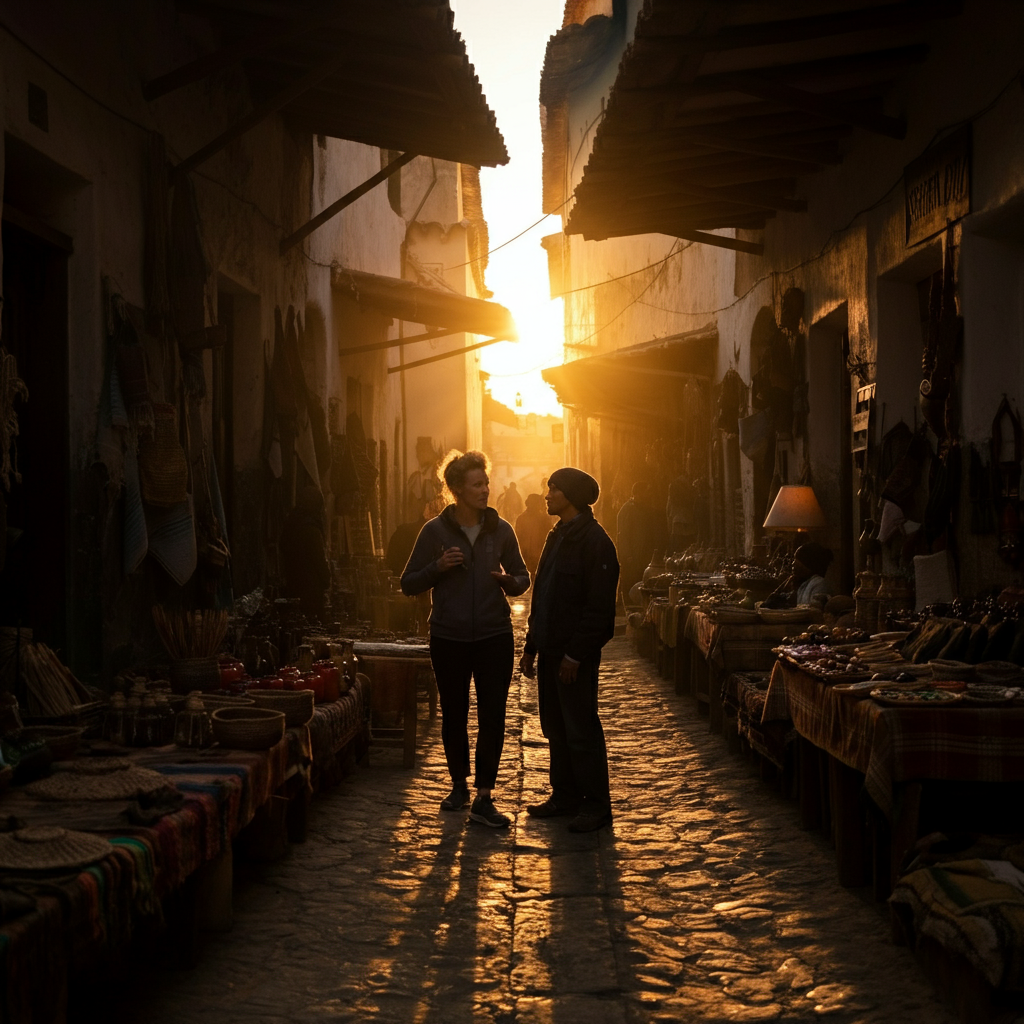
One of the best ways to experience a culture is by engaging with the local community. Seek out opportunities to interact with residents, whether it's through local markets, guided tours, or community events. Be open to conversations and show genuine interest in learning about their lives and perspectives. Support local businesses by purchasing locally made products and dining at family-owned restaurants. This helps to boost the local economy and provides authentic cultural experiences. Avoid relying solely on international chains and tourist traps, which often offer a diluted or superficial view of the destination.
Step 4: Practice Responsible Environmental Stewardship
Minimize Your Footprint
As a tourist, it's your responsibility to minimize your environmental impact. Avoid littering and dispose of waste properly. Opt for reusable water bottles, shopping bags, and other eco-friendly alternatives. Be mindful of your consumption of resources like water and electricity. When participating in activities like hiking or wildlife viewing, followLeave No Trace principles and respect the natural environment. Choose tour operators that prioritize sustainability and responsible tourism practices. Support conservation efforts by donating to local environmental organizations.

Step 5: Be Mindful of Noise and Public Behavior
Respectful Conduct in Public Spaces
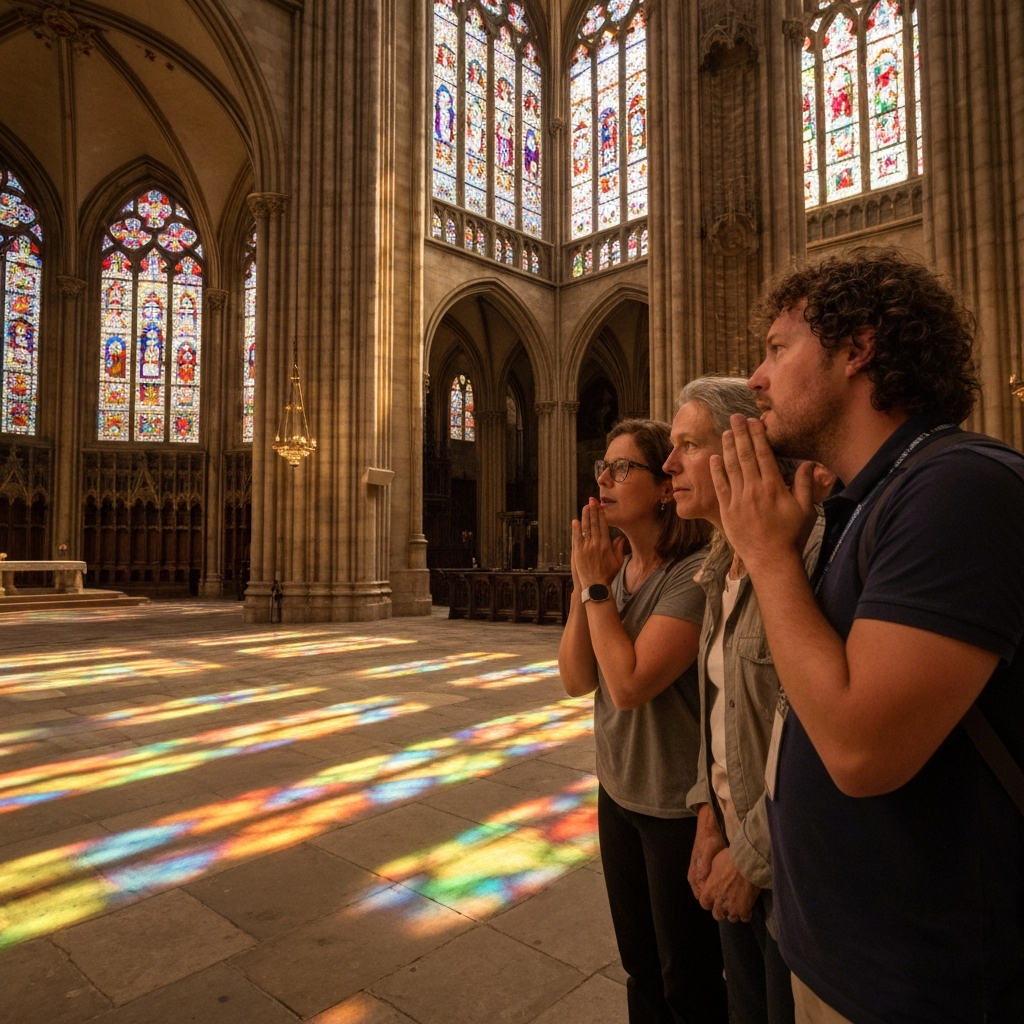
Different cultures have varying expectations for public behavior. Be mindful of your noise level, especially in residential areas, public transportation, and religious sites. Avoid loud conversations, yelling, or disruptive behavior. In some cultures, maintaining a quiet and respectful demeanor is highly valued. Be aware of local customs regarding personal space and avoid invading the privacy of others. Follow local laws and regulations, and be respectful of authority figures. Remember that you are a guest in their country, and your actions reflect on your own culture.
Step 6: Immerse Yourself in Local Cuisine
Exploring Culinary Traditions
Food is an integral part of any culture, and exploring local cuisine is a fantastic way to deepen your travel experience. Be adventurous and try new dishes, even if they seem unfamiliar. Visit local markets and food stalls to sample authentic flavors and ingredients. Ask locals for recommendations on the best places to eat and what to order. Be open to trying different cooking styles and dining etiquette. By embracing the local culinary scene, you'll gain a greater appreciation for the culture and support local food producers.

Step 7: Ask Questions and Seek Understanding
Engaging with Local Perspectives
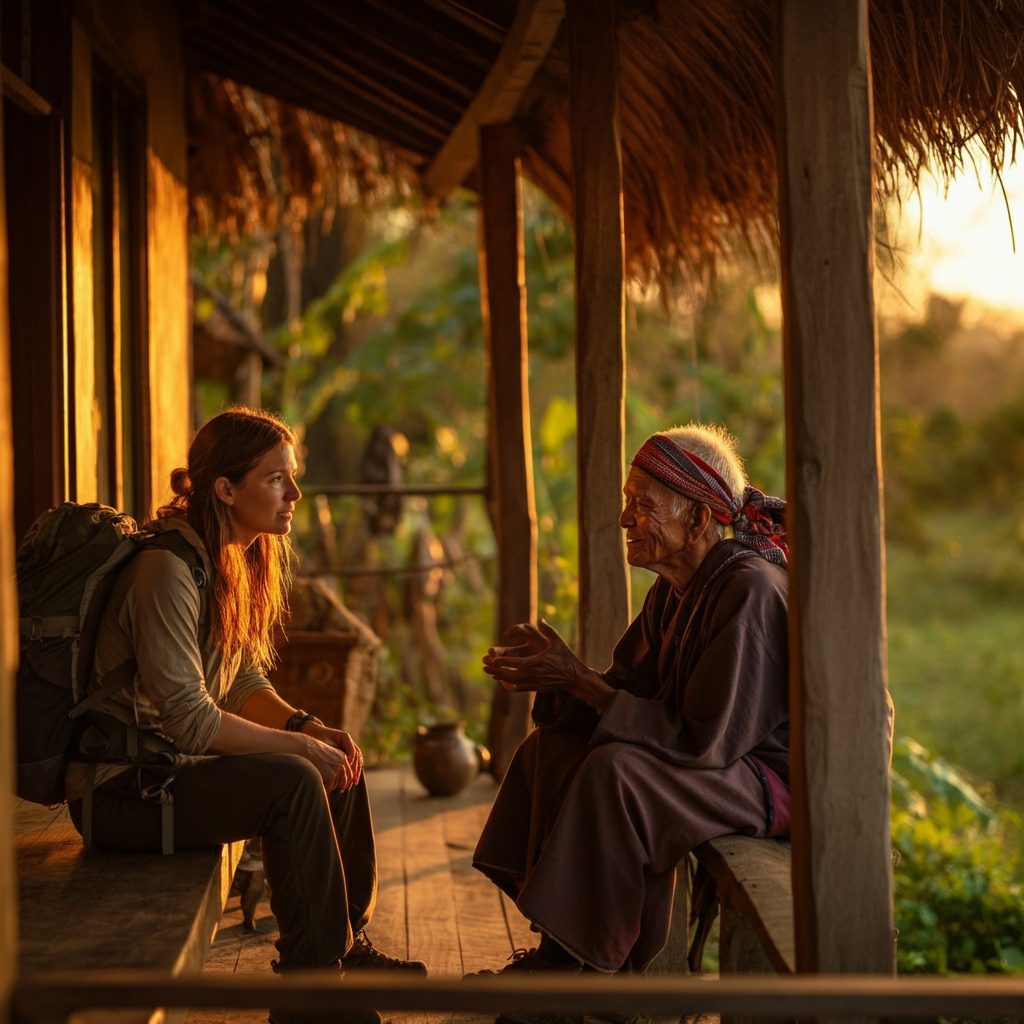
One of the most rewarding aspects of travel is the opportunity to learn from different perspectives. Don't be afraid to ask questions and seek understanding from locals. Be curious about their history, beliefs, and values. Listen attentively to their stories and perspectives, even if they differ from your own. Engage in respectful dialogue and avoid making assumptions or generalizations. By seeking to understand the local culture, you'll gain a deeper appreciation for the destination and its people.
Tools or Materials Required
- Phrasebook or translation app
- Guidebook or travel blog recommendations
- Reusable water bottle and shopping bag
- Appropriate clothing for the climate and culture
- Sunscreen and insect repellent
Common Mistakes to Avoid
- Speaking loudly in public
- Dressing inappropriately
- Littering
- Being disrespectful to locals
- Relying solely on tourist traps
Safety Considerations
- Research local safety conditions before your trip.
- Be aware of your surroundings and avoid risky situations.
- Protect your belongings from theft.
- Inform someone of your travel plans.
- Have travel insurance.
Pro Tips
- Learn a few basic phrases in the local language.
- Pack versatile clothing items that can be easily adapted.
- Support local businesses whenever possible.
- Be open to trying new things.
- Engage in respectful dialogue with locals.
FAQ Section
Q: What if I accidentally offend someone?
A: If you realize you've made a mistake, apologize sincerely and explain that you didn't intend to cause offense.
Q: How can I support the local economy?
A: Shop at local markets, eat at family-owned restaurants, and hire local guides.
Q: Is it okay to take photos of people?
A: Always ask for permission before taking someone's photo, especially in more conservative cultures. Respect their wishes if they decline.
Conclusion
Being a good tourist is about more than just seeing the sights. It's about being respectful, responsible, and engaging positively with the local community and environment. By following these guidelines, you can ensure that your travels leave a positive impact and create lasting memories for both you and the people you meet along the way. Remember that you are an ambassador, and your actions reflect on your own culture. Travel responsibly and make a difference!