Turning twelve is a big deal! You're not quite a teenager, but you're definitely not a little kid anymore. This is a time of huge changes – in your body, your brain, and your relationships. Navigating this new stage can feel tricky, but with a little guidance and effort, you can absolutely thrive and become an amazing 12-year-old.
Being a "good" 12-year-old isn't about being perfect or never making mistakes. It's about learning to be responsible, respectful, and kind. It's about developing important life skills and building strong relationships with your family and friends. It’s also about discovering who you are and what you’re passionate about.
This guide will offer practical advice and tips to help you navigate this exciting time. We’ll cover everything from family relationships to school success to personal growth. Get ready to unlock your potential and become the best version of yourself!
Step 1: Mastering Home Life
Having a good relationship with your family is essential for a happy and healthy life. This starts with respecting household rules and contributing to the smooth running of the home. Following the rules, even when you don't agree with them, shows maturity and respect for your parents' authority. Offer to help with chores, like setting the table, doing dishes, or taking out the trash. A little effort goes a long way in making your home a more harmonious place.
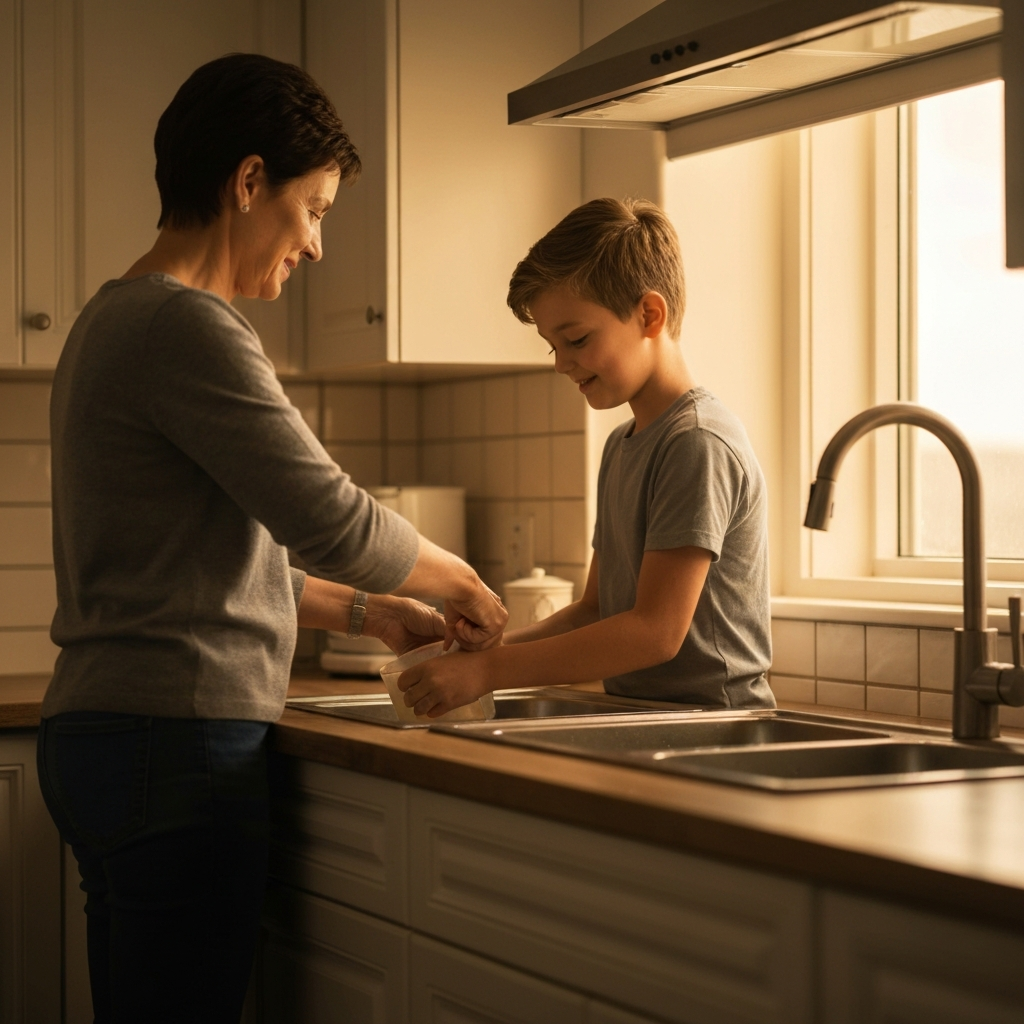
Step 2: Cultivating Respect and Politeness
Respect and politeness are crucial ingredients for building strong and positive relationships with everyone around you. Treat your parents, siblings, and other family members with kindness and consideration. Use "please" and "thank you" consistently, and practice good table manners during meals. Avoid interrupting conversations and listen attentively when others are speaking. These simple gestures can make a big difference in how others perceive you and how they respond to you.

Step 3: Showing Appreciation
Small gestures of appreciation can make a big impact on your family. Remember important occasions like birthdays, Mother's/Father's Day, and Christmas. A thoughtful card or a small gift can show your parents that you care about them. Even better, offer to help with a task they usually do, or simply spend some quality time with them doing something they enjoy. This shows that you are thinking of them and value their presence in your life.

Step 4: Expressing Your Affection
Don't be afraid to tell your parents that you love them! Hearing those words can mean the world to them, especially during challenging times. A simple hug, a heartfelt "I love you," or even a handwritten note can brighten their day and strengthen your bond. Remember, expressing your love is a sign of strength and emotional maturity, not weakness.
Step 5: Prioritizing Family Time
Even though you might be eager to spend more time with your friends, it's still important to prioritize family time. Plan activities that everyone can enjoy together, such as watching a movie, playing a board game, going for a walk, or cooking a meal. Turn off electronic devices and focus on connecting with your family members. These shared experiences will create lasting memories and strengthen your family bonds.

Step 6: Excelling in Schoolwork
Doing your best in school is a key component of being a responsible 12-year-old. Complete your homework assignments to the best of your ability and turn them in on time. If you're struggling with a particular subject, don't be afraid to ask for help from your teachers or parents. Participating actively in class, taking notes, and asking questions when you're confused will also improve your understanding of the material.

Step 7: Preparing for Tests and Assessments
Preparing for tests and assessments is crucial for achieving good grades. Review your notes, textbook chapters, and any other relevant materials. Ask a family member or friend to quiz you on the key concepts. You can create flashcards or use online study tools to help you memorize important information. Start studying several days before the test to avoid cramming at the last minute.
Step 8: Following School Rules
Following school rules is an essential part of being a responsible student. These rules are in place to ensure a safe and orderly learning environment for everyone. Pay attention to dress code requirements, classroom conduct expectations, and any other rules specific to your school. Respect your teachers and classmates, and avoid engaging in disruptive or disrespectful behavior.

Step 9: Appropriate Attire Choices
Developing your personal style is part of growing up! While expressing yourself through clothing is encouraged, it's also essential to dress appropriately for different occasions. Have a variety of clothes from casual to formal. Consider the weather and the setting when choosing what to wear. For school, wear clothes that are comfortable and appropriate for learning. Avoid anything that is overly revealing or distracting.
Step 10: Footwear Selection
Choosing the right footwear is important for both comfort and style. Smart shoes should be reserved for school and special occasions, while casual shoes are more appropriate for everyday activities. Consider the activity you'll be doing when choosing your shoes. Wear sneakers for sports or running, and sandals for the beach or pool. Make sure your shoes fit properly and are comfortable to wear.
Step 11: Dressing for the Weather
Dressing appropriately for the weather is essential for staying comfortable and healthy. In the winter, wear warm layers, including a coat, hat, gloves, and scarf. In the summer, wear light, loose-fitting clothing to stay cool. Don't forget sunscreen to protect your skin from the sun's harmful rays. Pay attention to weather forecasts and plan your outfits accordingly.
Step 12: Embracing Independence
As you get older, you'll likely have more opportunities to gain independence. If possible and safe, walking or biking to school with friends or local friends can be a good start. Talk to your parents about what activities you are allowed to do on your own and what boundaries you need to respect. Remember, independence comes with responsibility.
Step 13: Maintaining Friendships
Having good friends is important for your social and emotional well-being. Spend time with your friends, but remember to balance your social life with your family responsibilities. Be a good friend by being supportive, honest, and reliable. Communicate openly and respectfully with your friends, and resolve conflicts in a constructive way.
Step 14: Learning to Cook
Learning to cook is a valuable life skill that can help you become more independent. Start with simple recipes, such as making a sandwich, boiling pasta, or baking cookies. Ask your parents or another adult to teach you basic cooking techniques and safety precautions. Cooking can be a fun and creative way to express yourself and contribute to your family.
Tools or Materials Required
- School supplies (notebooks, pens, pencils, etc.)
- Study materials (textbooks, flashcards, online resources)
- Appropriate clothing for different occasions and weather conditions
- Basic cooking equipment and ingredients
Common Mistakes to Avoid
- Ignoring household rules
- Being disrespectful to family members and friends
- Procrastinating on homework assignments
- Failing to prepare for tests and assessments
- Wearing inappropriate clothing
- Spending too much time on electronic devices
Safety Considerations
- Always follow safety rules when cooking.
- Be aware of your surroundings when walking or biking to school.
- Never talk to strangers.
- If you're feeling uncomfortable in a situation, tell a trusted adult.
Pro Tips
- Establish a consistent study routine.
- Get involved in extracurricular activities.
- Practice active listening.
- Ask for help when you need it.
- Be kind to yourself and others.
FAQ Section
- Q: What if I disagree with my parents' rules?
- A: Talk to your parents respectfully about your concerns. Explain why you think the rule is unfair or unreasonable, and try to find a compromise.
- Q: How can I make new friends?
- A: Join clubs or activities that interest you. Be friendly and approachable, and initiate conversations with people you meet.
- Q: What should I do if I'm being bullied?
- A: Tell a trusted adult, such as your parents, a teacher, or a counselor. Don't try to handle the situation on your own.
Being a great 12-year-old is a journey, not a destination. Embrace the challenges, celebrate the successes, and never stop learning and growing. By following these tips, you can build strong relationships, excel in school, and become a responsible and well-rounded individual. Remember to be kind to yourself and others, and enjoy this exciting chapter of your life!