Riding a quad bike, also known as an ATV (All-Terrain Vehicle), can be an exhilarating and enjoyable activity. However, it also carries inherent risks. Every year, countless individuals sustain injuries, some severe, due to quad accidents. The key to enjoying this sport safely is understanding the potential dangers and taking proactive steps to minimize your risk of injury.
This guide offers detailed, practical advice on how to avoid getting hurt in a quad accident. We'll cover essential safety precautions, proper riding techniques, and what to do in emergency situations. By following these guidelines, you can significantly enhance your safety and enjoy the thrill of quad riding with greater peace of mind. Remember, being prepared and aware is half the battle.
Whether you're a seasoned rider or just starting out, this information is crucial for a safe and enjoyable experience. So, let’s dive into the steps you can take to protect yourself.
Step 1: Invest in and Wear the Right Safety Gear
Gear Up for Safety
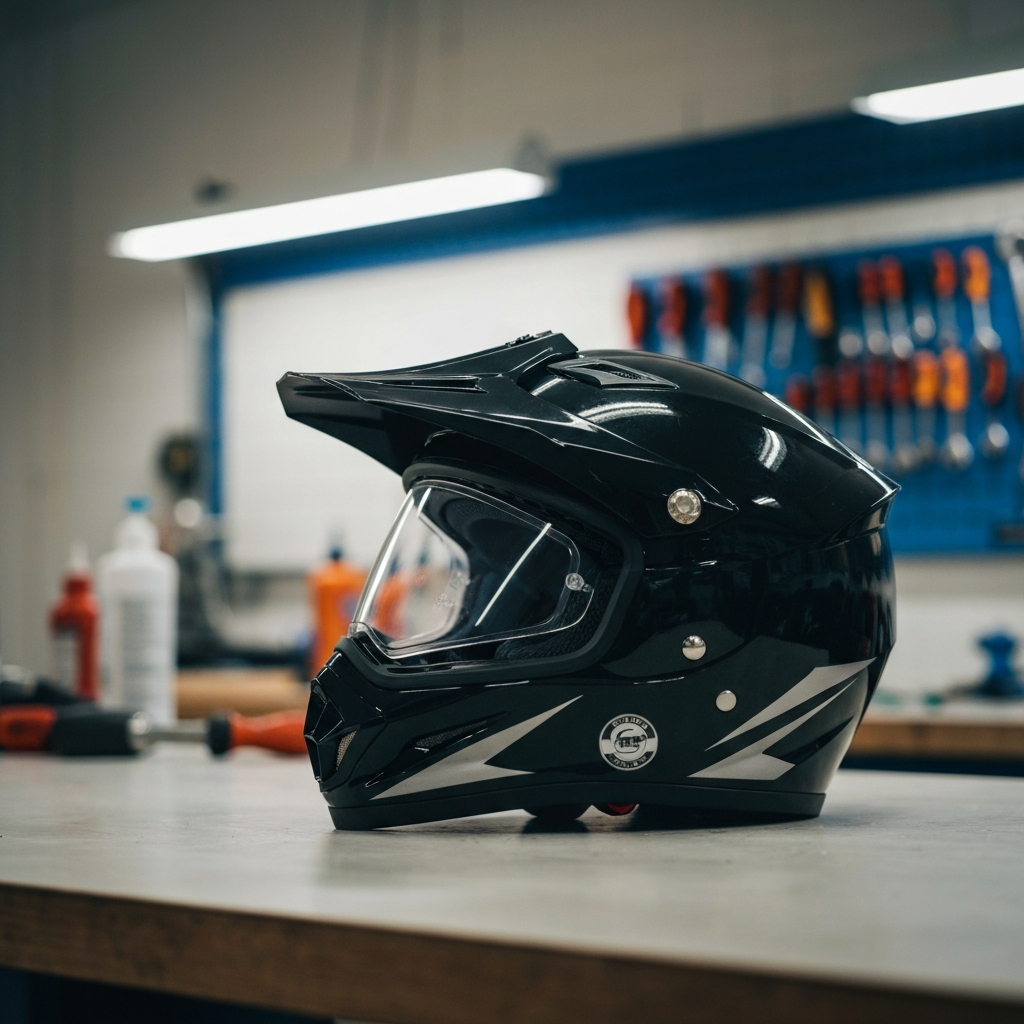
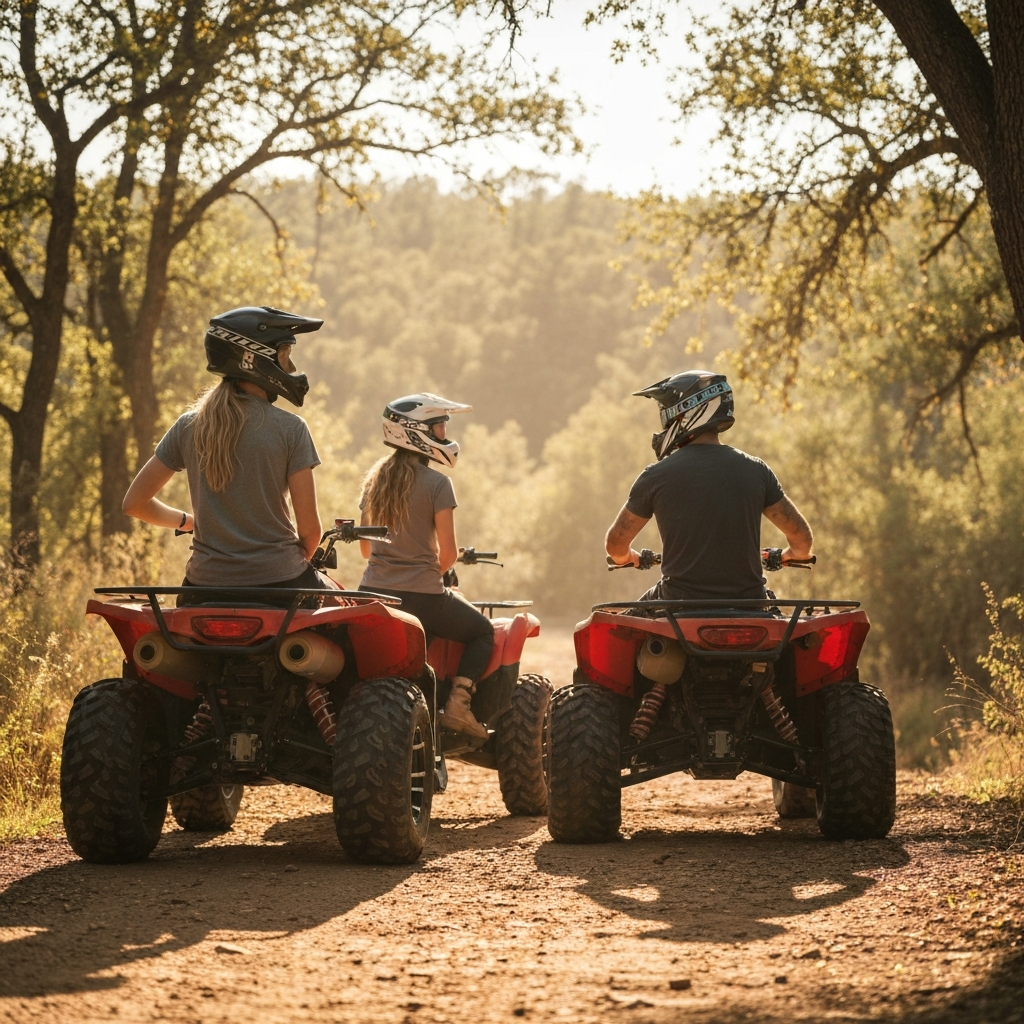
The most crucial step in preventing serious injury is to invest in high-quality safety gear and wear it every time you ride. Never compromise on safety equipment to save money. The bare minimum includes a properly fitted helmet, eye protection (goggles), gloves, sturdy boots that cover the ankles, and appropriate protective clothing. Consider a chest protector and kidney brace for added protection.
Step 2: Master Basic Quad Riding Skills and Techniques
Get Skilled Up
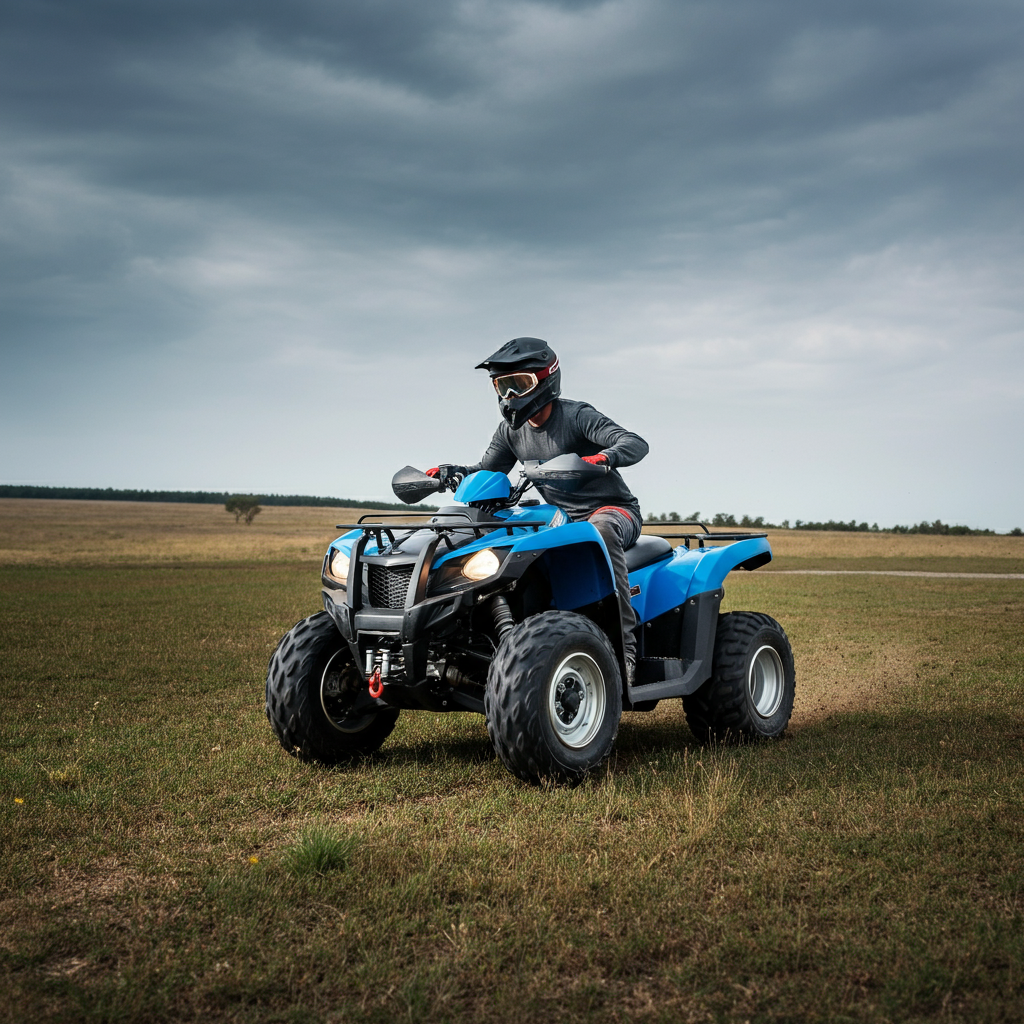
Before venturing onto challenging terrain, ensure you have mastered the fundamental riding skills. Practice in a safe, controlled environment like a large, flat field. Learn how to properly accelerate, brake, steer, and shift gears (if applicable). Get comfortable with your quad's handling characteristics. Practice weight shifting to maintain balance on uneven terrain. Learn how to handle inclines and declines safely. A common mistake is accelerating too quickly or braking too hard, leading to loss of control. Consider taking a certified ATV safety course to enhance your skills and knowledge.
Step 3: Know Your Quad and Perform Regular Maintenance
Keep Your Quad in Top Condition
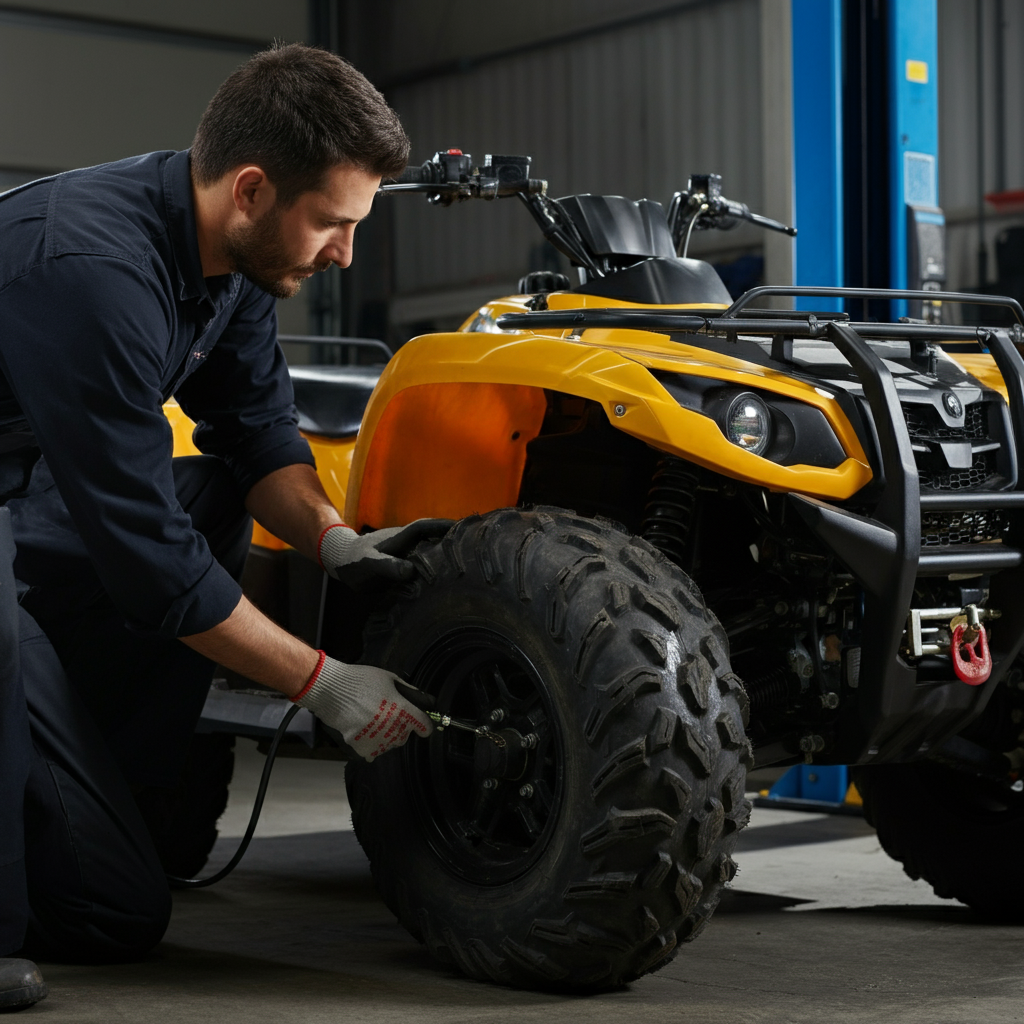
Understanding your quad's capabilities and limitations is vital. Read the owner's manual thoroughly and familiarize yourself with all controls and features. Regular maintenance is essential for safe operation. Check tire pressure, fluid levels (oil, coolant, brake fluid), and brake function before each ride. Inspect the suspension, steering, and throttle for any signs of wear or damage. Address any issues promptly. A poorly maintained quad is a recipe for disaster.
Step 4: Assess the Terrain and Ride Within Your Limits
Respect the Terrain
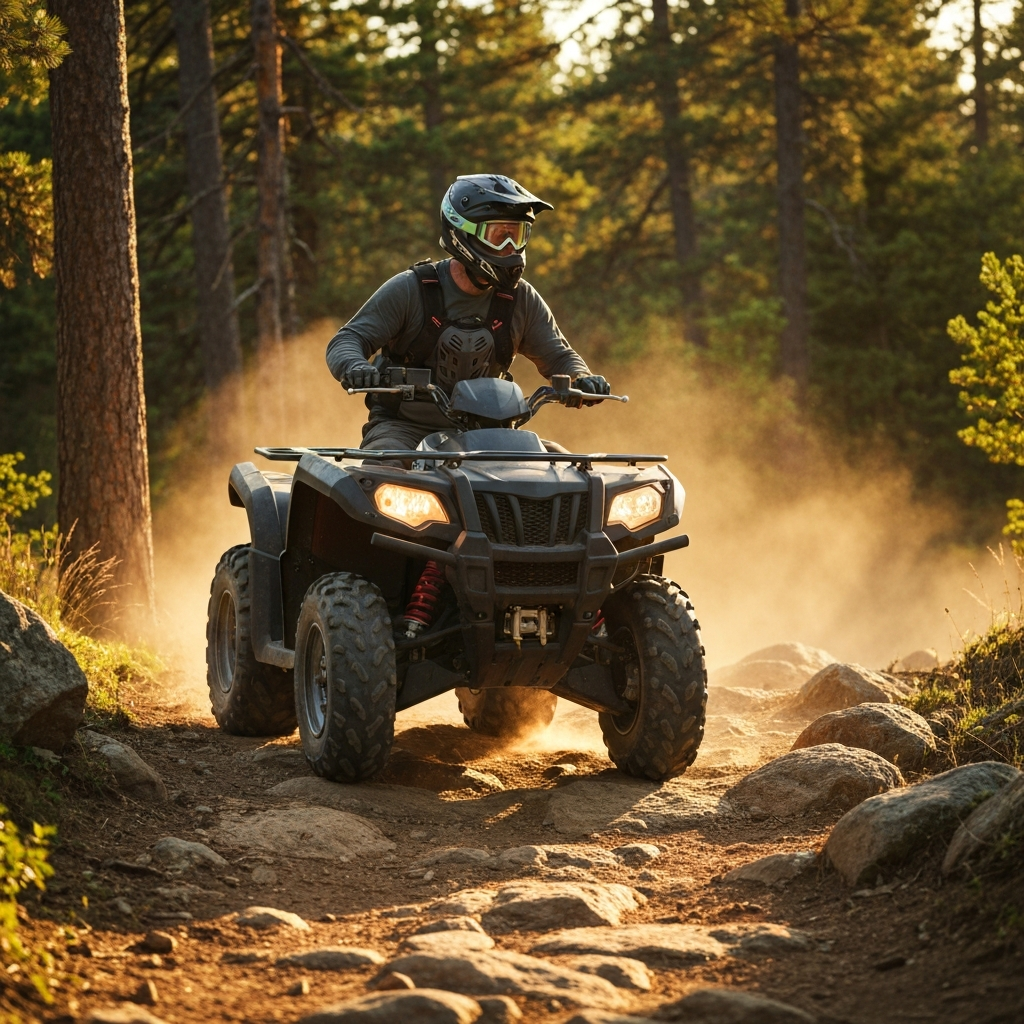
Carefully assess the terrain before riding. Look for obstacles such as rocks, logs, holes, and changes in elevation. Don't ride beyond your skill level or the capabilities of your quad. Start with easier trails and gradually progress to more challenging ones as your skills improve. Be especially cautious on unfamiliar terrain. It's always better to err on the side of caution than to risk a serious accident. Avoid riding in areas that are clearly unsafe.
Step 5: Be Aware of Your Surroundings and Other Riders
Stay Alert
Maintain constant awareness of your surroundings. Scan the trail ahead for other riders, pedestrians, animals, and obstacles. Ride at a safe speed that allows you to react to unexpected situations. Be especially cautious when riding in groups. Maintain a safe distance from other riders and avoid reckless maneuvers. Use hand signals to communicate with other riders. Always look around you to ensure the area is clear before making any turns or changes in direction.
Step 6: What to Do if You Start to Lose Control
React Quickly and Decisively
If you start to lose control of your quad, your reaction time is critical. If possible, try to regain control by shifting your weight, adjusting the throttle, and steering appropriately. If a collision is imminent, try to steer away from the most dangerous object or direction. If you are about to crash, consider bailing out of the quad at a safe distance. Bend your knees and roll to soften the impact.
Step 7: If Your Quad Stalls on a Hill
Hill Strategies
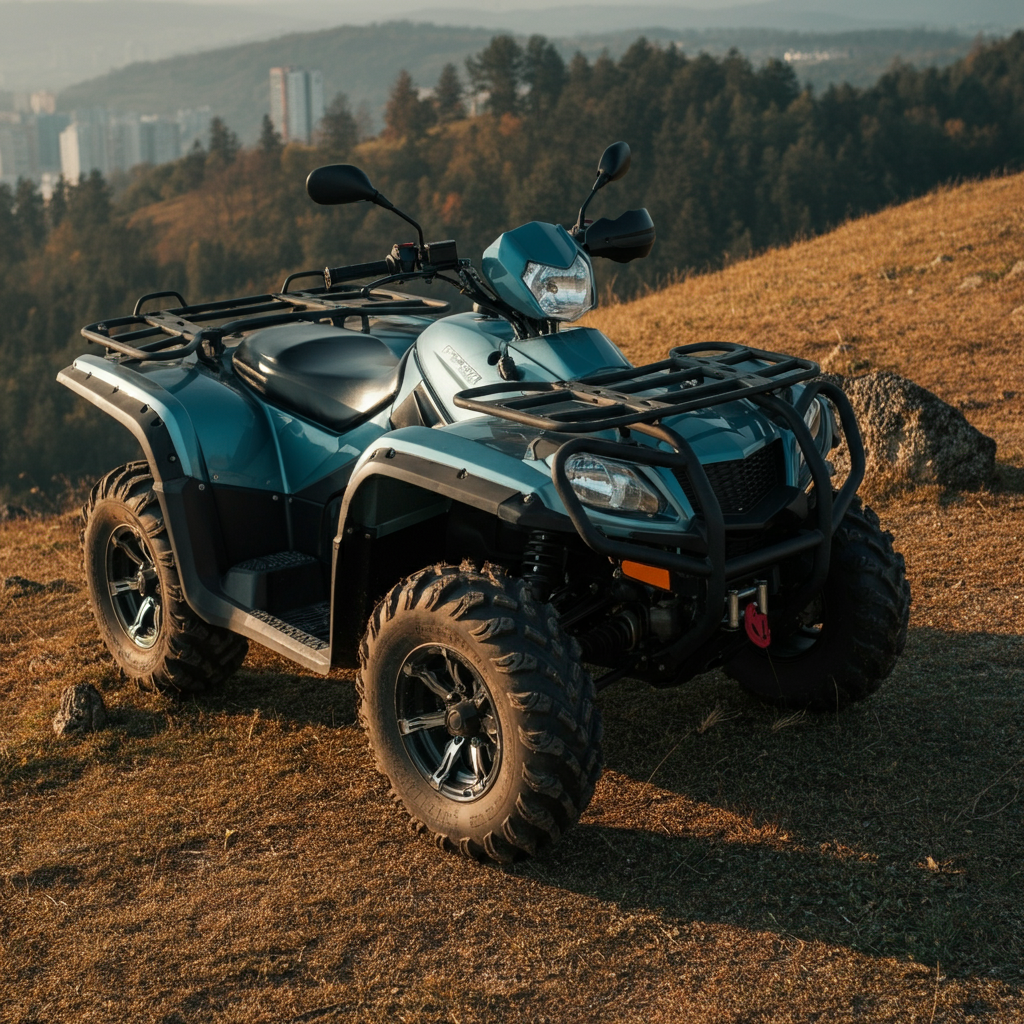
If your quad stalls on a hill, the situation requires immediate action. Never attempt to restart the quad while it's facing uphill on a steep incline. Immediately apply the brakes. The safest course of action is to dismount the quad and either let it roll down the hill in a controlled manner or find a way to carefully maneuver it off the hill. If you let it roll, clear the area below first! Trying to hold onto a stalled quad on a steep hill can lead to serious injury.
Step 8: Rolling Away from the Quad
Dune Rolls
If you happen to roll your quad on a dune or any terrain, your first instinct should be self-preservation. As the quad begins to roll, immediately roll away from the quad in the opposite direction of the roll. This is crucial because the quad will likely continue to roll straight down, and you want to avoid being pinned or crushed by it. Remember to protect your head and neck while rolling.
Common Mistakes to Avoid
- Riding under the influence of alcohol or drugs.
- Riding without proper training or experience.
- Ignoring warning signs and safety guidelines.
- Exceeding the quad's weight capacity.
- Performing stunts or reckless maneuvers.
Safety Considerations
- Always inform someone of your riding plans and location.
- Carry a cell phone or other communication device in case of emergencies.
- Know the local laws and regulations regarding ATV riding.
- Never ride on paved roads unless specifically permitted by law.
Pro Tips
- Consider installing aftermarket safety features such as nerf bars and handguards.
- Practice emergency braking techniques in a safe environment.
- Take regular breaks to avoid fatigue.
- Stay hydrated by drinking plenty of water.
FAQ Section
- Q: What type of helmet is best for ATV riding?
- A: A full-face helmet with a DOT (Department of Transportation) or Snell certification is highly recommended.
- Q: How often should I inspect my quad?
- A: Perform a pre-ride inspection before each use, and schedule regular maintenance according to the manufacturer's recommendations.
- Q: Is it safe to ride double on an ATV?
- A: Only if the ATV is specifically designed and equipped for two riders. Check the owner's manual for weight and passenger restrictions.
Conclusion
Avoiding injuries in quad accidents requires a proactive approach that encompasses proper training, diligent maintenance, and responsible riding habits. By following the steps outlined in this guide, you can significantly reduce your risk of injury and enjoy the thrill of ATV riding with greater confidence. Remember, safety is always paramount. Ride smart, stay aware, and prioritize your well-being.