The air element, often associated with breath, communication, and freedom, holds a significant place in various spiritual and cultural traditions. From ancient philosophies to modern astrology, air represents the life force that sustains us and the movement that inspires us. Understanding and connecting with this element can bring clarity, lightness, and a deeper understanding of ourselves and the world around us. This guide will delve into the multifaceted nature of air, exploring its symbolism, practical applications, and techniques for harnessing its energy.
Whether you are drawn to the intellectual stimulation of air signs in astrology or the mindful breathing practices of ancient traditions, this element offers a pathway to enhanced awareness and personal growth. By learning to connect with the air element, you can unlock your potential for clear communication, innovative thinking, and a renewed sense of freedom. Let's embark on a journey to explore and master the air element.
Step 1: Understanding the Essence of Air
The air element is one of the four classical elements, along with earth, water, and fire, believed to constitute the fundamental building blocks of the universe. Air symbolizes life, movement, and communication. It is the breath that sustains us, the wind that carries seeds across the land, and the medium through which ideas are shared. Understanding this essence is crucial for consciously working with the air element.
Recognizing the multifaceted nature of air, acknowledging its presence in both tangible and intangible forms, allows for a more holistic integration of its power. Practically, this means tuning into the subtle shifts in your environment and inner state. Common mistakes include overlooking the importance of mindfulness and attempting to control the element rather than collaborating with it.

Step 2: Exploring Cultural Interpretations of Air
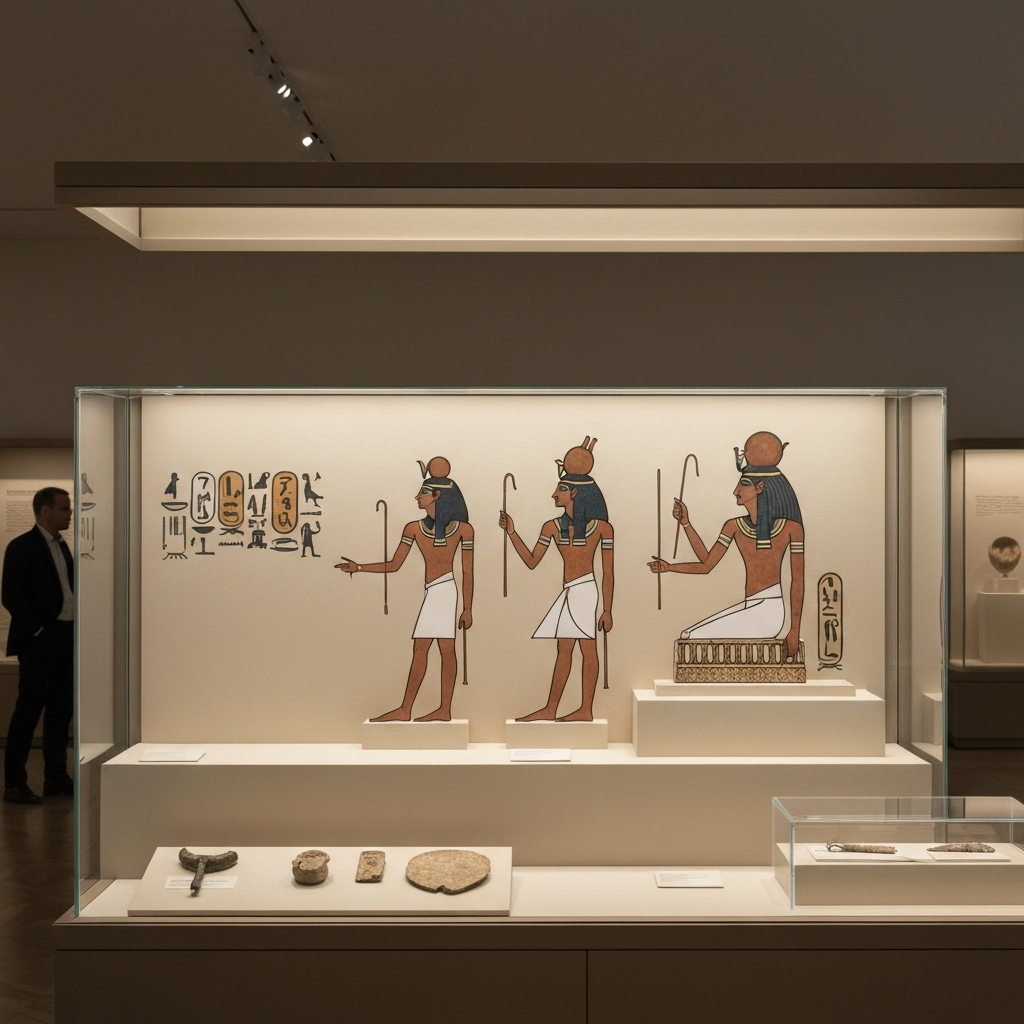
Different cultures attribute unique meanings to the air element, adding depth and nuance to its understanding. In Ancient Egypt, the god Shu personified air, representing lightness and movement. In Taoism, the concept of qi, the life force, closely resembles the air element, signifying freedom and adaptability. Exploring these diverse perspectives enhances your comprehension of air's universal significance.
Delving into these cultural interpretations can inform and enrich your practice. For instance, understanding Shu's connection to lightness may inspire you to embrace a lighter approach to life's challenges. Be aware that cultural appropriation is a serious concern; approach these traditions with respect and reverence. Avoid superficial adoption without proper understanding and acknowledgment of the cultural context.
Step 3: Connecting with Air Through Sensory Practices
Engaging your senses is a powerful way to connect with the air element. The air moves all around us, creating various sensory experiences. Pay attention to how air feels on your skin, the scents it carries, the sounds it creates, the movement it causes, and even the tastes associated with it. Through this mindfulness, you can become more attuned to its presence in your daily life.
Specifically, you could step outside and feel the wind on your face, tasting the air after rainfall, or noticing the scent of the breeze through open windows. In Ayurveda, air is associated with bitter and astringent tastes, suggesting including foods like kale or black tea. When trying sensory practices, make sure to be in a safe environment away from pollutants. A common mistake is not fully committing to the sensory experience, allowing distractions to interfere.

Step 4: Practicing Pranayama Breathing Techniques
Pranayama is a set of breathing exercises that directly connect you to the air element by mindfully moving breath and life force through your body. Practicing pranayama for a few minutes each day can significantly enhance your connection with air. Techniques like Ocean’s Breath (Ujjayi), Humming Bee Breath (Brahmari), and Box Breathing offer different ways to hone in on the air element.
Counselor and psychotherapist Ira Israel recommends taking "long, deep breaths. Do a nine-second inhalation and maybe count off and inhale for 2, 3, 4. Then, spend about 10 seconds on the exhale." You can also try "closing off one nostril and inhaling through the other one, then switch your fingers and exhale through the other one." The key is to focus on the movement of breath in your body, observing its subtle effects. Avoid forcing your breath or holding your breath for extended periods, especially if you have respiratory issues.

Step 5: Incorporating Yoga Postures for Air
Certain yoga postures can open up the heart, lungs, and front of the body, facilitating a deeper connection with the air element. Gentle and restorative yoga poses that emphasize light and playful movements are particularly beneficial. Poses like Cobra, Bow, Wheel, Camel, and Cat-Cow can help you breathe more calmly and steadily.
For example, when performing the cat-cow pose, "kneel with your hands on the floor in a stable position. You want your knees to be underneath your hips, making a straight line from your knees to your hips, and then your hands are directly underneath your shoulders and you’re extending the elbows and shoulders. When you inhale, arch the lower back, open up the chest, and look up. Then you exhale and reverse, so you’re now going into cat. Push your lower back up toward the ceiling, drop the head and neck, and exhale." Be mindful of your body's limitations and avoid pushing yourself too hard.

Step 6: Using Mantras and Meditations Focused on Air
Mantras and meditations that focus on the heart chakra (Anahata), which is connected to the air element, can strengthen your connection. Channel the air element by meditating on a mandala or repeating the YAM (pronounced yan-gm) mantra. You can also practice visualization meditation, where you visualize the air beneath you and flowing through your body as you meditate. These practices help quiet the mind and open the heart to the subtle energies of air.
If you’re just starting out with meditation, begin by "sitting with your spine erect, your chin level, and your jaw unclenched for two minutes in the morning, and just concentrate on your breath.” The key is consistency and a willingness to observe your thoughts without judgment. Avoid getting frustrated if your mind wanders; simply gently guide your attention back to your breath or mantra.

Pro Tips
- Spend time in nature, particularly in open spaces where you can feel the wind.
- Practice mindful communication, ensuring your words are clear and purposeful.
- Cultivate a sense of freedom and adaptability in your life.
- Journal your experiences and insights as you connect with the air element.
Safety Considerations
- Be mindful of air quality when engaging in outdoor practices. Avoid polluted areas.
- Consult with a healthcare professional before starting any new breathing exercises if you have respiratory issues.
- Practice yoga postures with proper alignment to avoid injury. Consider working with a qualified instructor.
FAQ Section
- What does it mean to have an air element personality?
- An air element personality is often associated with being joyful, free-spirited, and communicative. People with this personality type tend to be intellectual, analytical, and adaptable.
- How can I tell if I'm connected to the air element?
- You may feel a strong connection to the air element if you enjoy activities that involve movement, communication, and intellectual stimulation. You might also feel a sense of freedom and lightness.
- Can connecting with the air element help with anxiety?
- Yes, practices like pranayama and meditation can help calm the mind and reduce anxiety by focusing on the breath and promoting relaxation.
Conclusion
Mastering the air element is a journey of self-discovery and connection with the world around you. By understanding its essence, exploring its cultural interpretations, and engaging in sensory practices, pranayama, yoga, and meditation, you can harness its power for enhanced clarity, communication, and freedom. Remember to approach this journey with mindfulness, respect, and a willingness to embrace the subtle energies of air. Embrace the power of the wind and let it guide you.