African mythology is a rich tapestry woven from countless cultures, traditions, and beliefs across the continent. Unlike the well-trodden paths of Greek and Roman myths, African folklore remains relatively unexplored by the wider world, yet it holds a treasure trove of compelling narratives and profound moral lessons. These stories, passed down through generations, offer insights into the origins of the world, the complexities of human nature, and the delicate balance between humanity and the natural world.
This guide will serve as your introduction to some of the most captivating African myths and legends, unveiling the common themes and motifs that tie them together. We'll explore the vibrant characters, from cunning tricksters to powerful deities, and discover the deeper meanings embedded within these ancient tales. Prepare to embark on a journey into a world where animals possess divine wisdom, landscapes hold spiritual significance, and the boundaries between the physical and supernatural realms blur.
Our exploration includes creation myths, trickster tales, and legends explaining natural phenomena. Understanding these narratives provides a unique perspective on the diverse cultural values and worldviews of African societies. So, let's delve into the fascinating world of African mythology and uncover the wisdom it holds.
By the end of this guide, you'll have a deeper appreciation for the depth and complexity of African folklore and a foundation for further exploration of this captivating subject.
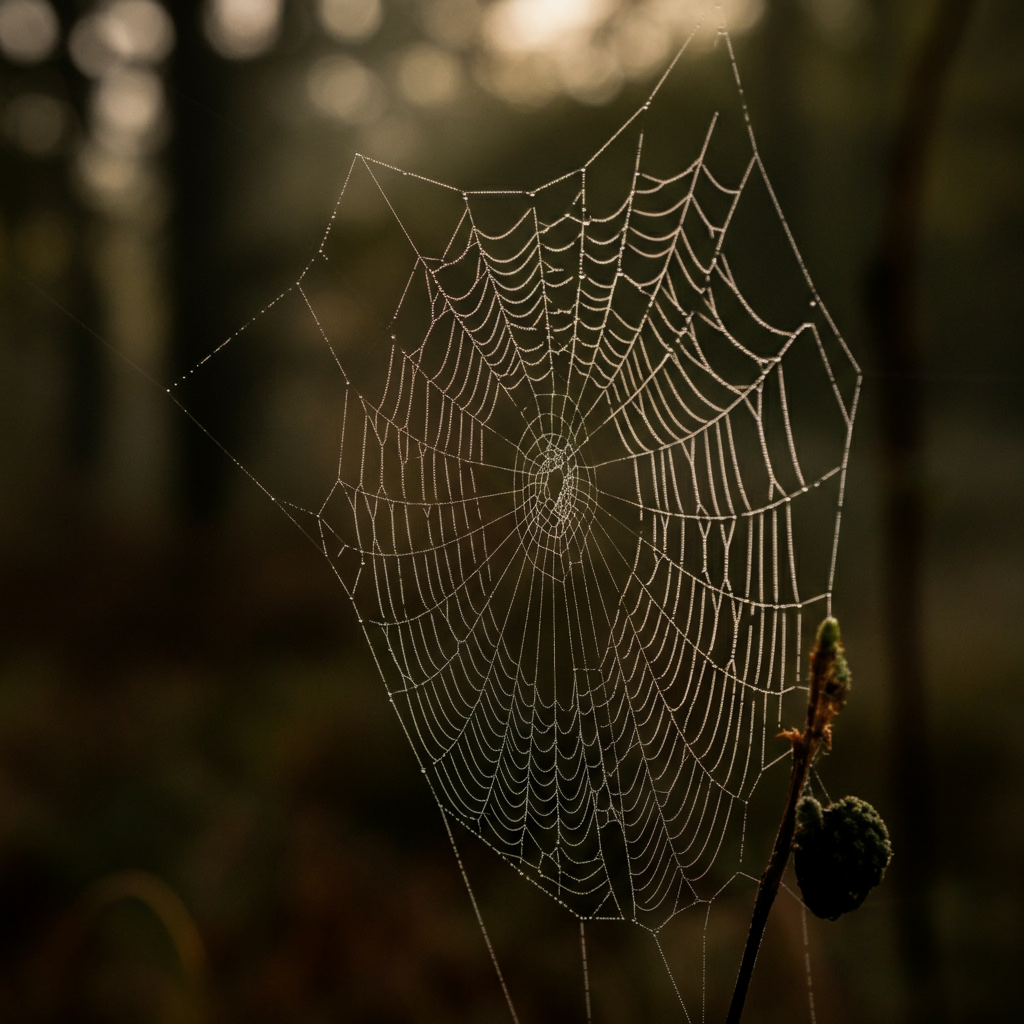
Step 1: Meet Anansi the Spider: The Ultimate Trickster
Anansi, the spider, is perhaps the most widely recognized figure in West African folklore, particularly among the Akan people of Ghana. He is a trickster god, a master of deception, and a symbol of cunning intelligence. Anansi's tales are filled with humor and moral lessons, often showcasing how wit and cleverness can overcome strength and power. He is not always virtuous; his greed and selfishness often lead him into trouble, but his ability to talk his way out of any situation is legendary. Stories of Anansi were carried across the Atlantic during the slave trade, evolving into characters like "Aunt Nancy" in Jamaica and influencing figures like Br'er Rabbit in the United States.
Step 2: The Bumba Creation Myth: Vomiting the Universe into Existence
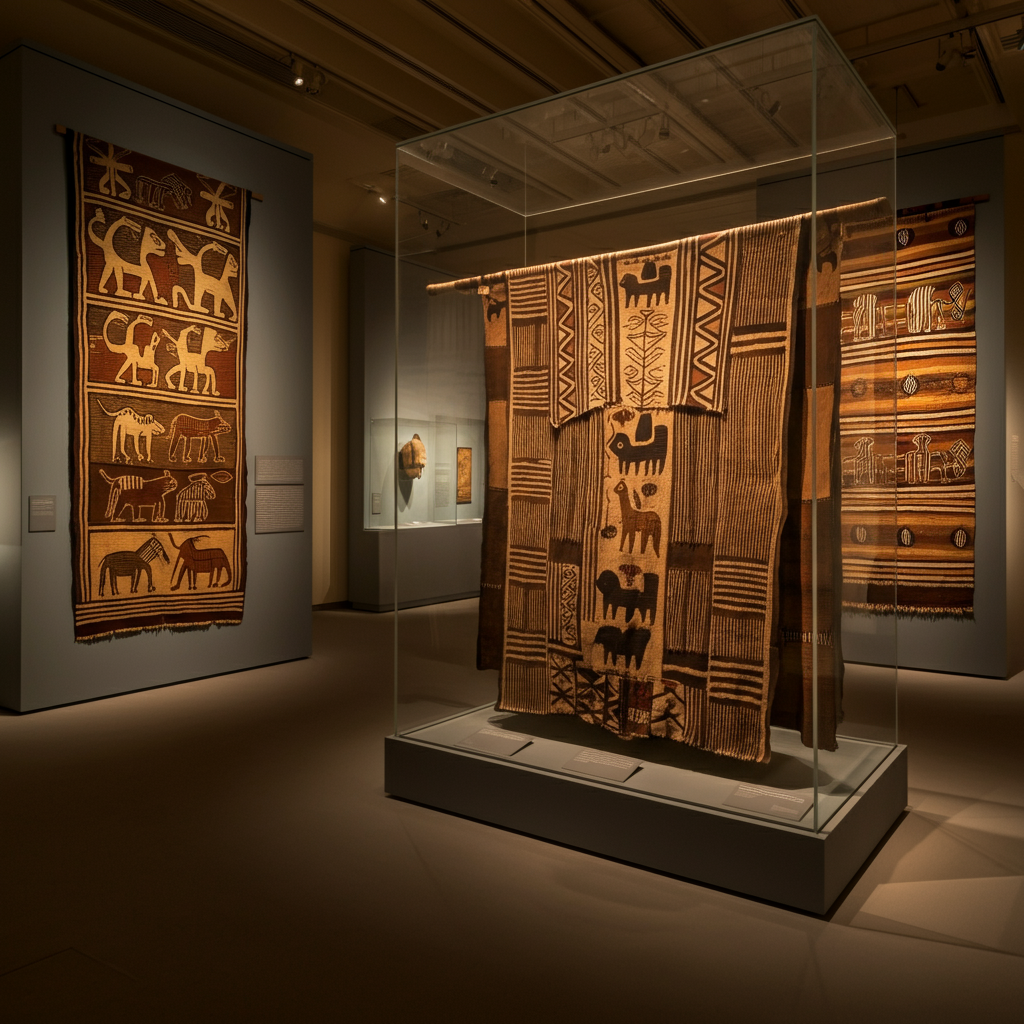
The Bumba creation myth, originating from the Kuba people of the Democratic Republic of Congo, offers a unique perspective on the origin of the universe. In the beginning, there was only darkness, water, and Bumba, the giant. Overcome with a stomachache, Bumba vomited up the sun, moon, stars, and eventually, animals and humans. These creatures then went on to create more life and shape the world as we know it. This myth highlights the interconnectedness of all living things and emphasizes the role of creation as a somewhat chaotic, but ultimately generative, process. The sons of Bumba further developed the land, and lightning, another of Bumba's creations, became a disruptive force, highlighting the presence of both order and disorder in the universe.
Step 3: The Maasai Legend of the Gift of Cattle
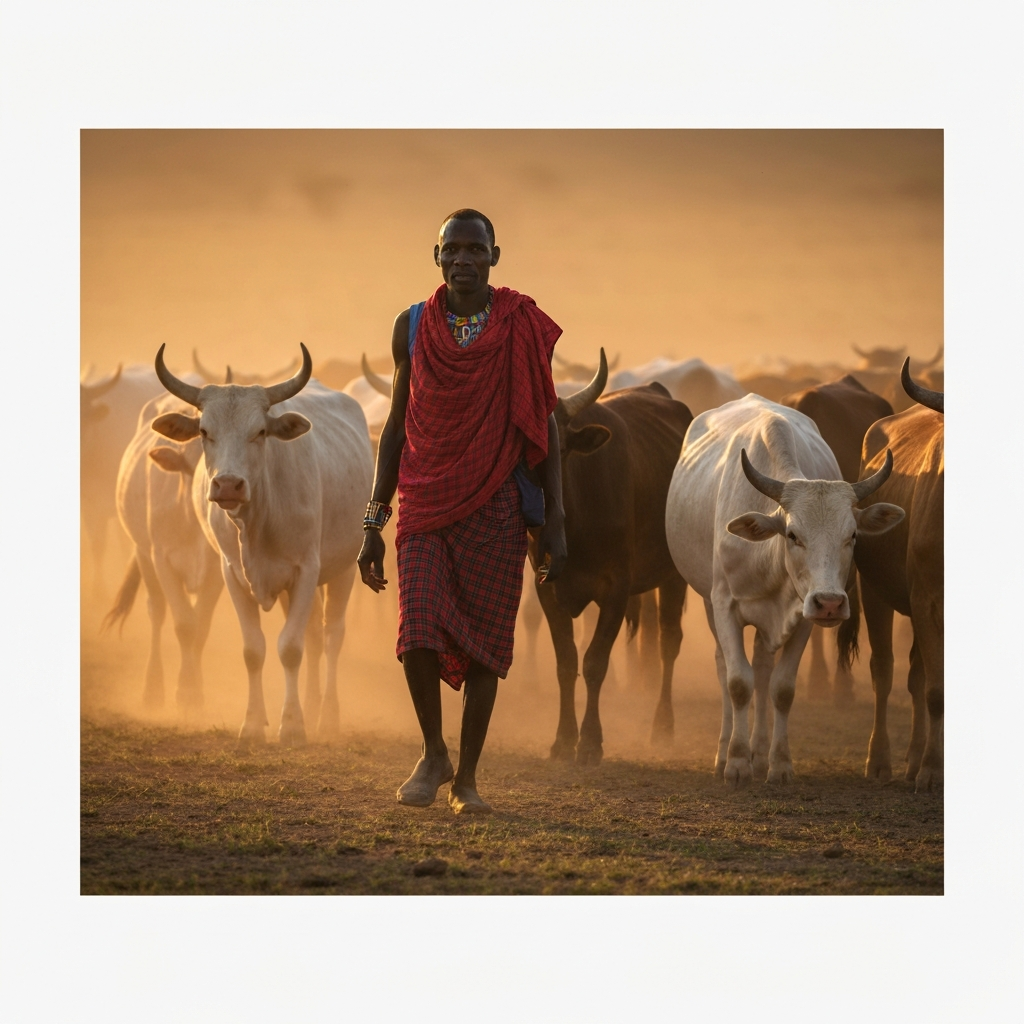
Cattle hold immense cultural and economic significance for the Maasai people of East Africa. The Maasai legend of the gift of cattle explains this profound connection. In this story, God instructs Maasinta, the first Maasai man, to build a large enclosure. God then sends cattle down from heaven on a leather thong. When Maasinta's housemate prematurely exclaims in surprise, God stops the flow of cattle, declaring that the Maasai must cherish the cattle they have. This myth reinforces the central role of cattle in Maasai society, shaping their lifestyle, culture, and identity. It highlights the importance of respecting divine gifts and living in harmony with the natural world.
Step 4: Izi Khaleni: The Xhosa Myth of the Place of Thunder
Near Coffee Bay in South Africa, the Xhosa people tell the story of Izi Khaleni, or "Place of Thunder," a prominent rock formation with a hole in the middle. According to the myth, a young woman falls in love with a sea person, a being with flippers instead of hands and feet. The villagers disapprove of this union, but the sea people help the lovers by using a giant fish to repeatedly ram the cliff face, creating the hole and allowing the sea people to enter the lagoon and reunite the lovers. This myth emphasizes the power of love to overcome obstacles and challenges societal norms. It also highlights the connection between the Xhosa people and the ocean, showcasing the power and mystery of the sea.

Step 5: The Yoruba Creation of the Universe: A Drunken Mistake?
The Yoruba creation myth involves Olorun, the Supreme Being, tasking Orisanla with creating the Earth. However, Orisanla gets drunk on palm wine at a party and falls asleep. His younger brother, Odua, seizes the opportunity and completes the creation using soil, a chain, a chicken, and a chameleon. This story highlights themes of responsibility, ambition, and sibling rivalry. While Orisanla is initially given the task, Odua's initiative and resourcefulness ultimately lead to the creation of the Earth. Despite the conflict, Olorun ultimately divides the responsibilities, giving Odua ownership of the Earth and Orisanla the creation of mankind.
Common Mistakes to Avoid
- Assuming Uniformity: African mythology is incredibly diverse. Avoid generalizing and recognize the distinct nature of each culture's stories.
- Oversimplification: These myths are complex and multi-layered. Resist the urge to reduce them to simple moral lessons.
- Cultural Appropriation: Be respectful when discussing and sharing these stories. Acknowledge their origins and avoid misrepresenting them.
- Ignoring Oral Tradition: Many of these myths were passed down orally. Be mindful of variations and interpretations.
FAQ Section
- Q: Are African myths still relevant today?
- A: Absolutely. They offer valuable insights into human nature, cultural values, and the relationship between humanity and the environment.
- Q: Where can I find reliable sources for learning about African myths?
- A: Look for published collections of myths from reputable sources, academic research, and collaborations with cultural experts.
- Q: What is the role of animals in African mythology?
- A: Animals often represent divine power, wisdom, or specific character traits. They can act as messengers, guides, or even tricksters.
Conclusion
Exploring African myths is a journey into a world of vibrant stories, complex characters, and profound wisdom. From the cunning of Anansi the Spider to the creation myth of Bumba, these tales offer a glimpse into the rich cultural heritage of the African continent. By understanding the common themes, motifs, and characters within these narratives, we gain a deeper appreciation for the diverse values and worldviews of African societies. Continue your exploration, be respectful of their origins, and celebrate the enduring power of these ancient stories.