Building impressive arms is a common fitness goal, and achieving 15-inch arms is a significant milestone for many. It represents a commitment to training, nutrition, and consistency. This guide provides a comprehensive roadmap to help you achieve this goal safely and effectively. We will cover essential exercises, training strategies, and nutritional advice to maximize your arm growth potential.
While genetics play a role in muscle development, consistent effort and a structured approach can lead to substantial gains. Don't get discouraged if you don't see results immediately; muscle growth takes time and dedication. This guide focuses on providing actionable strategies that you can implement today to start your journey towards bigger arms.
Remember that consistency is key. Following a structured program and maintaining a healthy lifestyle are crucial for achieving your desired results. Let's dive into the steps to build those 15-inch arms.
Step 1: Understanding Your Current Arm Size
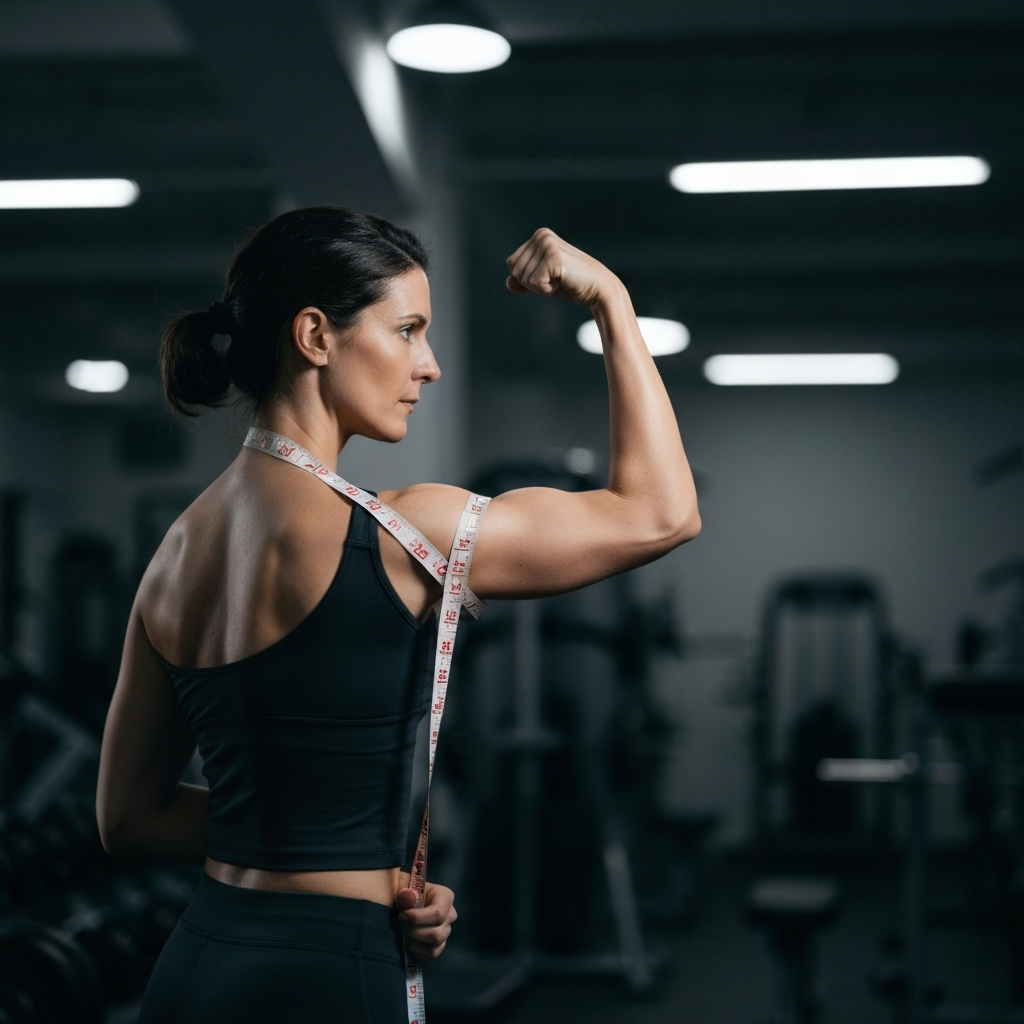
Before embarking on any training program, it's crucial to understand your starting point. Accurately measuring your current arm size will help you track your progress and adjust your training as needed. Use a flexible measuring tape and wrap it around the thickest part of your bicep while flexing. Take measurements of both arms, as one may be slightly larger than the other. Record these measurements and compare them to your target of 15 inches. According to Certified Personal Trainer Monica Morris, 15-inch arms are muscular for the average male. For females, 12.5-inch arms are considered muscular.
Step 2: Mastering Compound Exercises
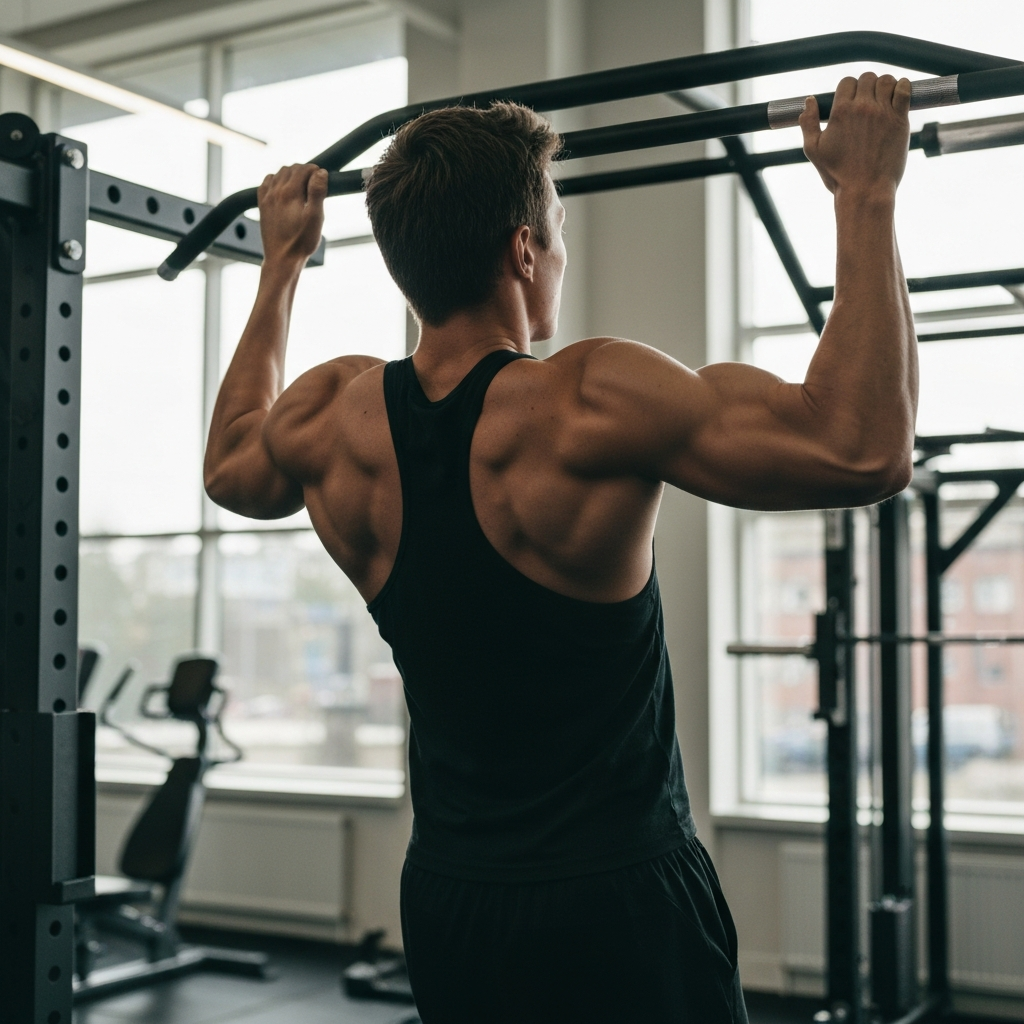
Compound exercises are multi-joint movements that engage multiple muscle groups simultaneously. These exercises are essential for building overall strength and mass, which will indirectly contribute to arm growth. Focus on exercises like pull-ups, push-ups, and rows. These exercises stimulate the growth of your back, chest, and shoulders, all of which contribute to overall upper body size and strength, creating a more balanced physique that enhances the appearance of your arms. Proper form is crucial to avoid injuries and maximize effectiveness. Start with a weight or resistance level that allows you to maintain good form throughout the entire range of motion.
Step 3: Implementing Isolation Exercises
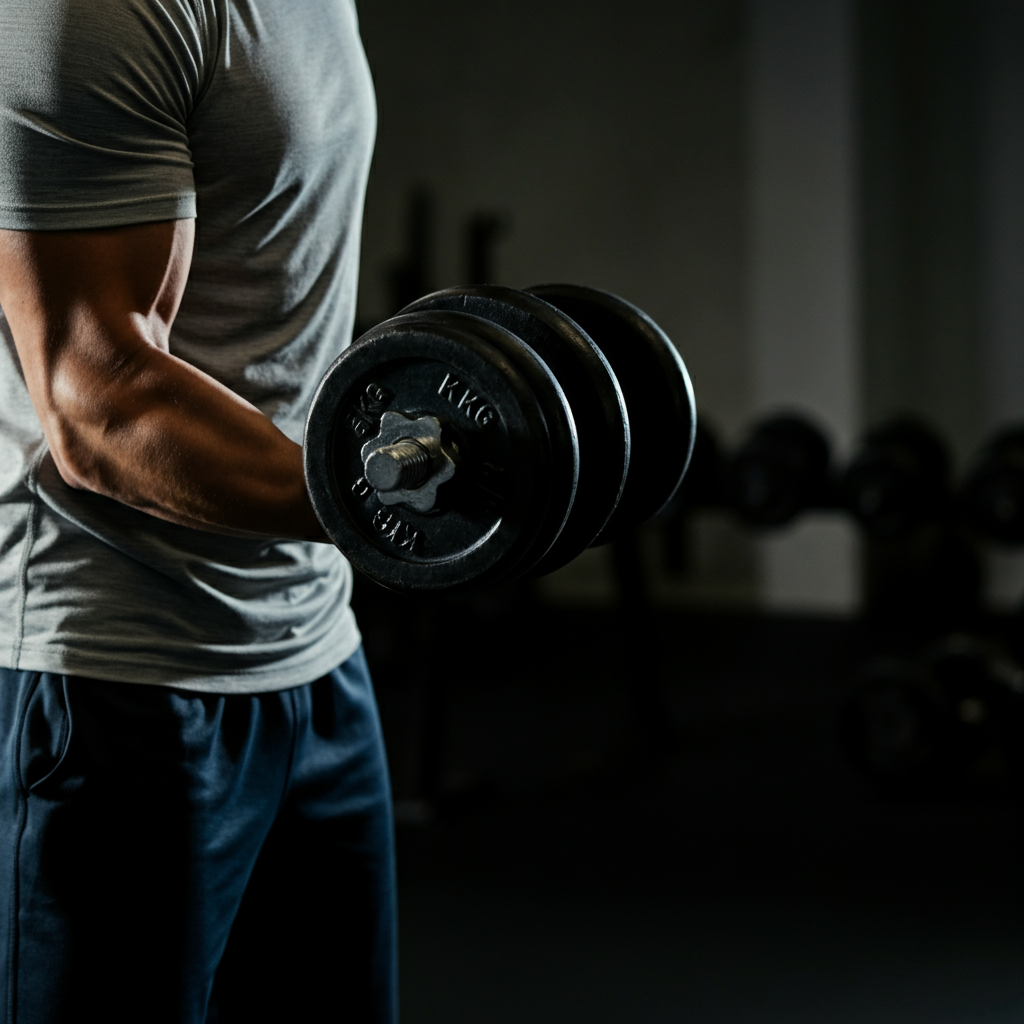
While compound exercises lay the foundation, isolation exercises directly target the biceps and triceps, the primary muscles responsible for arm size. Incorporate exercises like bicep curls (barbell, dumbbell, hammer), tricep extensions (overhead, cable), and close-grip bench presses into your routine. Pay attention to the contraction and extension of the muscle, focusing on feeling the muscle work with each repetition. Physical therapist Joel Giffin, PT, DPT, CHT, suggests engaging your shoulder blades and keeping them squeezed together during bicep curls.
Step 4: Progressive Overload
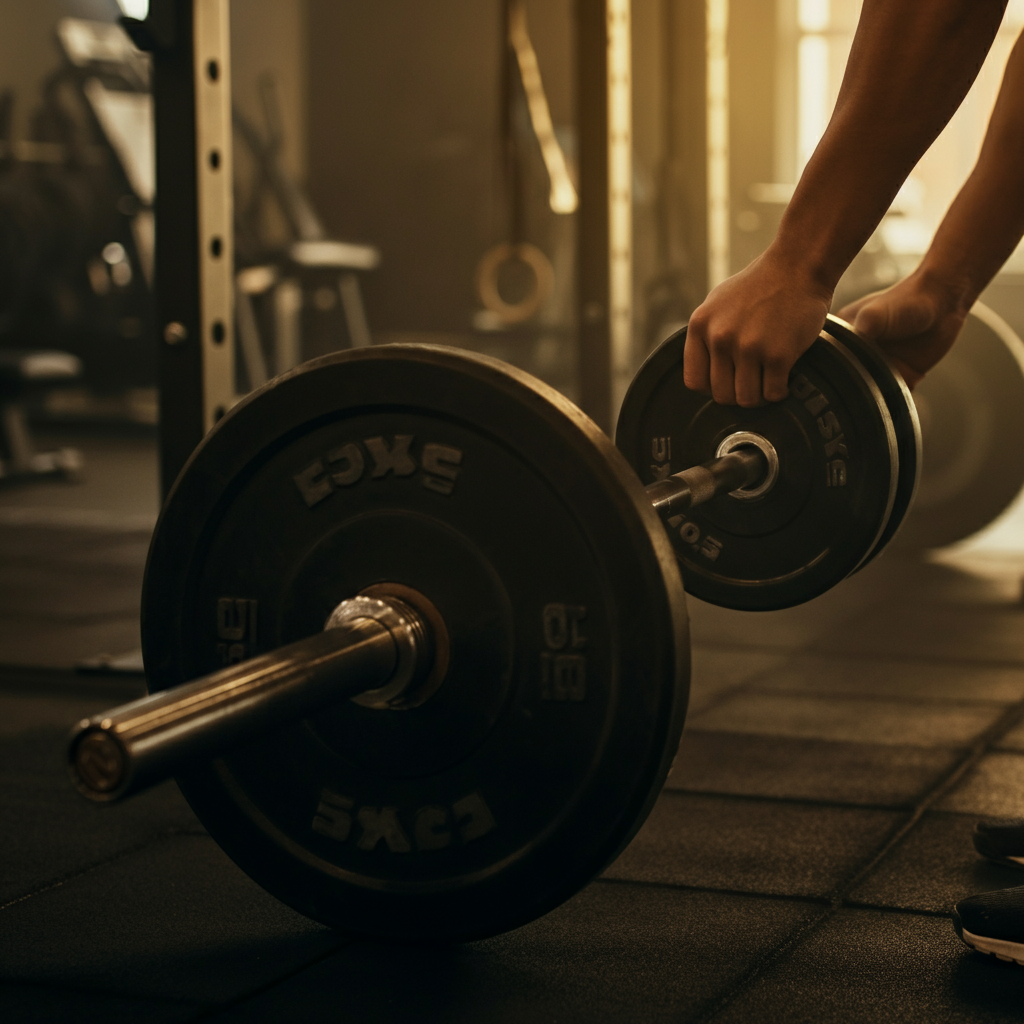
Progressive overload is the principle of gradually increasing the demands on your muscles over time. This can be achieved by increasing the weight you lift, the number of repetitions you perform, or the number of sets you complete. Without progressive overload, your muscles will adapt to the current workload, and growth will plateau. Track your workouts carefully and strive to improve each week. Even small increases in weight or reps can make a significant difference over time. According to Certified Personal Trainer Dr. Alex Robles, you can't expect to build muscle or make progress if you do the exact same workout repeatedly; you need to have a measurable way of indicating that your workouts are improving, such as doing more repetitions.
Step 5: Optimizing Your Nutrition
Nutrition plays a vital role in muscle growth and recovery. To build 15-inch arms, you need to consume enough calories and protein to support muscle protein synthesis. Aim for approximately 1.1 to 1.5 grams of protein per kilogram of body weight per day. Good sources of protein include lean meats, poultry, fish, eggs, and dairy products. Consume a balanced diet with plenty of fruits, vegetables, and whole grains for optimal energy levels and overall health.

Step 6: Prioritizing Rest and Recovery
Muscle growth occurs during rest, not during training. Ensure you get at least 7-8 hours of quality sleep per night. Adequate sleep allows your body to repair and rebuild muscle tissue. Incorporate rest days into your training schedule to allow your muscles to recover fully. Consider active recovery strategies like light cardio or stretching to improve blood flow and reduce muscle soreness.

Step 7: Tracking Your Progress and Making Adjustments
Regularly monitor your arm size using a measuring tape. Take measurements every 2-4 weeks to track your progress. Also, pay attention to how your clothes fit and how you feel. If you're not seeing the desired results, adjust your training program, nutrition, or recovery strategies. Don't be afraid to experiment and find what works best for your body. Consulting with a certified personal trainer can provide personalized guidance and help you optimize your results.

Pro Tips
- Focus on proper form over lifting heavy weight – This will help prevent injuries and maximize muscle activation.
- Vary your exercises – Prevent plateaus by changing your routine every few weeks.
- Stay hydrated – Drink plenty of water throughout the day to support muscle function.
- Be patient – Building muscle takes time and consistency. Don't get discouraged if you don't see results immediately.
Common Mistakes to Avoid
- Overtraining – Giving your muscles adequate rest is essential for growth.
- Neglecting nutrition – You need to eat enough calories and protein to support muscle growth.
- Using improper form – This can lead to injuries and hinder your progress.
- Comparing yourself to others – Everyone's body is different. Focus on your own progress.
Safety Considerations
- Warm up properly before each workout to prepare your muscles for exercise.
- Use proper lifting techniques to avoid injuries.
- Cool down and stretch after each workout to improve flexibility and reduce muscle soreness.
- Listen to your body and stop if you feel any pain.
FAQ Section
Q: How long will it take to get 15-inch arms?
A: The time it takes to achieve 15-inch arms varies depending on your starting point, genetics, training intensity, and nutrition. It could take several months to a year or more.
Q: Can women get 15-inch arms?
A: Yes, women can get 15-inch arms. While the average arm size for women is smaller than for men, consistent training and proper nutrition can lead to significant muscle growth.
Q: Do I need to take supplements to build bigger arms?
A: Supplements are not essential for building bigger arms, but some supplements, such as creatine and protein powder, can help support muscle growth and recovery.
Conclusion
Achieving 15-inch arms is a challenging but attainable goal. By following the steps outlined in this guide, including consistent training, proper nutrition, and adequate rest, you can maximize your arm growth potential. Remember to focus on proper form, progressive overload, and listening to your body. Stay consistent, be patient, and enjoy the process of building a stronger, more muscular physique.